Should a Senior Rabbit Have a Lower Litter Box Edge?
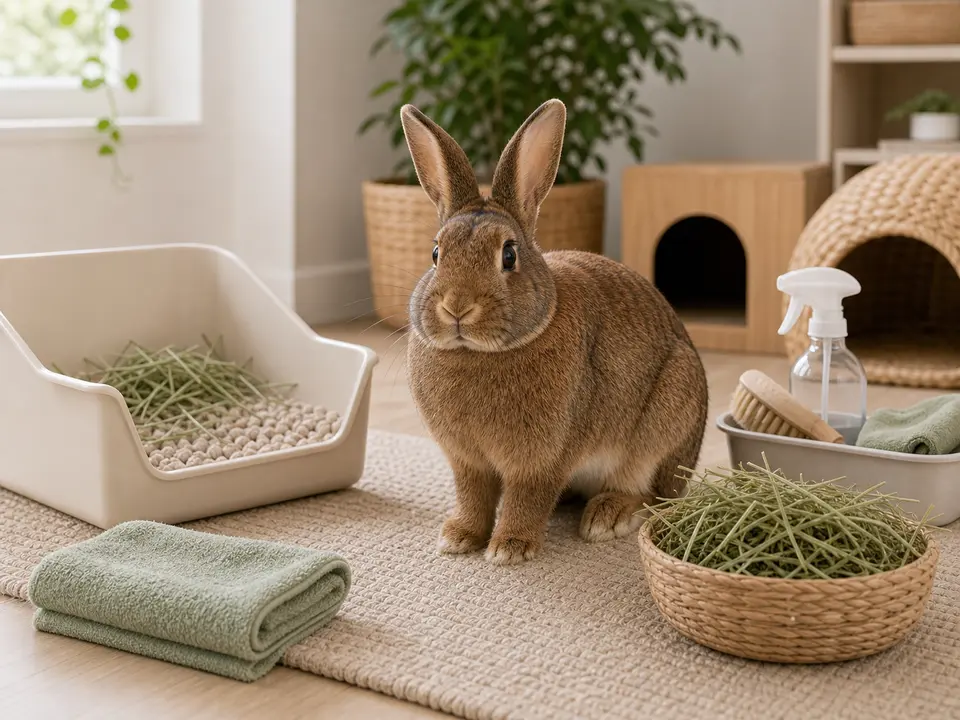
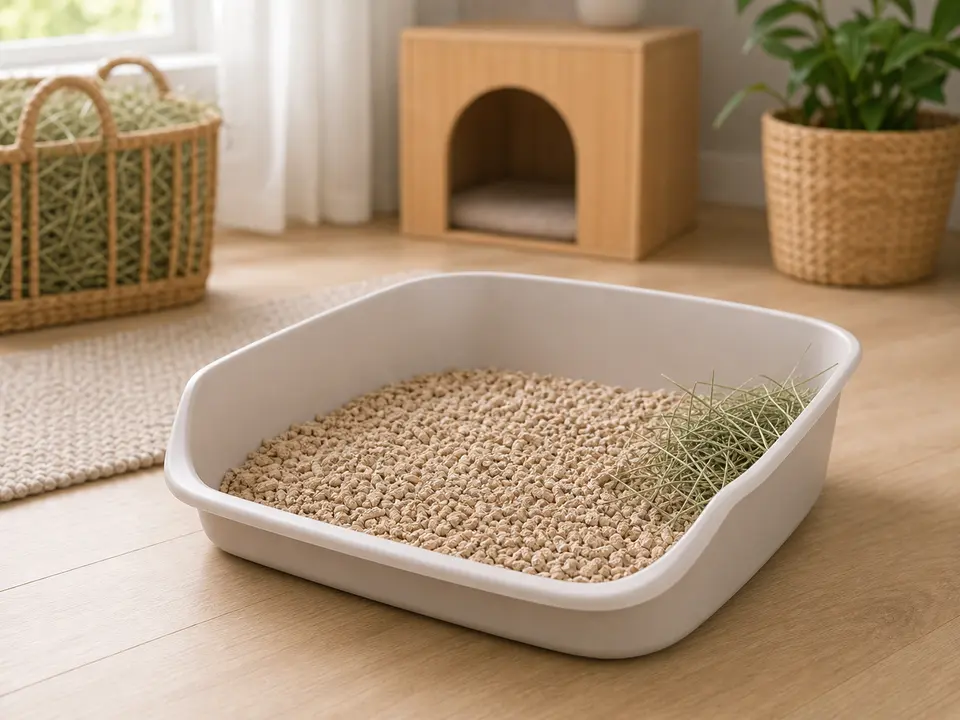
Yes, many senior rabbits do better with a lower litter box edge, especially if they are stiff, sore, slipping, or hesitating before they climb in. Keep the box roomy and easy to enter, but still deep enough to hold paper litter and hay without turning the floor into the bathroom.
A lower edge is not a downgrade. For an older rabbit, it can be the difference between using the box comfortably and avoiding it because the step feels hard. Look at the route from the resting spot to hay, water, and the litter box before deciding the setup is working.
When a lower edge helps
A senior rabbit may need an easier box if they pause at the edge, pee beside the box, leave poops near the entrance, slip on the way in, or seem less willing to hop after resting. The goal is simple: make the bathroom trip feel like one small step instead of a climb.
Keep the box roomy
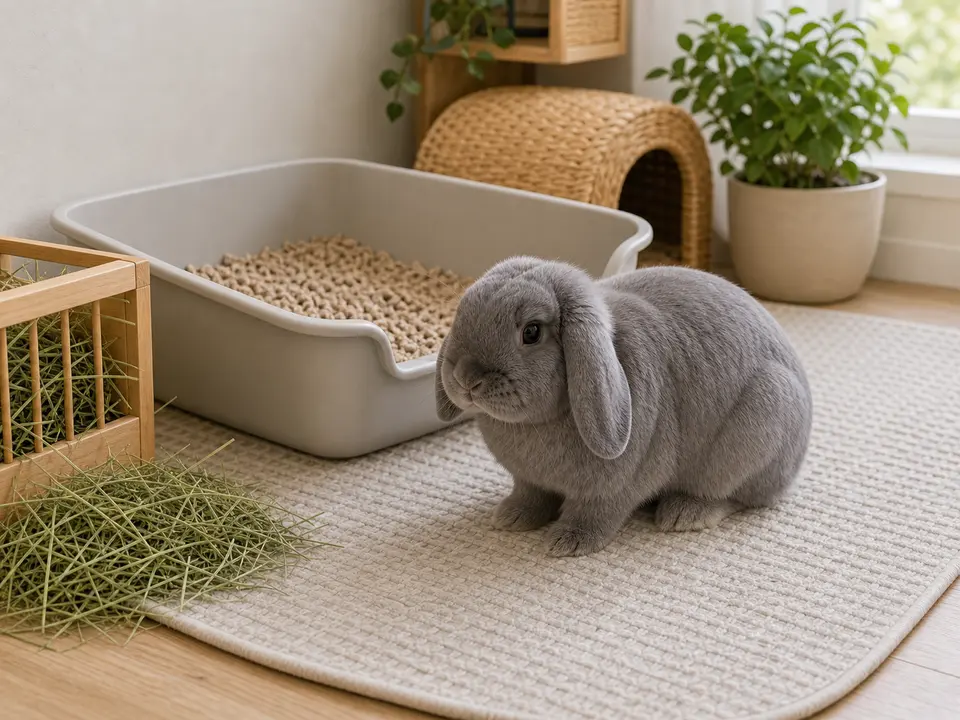
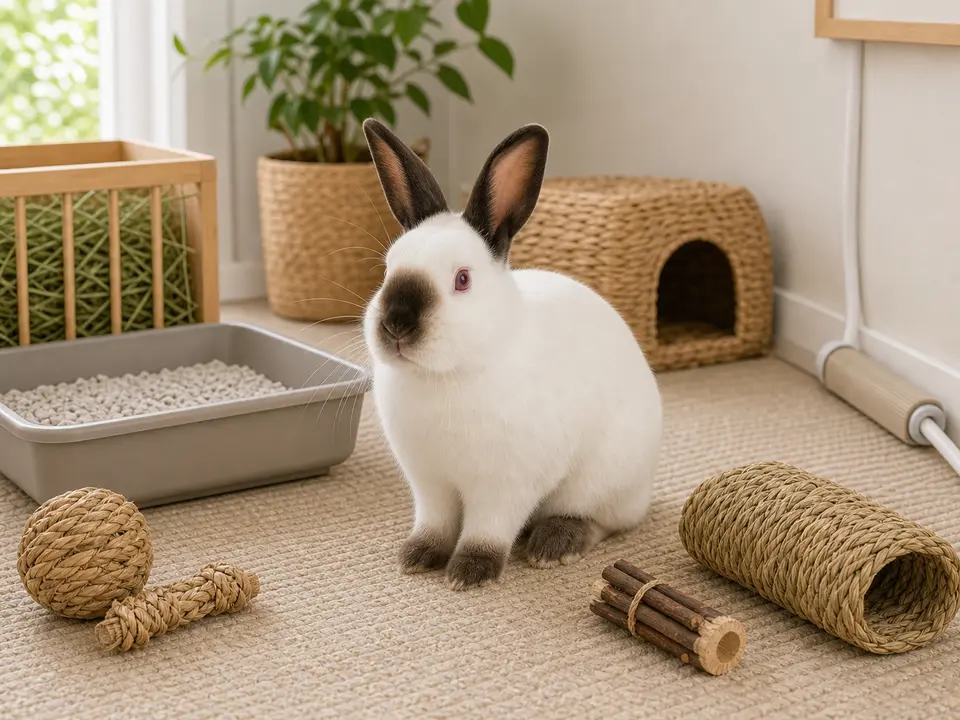
Lower should not mean tiny. Your rabbit still needs room to turn around, sit naturally, and eat hay without backing out. A storage-bin style box with one side cut lower can work better than a shallow tray because it gives easier entry while keeping litter, hay, and pee inside.
Keep hay close to the low-entry box
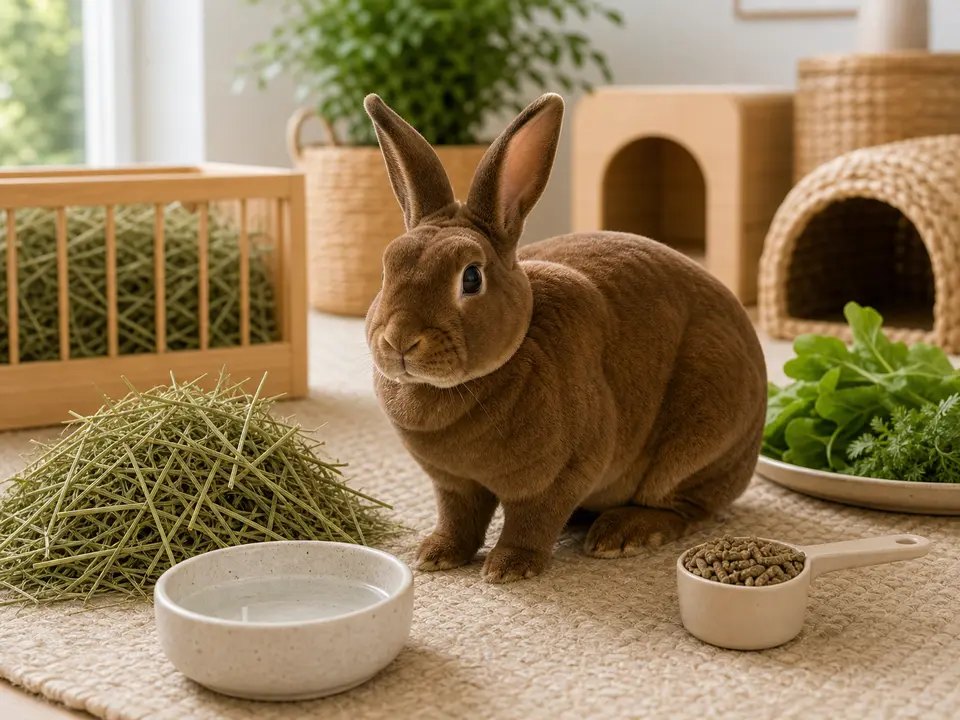
Many rabbits like to nibble hay while using the box, so keep hay close enough that your senior does not have to choose between eating and staying comfortable. If the hay rack is high, tight, or far away, lower it and watch whether box use improves.
Make the path easier too
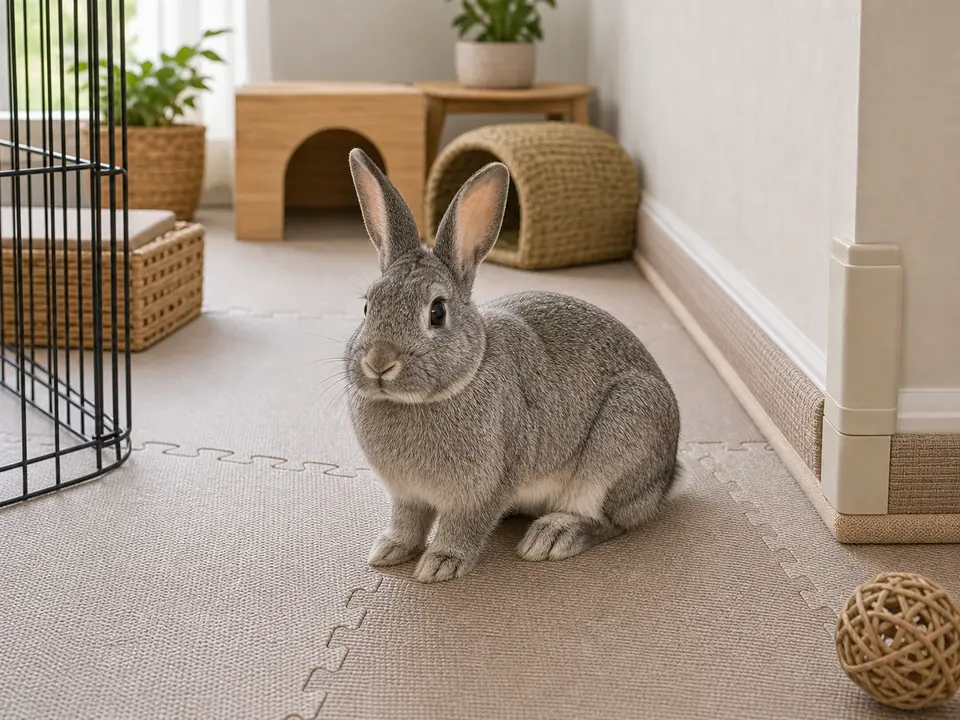
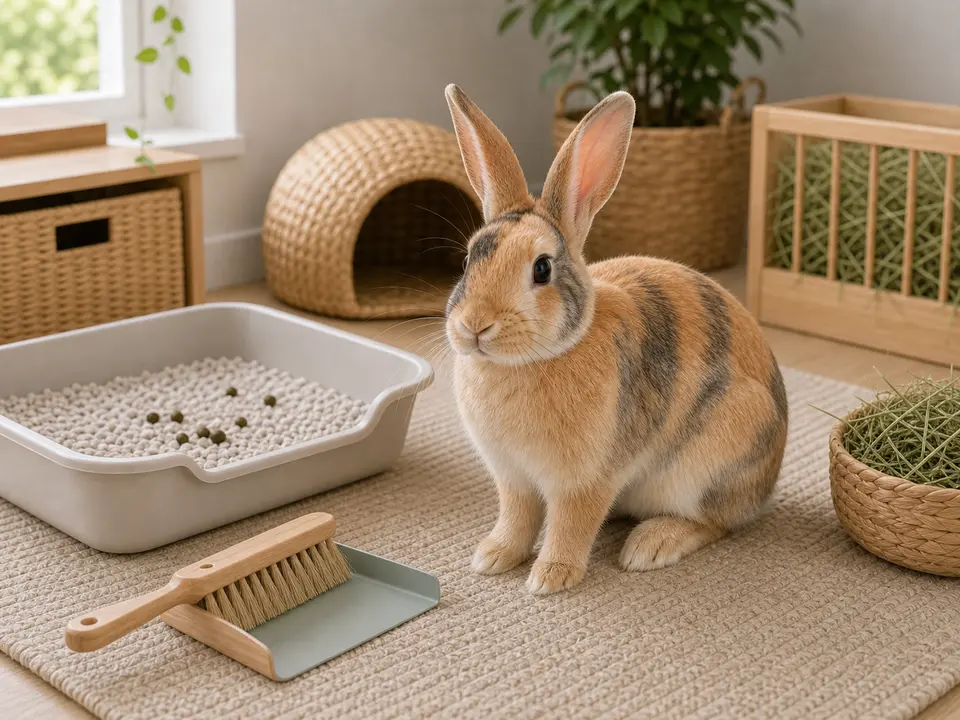
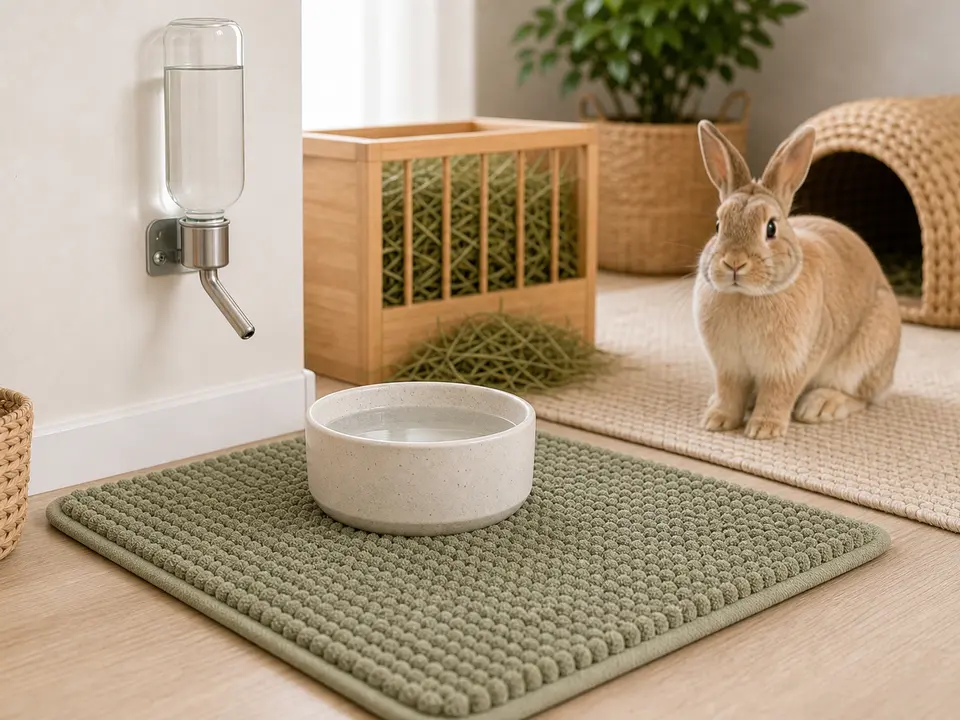
A better box will not help much if the path to it is slick. Add a washable traction mat, move water and hay closer, and remove little obstacles that make a stiff rabbit hop, stretch, or squeeze. Senior comfort often comes from fixing the boring details around the box.
Watch what changes after the swap
After you lower the entry, look for practical feedback: fewer misses, less hesitation, cleaner feet, steadier appetite, and normal-size poops. If accidents are sudden, your rabbit strains, the fur stays wet, appetite drops, or movement looks painful, call a rabbit-savvy vet instead of treating it as a litter-training problem.
Do not make the box harder to clean
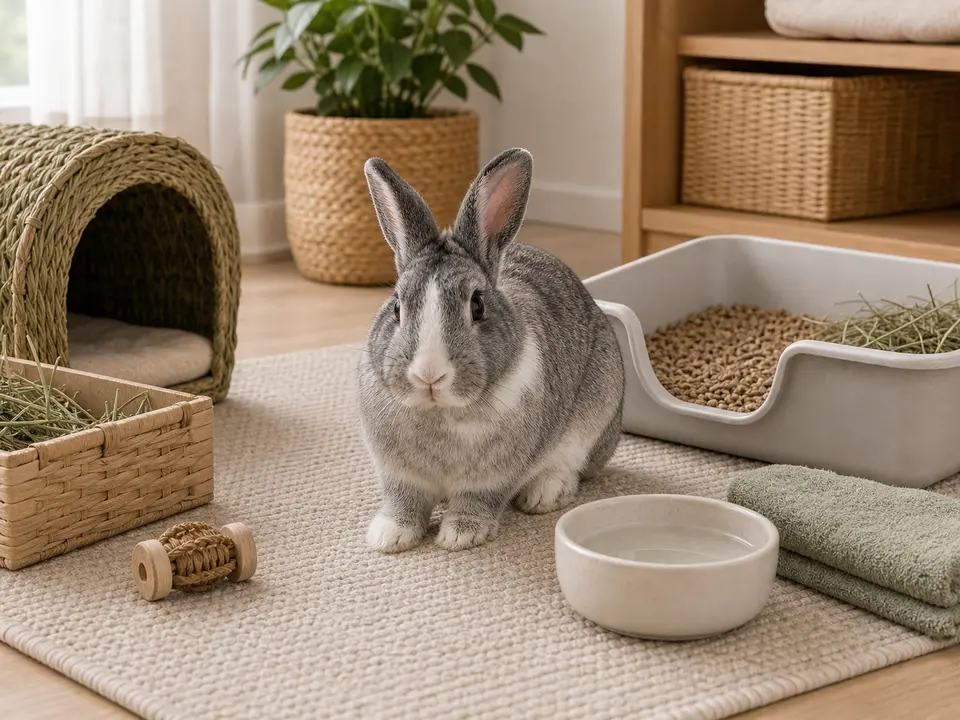
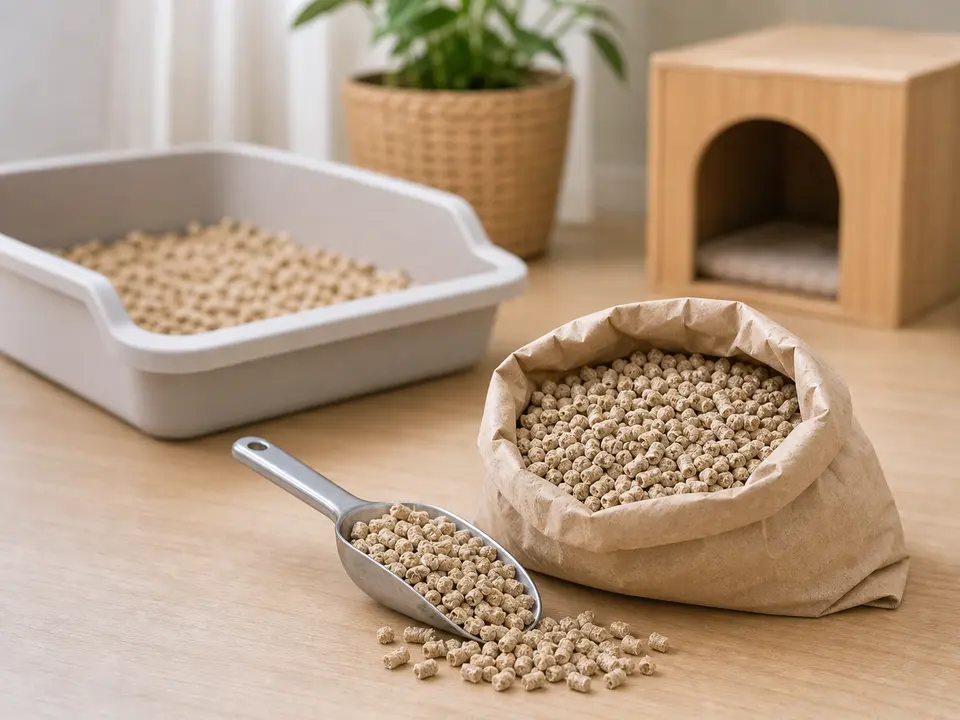
Choose a setup you can reset every day. Paper-based litter, hay at one end, a washable mat under the box, and a low entry you can wipe clean will stay pleasant longer than a clever setup that traps damp corners. The right senior box helps both of you keep the routine calm.
Before you decide
Does your senior rabbit hesitate, slip, or pee beside the current box?
Can your rabbit enter without jumping, stretching, or skidding?
Is the box still large enough to turn around in comfortably?
Are hay, water, and the resting spot close enough for stiff movement?
Did the change improve misses without new appetite, poop, or pain concerns?
Next best moves
Use a lower entry when stiffness, slipping, or hesitation makes the old box harder to use.
Keep the box roomy, with hay easy to reach and a grippy path underfoot.
Use washable mats and paper-based litter so the lower setup stays clean.
Call a rabbit-savvy vet if litter changes appear suddenly with wet fur, straining, pain, appetite changes, or smaller/fewer poops.
Litter tools that make the habit easier
These are practical pieces for the routine, not clutter to buy all at once.
Affiliate links: Furball Cove may earn from qualifying purchases at no extra cost to you.
Should a senior rabbit have a lower litter box edge?
Often, yes. A lower edge can help an older rabbit use the box more comfortably if stiffness, sore feet, or slippery flooring makes the old box hard to enter.
How low should the litter box edge be?
Low enough that your rabbit can step in without a hard jump, but high enough to hold litter and hay. Many homes use a roomy plastic box with one entry side cut lower and smoothed.
What if my senior rabbit still misses the box?
Check the path, hay placement, box size, and footing first. If misses are sudden or come with wet fur, straining, appetite changes, smaller poops, or pain signs, call a rabbit-savvy vet.