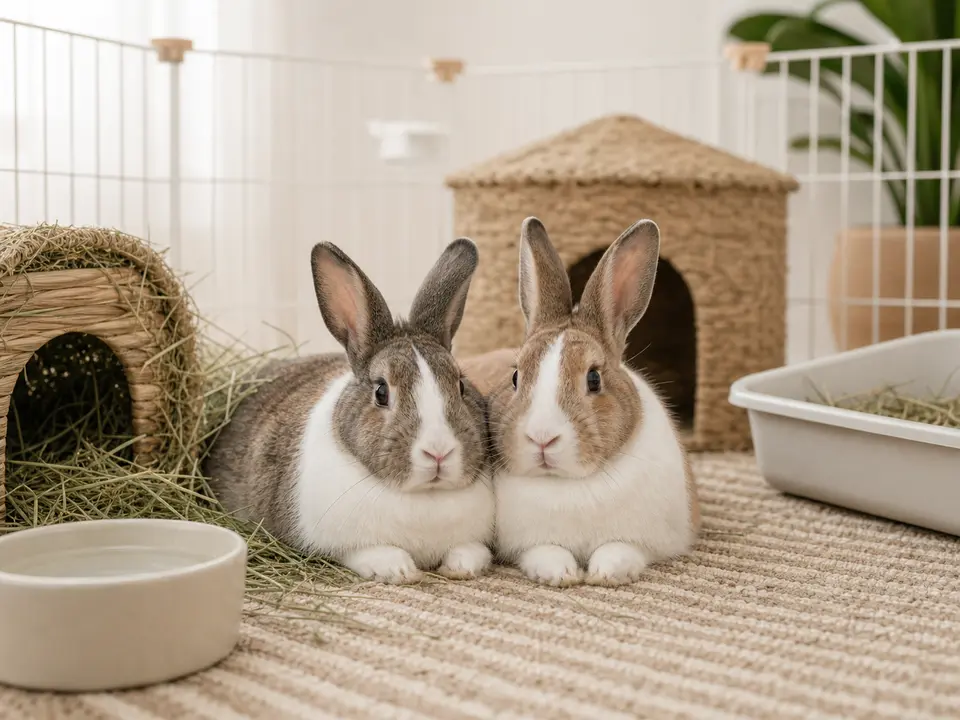
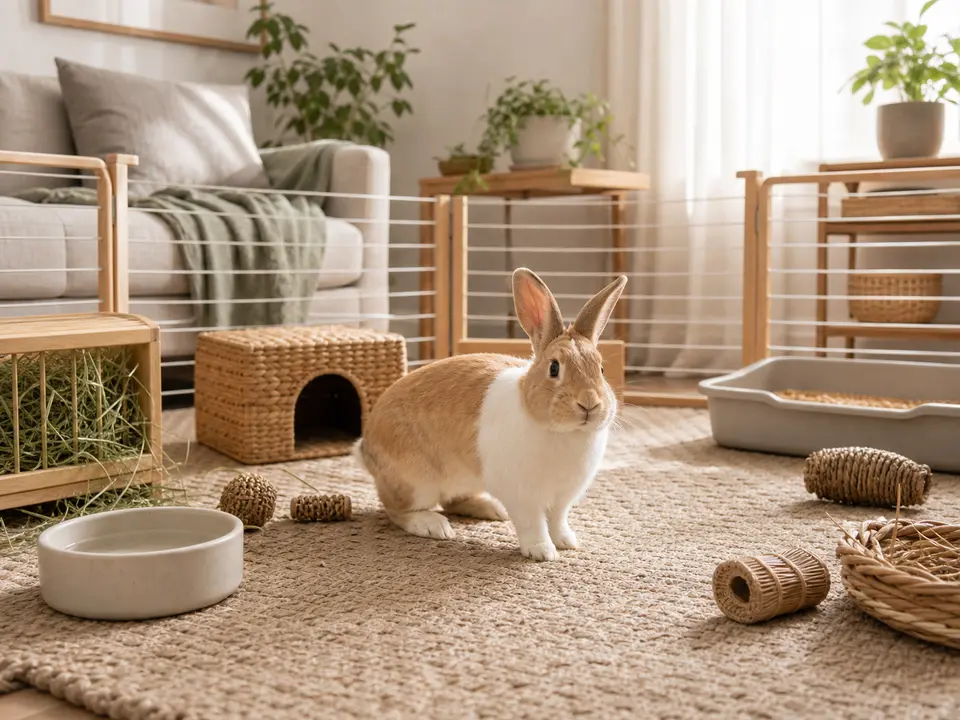
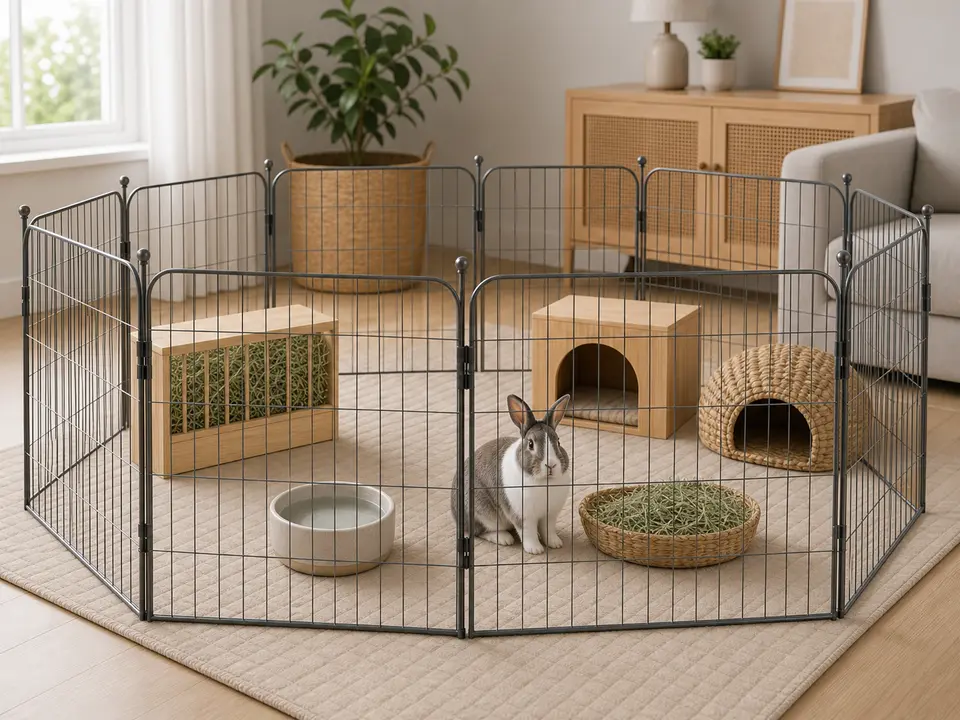
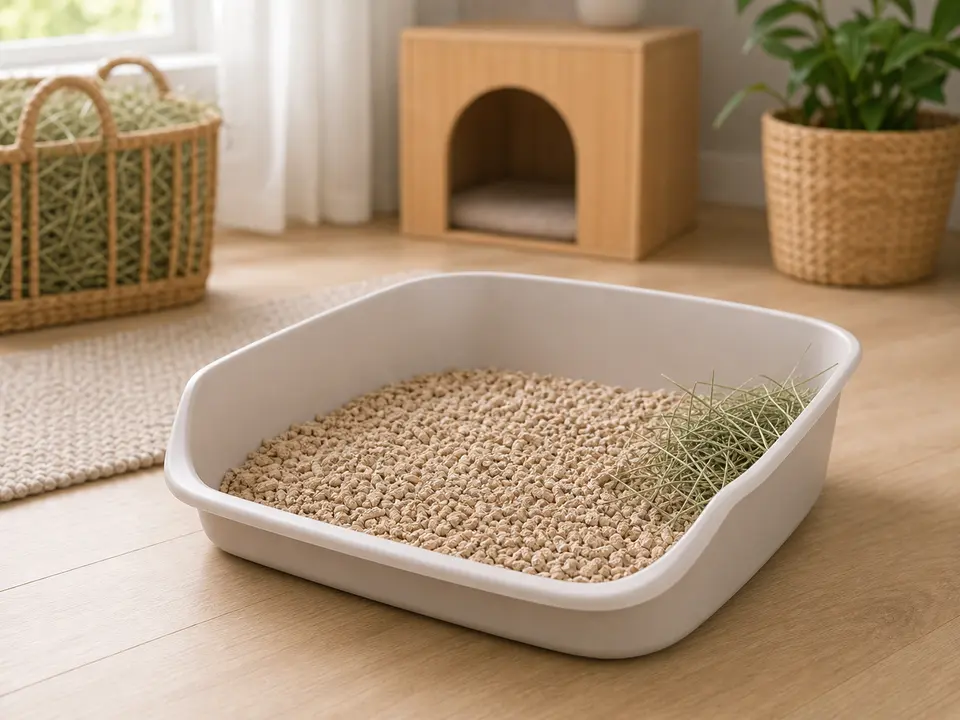
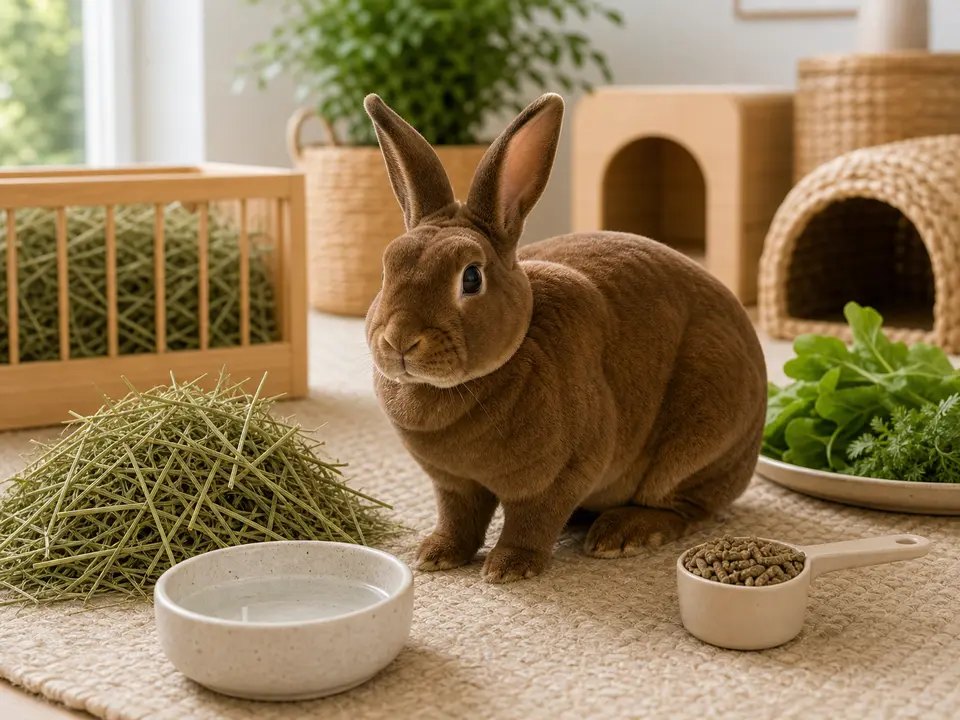
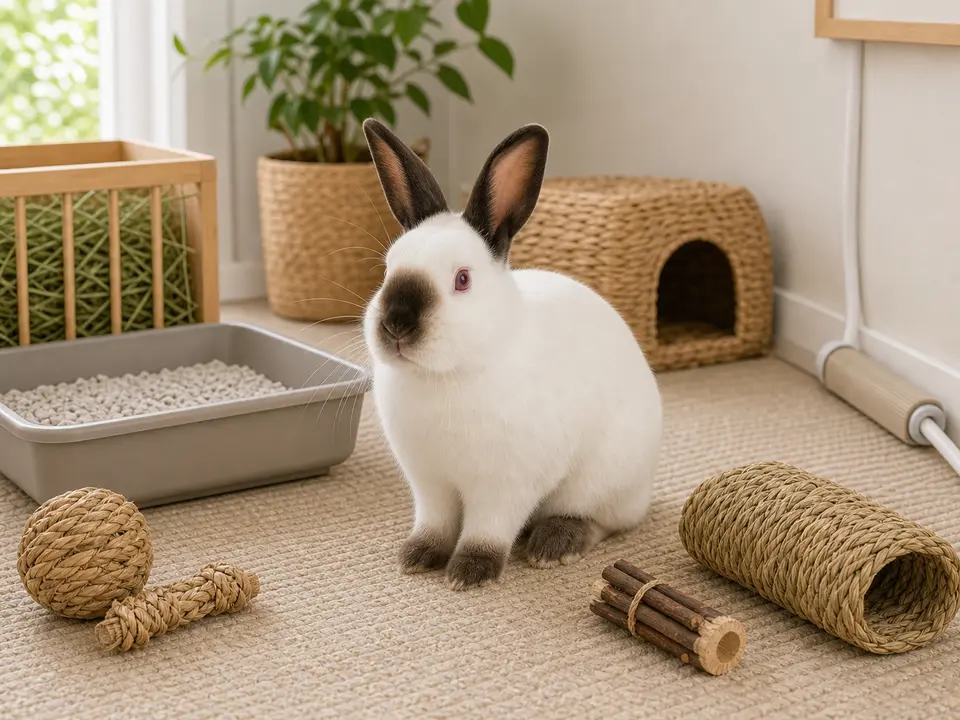
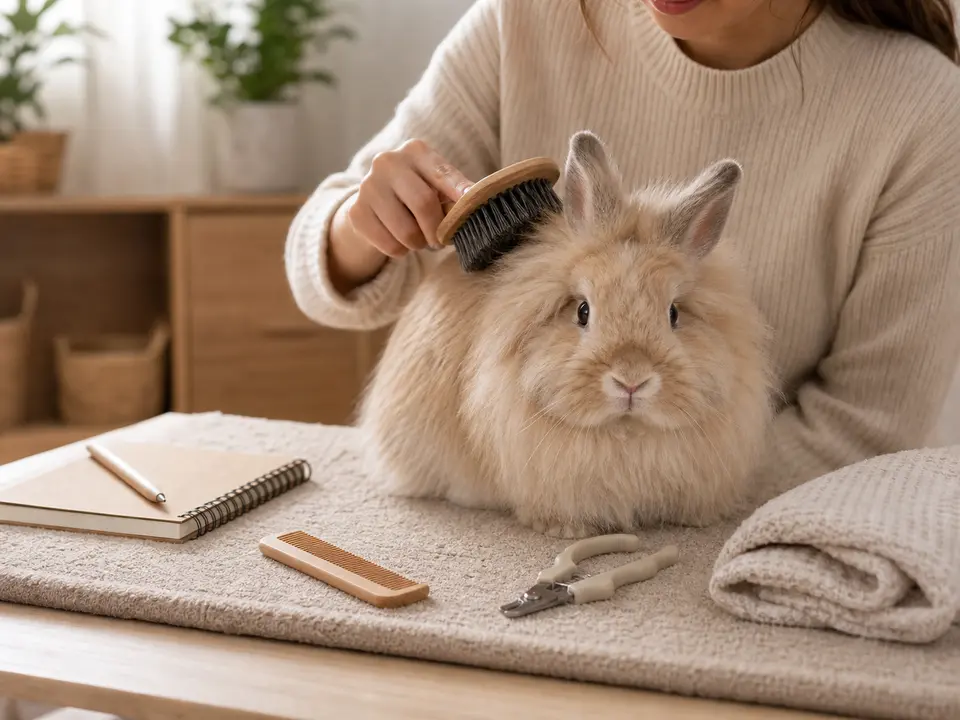
Before adopting a rabbit, make sure you understand the daily routine: hay, water, litter, safe flooring, chewing protection, calm handling, enrichment, and rabbit-savvy vet care. A good adoption is not just finding the cutest rabbit. It is matching a real rabbit to a home that can keep them comfortable.
Rabbits are affectionate in their own way, but they are not low-effort starter pets. Adoption goes better when you ask practical questions, prepare the room first, and choose based on temperament and care fit instead of looks alone.
Ask about the rabbit's normal day
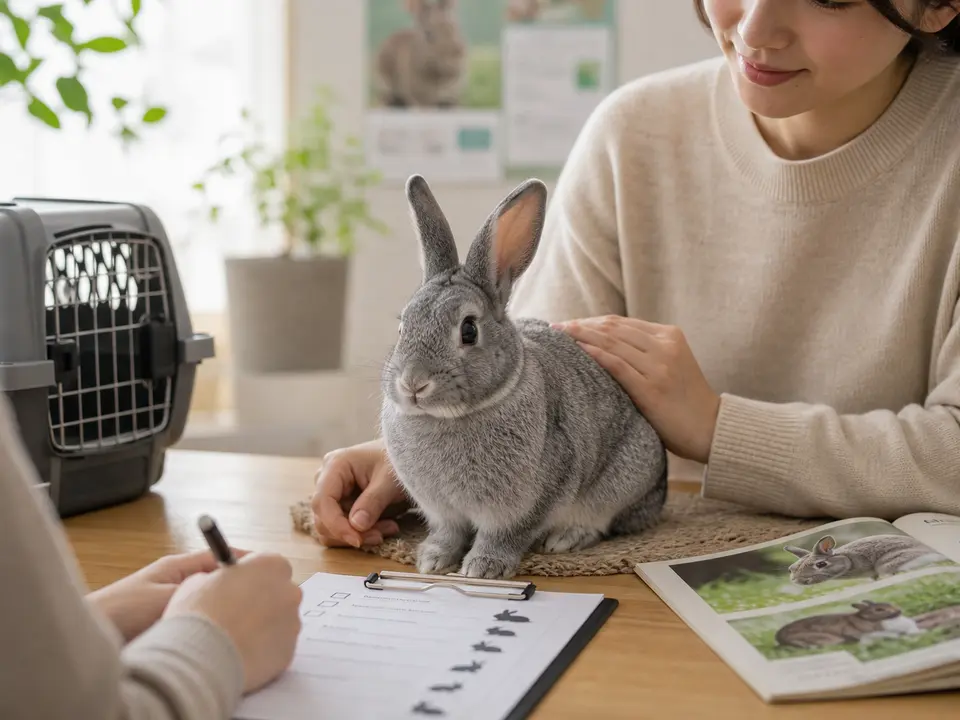
A useful adoption conversation should cover what the rabbit eats, how much hay they enjoy, where they use the litter box, how they respond to hands, and what makes them nervous. Those details tell you more than a single photo. You are trying to picture the first week in your actual home.
Prepare the room before pickup
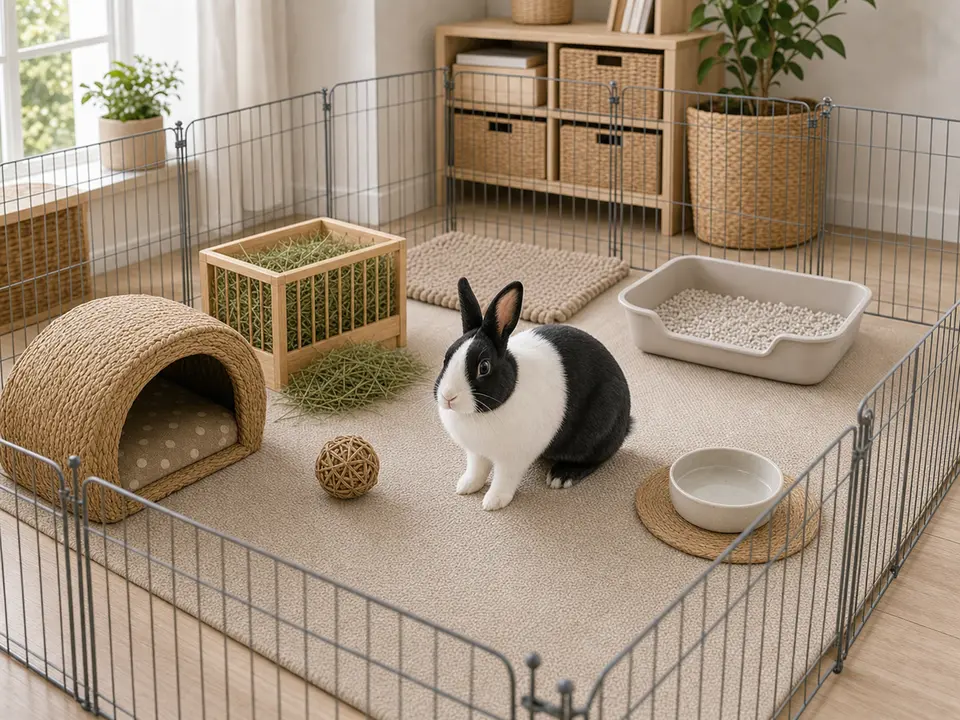
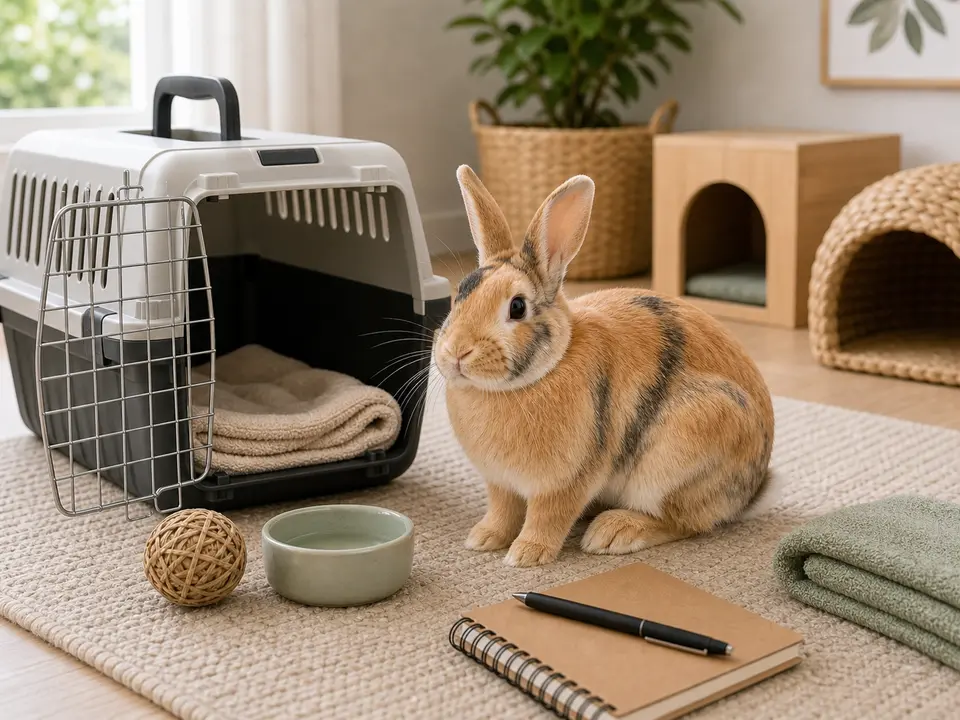
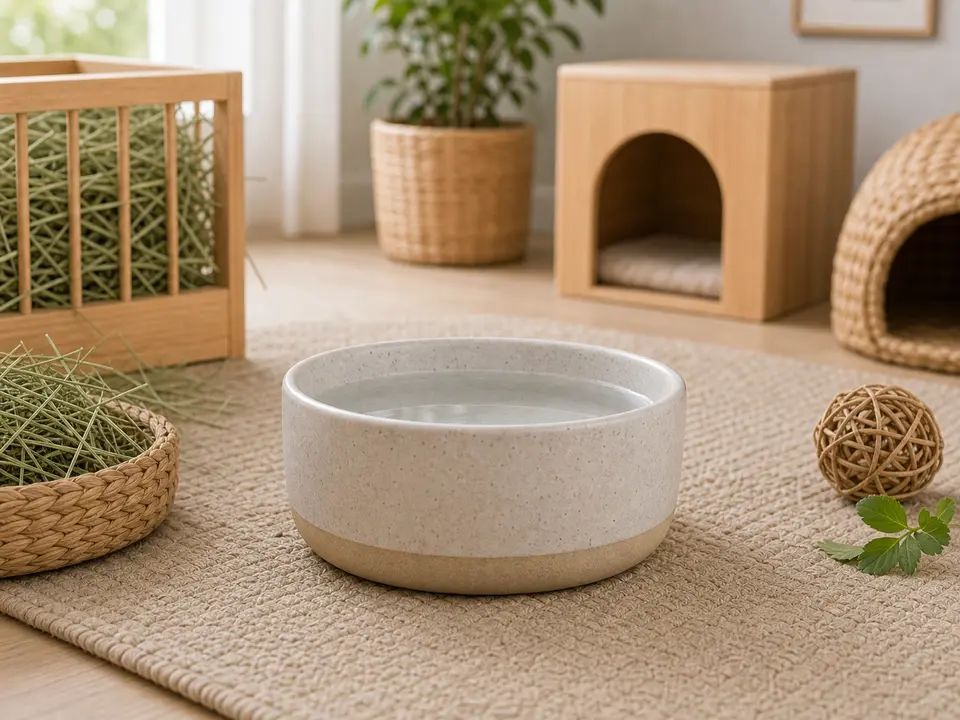
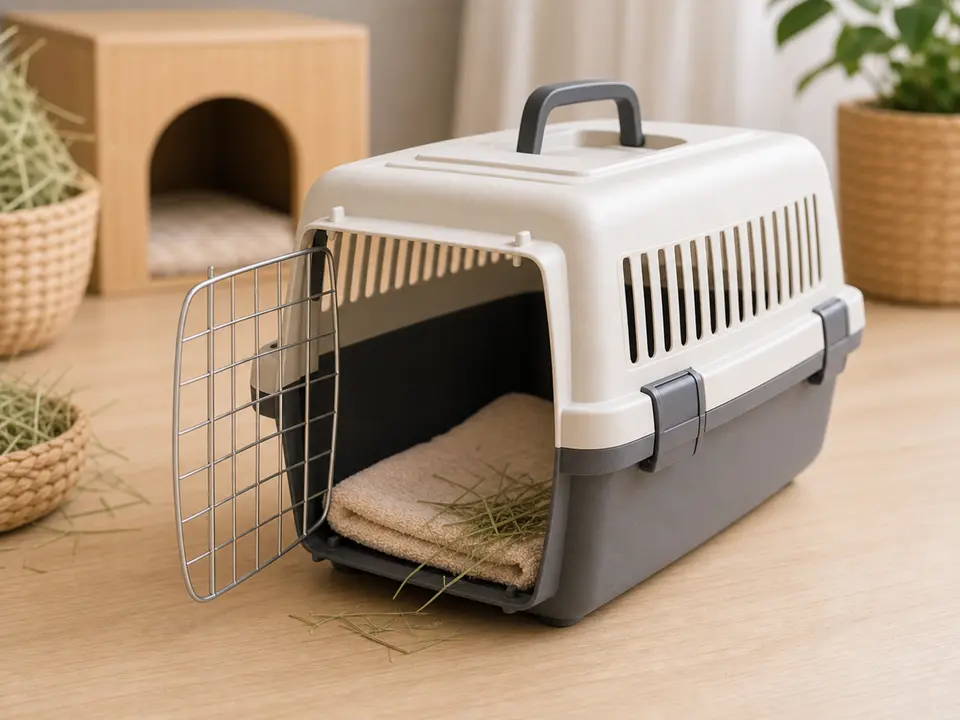
Have the home base ready before the rabbit arrives: hay, water, a roomy litter box, safe flooring, a hideout, cord protection, and a carrier lined for traction. The first night should be quiet and boring in the best way, with everything easy to find and no one crowding the rabbit.
Ask about health history without panicking
Ask what the rescue or prior home knows about appetite, poop, teeth, nails, grooming, weight, past vet visits, and any ongoing care needs. You are not looking for a perfect medical story. You are looking for honesty so you can plan a rabbit-savvy vet relationship and avoid surprises.
Choose temperament over color
The right rabbit for your home may be shy, bold, curious, calm, messy, tidy, social, or independent. If you have kids, a small apartment, other pets, or limited handling experience, say that clearly. A good rescue can help you compare real personalities instead of leaving you to guess from coat color.
Think about one rabbit or a bonded pair
If you want two rabbits, an already bonded pair can save you from a difficult introduction process. If you adopt one rabbit, ask whether the rabbit has lived with a partner before and whether future bonding might be a good idea. Either choice should fit your space, budget, and patience.
Keep the first week small
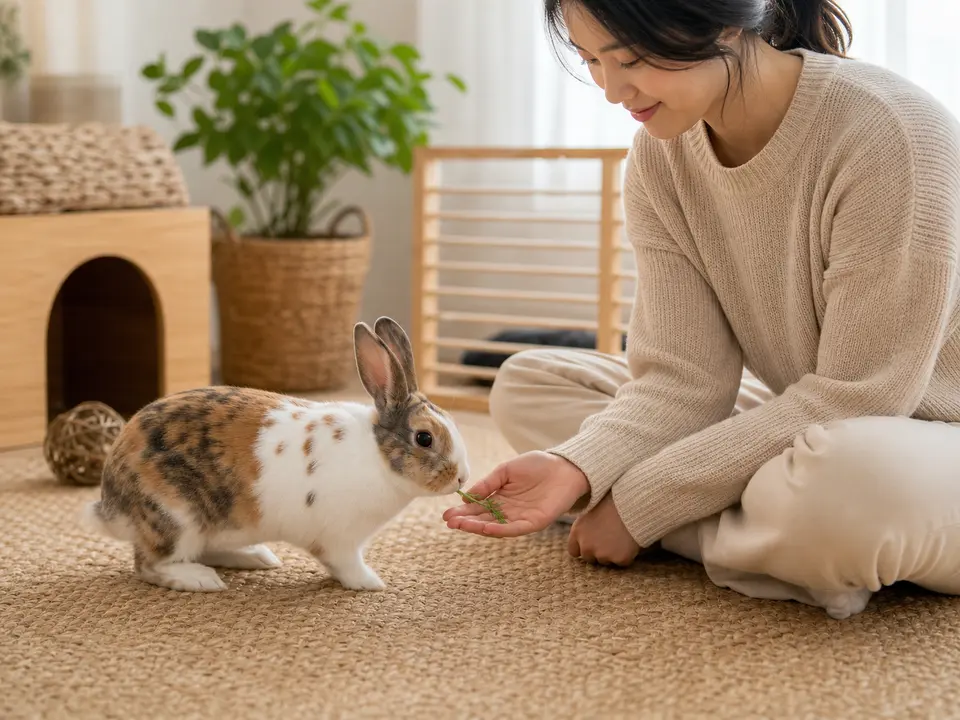
Do not turn adoption week into a parade of visitors, baths, photos, and handling practice. Let the rabbit learn where hay, water, litter, and the hideout are. Sit nearby, refill the basics, watch appetite and poop, and let trust build through calm repetition.
Before you decide
Is the rabbit room ready before adoption day?
Did you ask about hay, litter habits, handling, health history, and personality?
Do you know where you would go for rabbit-savvy vet care?
Are adults prepared for the daily routine and cost?
Does the rabbit's temperament fit the real home, not just the photo?
Next best moves
Adopt from a rescue or source that can describe the rabbit's daily habits honestly.
Prepare hay, water, litter, hideout, traction, carrier, and cord protection before pickup.
Choose by care fit and temperament, not color alone.
Keep the first week calm and watch appetite, poop, and confidence closely.
First setup pieces that earn their space
Start with the pieces that make the first room calm before buying cute extras.
Affiliate links: Furball Cove may earn from qualifying purchases at no extra cost to you.
Adoption can be a strong choice because many rescues know the rabbit's personality, litter habits, and bonding history. The best source is one that gives honest care information and supports the match.
What should I buy before adopting a rabbit?
Start with hay, a heavy water bowl, a roomy litter box, paper-based litter, grippy flooring, a hideout, safe chew options, cord protection, and a hard-sided carrier.
How long does it take an adopted rabbit to settle in?
Some rabbits explore quickly; others need days or weeks. Keep the first routine predictable and let the rabbit approach at their own pace.