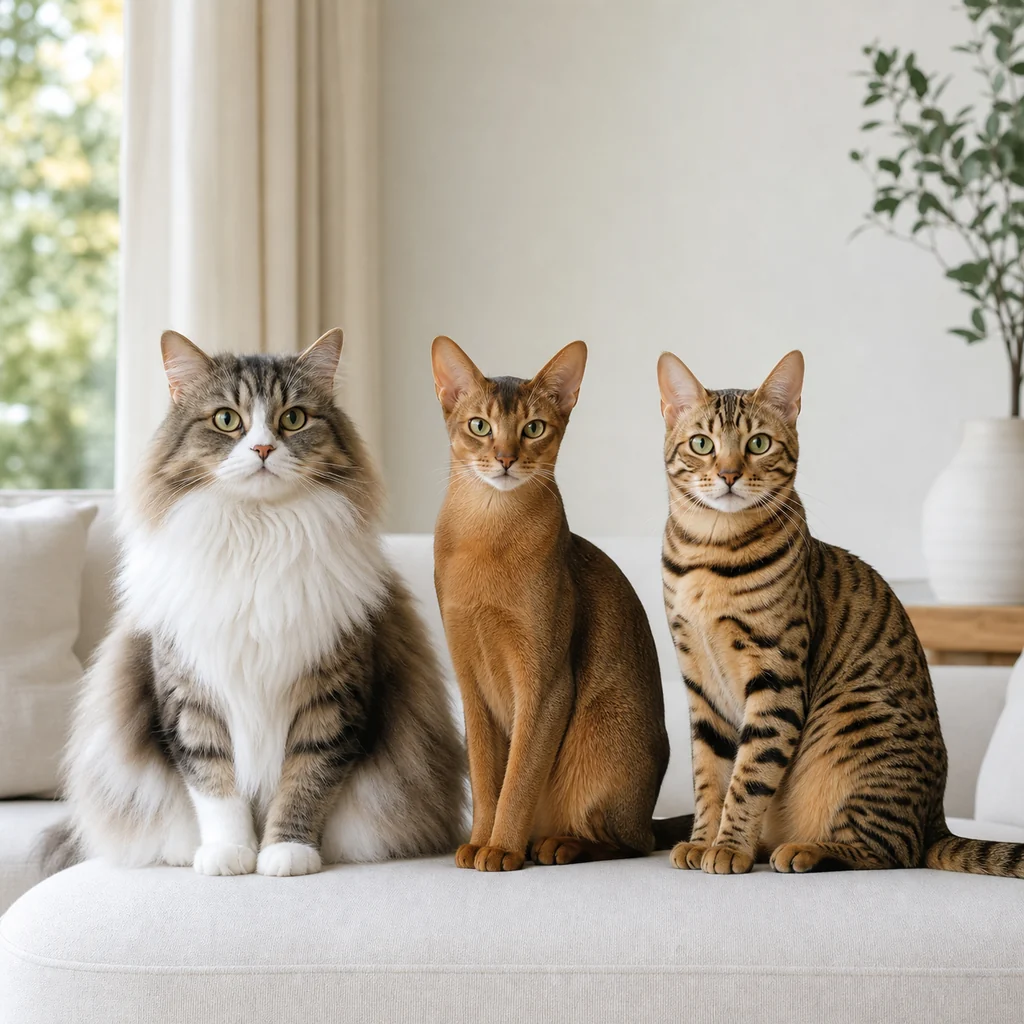
What the name really means
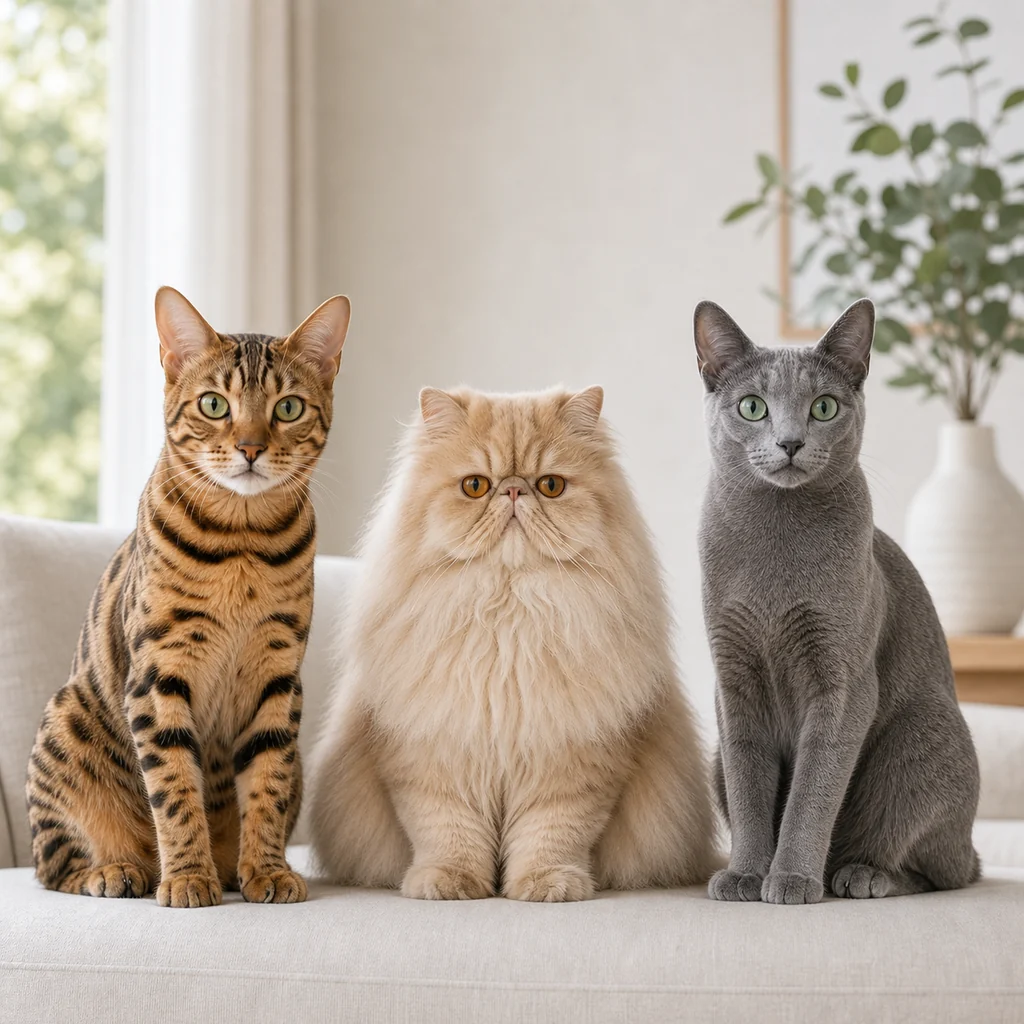
Compare Ragdoll, RagaMuffin, Birman, Burmese, Tonkinese, Maine Coon, Siberian, and Sphynx.
Updated
Choosing a cat
Affectionate cat breeds still need consent, space, and individual expectations.
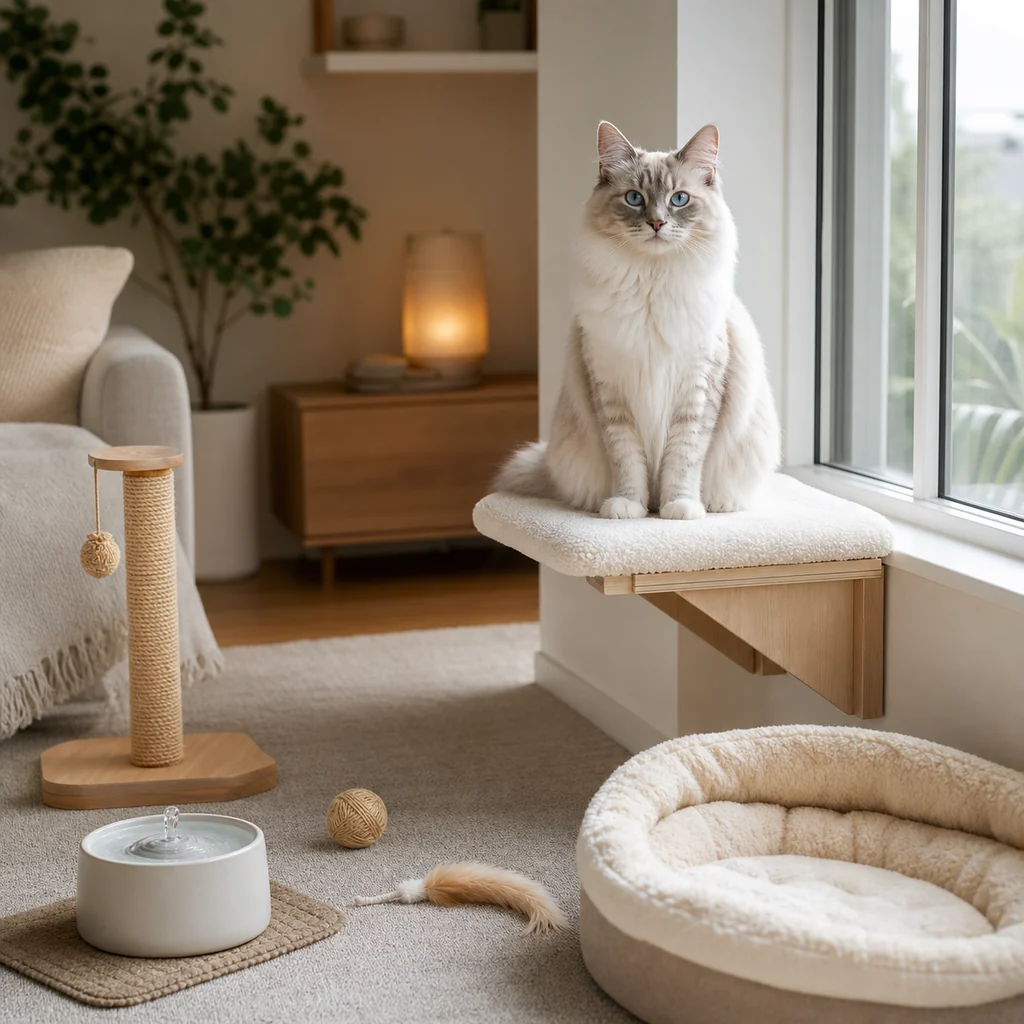
A loving cat is not always a cat who wants to be carried. Affection may look like lap time, following you, sleeping nearby, or slow blinking from a perch.
Compare Ragdoll, RagaMuffin, Birman, Burmese, Tonkinese, Maine Coon, Siberian, and Sphynx.
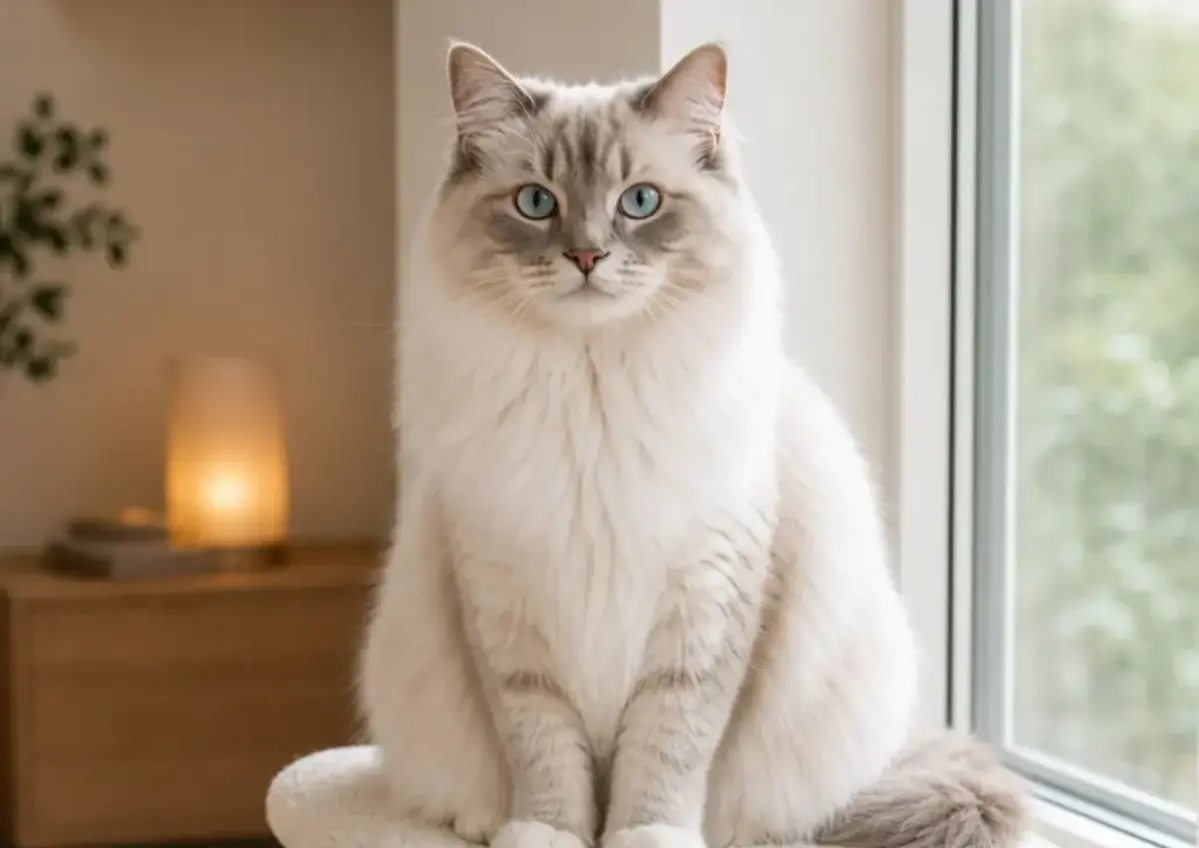
Think about how much closeness you want: a couch companion, a shoulder shadow, a talker, or a cat who checks in and then naps independently.
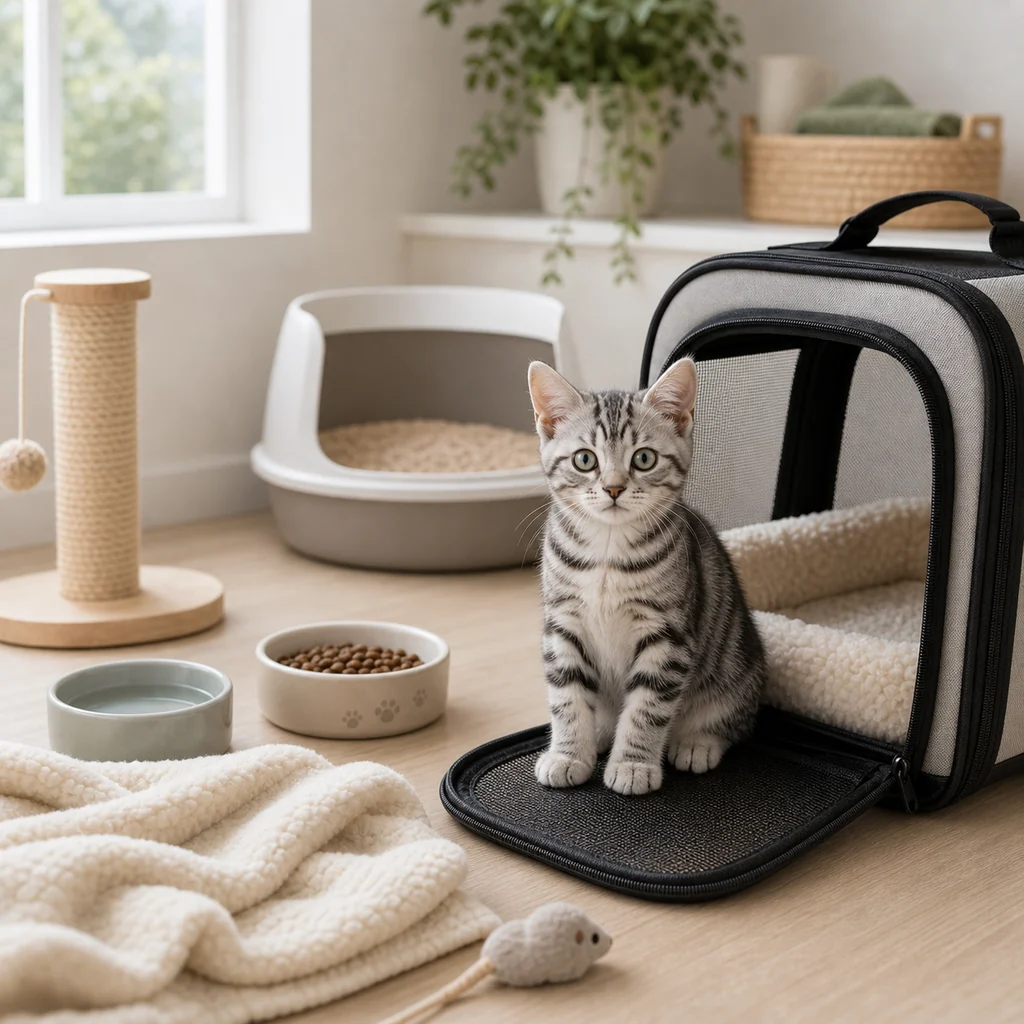
Ask whether the cat likes laps, being picked up, children, visitors, other pets, and whether they get anxious when alone.
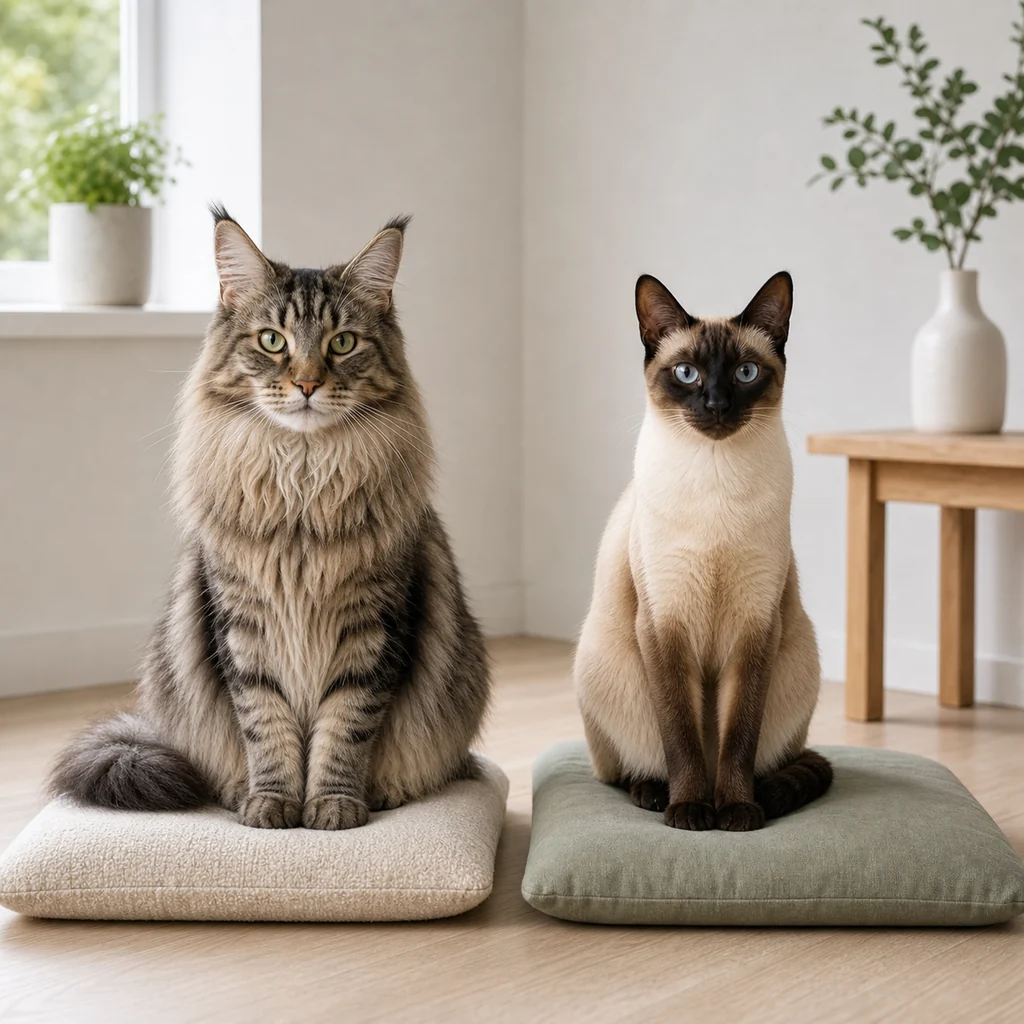
Ragdolls and Birmans can feel gentle in many homes; Burmese, Tonkinese, and Sphynx often want more active involvement.
For affectionate cat breeds, build from the everyday basics: carrier, food station, scratching, and coat care that fit the cat in front of you.
Affiliate links: Furball Cove may earn from qualifying purchases at no extra cost to you.
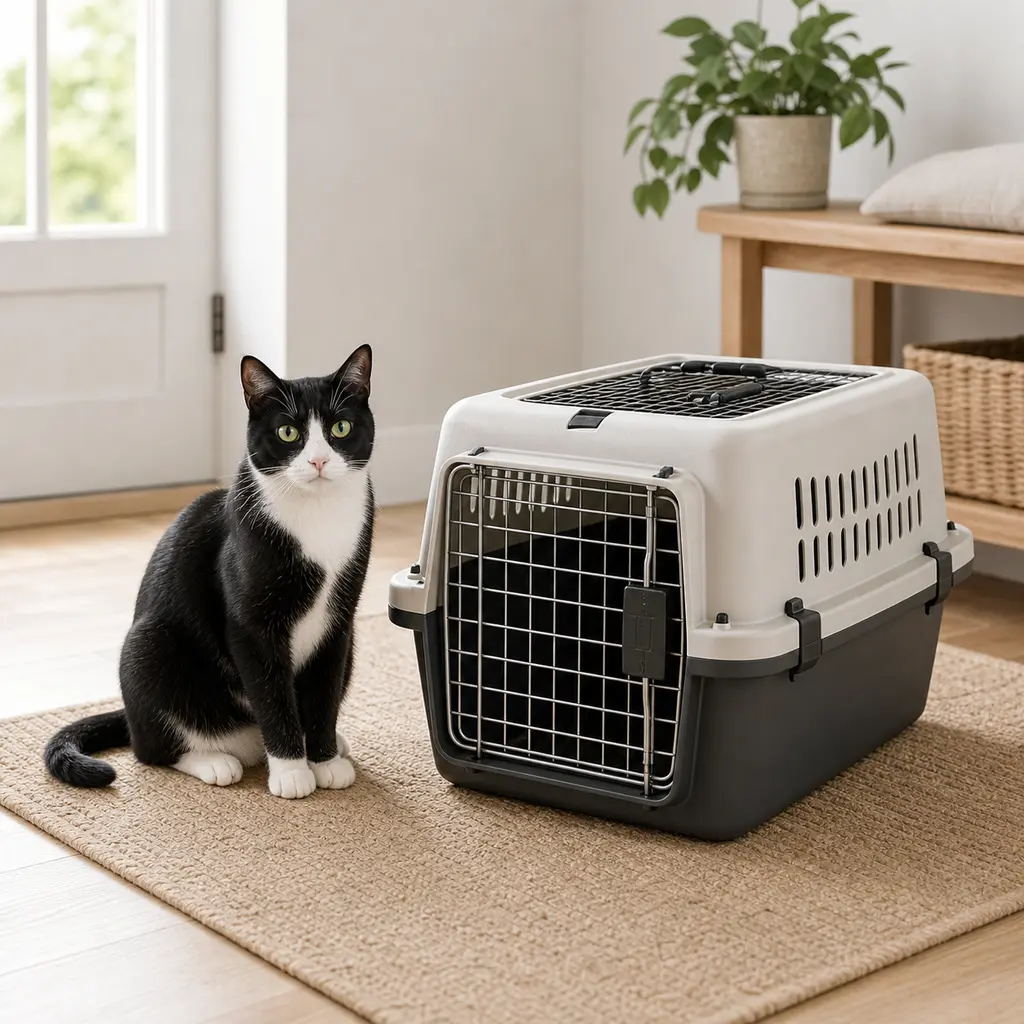
For affectionate cat breeds, choose this when you want to keep travel practical when the carrier has to be opened, wiped, and used again.
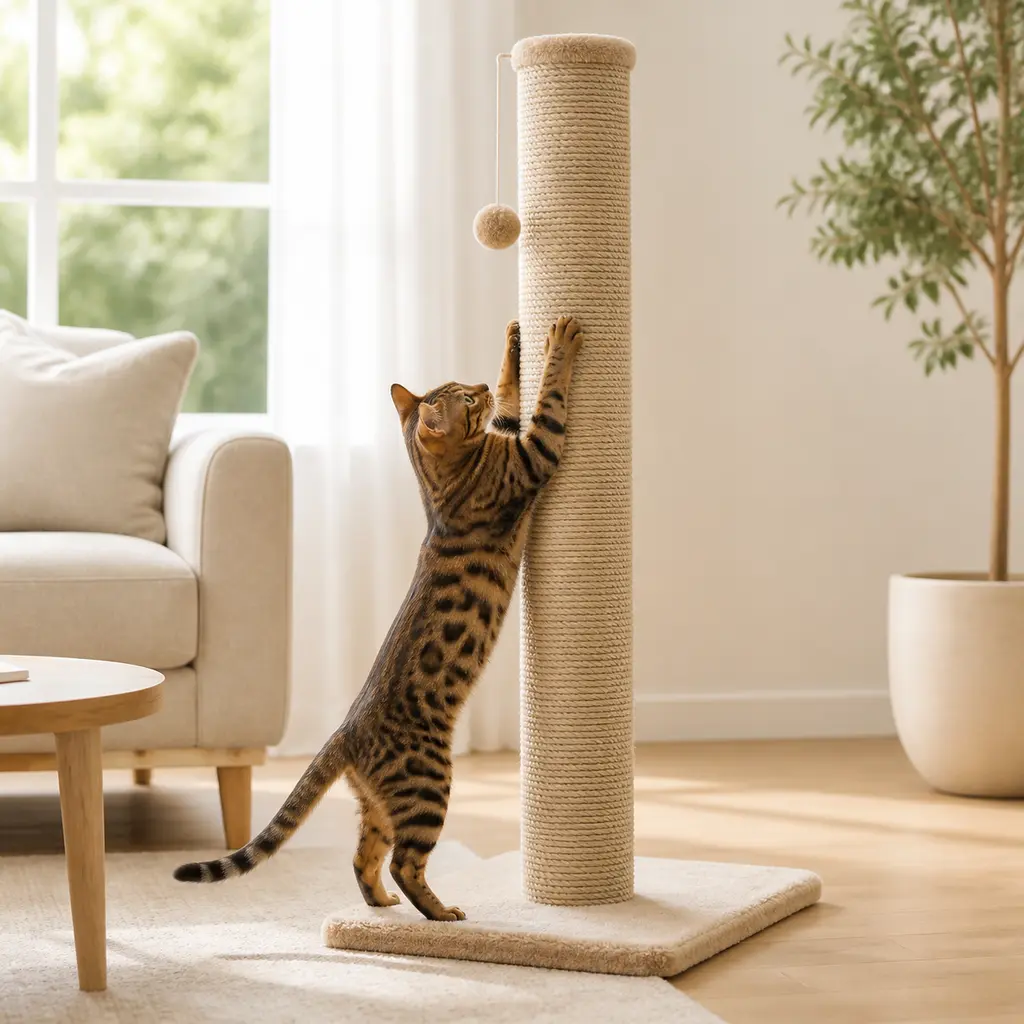
Use it in a affectionate cat breeds routine to make claw care part of the room instead of a scolding moment.
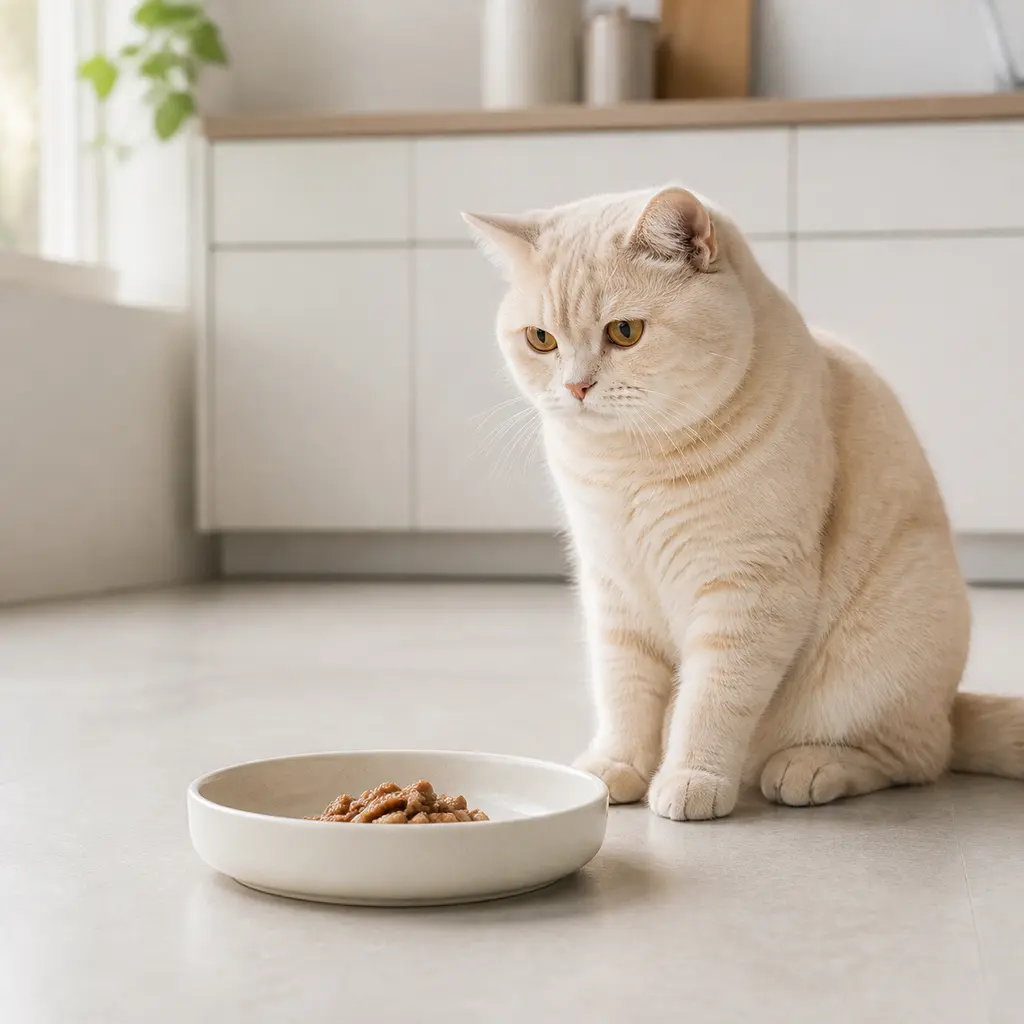
A good pick for affectionate cat breeds: it can give sensitive whiskers more room while keeping the food easy to see.
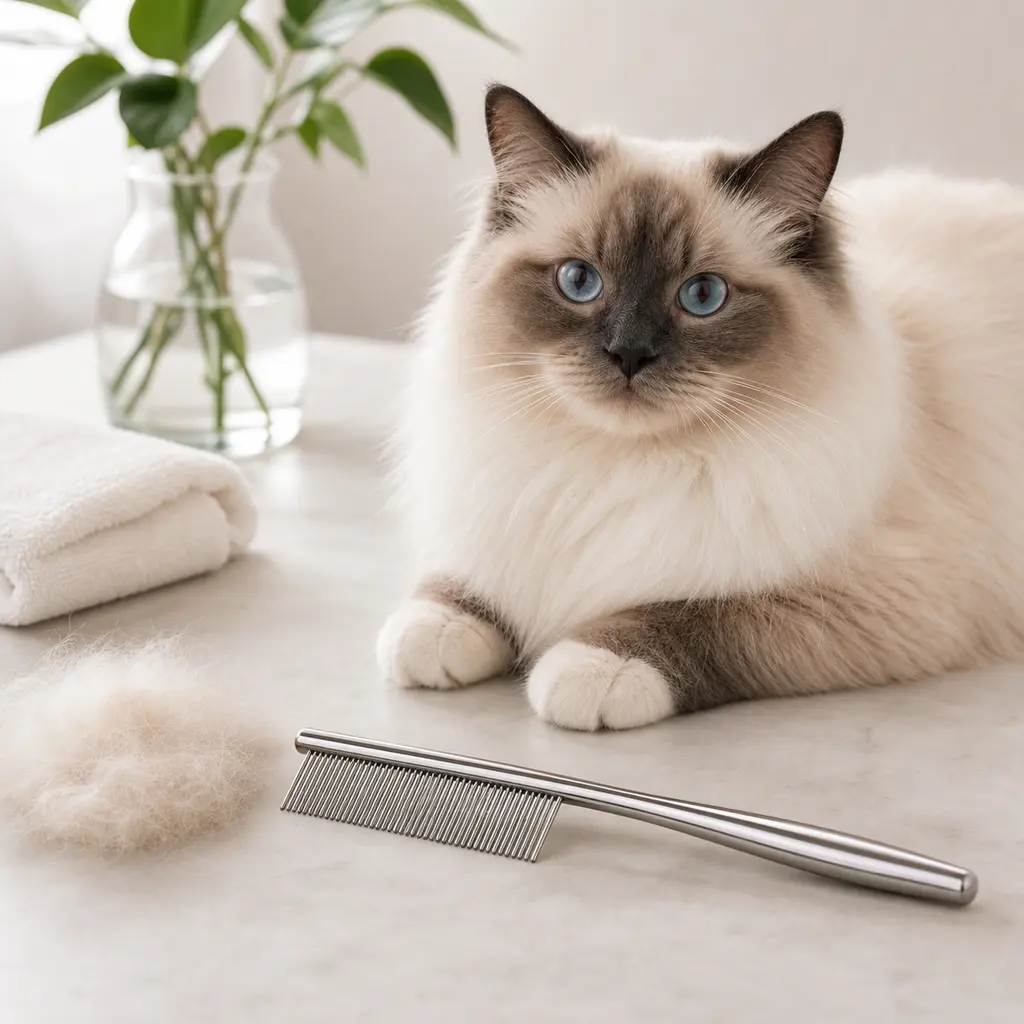
A good pick for affectionate cat breeds: it can make coat checks precise without turning grooming into a long session.
affectionate cat breeds can narrow the search, but the actual cat still matters most. Look for daily fit: food, coat care, play, noise, and comfort with your home.
Slow down when the choice is based mostly on looks, stereotypes, or one cute moment. Ask the rescue, shelter, or breeder about the individual cat's routine before deciding.