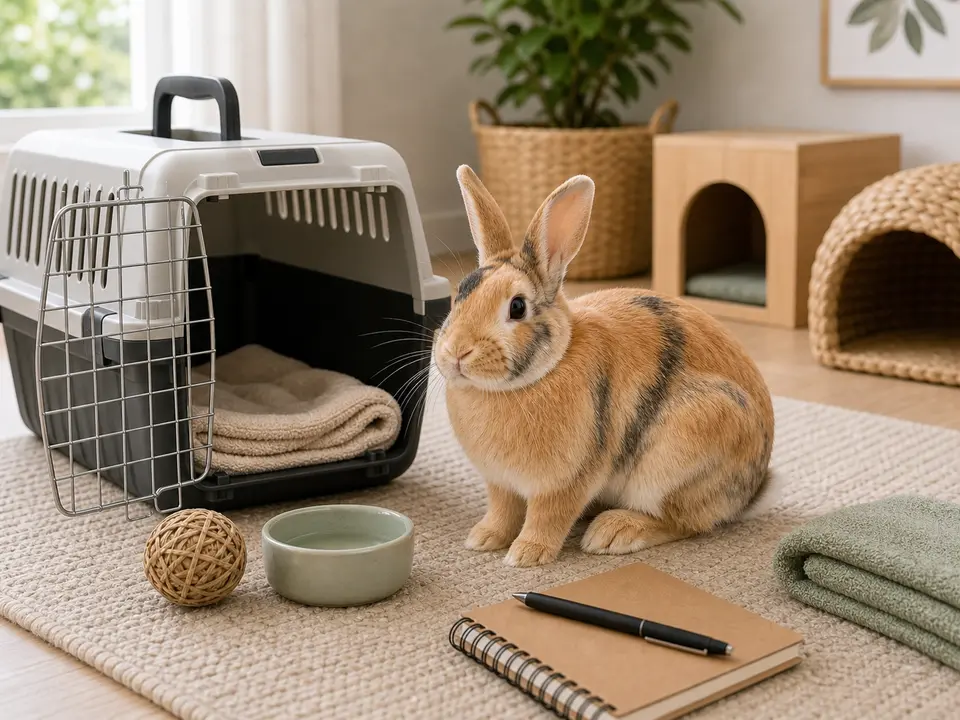
Small rabbit poops usually mean your rabbit's gut is moving more slowly than usual, often because they are eating less hay, drinking less, feeling stressed, uncomfortable, or starting to feel unwell. Check appetite, hay interest, water, energy, and the number of poops together; if poops are getting smaller, fewer, or your rabbit is not eating normally, call a rabbit-savvy vet.
Rabbit poop is one of the clearest daily clues you have. A few smaller pellets after a stressful moment may settle, but a pattern of tiny, dry, misshapen, or fewer poops deserves attention because it often tracks with appetite and gut comfort.
What small poops usually mean
Small poops are usually not a litter-training issue. They often show that less food and fiber are moving through your rabbit. Look at the whole day: hay eaten, water touched, greens interest, posture, and whether the poop count is normal or dropping.
Check hay and appetite first
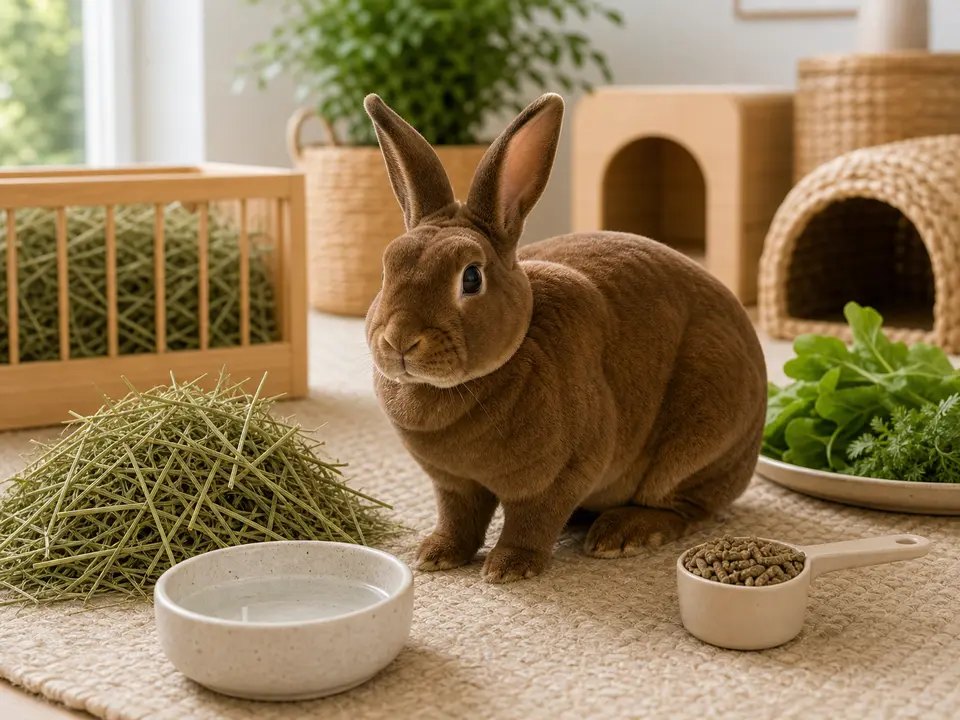
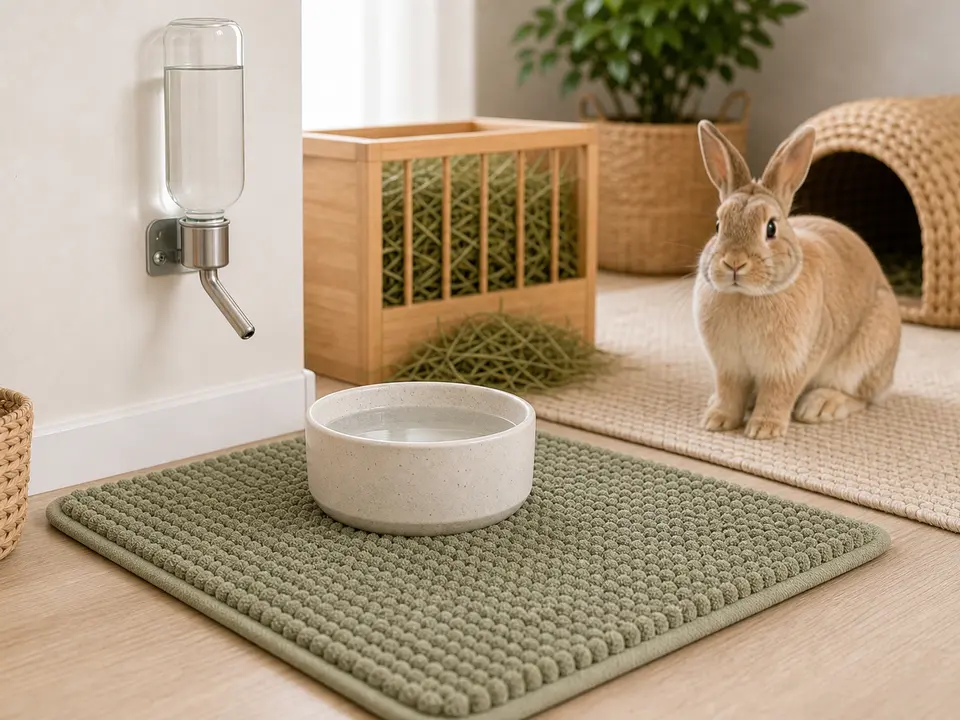
Hay is the daily engine. If your rabbit is picking at hay, ignoring a favorite food, sitting quietly, or only wanting treats, the small poops matter more. Refill fresh hay, offer water nearby, and pay attention to whether eating returns to normal instead of assuming your rabbit is being picky.
Look at number, size, and dryness
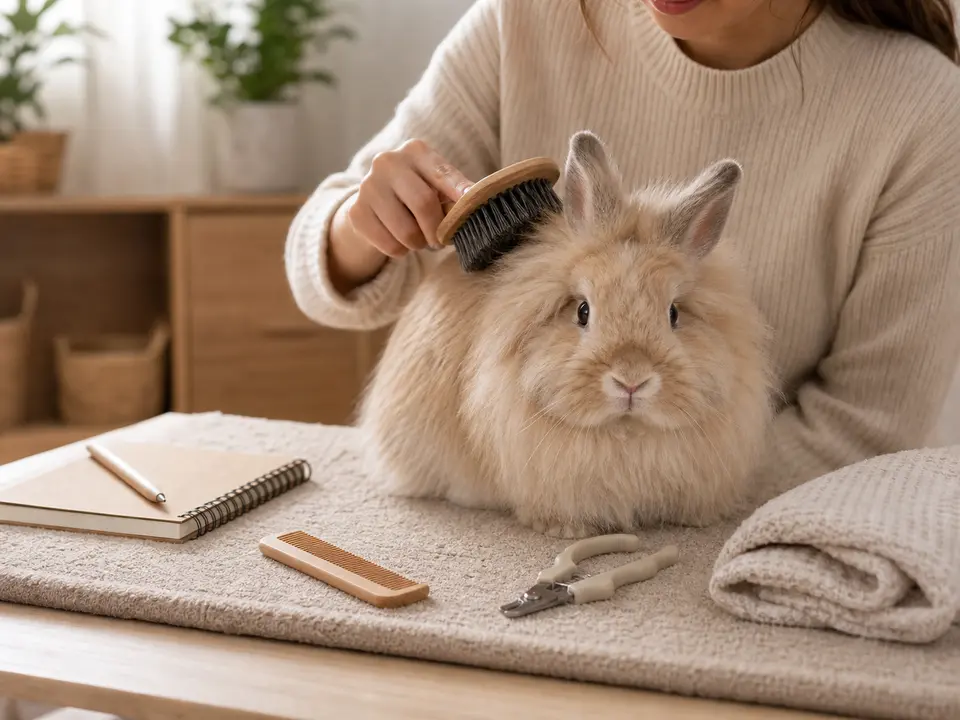
One odd pellet is less useful than the pattern. Tiny dry poops, fewer poops, strings of fur-linked poops, or pellets that keep shrinking can point to stress, dehydration, shedding, dental discomfort, pain, or a gut slowdown. Take a photo if the change is hard to describe.
Reduce stress while you watch
Keep the room calm, leave hay and water within easy reach, and avoid a big cleaning project or long handling session while your rabbit seems off. If the change followed travel, loud noise, bonding stress, a new food, or molting, that context can help you decide what changed.
When to call the vet
Call a rabbit-savvy vet if small poops come with less eating, fewer or no poops, a hunched posture, a swollen or painful-looking belly, drooling, weakness, fast breathing, or a rabbit who refuses favorite food. Rabbits can go downhill quickly when appetite and poop change together.
Use the litter box as a daily check
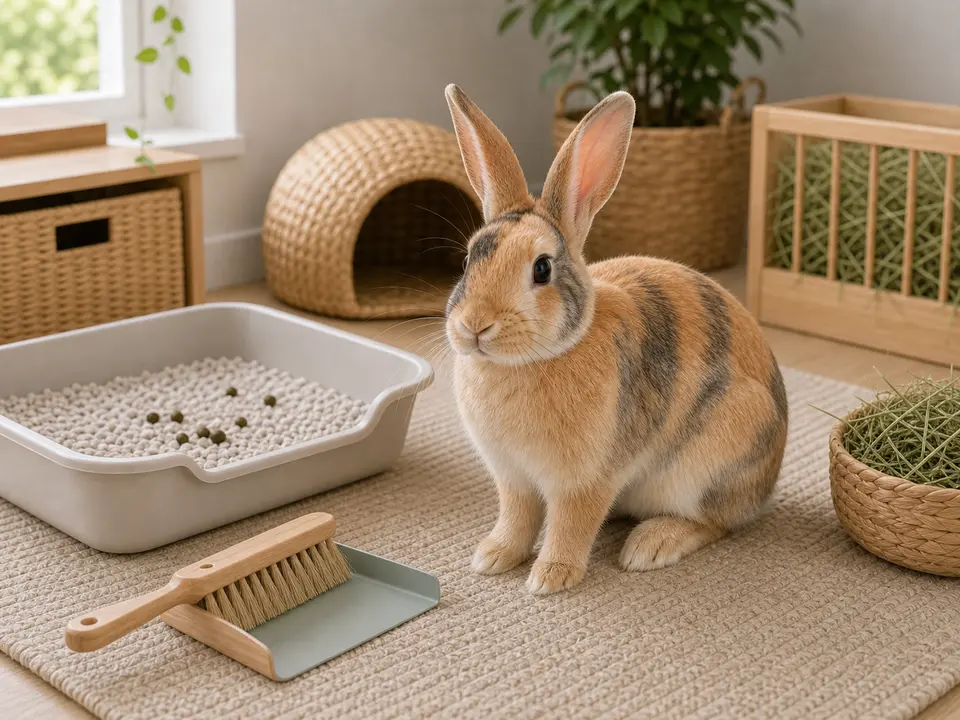
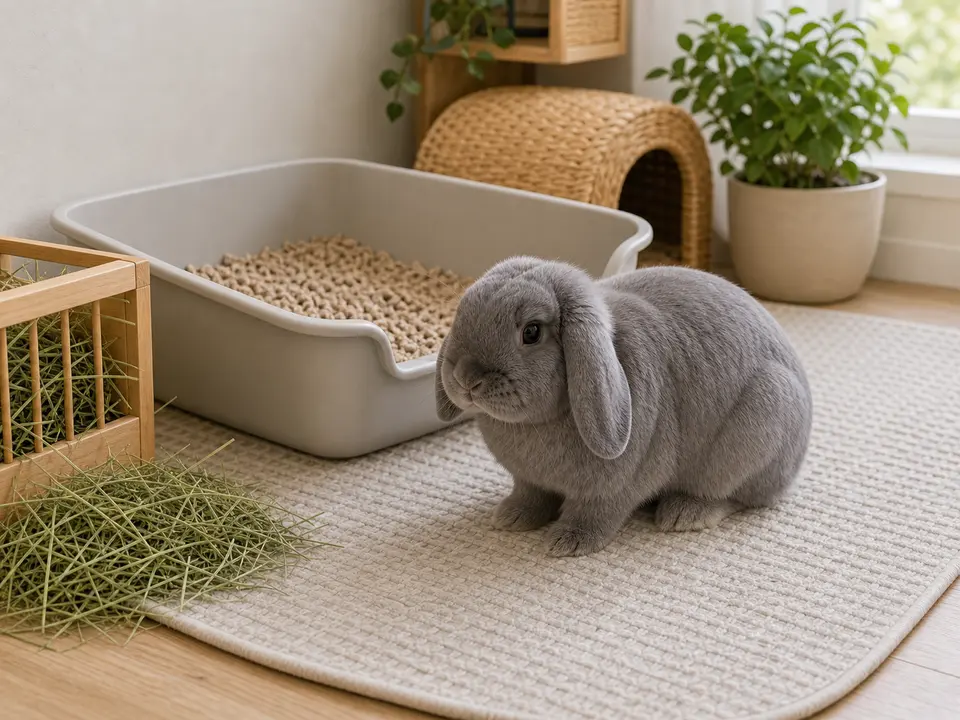
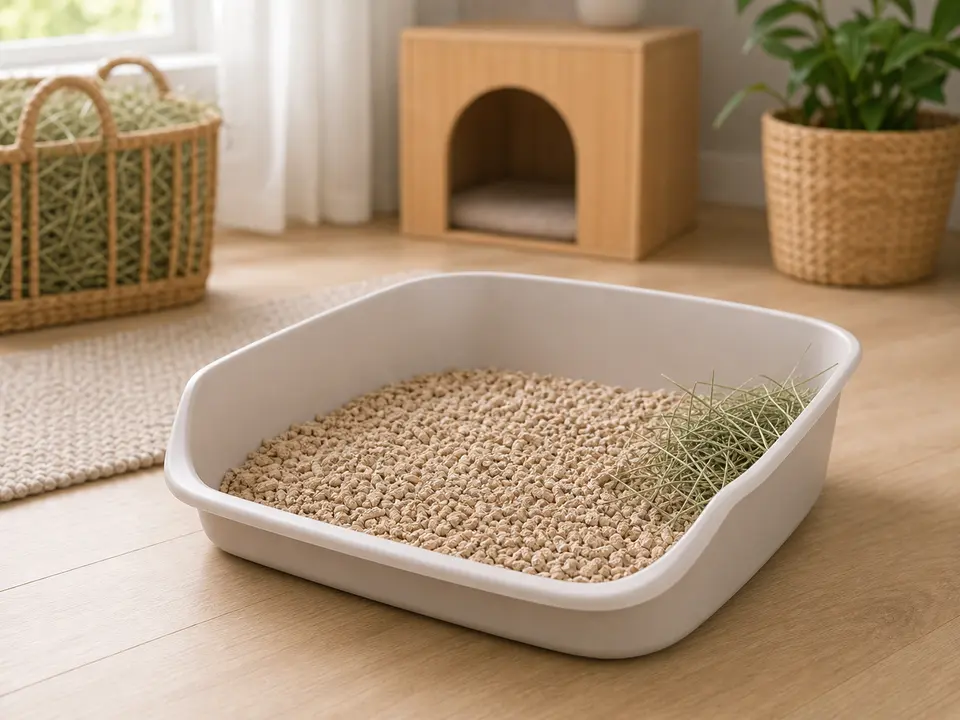
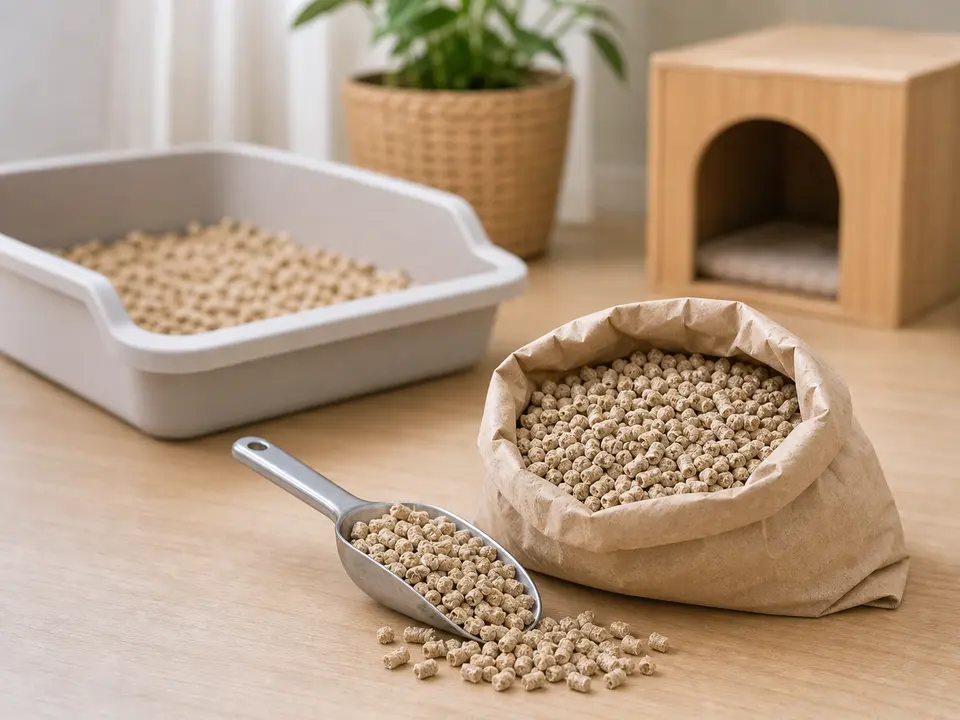
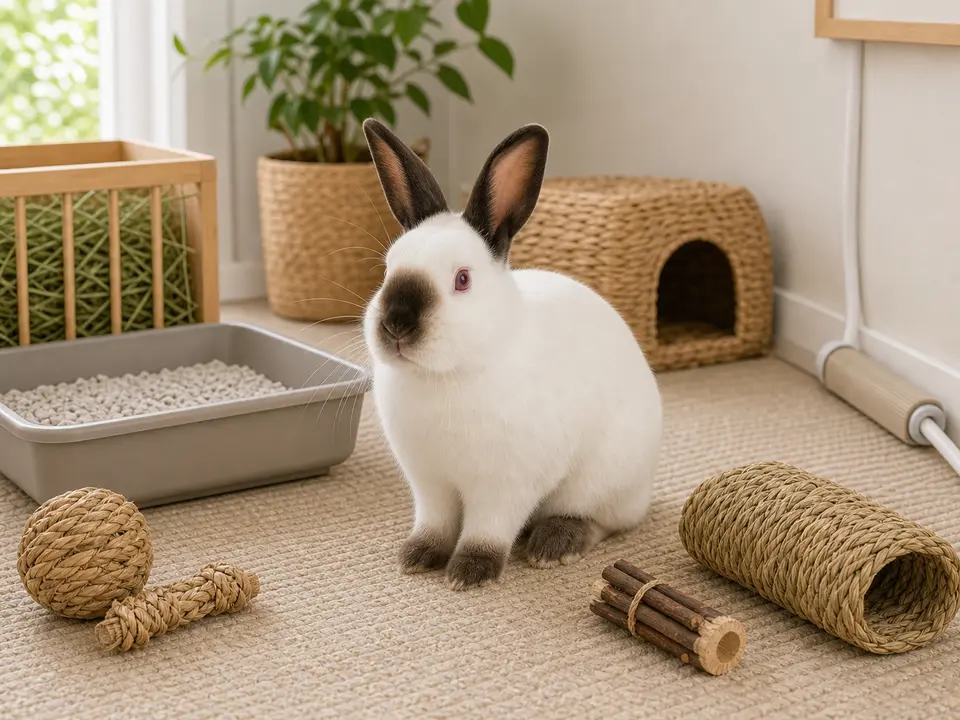
Make poop easy to notice by keeping the box simple: paper-based litter, hay at one end, and a quick daily reset. When the normal size and number are familiar, small changes stand out sooner and you can act before guessing becomes the whole plan.
Before you decide
Are the poops smaller, fewer, drier, or oddly shaped compared with normal?
Is your rabbit eating hay normally today?
Has water intake, energy, posture, or favorite-food interest changed?
Did stress, travel, molting, a new food, or a room change happen recently?
Would you call a rabbit-savvy vet if appetite and poop are both off?
Next best moves
Treat small poops as a gut and appetite clue, not as ordinary mess.
Check hay, water, energy, posture, and poop count together.
Take a photo of the litter box if you may need to describe the change.
Call a rabbit-savvy vet when small poops pair with less eating, fewer poops, pain signs, weakness, or a rabbit who refuses favorite food.
Litter tools that make the habit easier
These are practical pieces for the routine, not clutter to buy all at once.
Affiliate links: Furball Cove may earn from qualifying purchases at no extra cost to you.
Small poops often mean your rabbit is eating less hay, drinking less, stressed, uncomfortable, shedding heavily, or starting to feel unwell. Look at appetite and poop count together.
Are small rabbit poops an emergency?
Small poops are more concerning when they are fewer, keep shrinking, or come with less eating, low energy, pain signs, or no interest in favorite foods. That is when you should call a rabbit-savvy vet promptly.
Can stress make rabbit poops smaller?
Yes, stress can affect eating and gut rhythm. Travel, loud noise, bonding tension, a new room, or a big routine change can all matter, but appetite and poop still need close attention.