Signs of heat stress in rabbits can include fast breathing, hot or red ears, lying stretched out, drooling or a wet chin, weakness, wobbliness, confusion, and eating or pooping less than normal. Move your rabbit to a cooler quiet spot. Call a rabbit-savvy vet if the signs are strong, sudden, or not improving quickly.
Rabbits can struggle with heat before a room feels unbearable to people. The useful question is what looks different from your rabbit's normal: breathing, posture, energy, appetite, water interest, and litter-box output.
Signs you may see first
Watch for quick shallow breathing, hot ears, a rabbit lying flat and unwilling to move, dampness around the mouth, weakness, wobbliness, or a rabbit who suddenly looks dull. Drooling during a heat scare belongs on the vet-call list, especially if appetite or poop output also changes.
Check the room at floor level
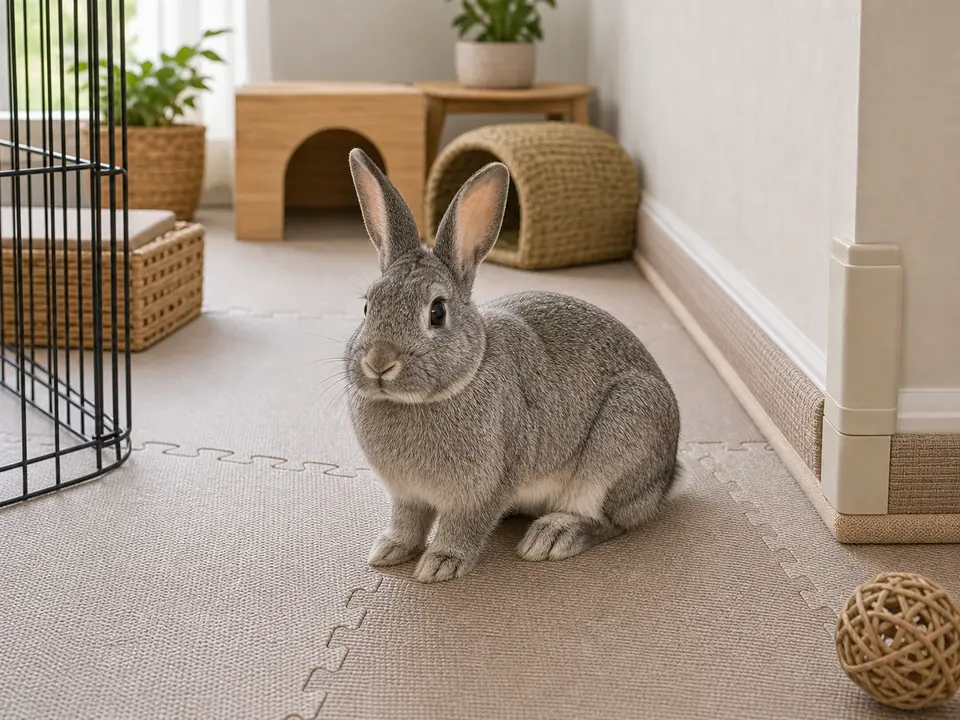
Heat collects differently where your rabbit lives. Kneel near the pen, hideout, sunny window, rug, or carrier and feel what the air is like there. Shade, airflow, cool flooring, and fresh water matter more than whether the room feels fine from the couch.
Cool gently and calmly
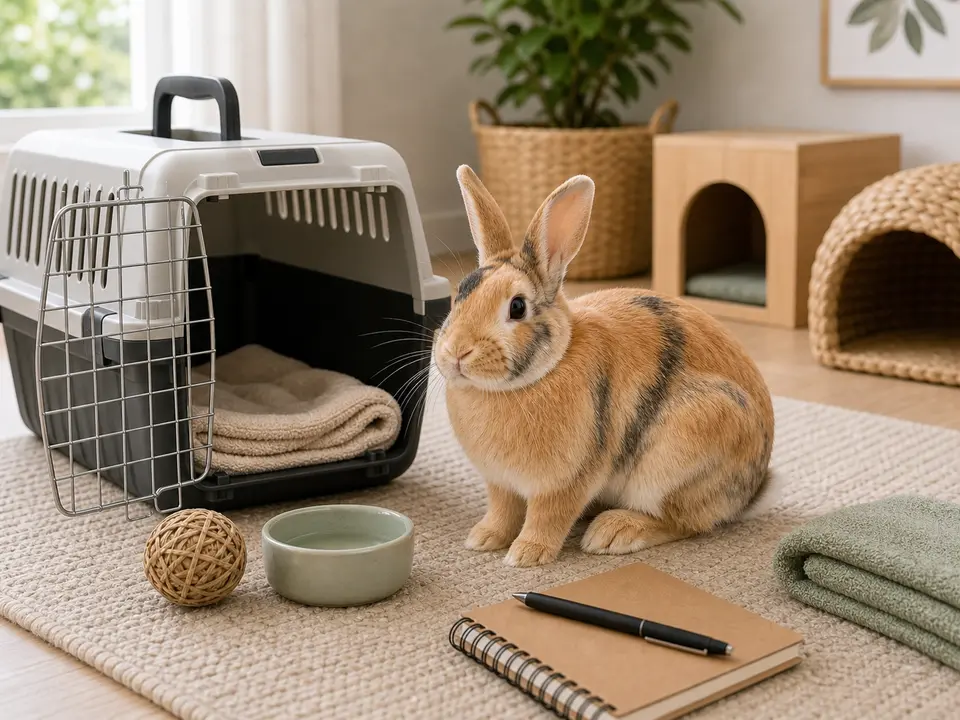
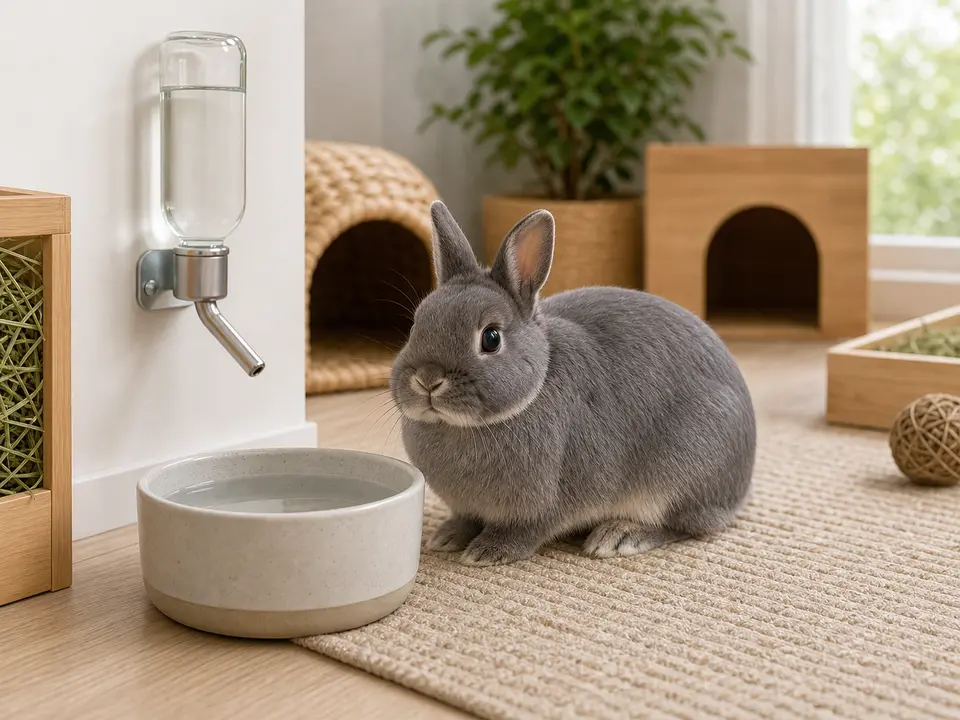
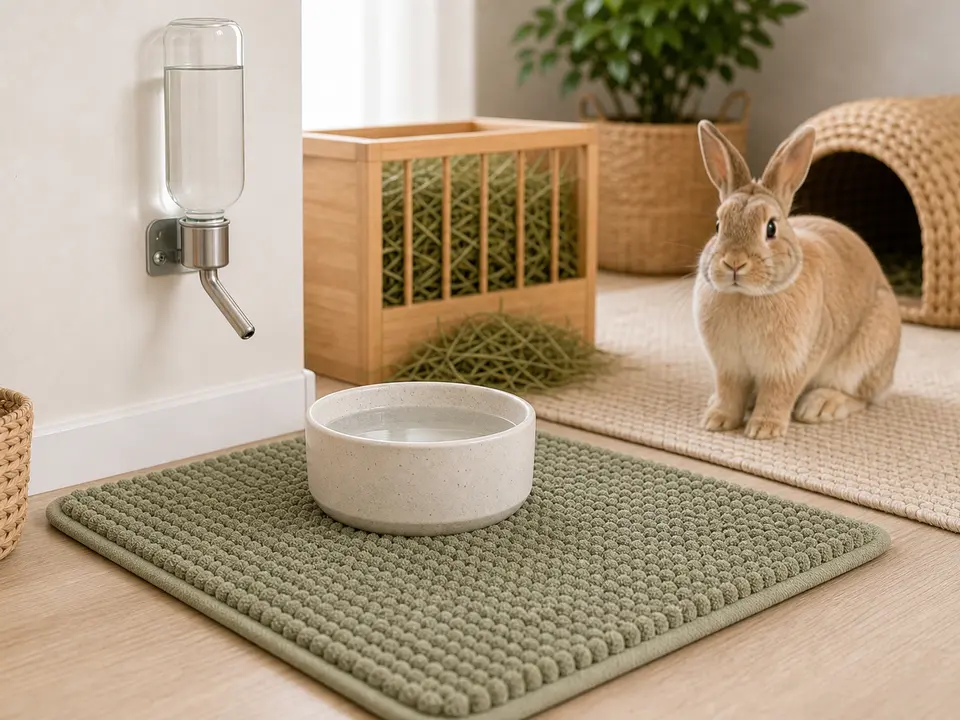
Move your rabbit out of sun or a hot room near the pen. Set down a water bowl, improve airflow, and let them rest on cool flooring or a shaded tile. Do not trap them under wet blankets, and do not make them drink. The goal is calm cooling while you decide whether the signs are settling or need veterinary help.
Watch appetite and poops
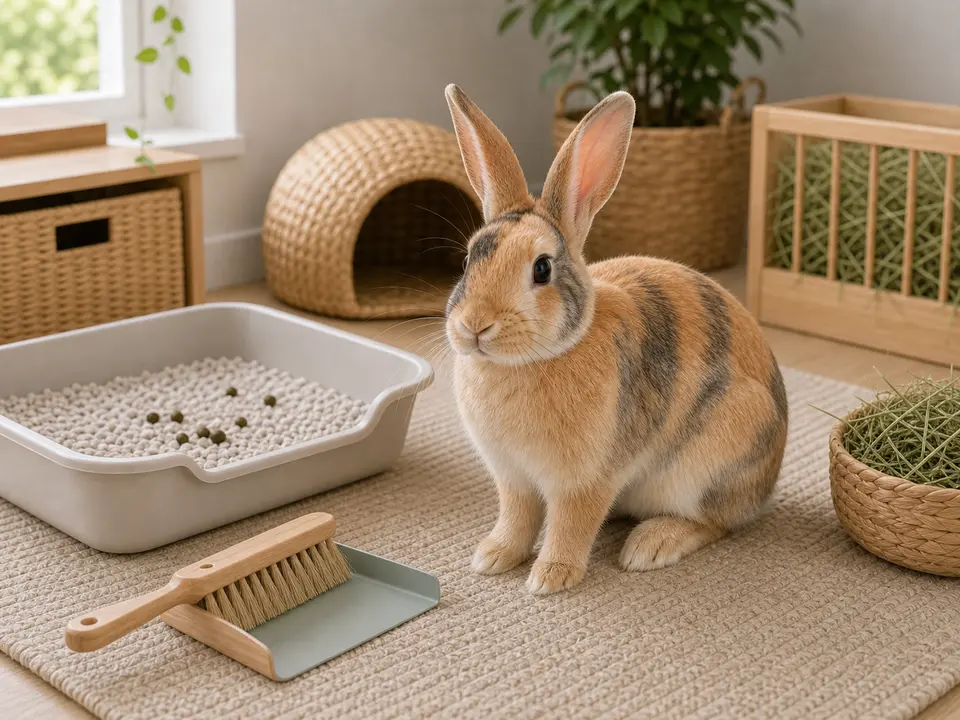
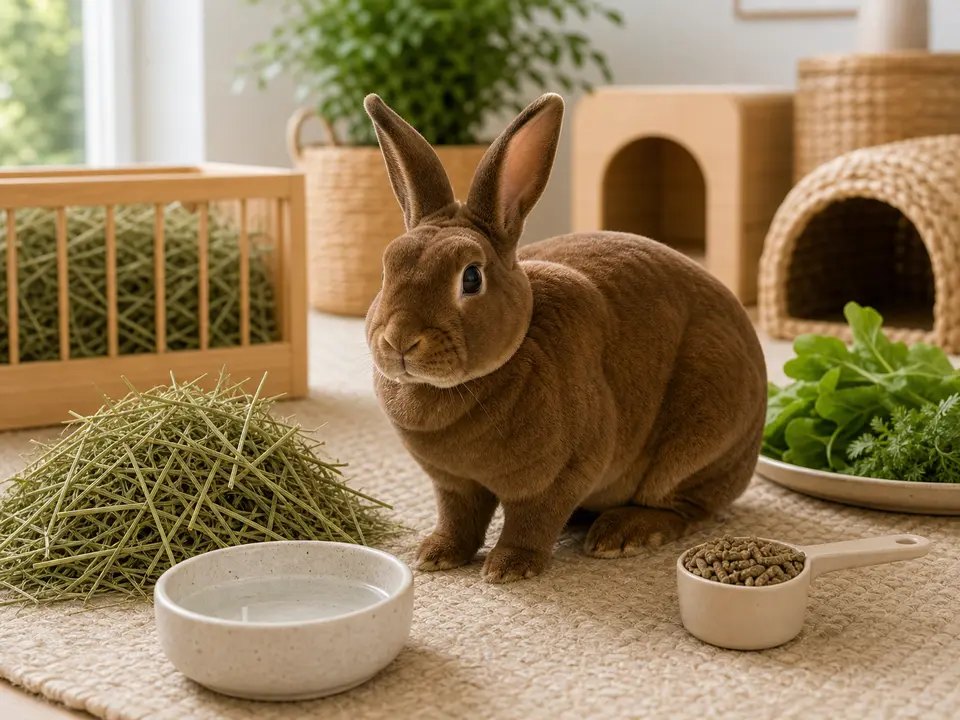
After a heat scare, keep checking the ordinary clues: hay interest, water, poop size and number, breathing, and whether your rabbit moves normally. A rabbit who cooled down should start looking like themselves again, not stay quiet in a corner. Keep the next few hours calm and easy to observe.
When this needs a vet
Call a rabbit-savvy vet right away if breathing is labored. The same goes for weakness, confusion, drooling, collapse, not eating, fewer or no poops, or no improvement after you move them to a cooler place. Heat stress can become serious quickly.
Prevent the repeat problem
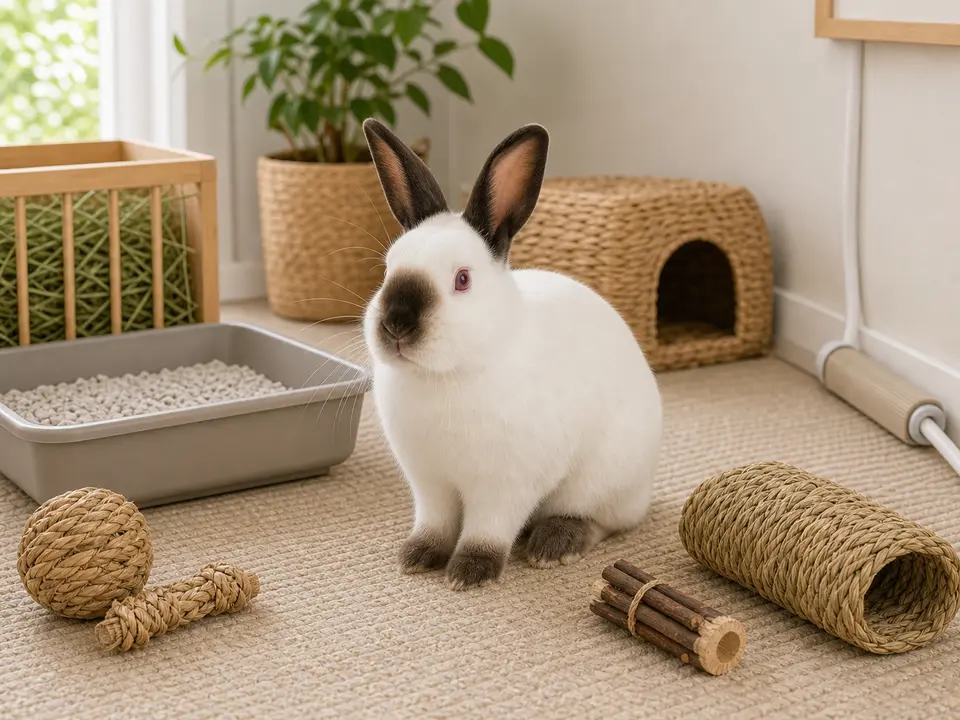
Plan warm days before they arrive. Keep shade, ventilation, water, cool flooring, and a hideout that does not trap heat. If your rabbit is older, very young, overweight, long-haired, stressed, or already unwell, check the room and the rabbit more often.
Before you decide
Is your rabbit breathing faster than normal or lying flat and unwilling to move?
Do the ears feel hot or look unusually red?
Would you call your vet for drooling, weakness, wobbliness, confusion, or low energy?
Has eating, water interest, or poop output changed?
Can your rabbit reach shade, airflow, cool flooring, and fresh water right now?
Next best moves
Move your rabbit to shade or a cooler room when heat signs appear.
Offer water and airflow, but do not make your rabbit drink or trap heat with heavy wet coverings.
Watch appetite, poop, breathing, posture, and energy after the room cools.
Call a rabbit-savvy vet if signs are strong, sudden, or not improving quickly.
Useful supplies to keep the care routine clear
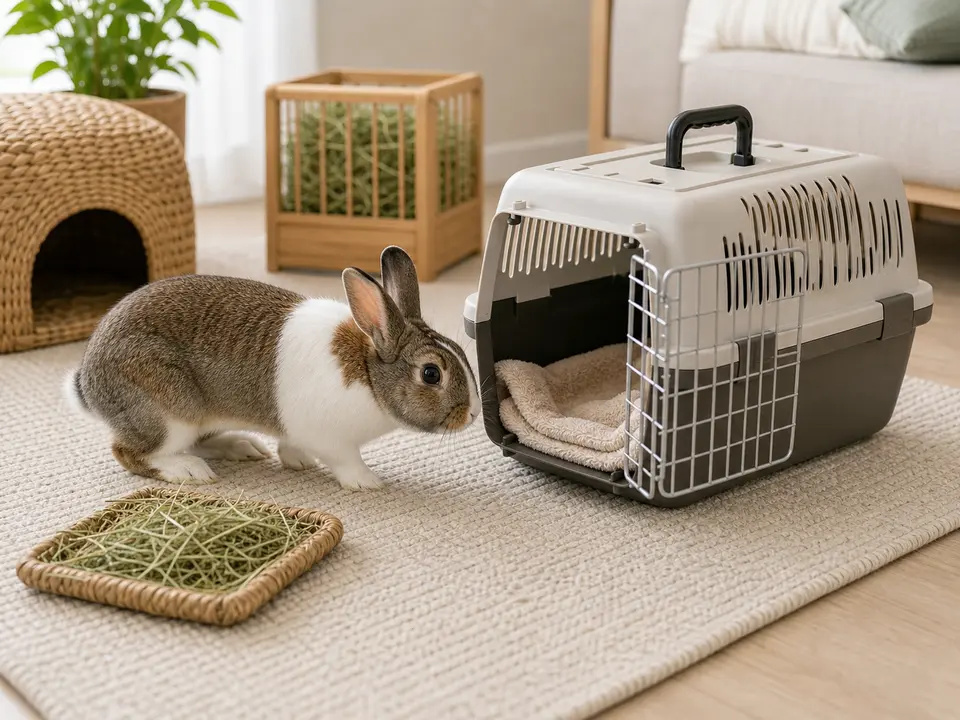
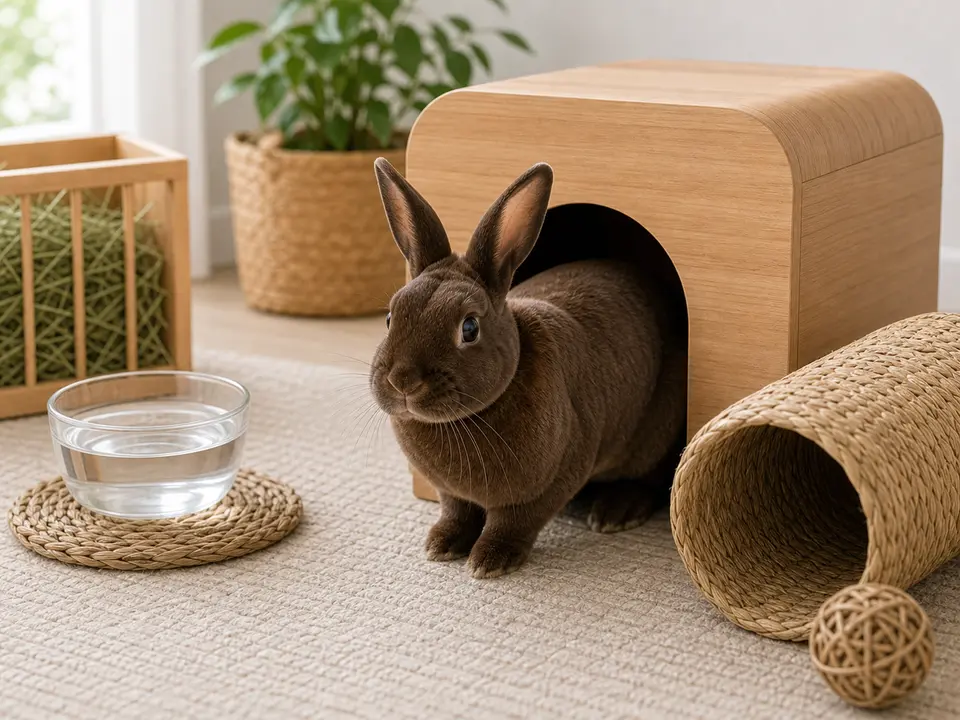
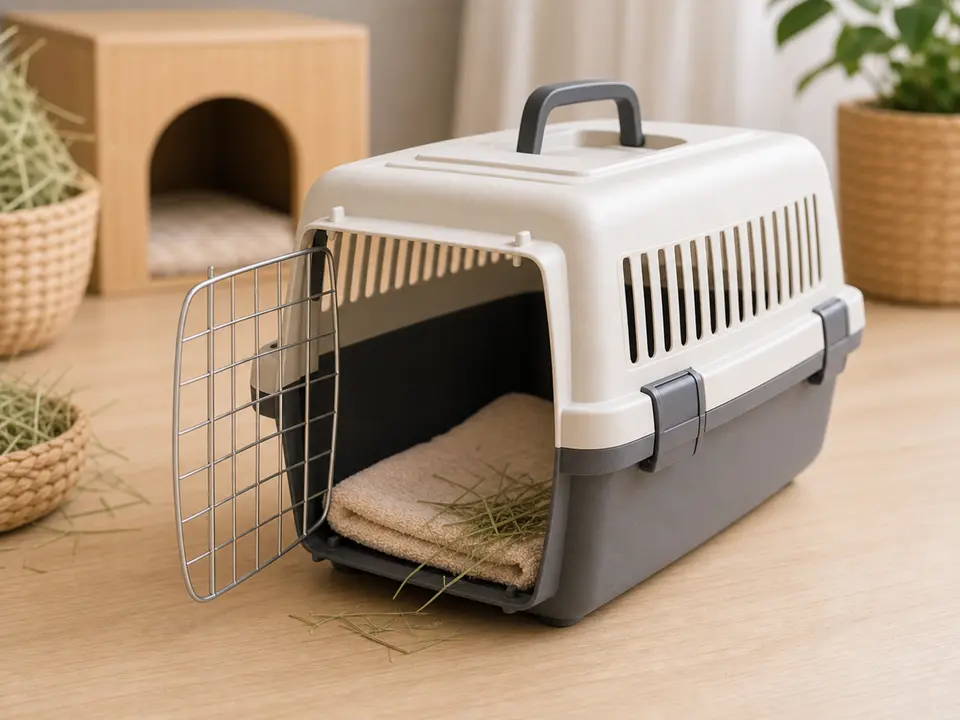
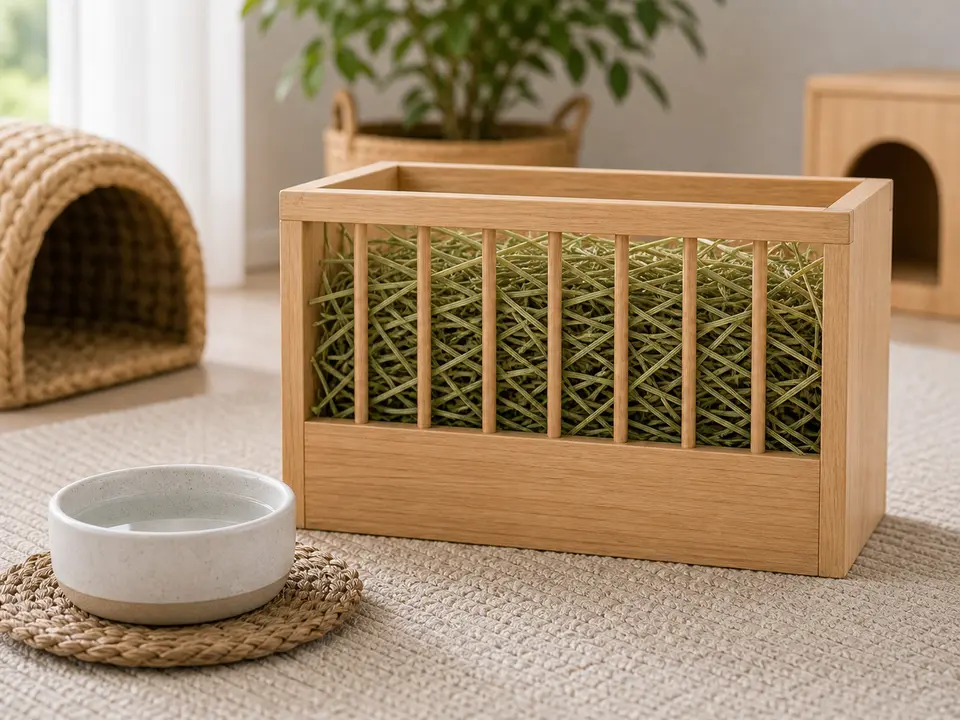
These do not replace a rabbit-savvy vet. They make transport, water, hay access, and observation easier while you follow the care plan.
Affiliate links: Furball Cove may earn from qualifying purchases at no extra cost to you.
Fast breathing, hot or red ears, lying stretched out, low appetite, and fewer poops can all be heat stress signs. Call a rabbit-savvy vet for drooling, weakness, wobbliness, confusion, collapse, or signs that do not improve quickly.
What should I do first if my rabbit seems too hot?
Move them to shade or a cooler room, offer water, improve airflow, and let them rest on a cooler surface. Call a rabbit-savvy vet if the signs are strong or do not settle quickly.
Can rabbits handle hot rooms?
Rabbits do not handle heat well, especially if they cannot reach shade, airflow, water, or a cooler surface. Check the temperature where your rabbit actually rests, not just where people sit.