Sore hocks are irritated or wounded areas on the underside of a rabbit's feet, most often around the heel. You might notice thinning fur, redness, scabs, swelling, limping, sitting differently, or a rabbit who avoids hard, damp, rough, or slippery flooring.
A rabbit's feet are built for soft, grippy ground. When pressure, damp litter, rough flooring, excess weight, long nails, or limited movement keeps rubbing the same spot, the underside of the foot can get sore. The goal is to spot it early and make the floor kinder while a rabbit-savvy vet checks anything painful, open, swollen, or worsening.
What sore hocks look like
Early sore hocks may look like thinner fur or a pink patch on the bottom of the foot. More serious spots can look red, scabby, swollen, cracked, damp, or painful. You may also notice limping, less hopping, or a rabbit who sits with weight shifted away from one foot.
Why flooring matters
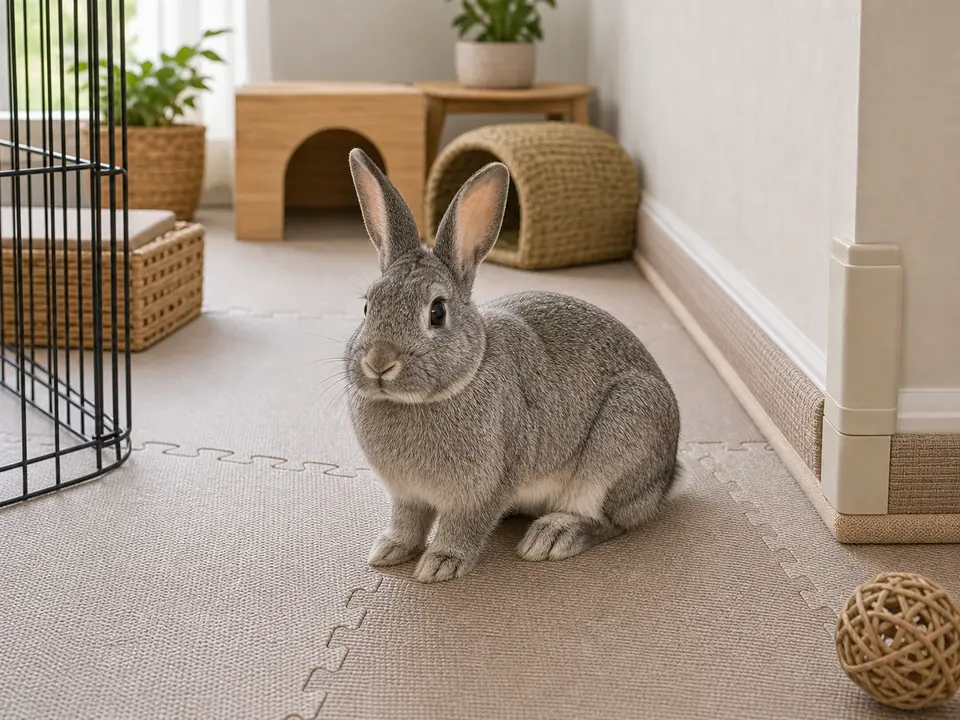
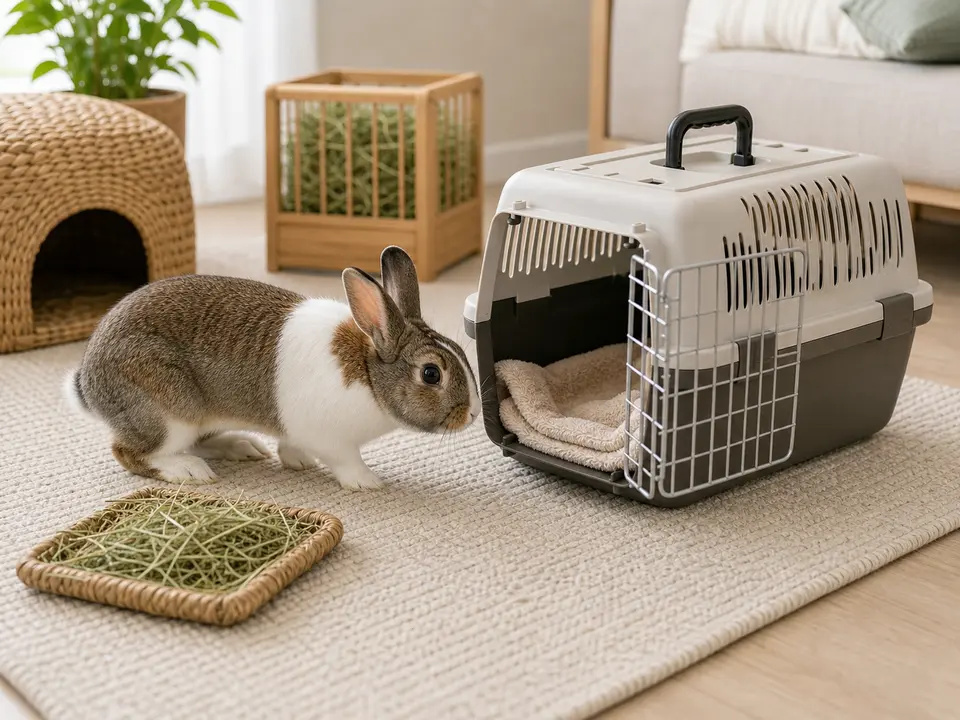
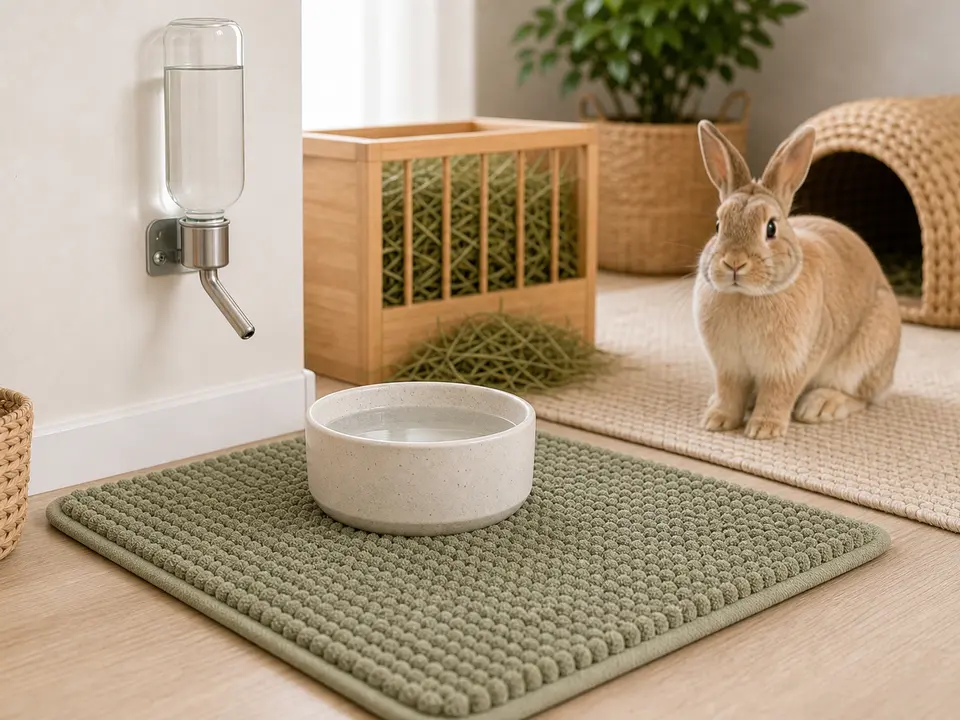
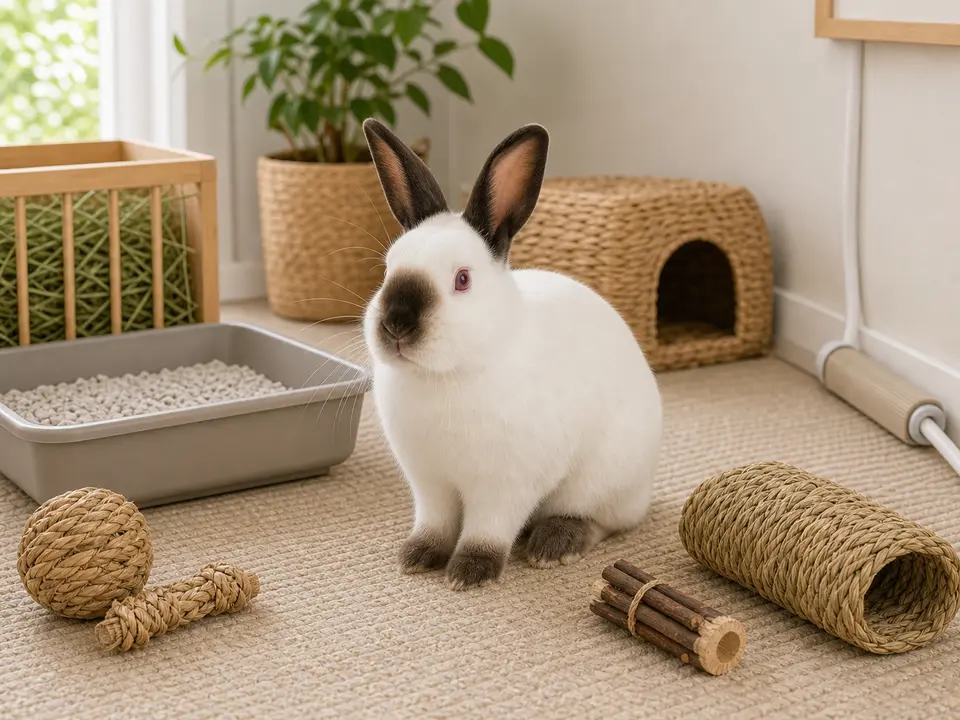
Hard floors, slick mats, wire, rough carpet, and damp bedding can all make feet work harder. Give your rabbit soft traction: washable rugs, fleece over absorbent layers, or mats that stay dry and do not slide. The floor should protect the foot, not sand it down.
Check nails, weight, and damp spots
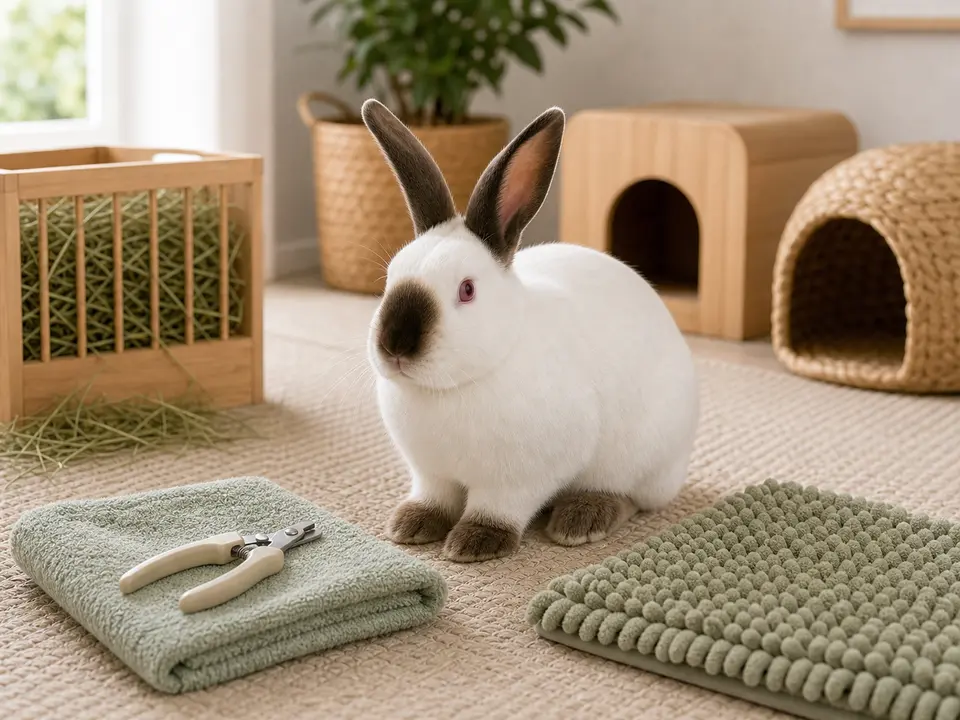
Long nails can change how the foot meets the floor, and damp litter can irritate skin fast. Keep nails trimmed, clean wet areas daily, and notice whether your rabbit is gaining weight, moving less, or spending most of the day on one surface. Those details matter when feet start looking sore.
Make the setup softer
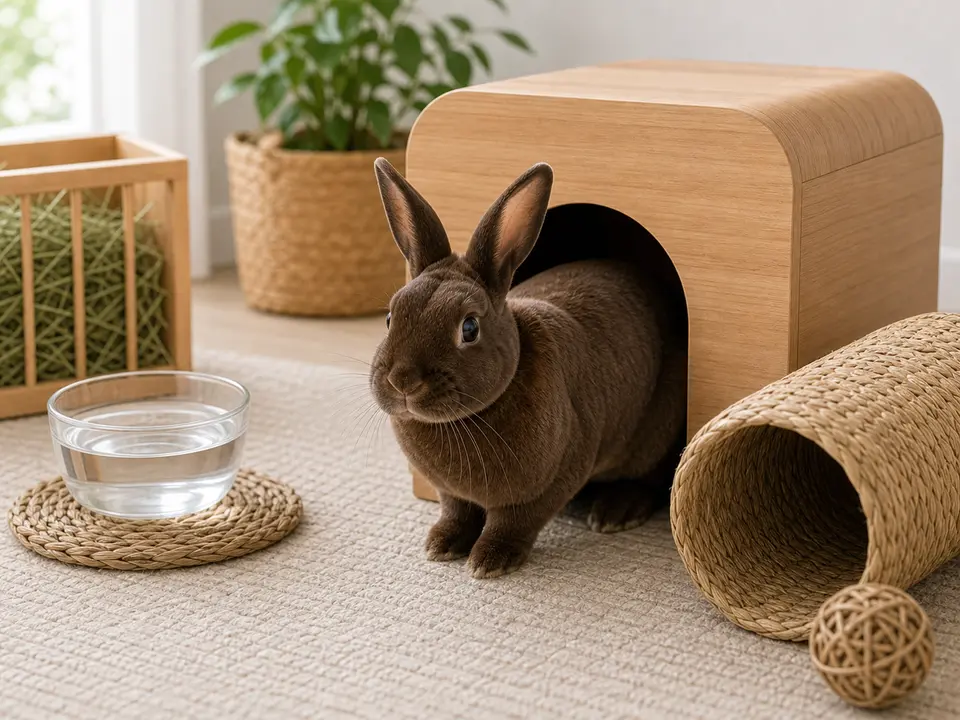
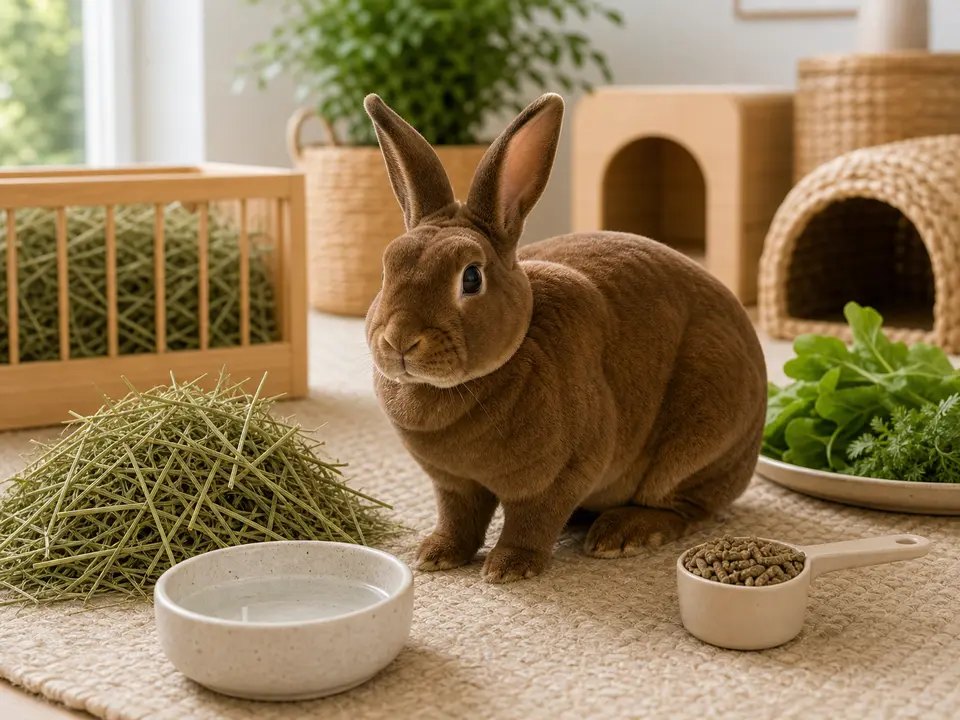
Add gentle resting areas near hay and water so your rabbit is not forced to cross slick floor for every normal need. A low hideout, roomy litter box, clean bedding, and grippy path can reduce daily pressure while you watch whether the foot looks better or worse.
When a vet should see it
Call a rabbit-savvy vet if the skin is open, bleeding, swollen, oozing, hot, painful, spreading, or your rabbit is limping or eating less. Home flooring changes can support comfort, but they cannot diagnose infection or pain that needs treatment.
Keep checking after it improves
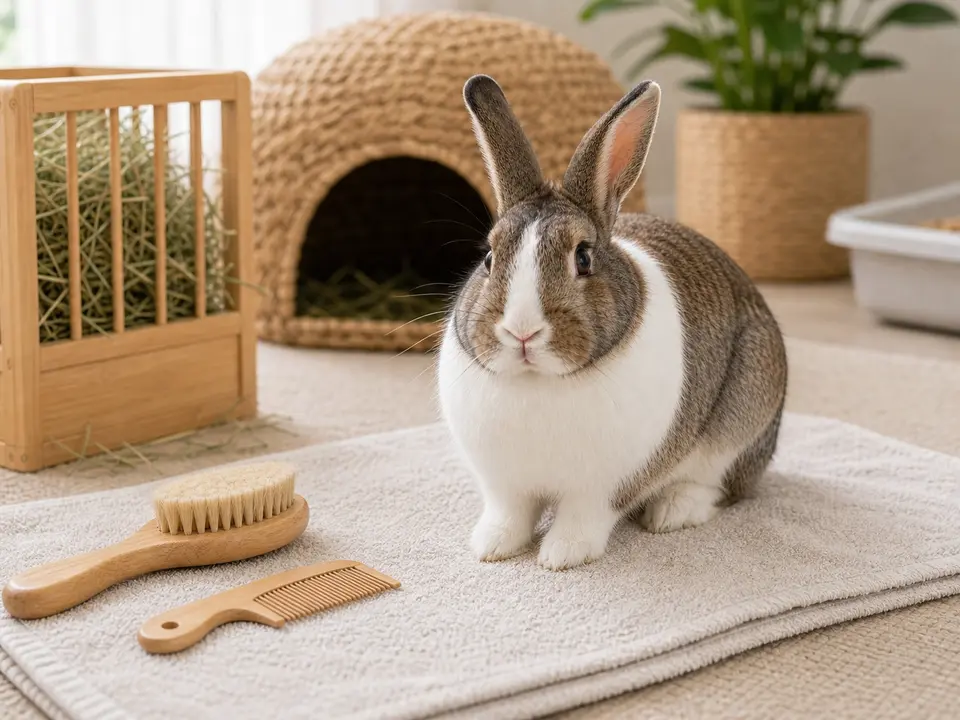
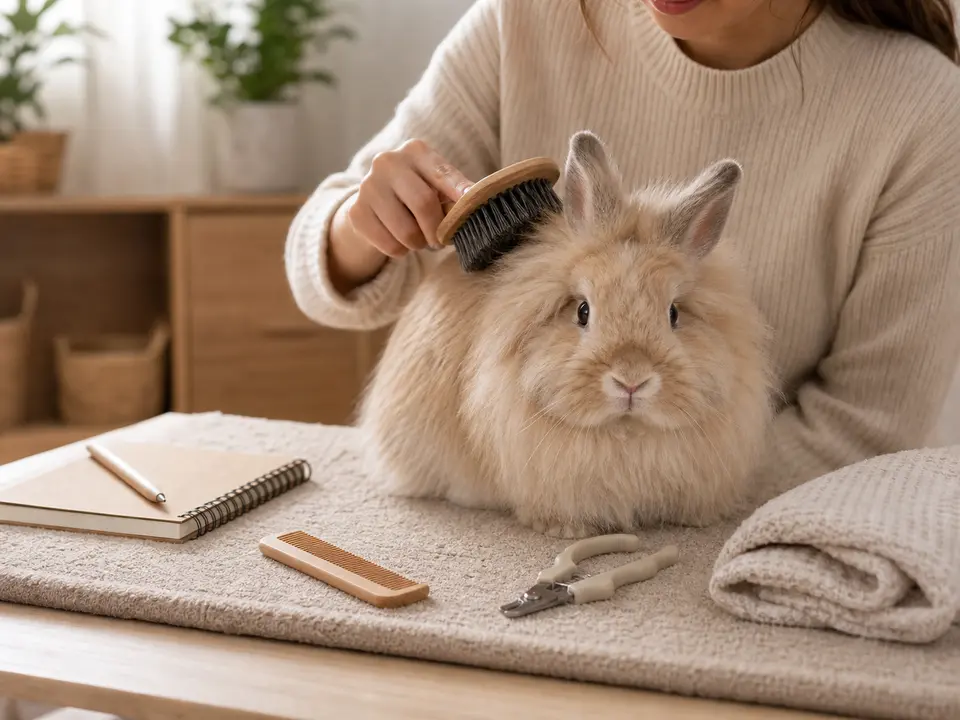
Once a foot looks calmer, keep the routine that helped: dry litter, softer traction, tidy nails, easy movement, and regular foot checks during calm grooming time. Sore hocks can come back if the room returns to the same pressure points.
Before you decide
Do the bottoms of the feet have thinning fur, redness, scabs, swelling, or damp spots?
Is your rabbit limping, sitting oddly, or avoiding a certain floor surface?
Are nails long enough to change foot posture?
Does litter or bedding stay damp where your rabbit rests?
Would an open, painful, swollen, or worsening spot need a rabbit-savvy vet?
Next best moves
Check the underside of the feet gently during calm grooming or setup time.
Replace hard, slick, rough, or damp surfaces with soft washable traction.
Keep nails tidy and litter dry so the feet are not fighting the room all day.
Call a rabbit-savvy vet for open skin, swelling, bleeding, oozing, limping, pain, or appetite changes.
Useful supplies to keep the care routine clear
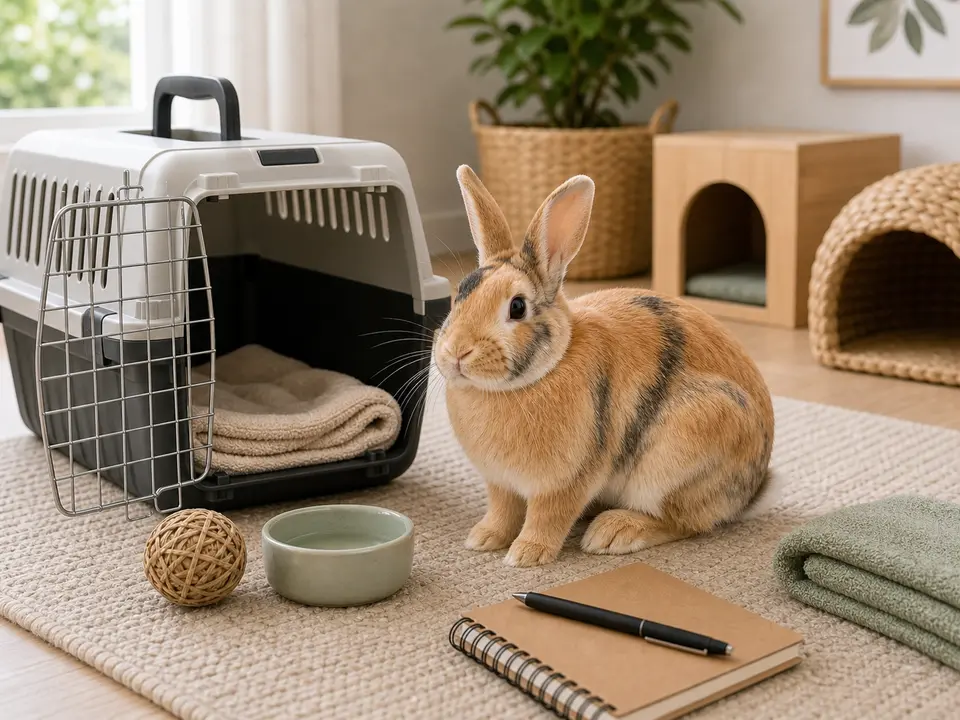
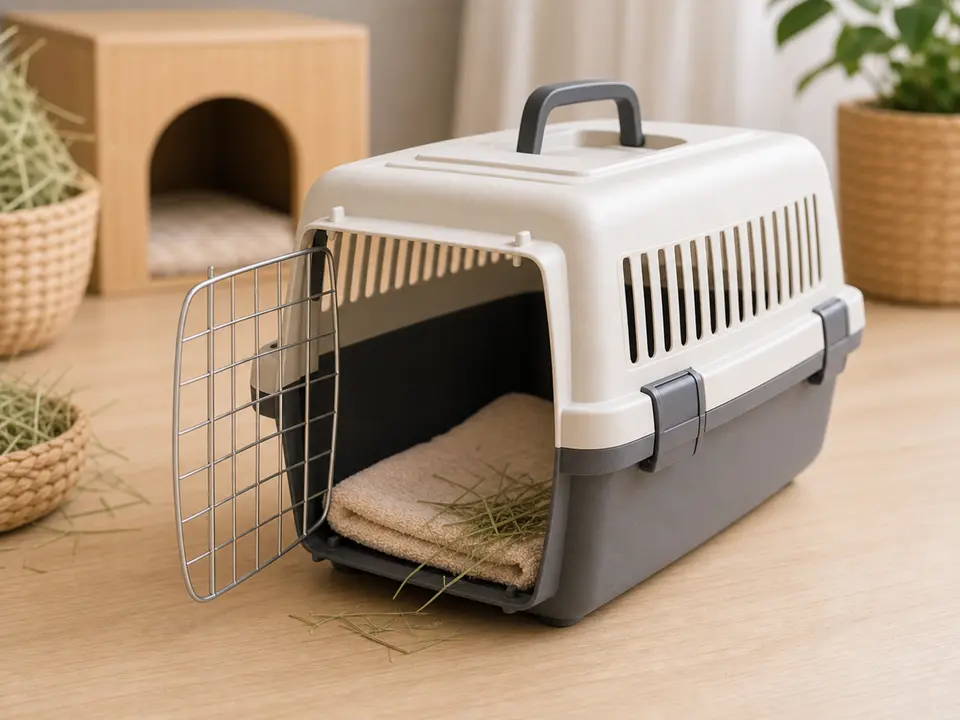
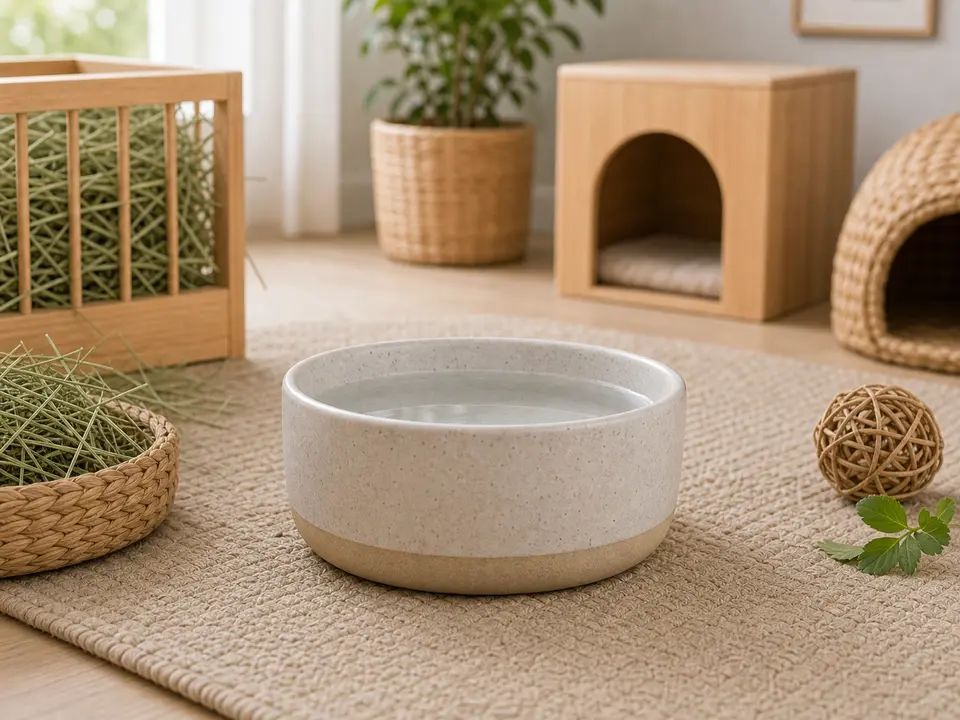
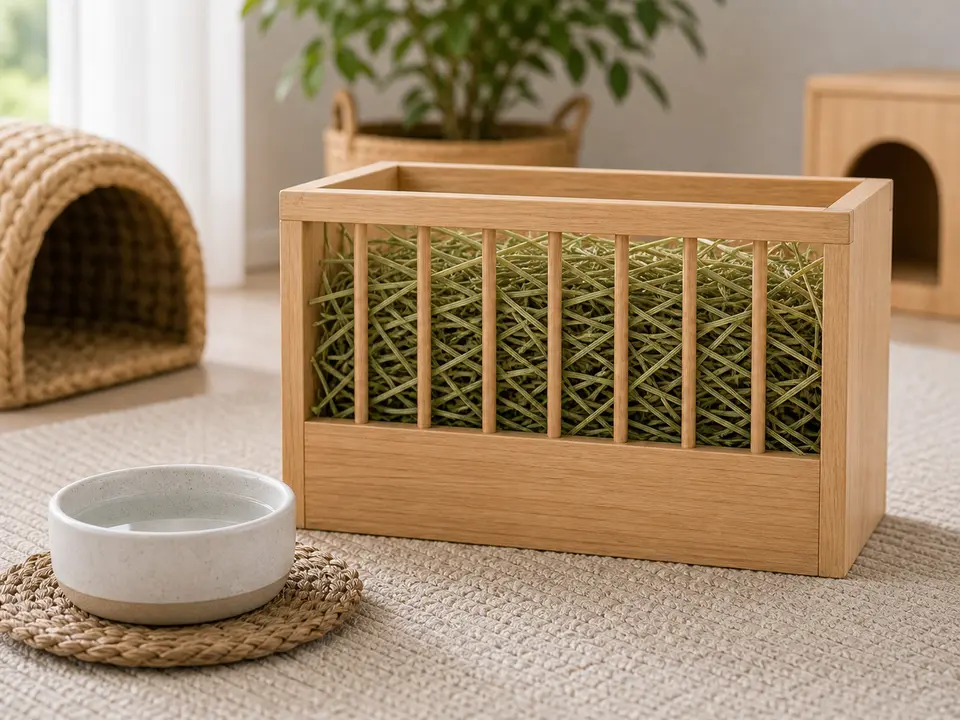
These do not replace a rabbit-savvy vet. They make transport, water, hay access, and observation easier while you follow the care plan.
Affiliate links: Furball Cove may earn from qualifying purchases at no extra cost to you.
Sore hocks are irritated or wounded areas on the underside of a rabbit's feet, usually near the heel. They can start as thin fur or redness and become painful if the skin breaks down.
Can flooring cause sore hocks?
Flooring is a common factor. Hard, wire, rough, slick, or damp surfaces can increase pressure and rubbing on the feet, especially if nails are long or the rabbit moves less.
Should I treat sore hocks at home?
You can improve the setup with soft dry traction and cleaner litter, but open, swollen, bleeding, painful, oozing, or worsening spots should be checked by a rabbit-savvy vet.