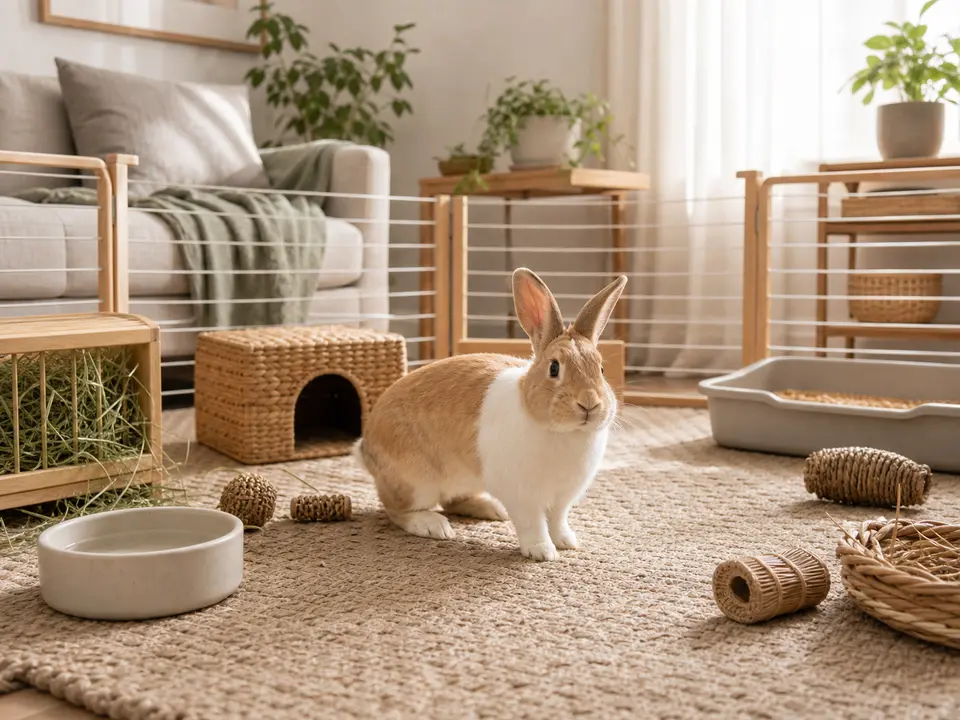
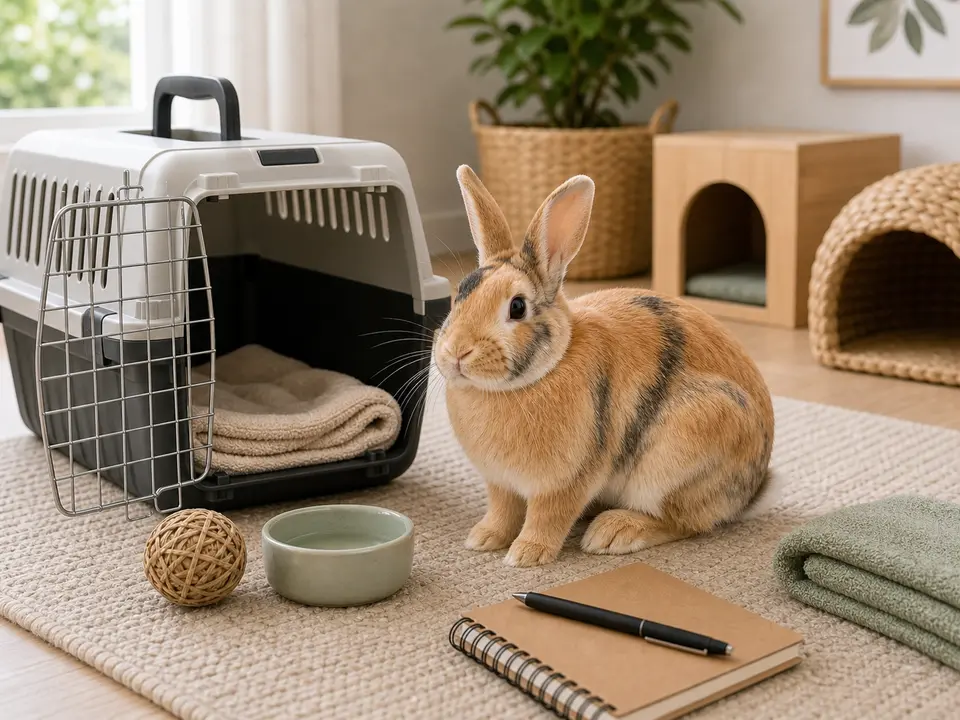
An adult rabbit is often easier for a new owner because size, personality, litter habits, and handling comfort are already clearer. A baby rabbit can be wonderful, but they grow fast, habits can change, and you need more patience while their routine and confidence develop.
The right choice is less about which age is cuter and more about the first month at home: hay, litter, chewing, handling, vet access, and whether you want a known personality or are ready to guide a young rabbit through change.
What is easier about an adult rabbit
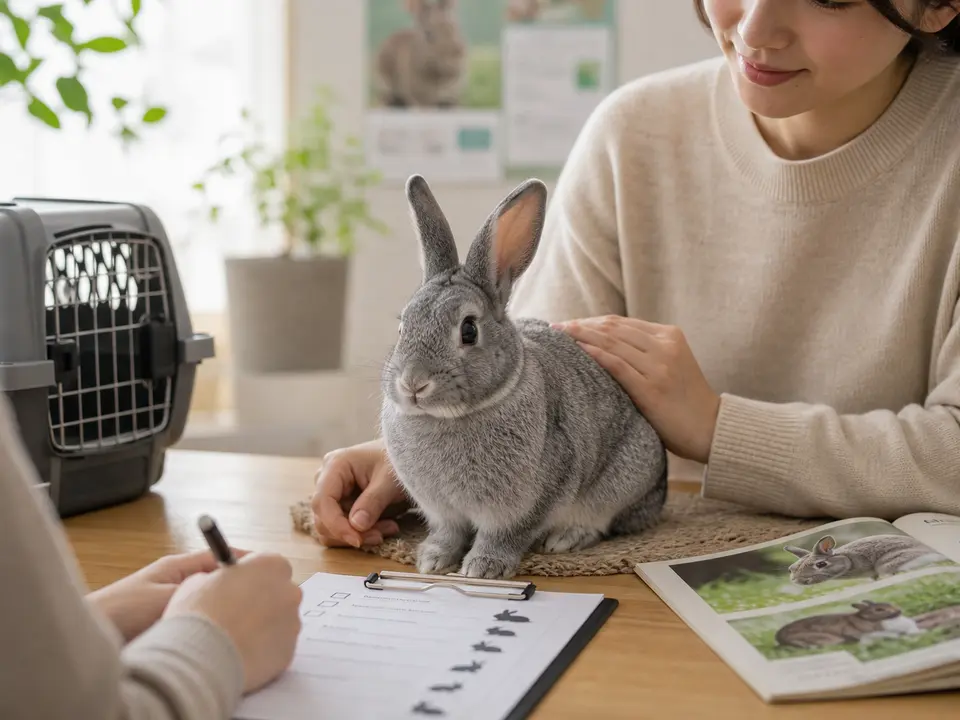
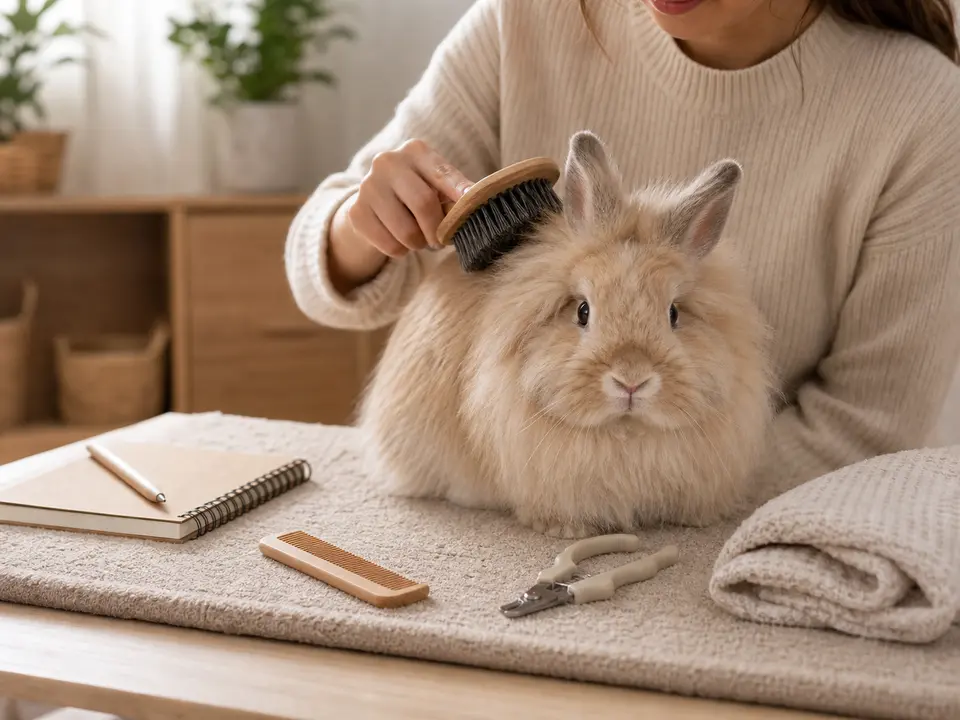
With an adult, you can usually see the real body size, coat, confidence level, litter habits, and tolerance for gentle handling before adoption. That makes it easier to match the rabbit to an apartment, a quiet home, kids, other pets, or a first-time owner. You can ask the rescue or foster how the rabbit handles nail trims, hay changes, floor time, and visitors instead of guessing from baby behavior.
What changes with a baby rabbit
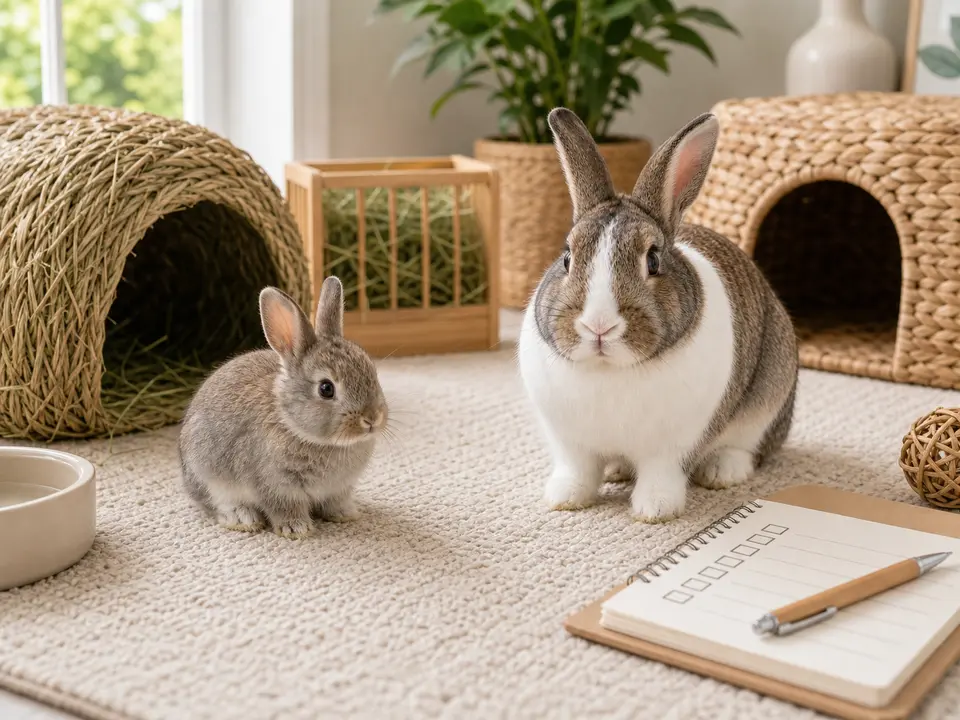
A baby rabbit is still becoming themselves. They may be tiny, curious, and sweet, but chewing, litter habits, energy, and handling comfort can shift as they grow. Plan for more supervision, more room-proofing, and a routine that can change without frustrating either of you.
Compare litter and chewing habits
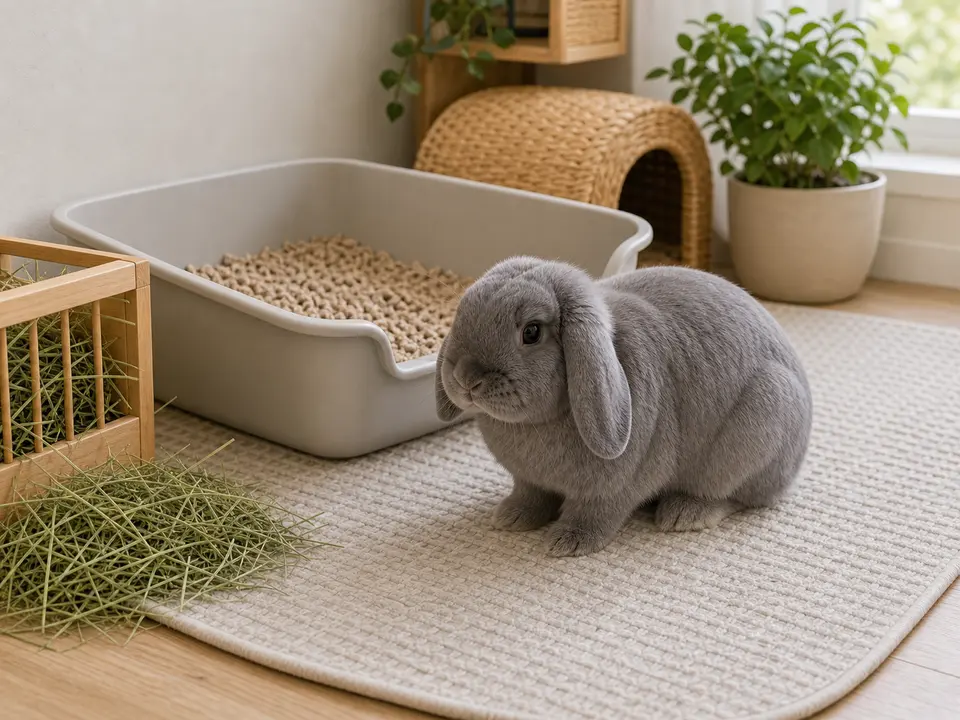
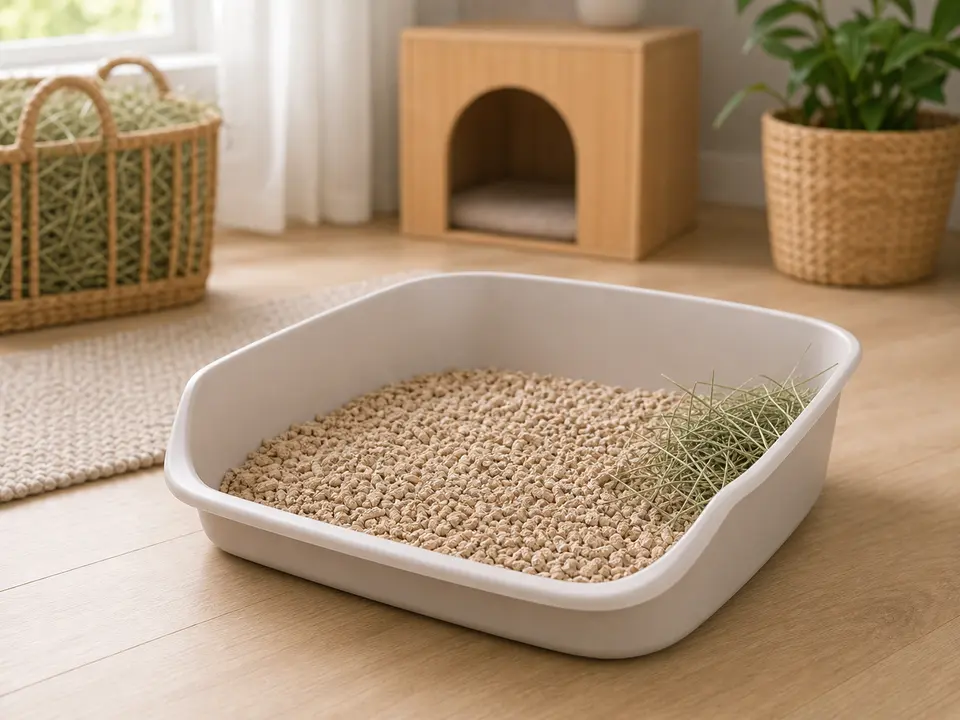
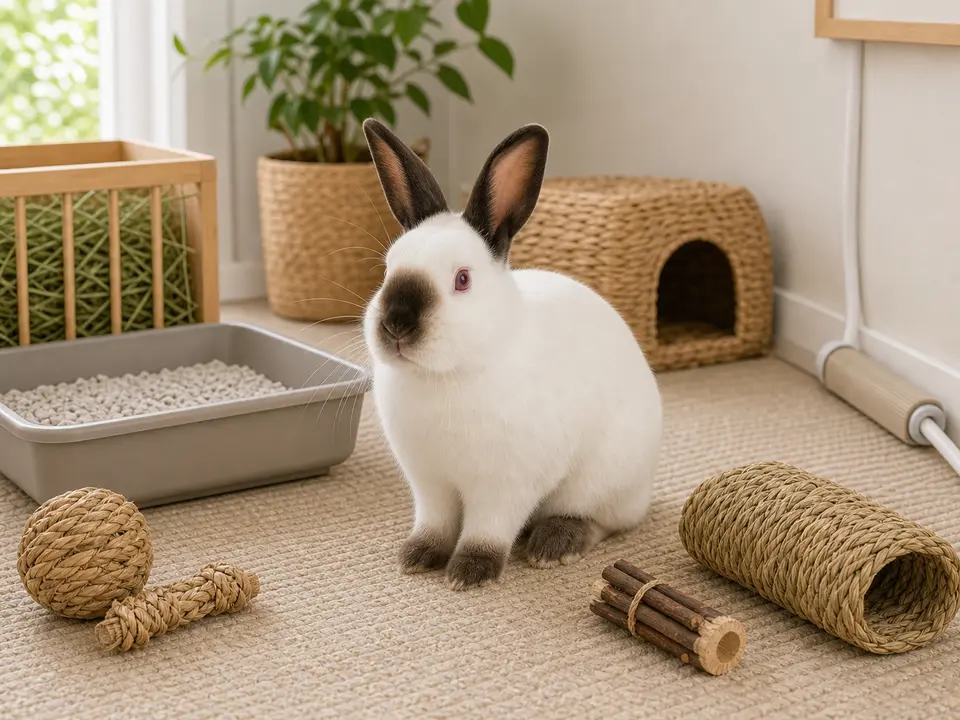
Adult rabbits often arrive with clearer box habits, especially from a good rescue or foster home. Young rabbits may need more patient setup: a roomy low box, hay where the habit happens, safe chew textures, and fewer chances to practice chewing the wrong things.
Think about handling expectations
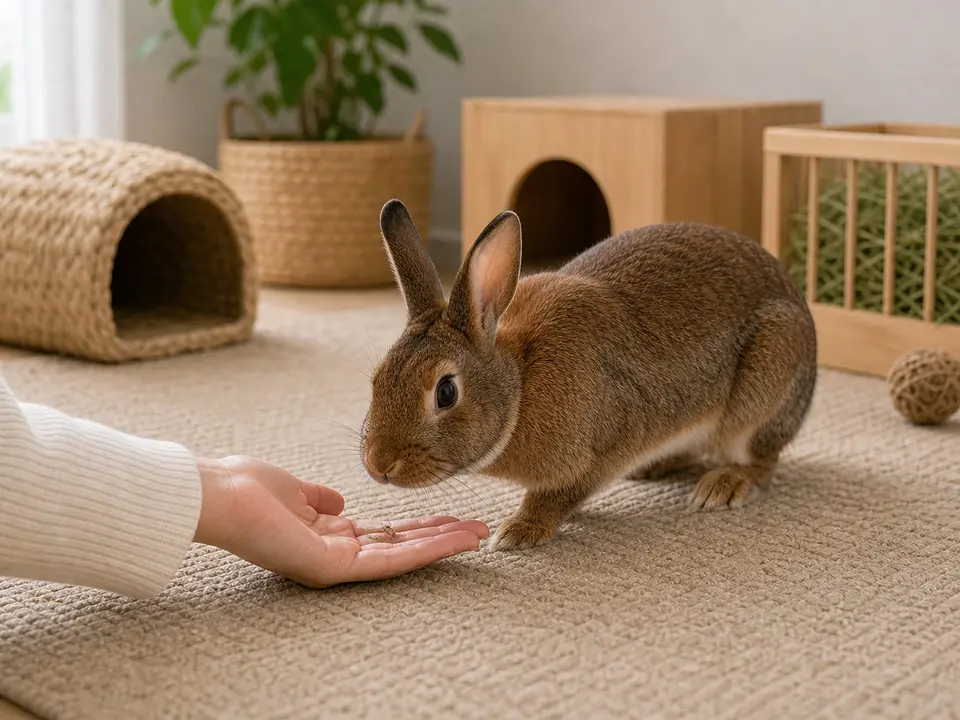
Neither age guarantees a cuddly rabbit. Many rabbits prefer affection on the floor, not being carried around. An adult may already show whether they enjoy petting, while a baby needs calm, consistent handling that does not turn every cute moment into a pickup.
Choose the age that fits your real week
If you want a clearer match, meet adult rabbits and ask about their habits. If you choose a baby, keep the setup simple, protect the room early, and expect the routine to mature. Either way, the best age is the one your household can care for patiently every day, including the less cute parts: hay scatter, litter cleanup, chewing supervision, and calm handling practice.
Health and setup still matter
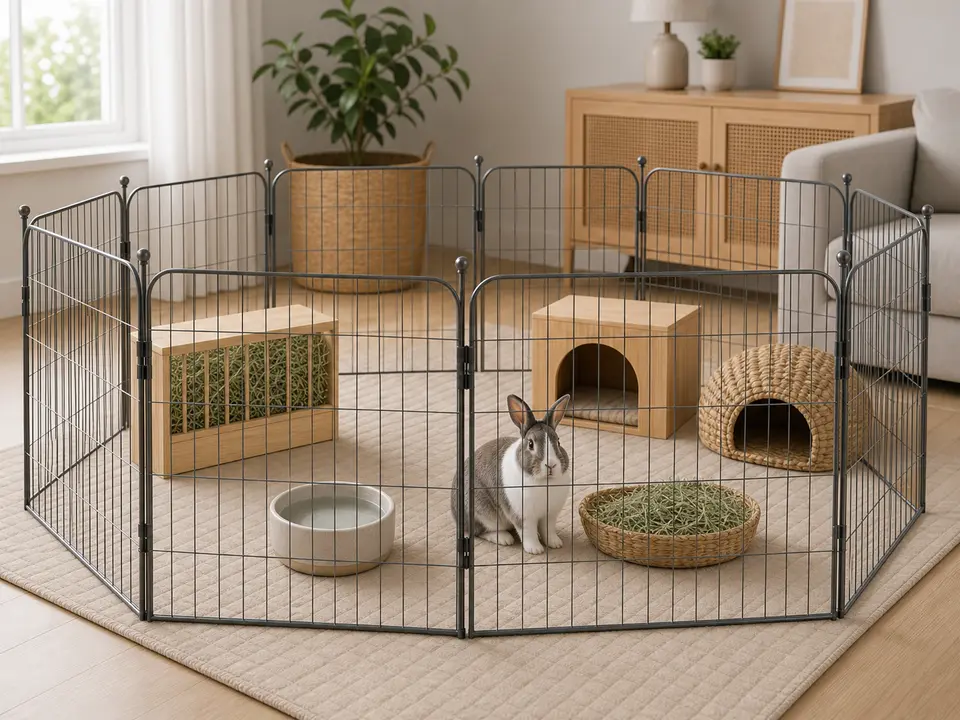
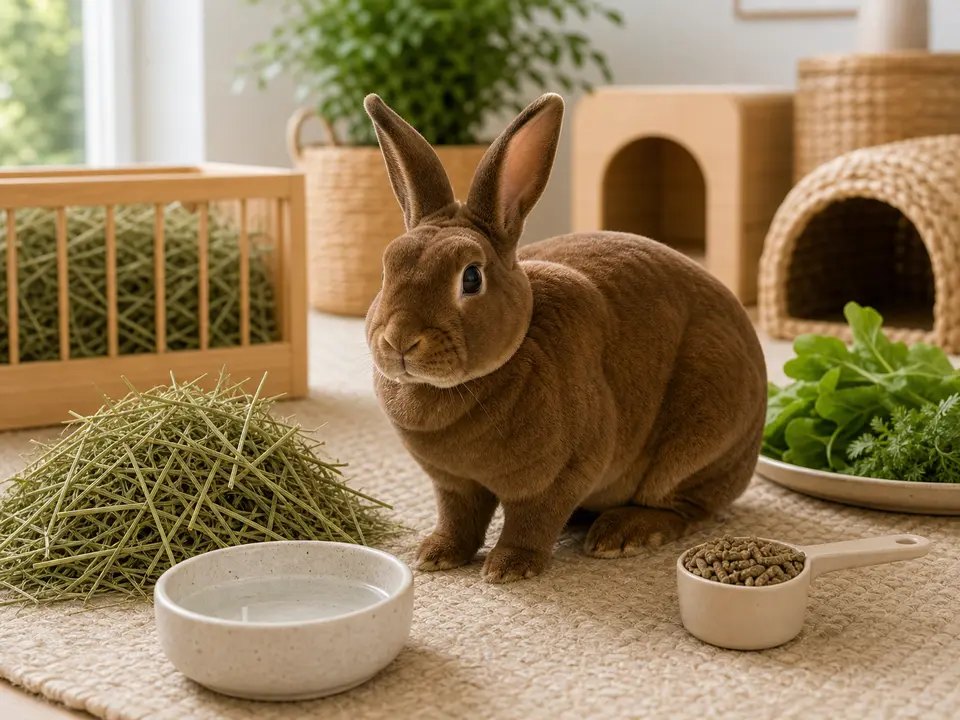
Both babies and adults need steady hay, clean water, safe flooring, a real litter setup, chewing outlets, and rabbit-savvy veterinary care when appetite, poop, breathing, or movement changes. Age helps you plan, but daily observation is what keeps the rabbit comfortable.
Before you decide
Do you want a known size, personality, and litter pattern?
Can you handle extra supervision while a baby rabbit grows?
Is the room already protected from chewing, slipping, and tight hiding spots?
Are you comfortable with floor-level affection instead of assuming cuddles will happen on demand?
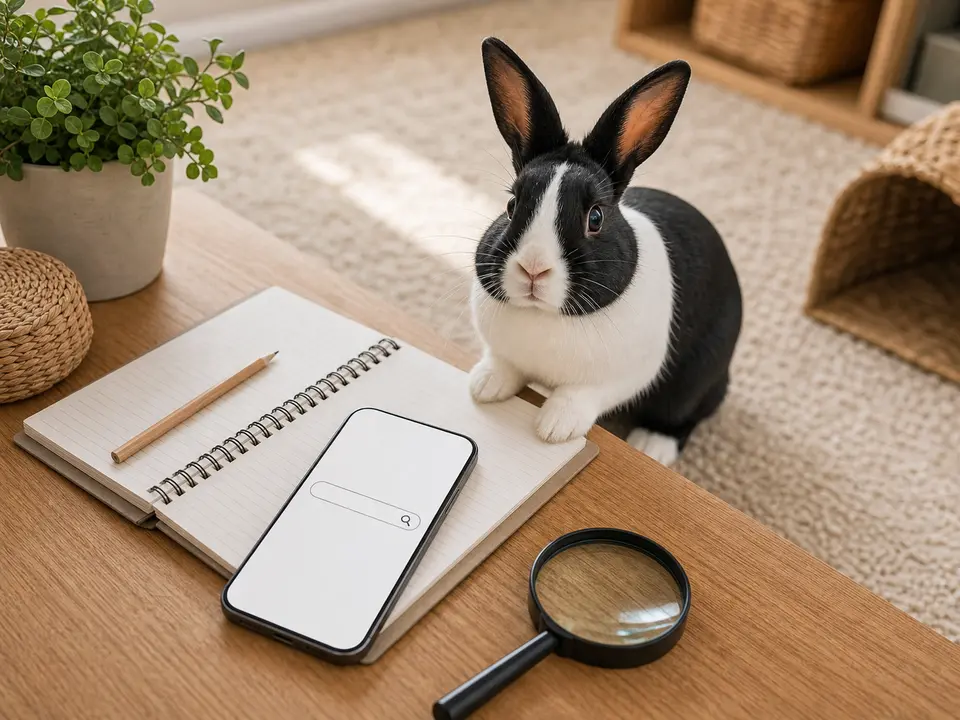
Have you met the actual rabbit, not just chosen by age?
Next best moves
Choose an adult if you want clearer habits and personality from the start.
Choose a baby only if you are ready for changing routines, chewing, and patient setup work.
Ask rescues or fosters about litter habits, handling, appetite, and confidence.
Let the individual rabbit matter more than the age label.
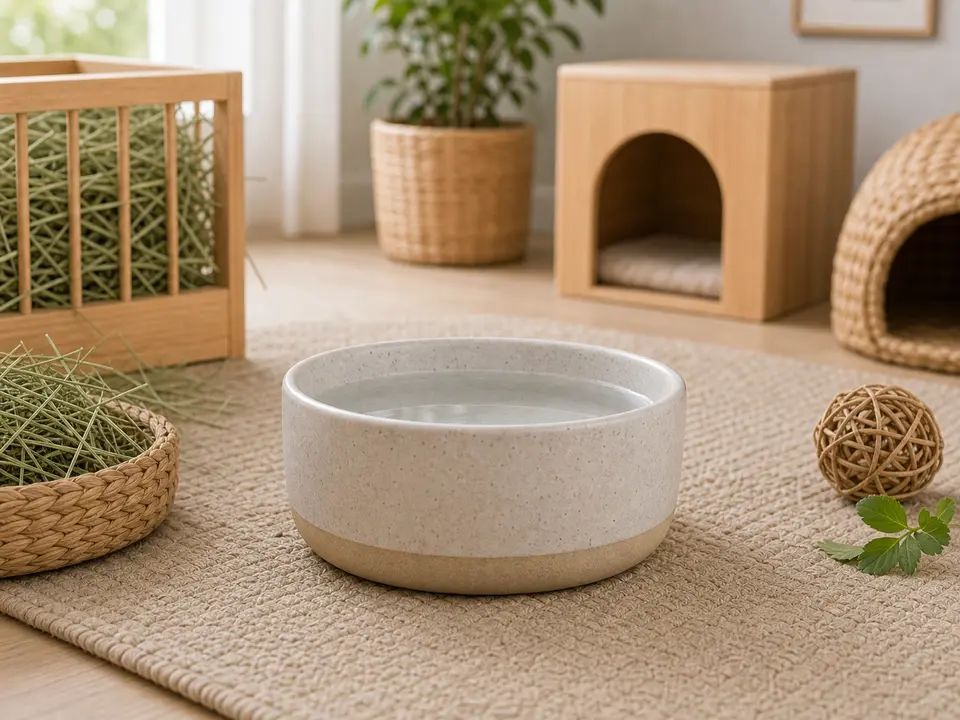
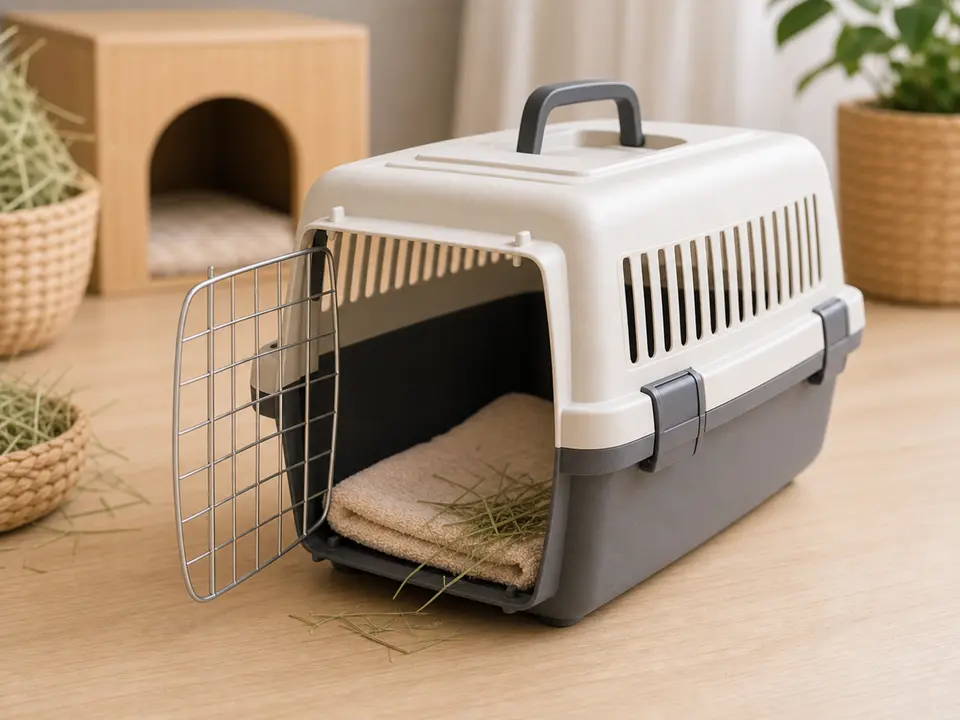
First setup pieces that earn their space
Start with the pieces that make the first room calm before buying cute extras.
Affiliate links: Furball Cove may earn from qualifying purchases at no extra cost to you.