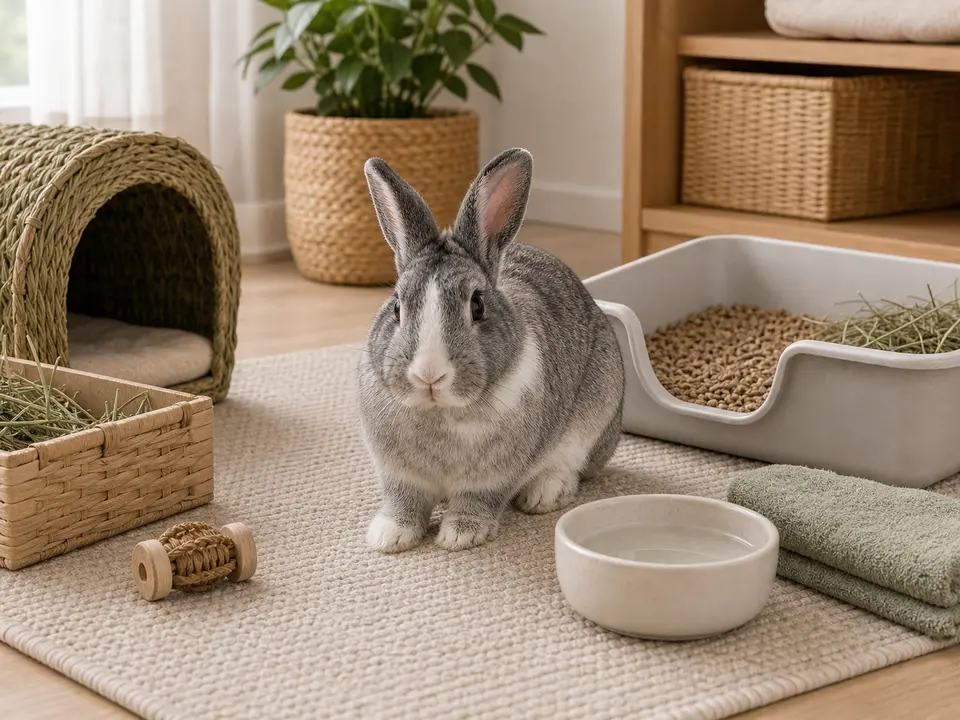
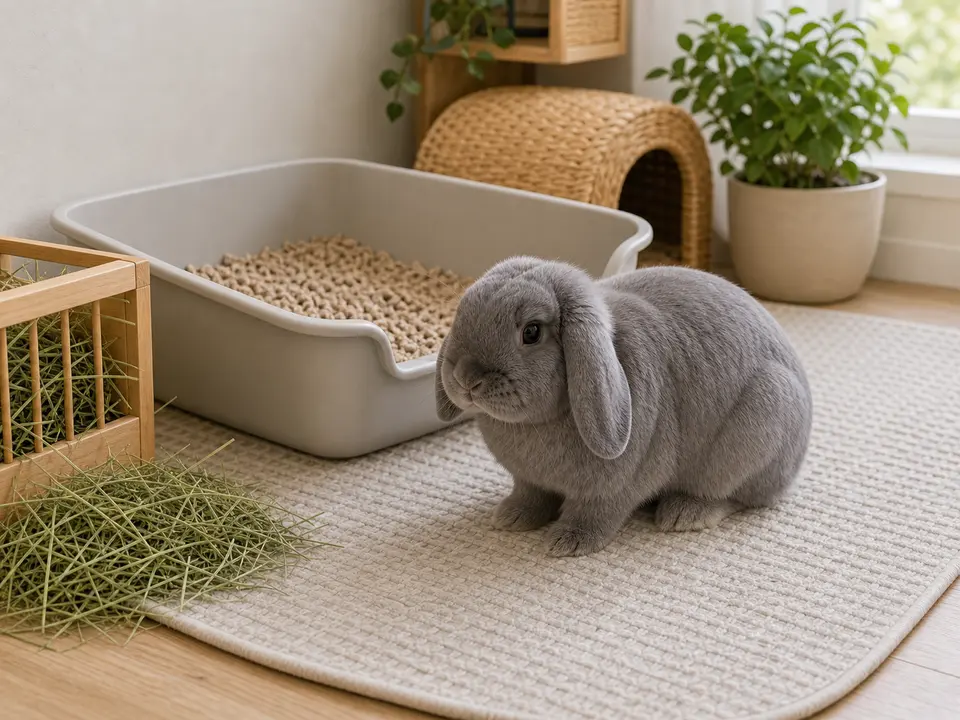
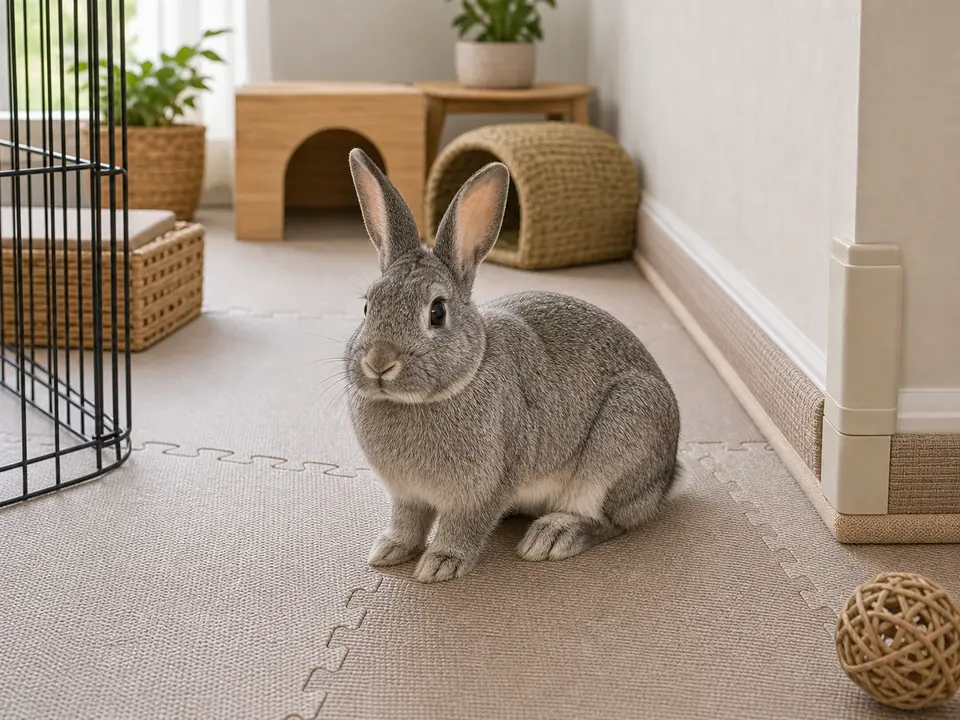
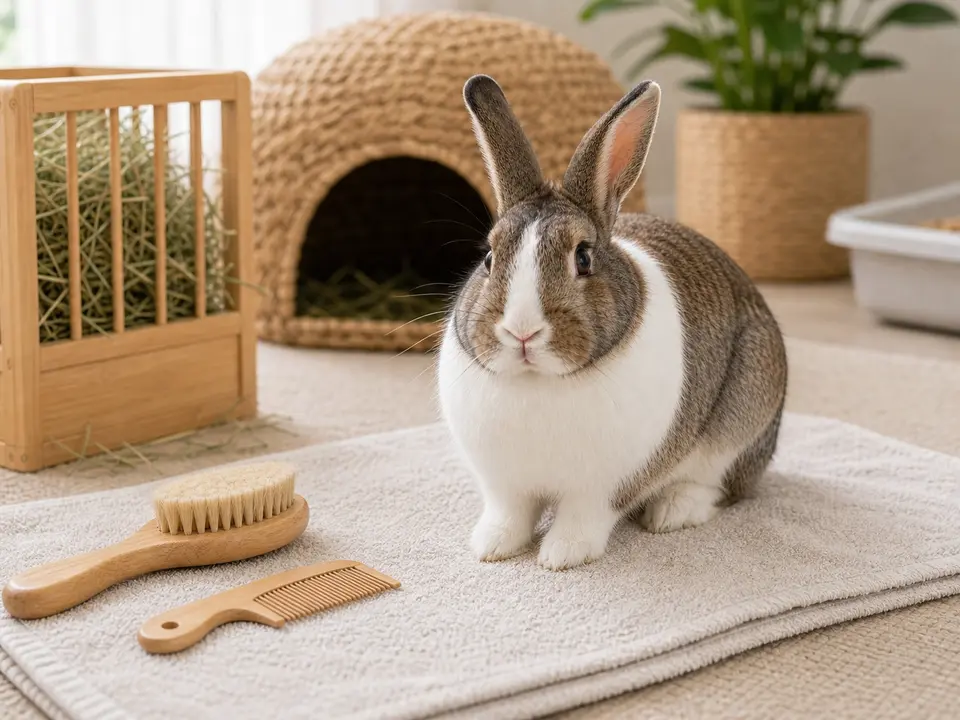
The best bedding for an older rabbit is soft, dry, washable, and grippy enough that your rabbit can stand up without sliding. Use it to support resting spots and paths, but keep the litter area absorbent and easy to clean so damp bedding does not irritate feet or fur.
Senior bedding is not just about making a cozy corner. It should help an older rabbit reach hay, water, and the litter box with less slipping, less pressure on the feet, and less messy cleanup for both of you.
Choose soft washable layers
Fleece over an absorbent layer, washable mats, or soft low-pile rugs can work well when they stay dry and flat. Avoid loose, slippery piles that bunch under the feet. The bedding should make standing and turning easier, not create a new obstacle. If your rabbit chews fabric, choose sturdier washable mats and supervise before leaving the setup in place all day.
Keep the resting area dry
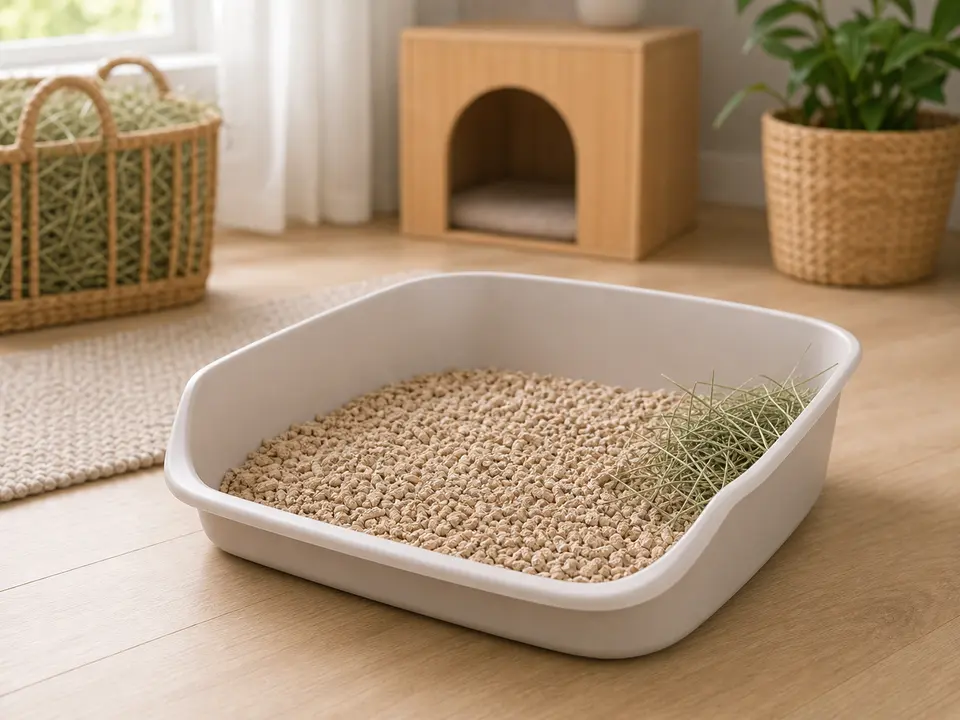
Damp bedding can chill an older rabbit and irritate feet, belly fur, or the underside. Check favorite resting spots daily, especially near water bowls and litter boxes. If one corner keeps getting damp, change the layout instead of just adding another blanket. A lower litter box edge, heavier water bowl, or better mat placement may solve the real problem.
Add traction on the path
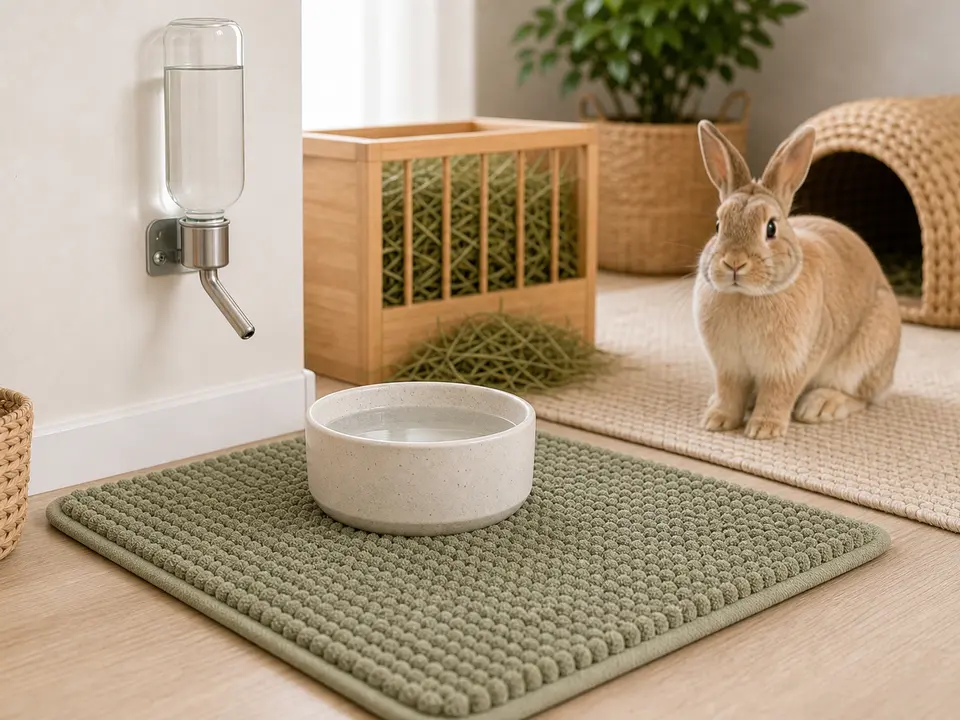
Bedding helps most when it connects the places your rabbit actually uses. Add grippy mats from the rest spot to hay, water, and the litter box so a stiff rabbit does not have to cross slick floor for every normal need.
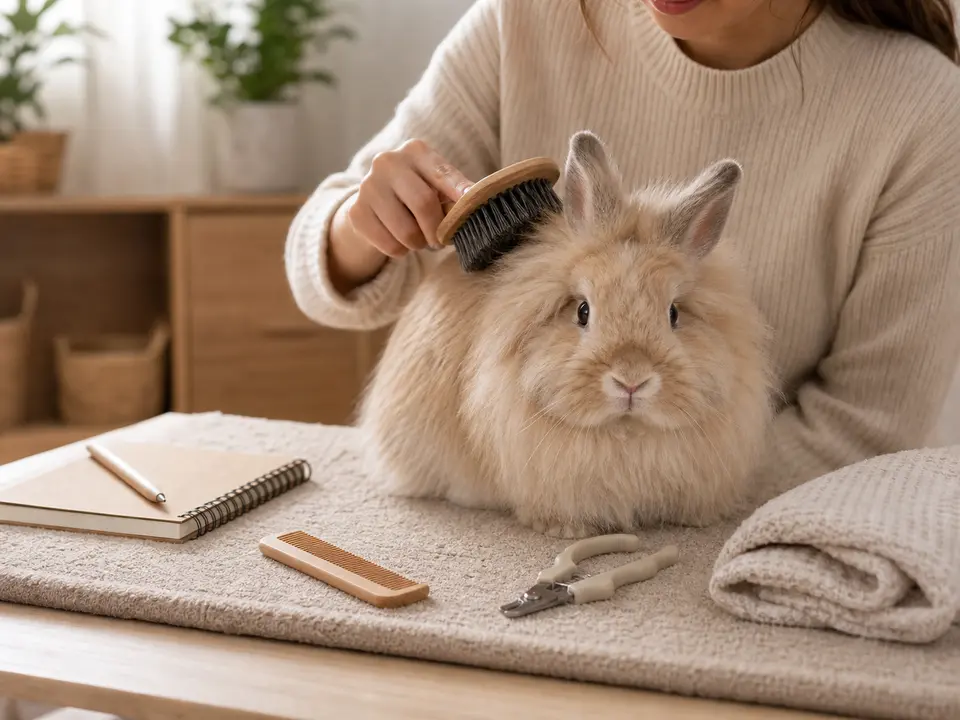
Watch feet, fur, and nails
Older rabbits may groom less thoroughly or shift weight because their feet are sore. During calm checks, look for damp fur, mats, thinning fur on the feet, long nails, or pressure spots. Bedding is working when your rabbit stays cleaner and moves with more confidence.
Do not cover up a health change
A softer bed can support comfort, but it cannot solve pain, sore hocks, urine scald, weakness, or appetite changes. If your older rabbit suddenly sits in one spot, stops eating, produces fewer poops, or seems painful, call a rabbit-savvy vet.
Keep the setup easy to reset
The best bedding is the bedding you can wash and replace without making the room stressful. Keep a spare layer ready, choose pieces that fit the pen or favorite corner, and avoid anything with loose threads your rabbit wants to chew. If cleanup takes five minutes instead of thirty, you are much more likely to keep the senior setup dry and consistent through ordinary busy weeks.
Before you decide
Does the bedding stay dry through the day?
Can your rabbit stand, turn, and leave without sliding?
Is there traction from the rest spot to hay, water, and litter?
Are feet, fur, and nails easier to check?
Would sudden sitting, pain, appetite, or poop changes need a vet call?
Next best moves
Use soft washable layers over absorbent support.
Prioritize traction and dry resting spots over fluffy bedding.
Check favorite corners daily for dampness, bunching, and chewing.
Ask a rabbit-savvy vet about pain, sore feet, urine irritation, weakness, or appetite changes.
Senior comfort pieces worth setting up
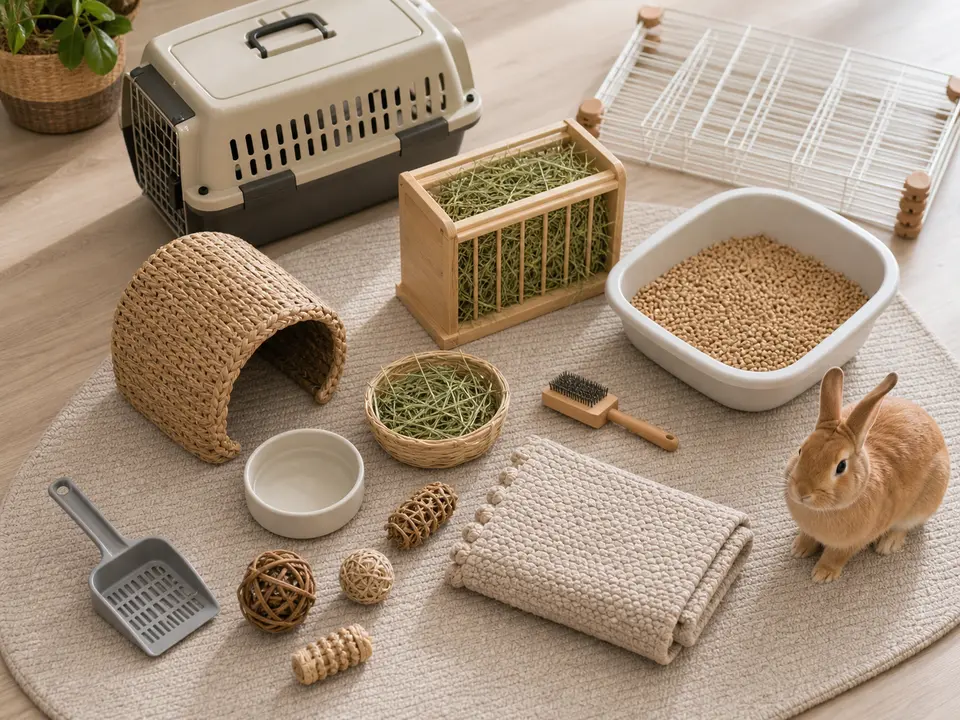
Choose pieces that lower effort: better traction, easier litter access, closer water, and gentler grooming.
Affiliate links: Furball Cove may earn from qualifying purchases at no extra cost to you.
Soft, dry, washable bedding with good traction is usually best. It should support rest and movement without bunching, sliding, or staying damp.
Can I use fleece for a senior rabbit?
Fleece can work when it stays dry, lies flat, and has an absorbent layer beneath it. Replace it quickly if it gets damp or chewed.
When is bedding not enough?
If your rabbit seems painful, stops eating, produces fewer poops, develops sore feet, or gets damp fur repeatedly, bedding changes should come with a rabbit-savvy vet call.