What the name really means
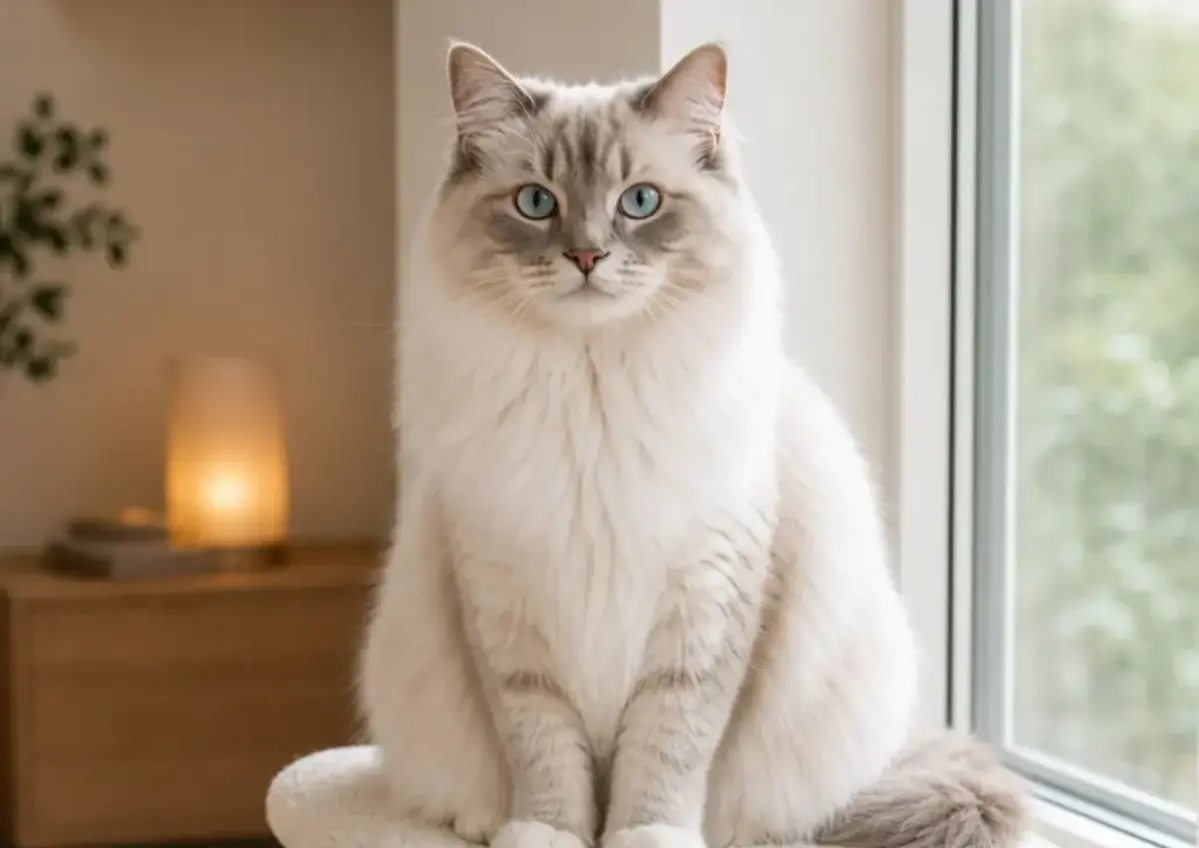
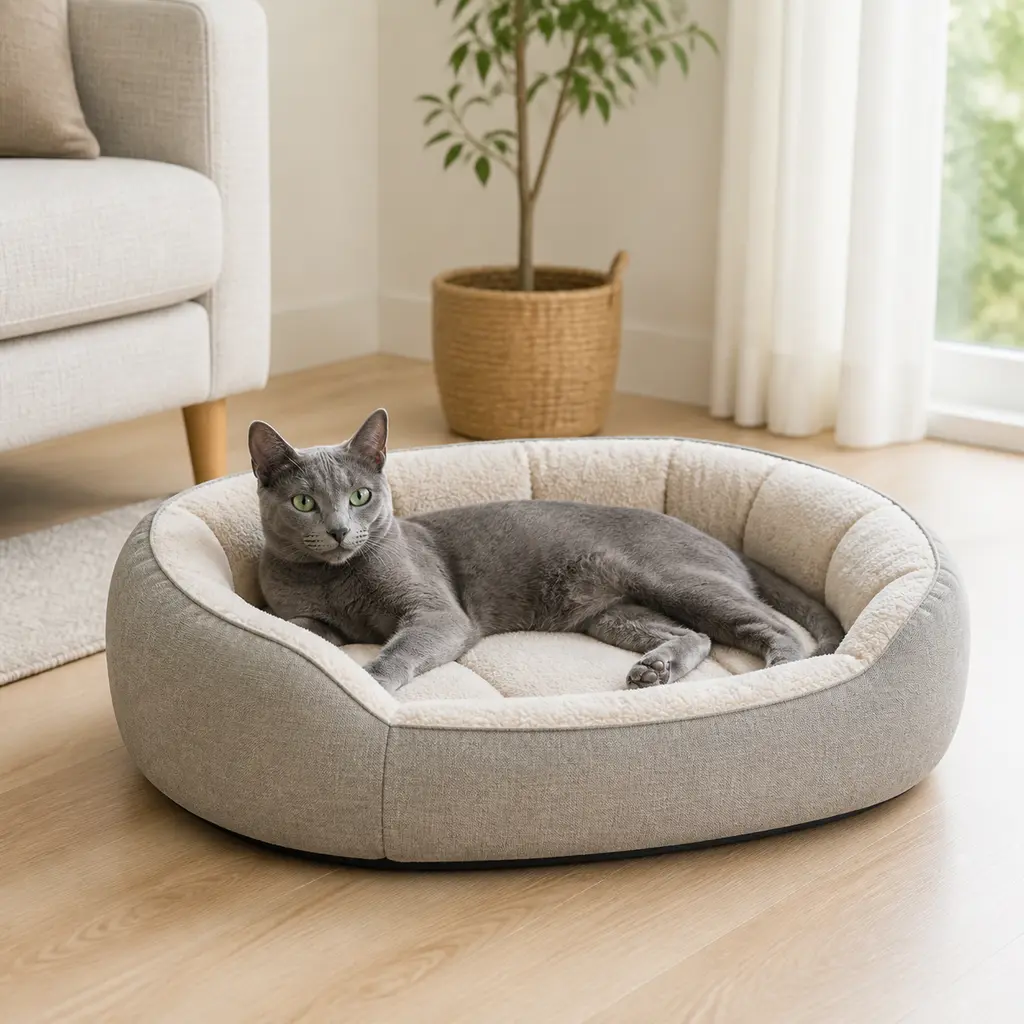
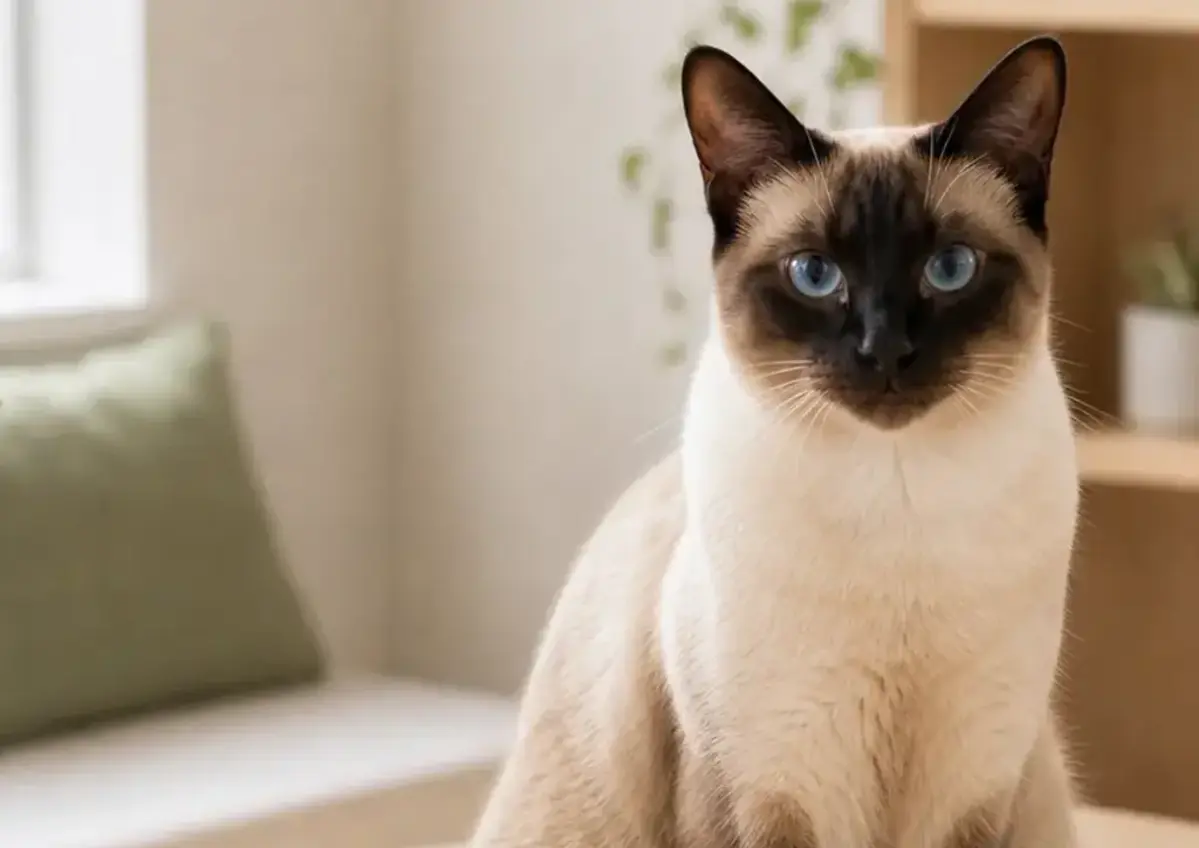
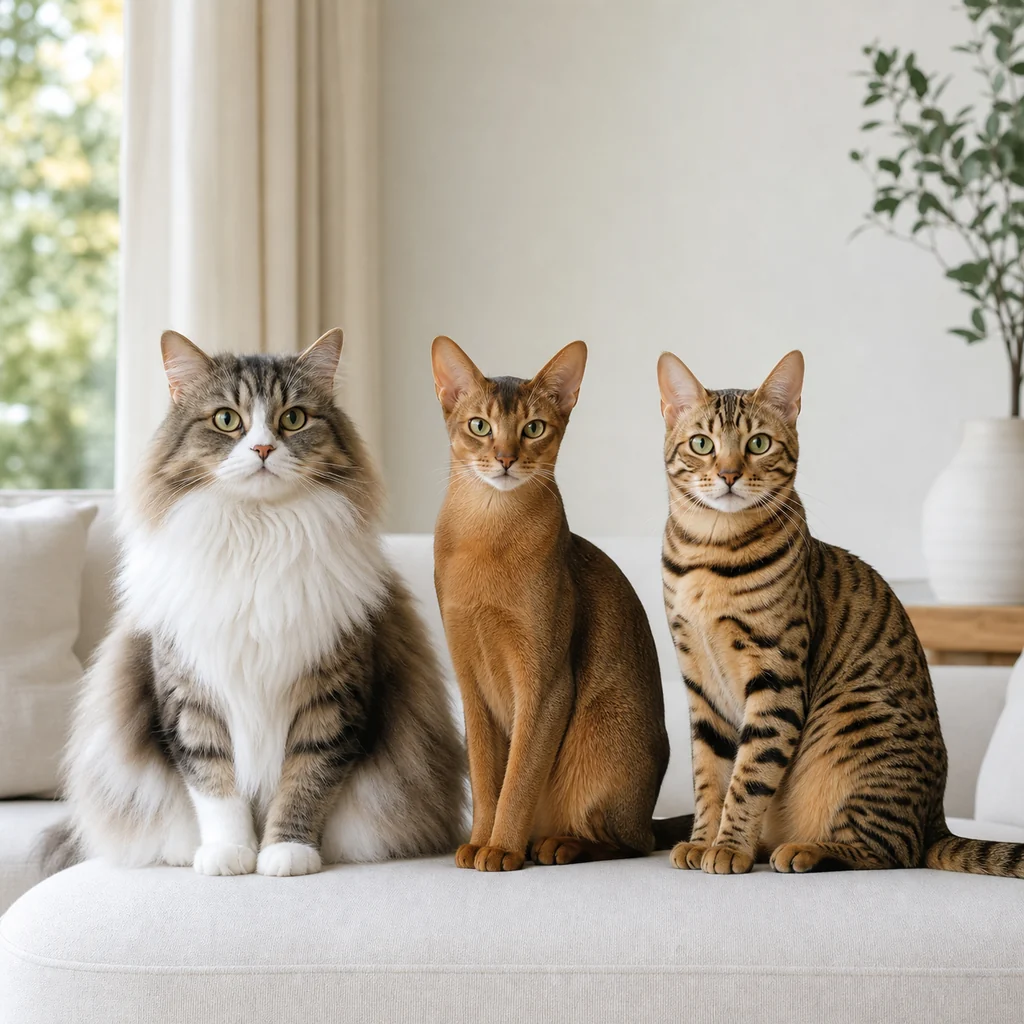
Consider adult cats, bonded seniors, Ragdoll, Birman, British Shorthair, Exotic Shorthair, Persian, and gentle Domestic Shorthairs.
Updated
Choosing a cat
The best cat for a senior owner fits energy, handling, grooming, cost, and backup care.
A calm adult or senior cat can be a beautiful match when the daily routine is realistic and support is planned.
Consider adult cats, bonded seniors, Ragdoll, Birman, British Shorthair, Exotic Shorthair, Persian, and gentle Domestic Shorthairs.
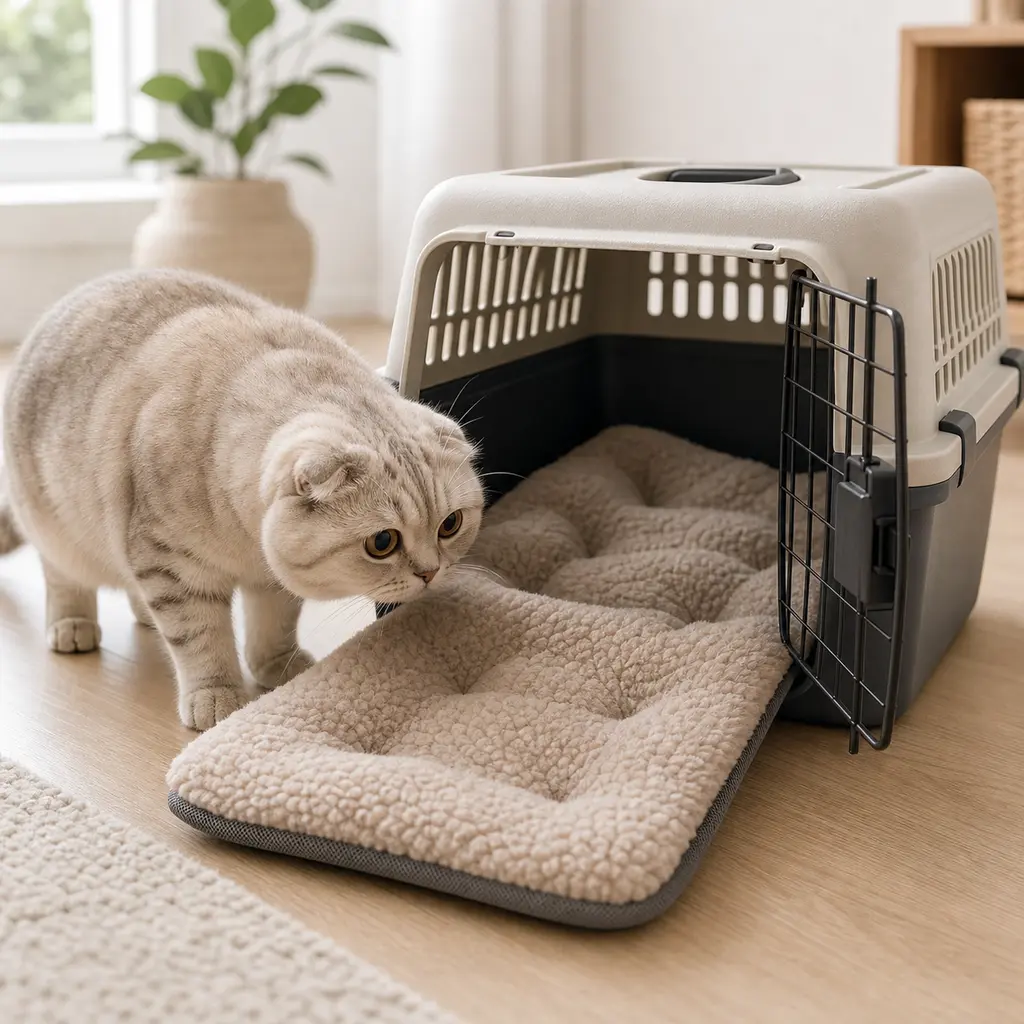
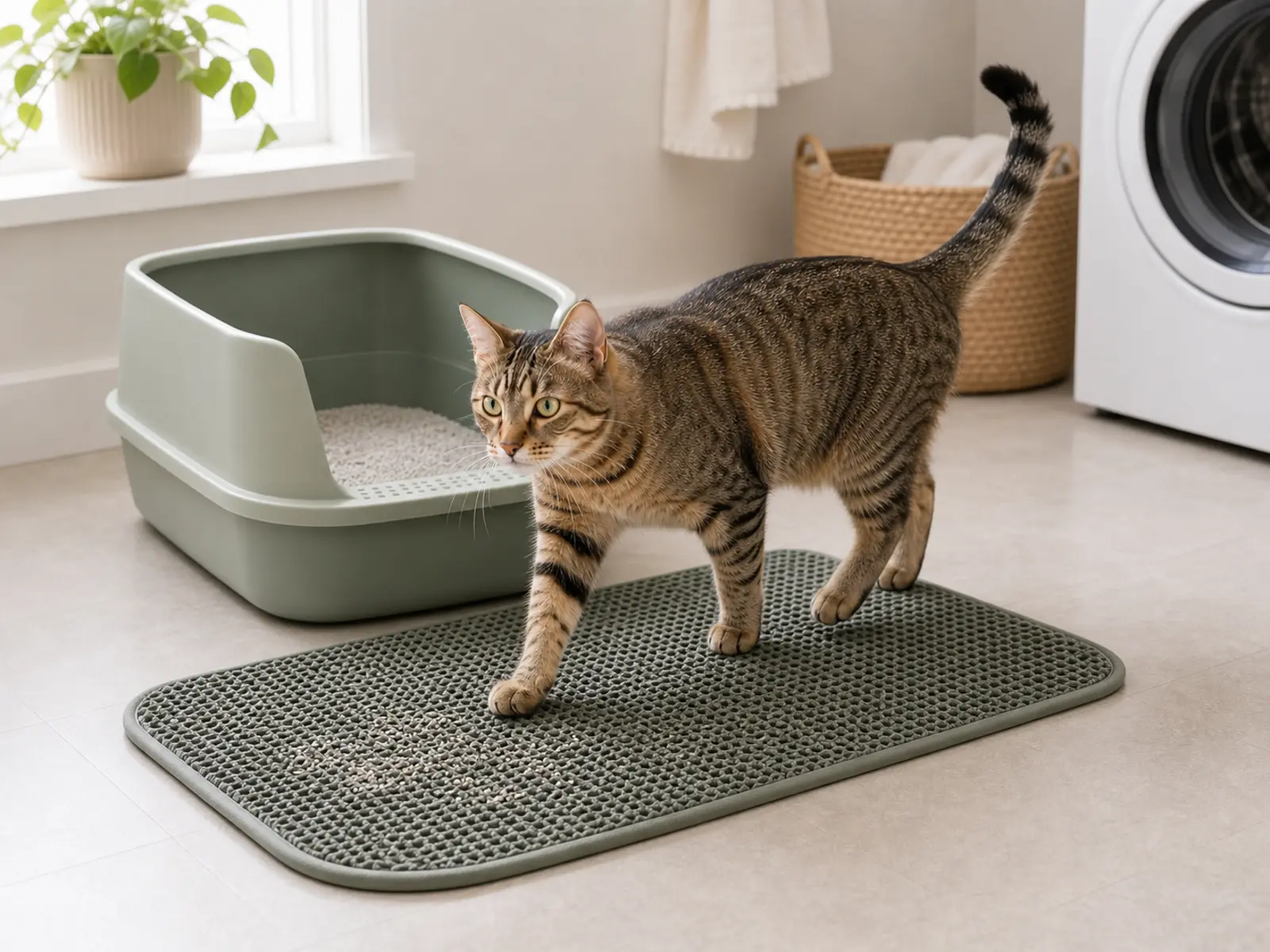
Think about litter scooping, food lifting, carrier weight, vet transport, brushing, medication, and who can help during illness or travel.
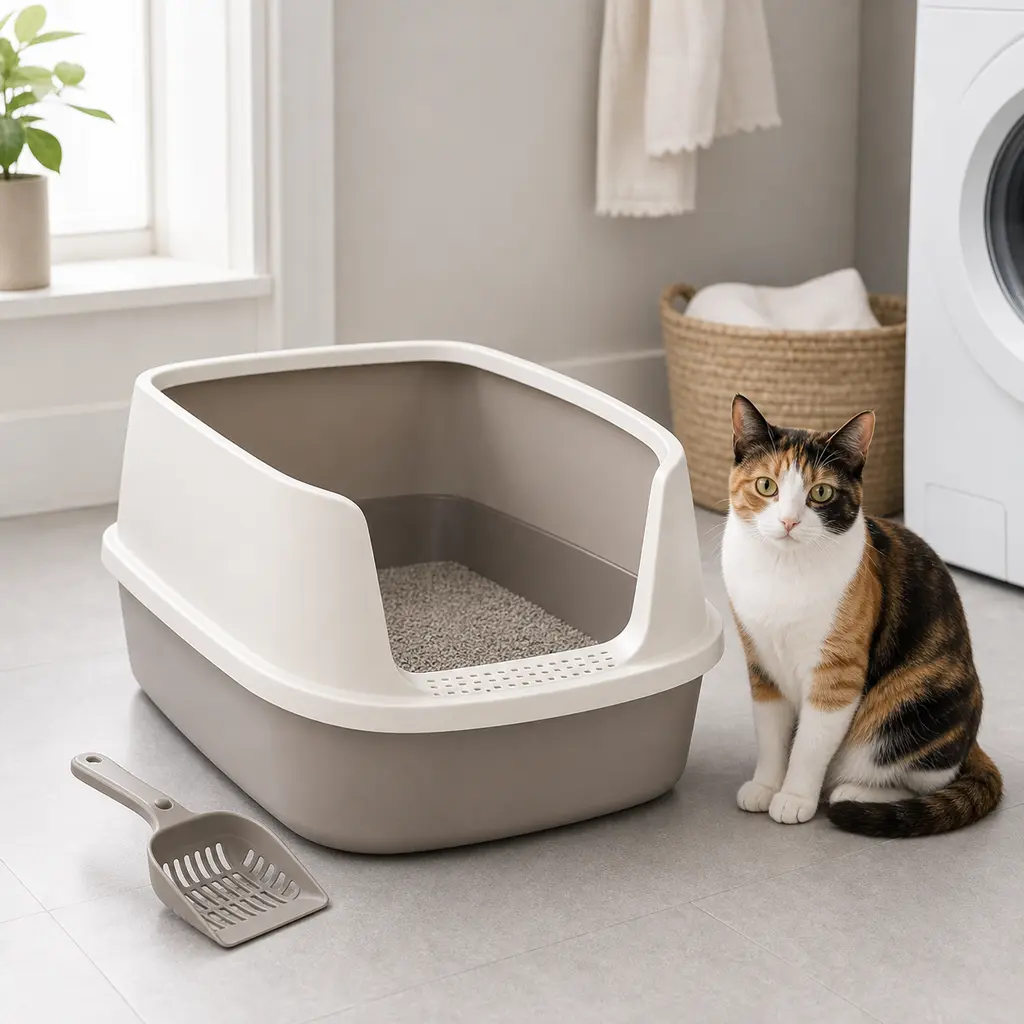
Ask about lap preference, play needs, grooming tolerance, medical costs, litter habits, and whether the cat is comfortable with a quieter routine.
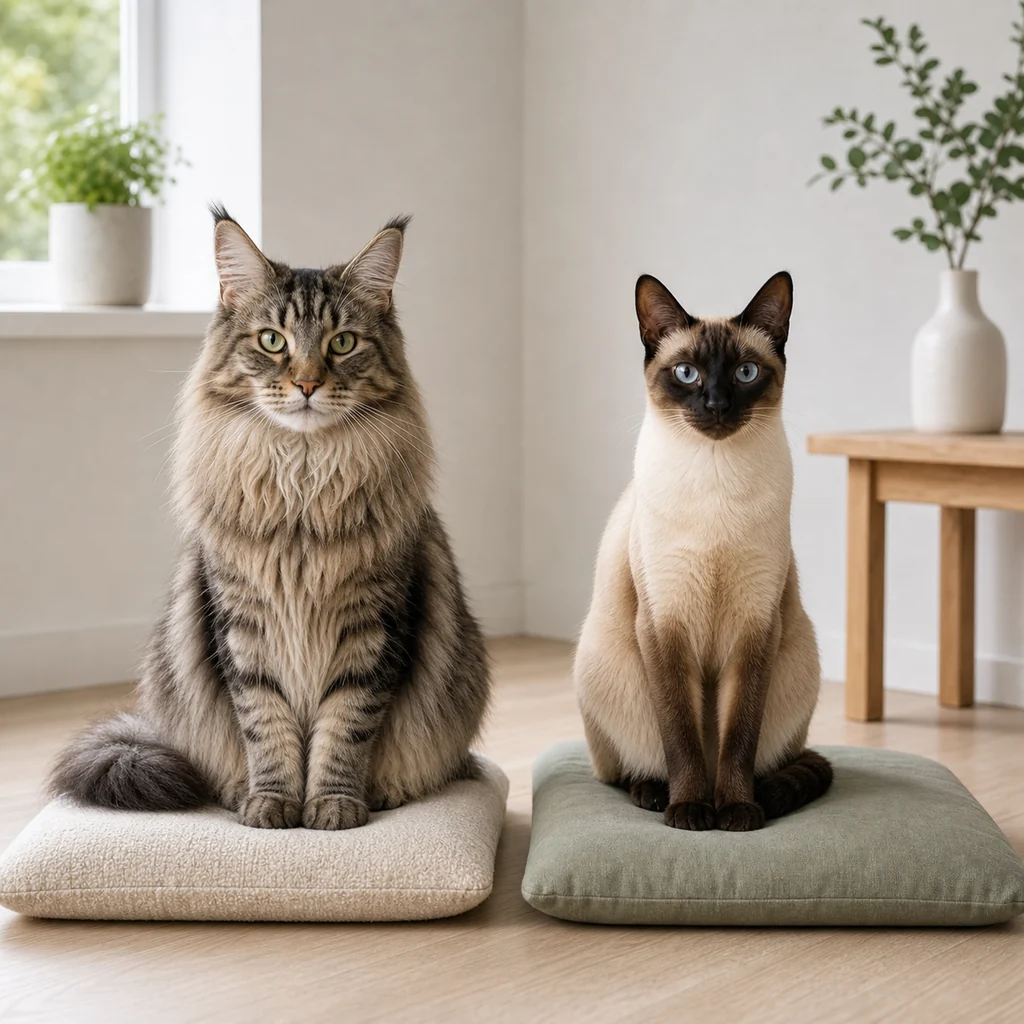
A settled adult cat with known habits is often easier to match than a kitten whose adult personality is still unfolding.
Use the gear list for best cats for seniors as a reality check: can you maintain the basics this cat is likely to need?
Affiliate links: Furball Cove may earn from qualifying purchases at no extra cost to you.
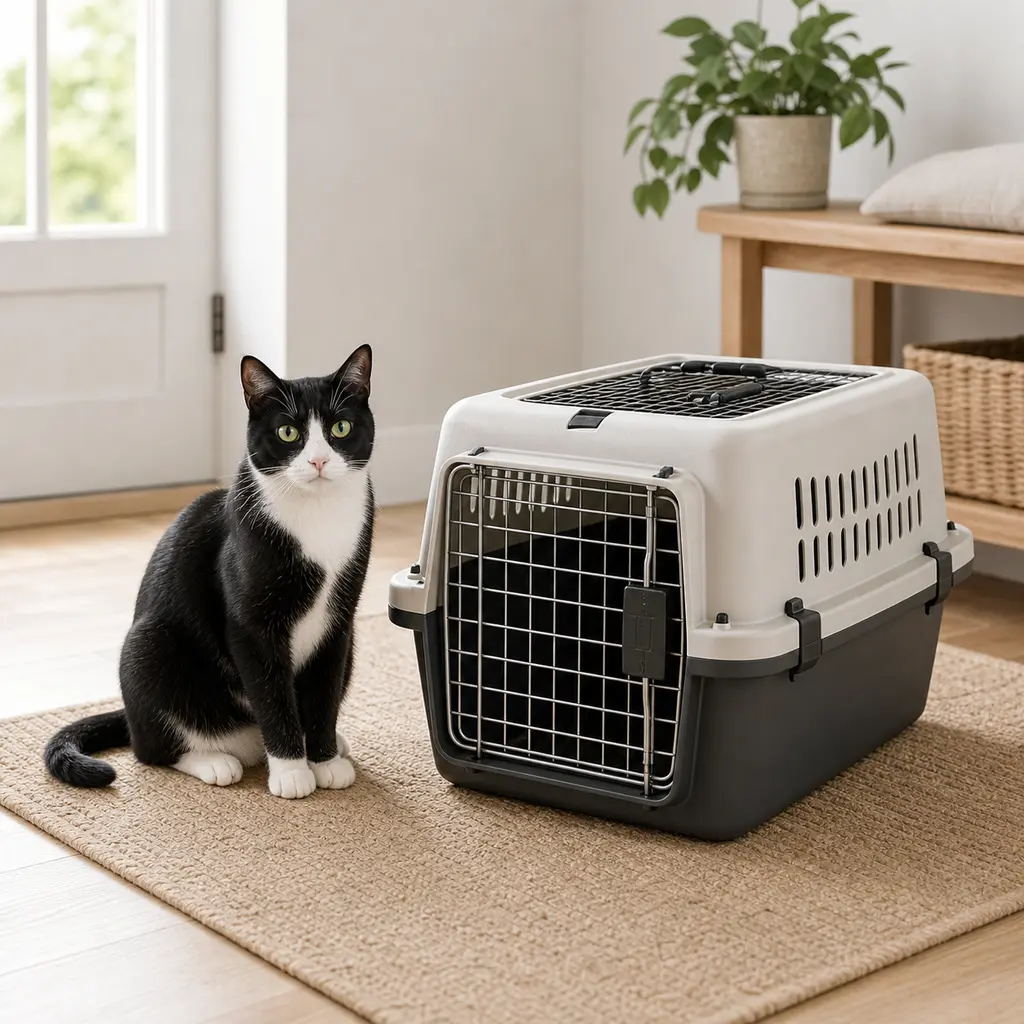
Use it in a best cats for seniors routine to keep travel practical when the carrier has to be opened, wiped, and used again.
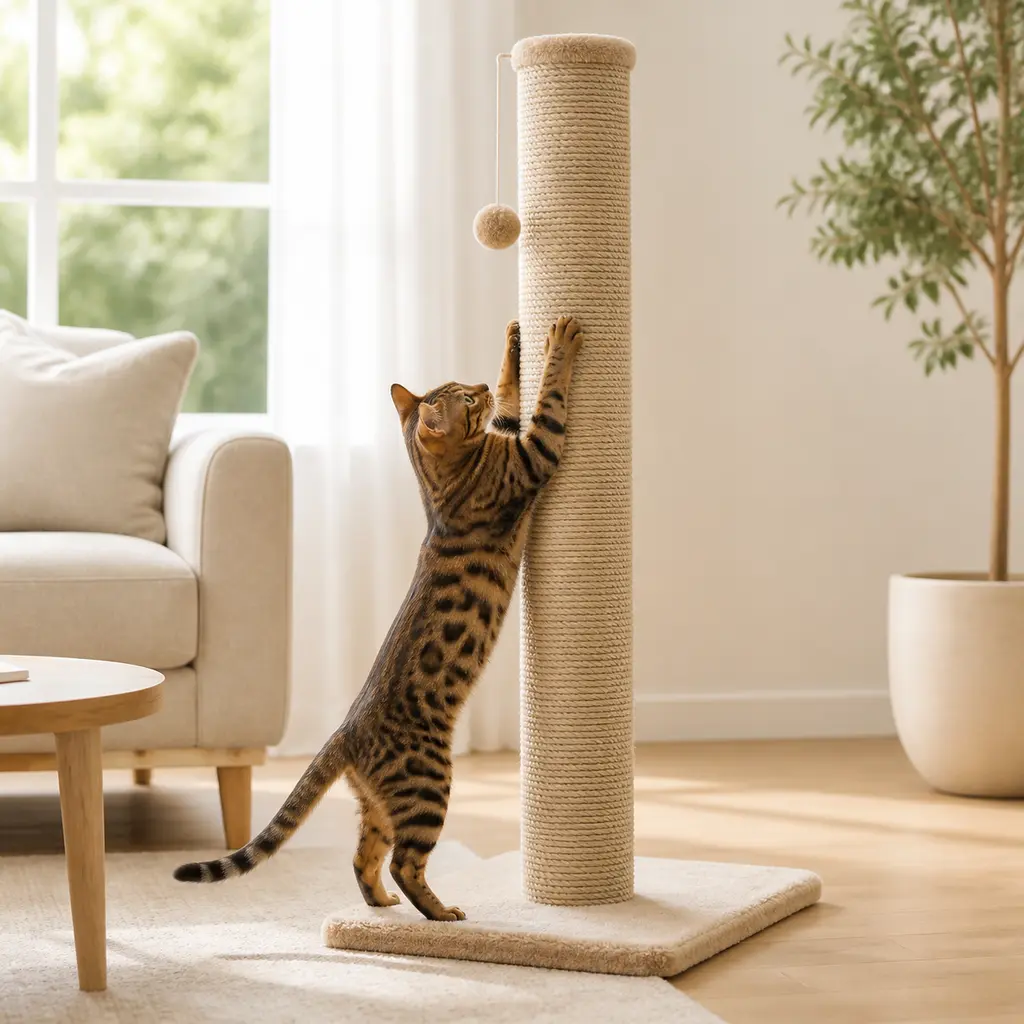
This earns its spot in best cats for seniors because it can give claws a full-height target before they choose furniture.
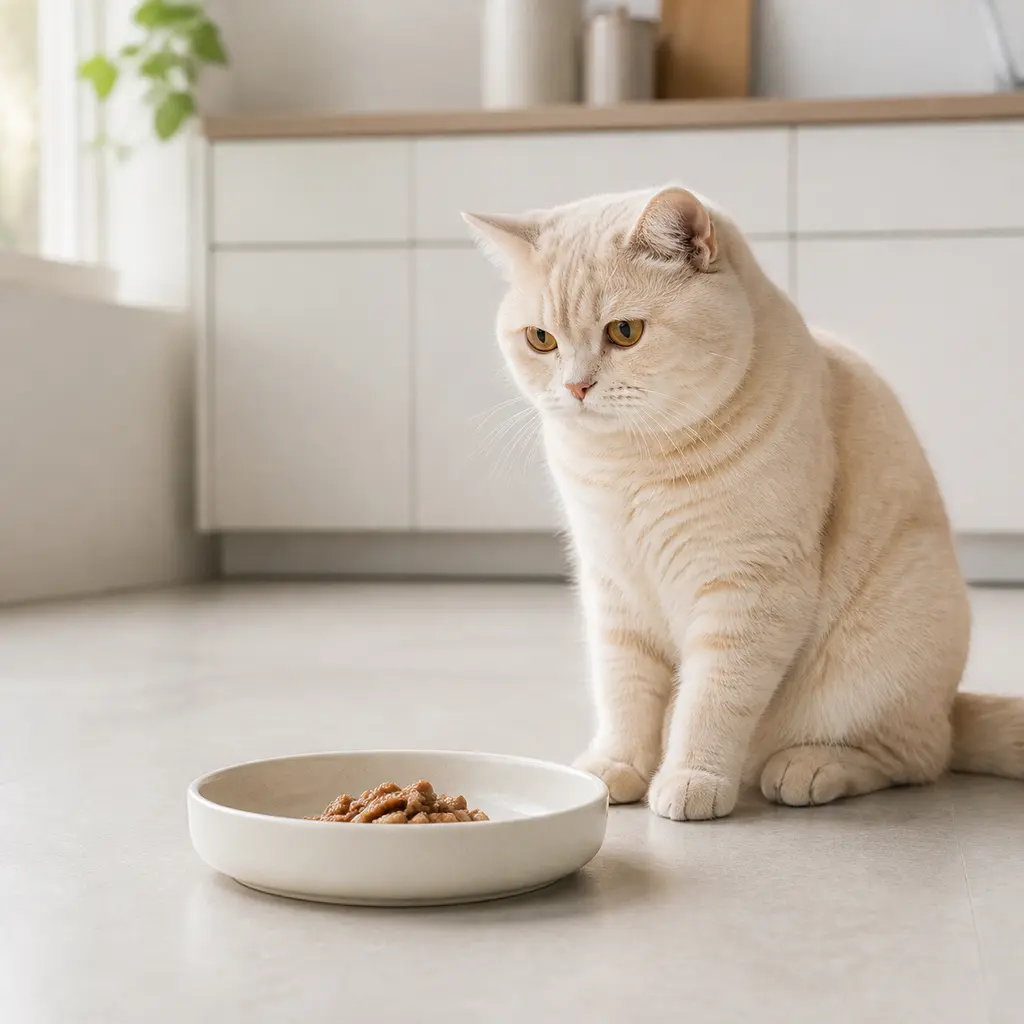
Best Cats for Seniors works better when the setup can spread the meal so leftovers, texture, and whisker comfort are easy to read.
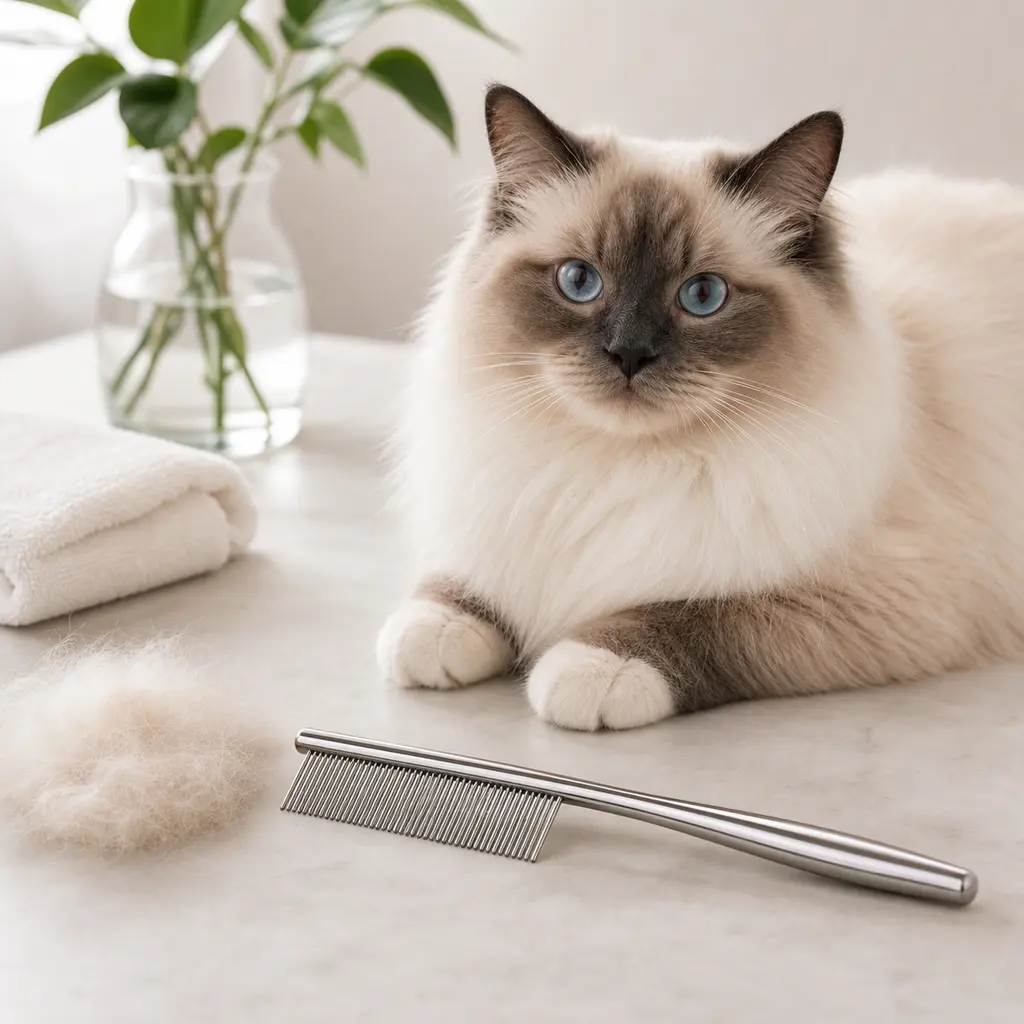
A good pick for best cats for seniors: it can find small tangles before they tighten behind ears, legs, or collars.
Use best cats for seniors as a starting point, then meet the individual cat and ask about grooming, energy, handling, litter habits, and how they recover from stress.
Slow down when the choice is based mostly on looks, stereotypes, or one cute moment. Ask the rescue, shelter, or breeder about the individual cat's routine before deciding.