

Updated
Breed guide
Biewer Terrier
Life with a Biewer Terrier is usually close and people-focused, with gentle handling, regular grooming, and a predictable home rhythm.

Energy
Biewer Terrier usually prefers a calmer pace, with short daily walks and easy play.
⚡⚡○○○
Grooming
Put grooming on the calendar for a Biewer Terrier, before mats or coat trouble make the job harder.
🧼🧼🧼🧼○
Family fit
Biewer Terrier usually fits family life best when play stays gentle and everyone respects the dog's size.
🏡🏡🏡🏡○
Cuddly
Biewer Terrier can be affectionate while still needing personal space and a predictable home rhythm.
💛💛💛○○
Training ease
Biewer Terrier usually learns quickly when the reward is clear and the lesson feels fair.
🎓🎓🎓🎓○
First-time fit
Biewer Terrier may feel smoother for someone comfortable with dog training, structure, and patient follow-through.
🌟🌟○○○
Apartment fit
Biewer Terrier can fit smaller homes when walks, manners, and quiet time are handled well.
🏢🏢🏢🏢○
Kid-friendly
Biewer Terrier can do well with kids when play is supervised and the dog gets a quiet escape.
🧸🧸🧸○○
Shedding
Biewer Terrier sheds some, so plan on regular brushing even if the coat is not difficult.
🍂🍂🍂○○
Watchdog
Biewer Terrier will usually notice changes at home without being a full-time guard dog.
🔔🔔🔔○○
Food needs
Measured meals help a Biewer Terrier stay lean, which makes exercise and joints easier on the dog.
🥣🥣🥣○○
Intelligence
Biewer Terrier is usually quick to spot patterns, including the ones you did not mean to teach.
🧠🧠🧠🧠○
Affection
Biewer Terrier often shows affection through trust, routine, and choosing to stay nearby.
💞💞💞○○
Great fit for
- Owners who like purposeful dogs and consistent routines.
- Homes ready for daily training, exercise, and boundaries.
- People who choose the breed for its real temperament, not rarity alone.
Think twice if
- This is not a good match for hands-off ownership.
- Early socialization and handling matter.
- Weight, structure, and boredom need steady management.
Personality
Biewer Terrier is usually at its best as a close house companion. Keep the handling gentle, the routine clear, and the dog involved without overwhelming it.
Exercise
Short daily walks and gentle play are usually enough. Keep the dog moving, but do not push a pace the breed does not enjoy.
Training
Training usually goes well when you reward the right choice quickly. Biewer Terrier can learn fast, so be just as careful about the habits you accidentally reward.
Grooming
Coat care is part of owning a Biewer Terrier. Brush on a schedule, check ears and nails, and budget for professional grooming when the coat calls for it.
Food
Measured meals matter. Keeping a Biewer Terrier lean protects joints, stamina, and everyday comfort.
Health
Keep teeth, knees, nails, and weight on your radar. Small dogs still deserve regular vet checks and real preventive care.
Useful gear
Affiliate links: Furball Cove may earn from qualifying purchases at no extra cost to you.
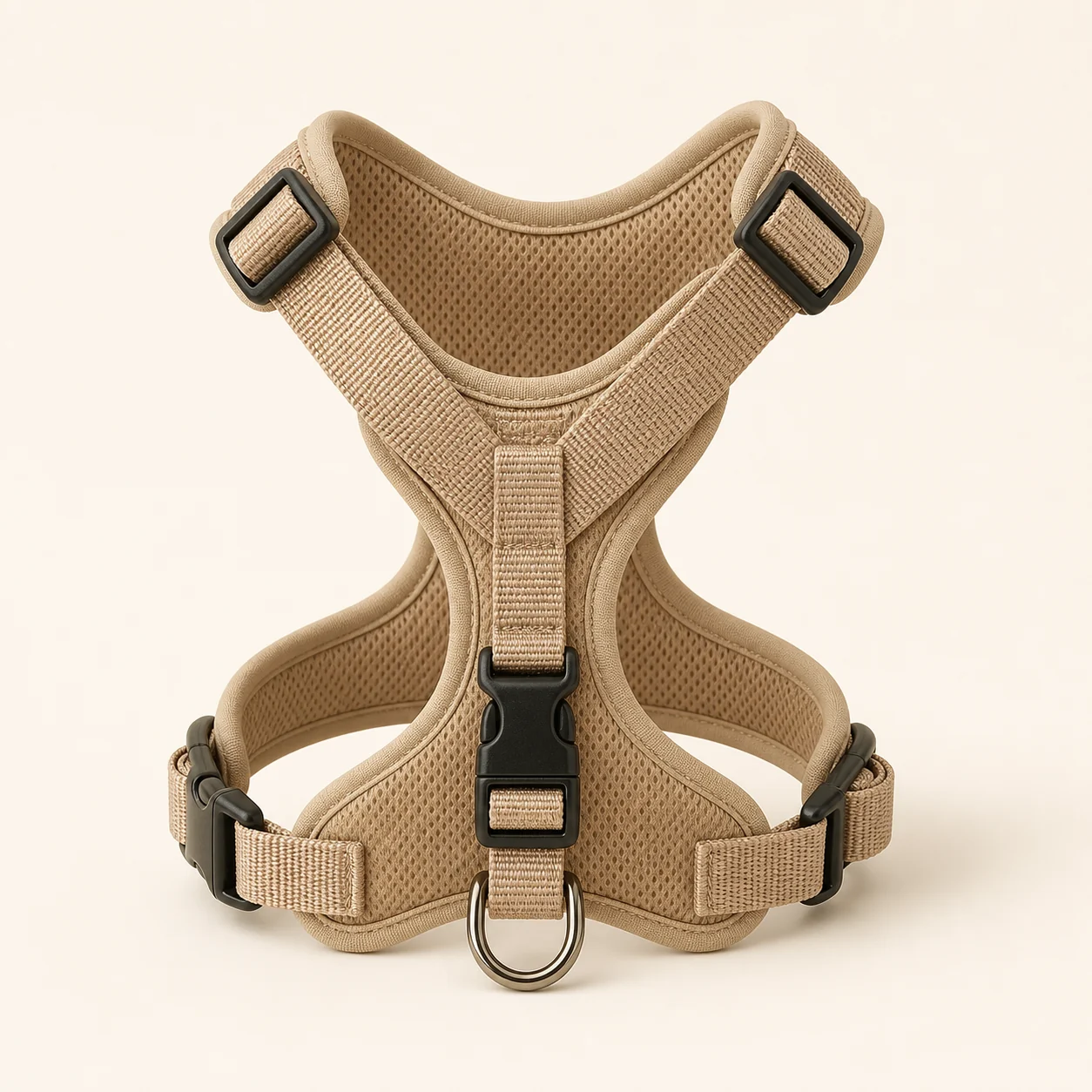
Small harness
A comfortable harness helps a Biewer Terrier walk politely without pressure on the neck.
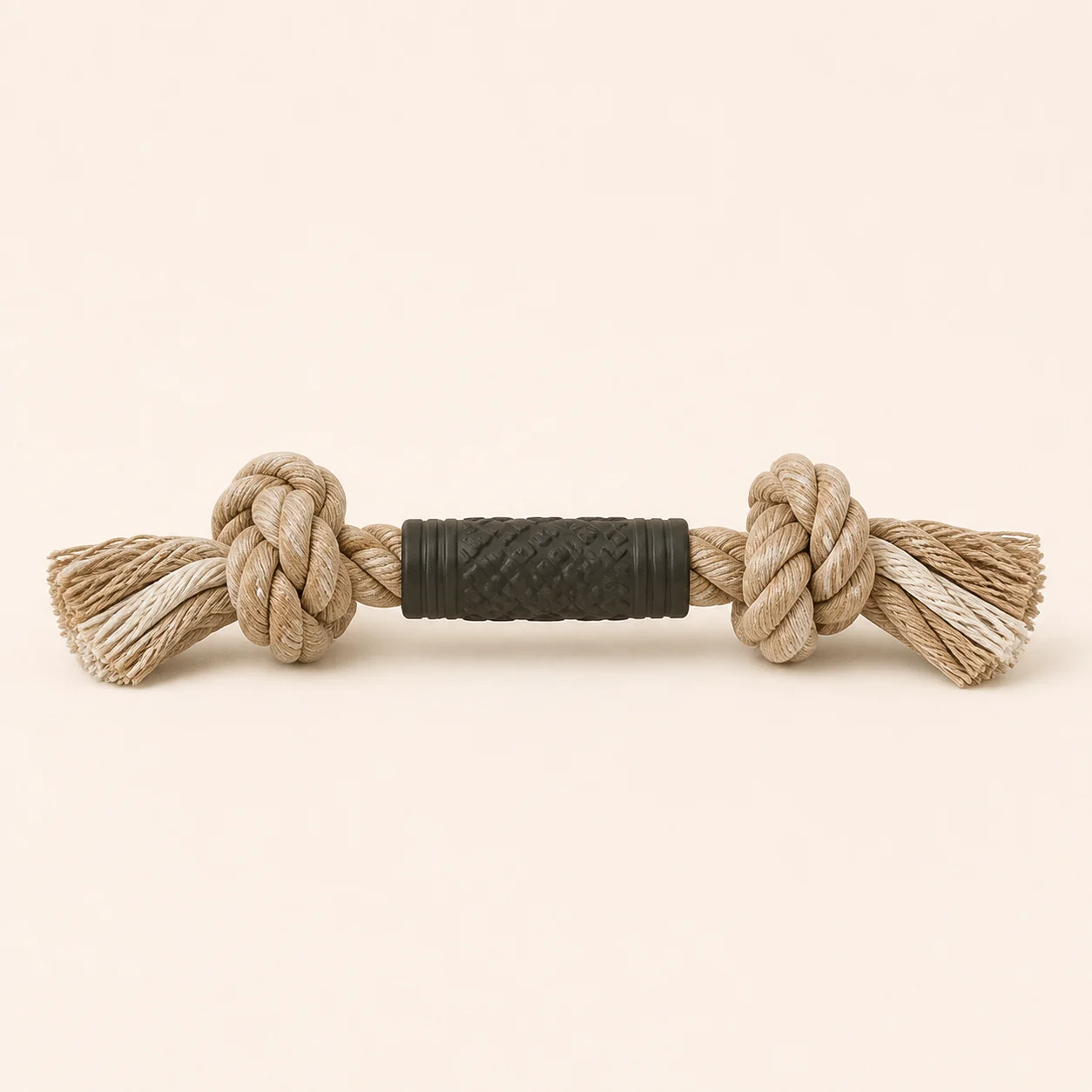
Tug toy
A useful outlet for a Biewer Terrier that needs something legal to chew, carry, or work on during quiet time.
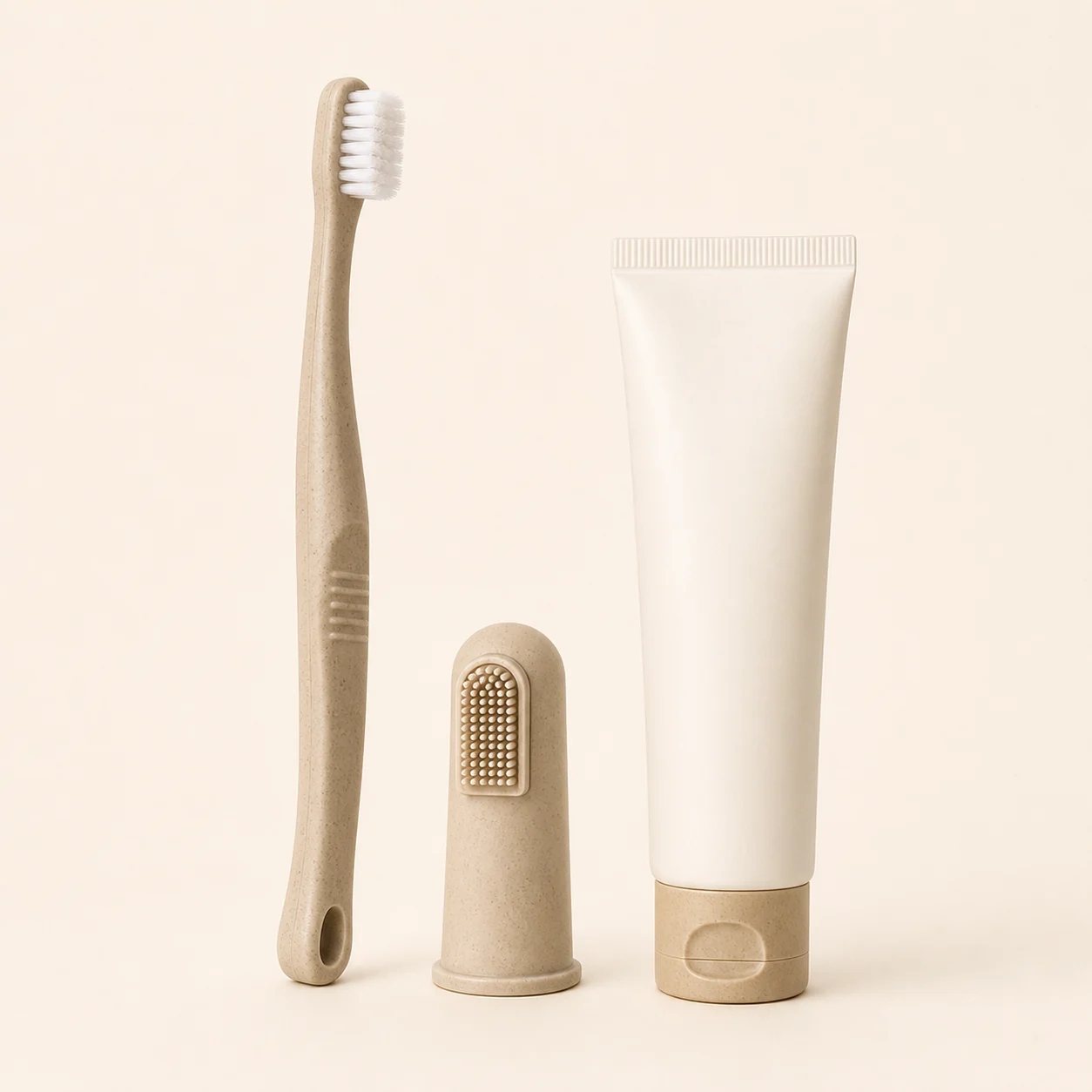
Dog toothbrush kit
An easy win for a Biewer Terrier. Dental care is easier when the brush and paste are already in the routine.
Biewer Terrier FAQ
Is a Biewer Terrier a good family dog?
Often, yes, when the daily routine fits the dog. For this breed, the short version is: good in the right structured home. Training, supervision, and enough exercise still matter.
Does a Biewer Terrier shed?
Infrequent. Brush on a routine that matches the coat instead of waiting until the house tells you it is time.
How much exercise does a Biewer Terrier need?
Daily walks plus training. Most dogs do best when walks, play, and a little training are part of the same daily rhythm.
Related dogs
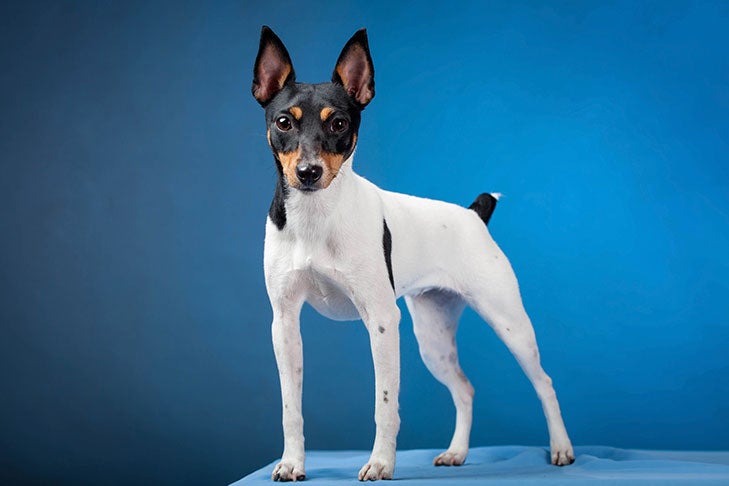
Toy Fox Terrier
Compare this toy dog if you like a related breed type but want to weigh daily care and temperament.
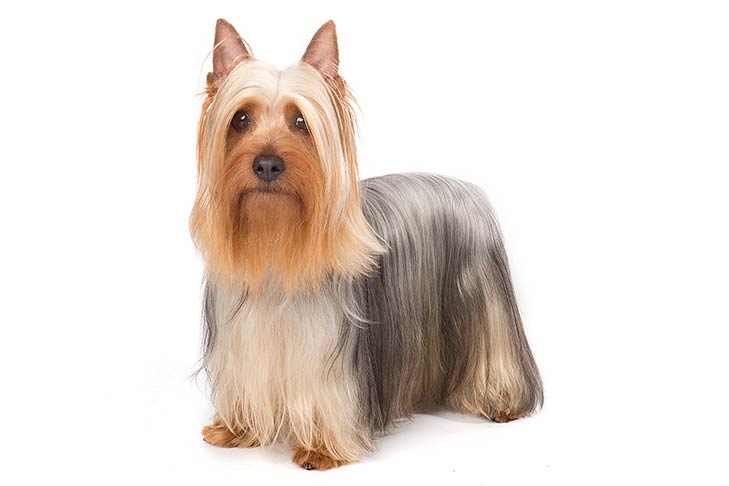
Silky Terrier
Compare this toy dog if you like a related breed type but want to weigh daily care and temperament.
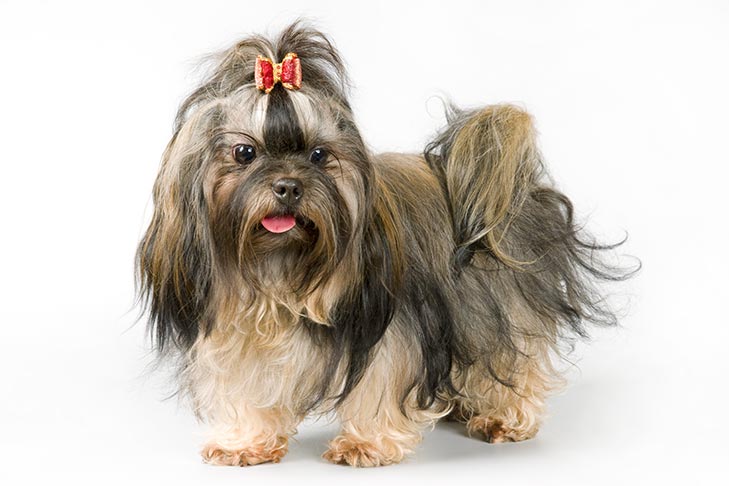
Russian Tsvetnaya Bolonka
Compare this toy dog if you like a related breed type but want to weigh daily care and temperament.
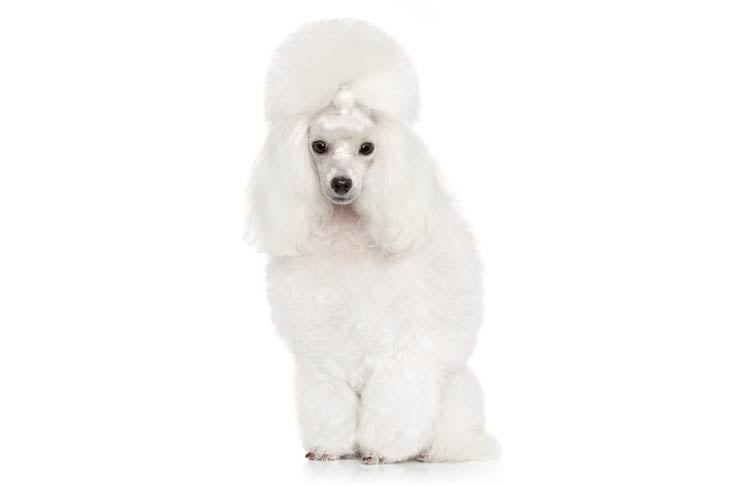
Poodle (Toy)
Compare this toy dog if you like a related breed type but want to weigh daily care and temperament.