What the name really means
Black is a coat color, not a breed. Some black cats are mixed Domestic Shorthairs; others may resemble or belong to recognized breeds.
Updated
Choosing a cat
Black cats should be chosen by temperament, health, and daily fit, not old myths.
A black coat can be sleek and beautiful, but it says very little about how the cat will handle your home.
Black is a coat color, not a breed. Some black cats are mixed Domestic Shorthairs; others may resemble or belong to recognized breeds.

Spend time with the cat when nothing exciting is happening. Notice whether they approach, blink, play, hide, vocalize, or prefer a perch.

Ask about age, medical history, litter habits, scratching, children, dogs, other cats, and whether the cat needs a slow first-room transition.

Compare Bombay if you love the sleek black look, then compare Domestic Shorthair for the shelter-cat reality most people meet.
Choosing pages should lead to practical setup, so these picks focus on travel, meals, scratching, and grooming.
Affiliate links: Furball Cove may earn from qualifying purchases at no extra cost to you.

Black Cats works better when the setup can turn vet-day handling into a setup you can practice before it matters.
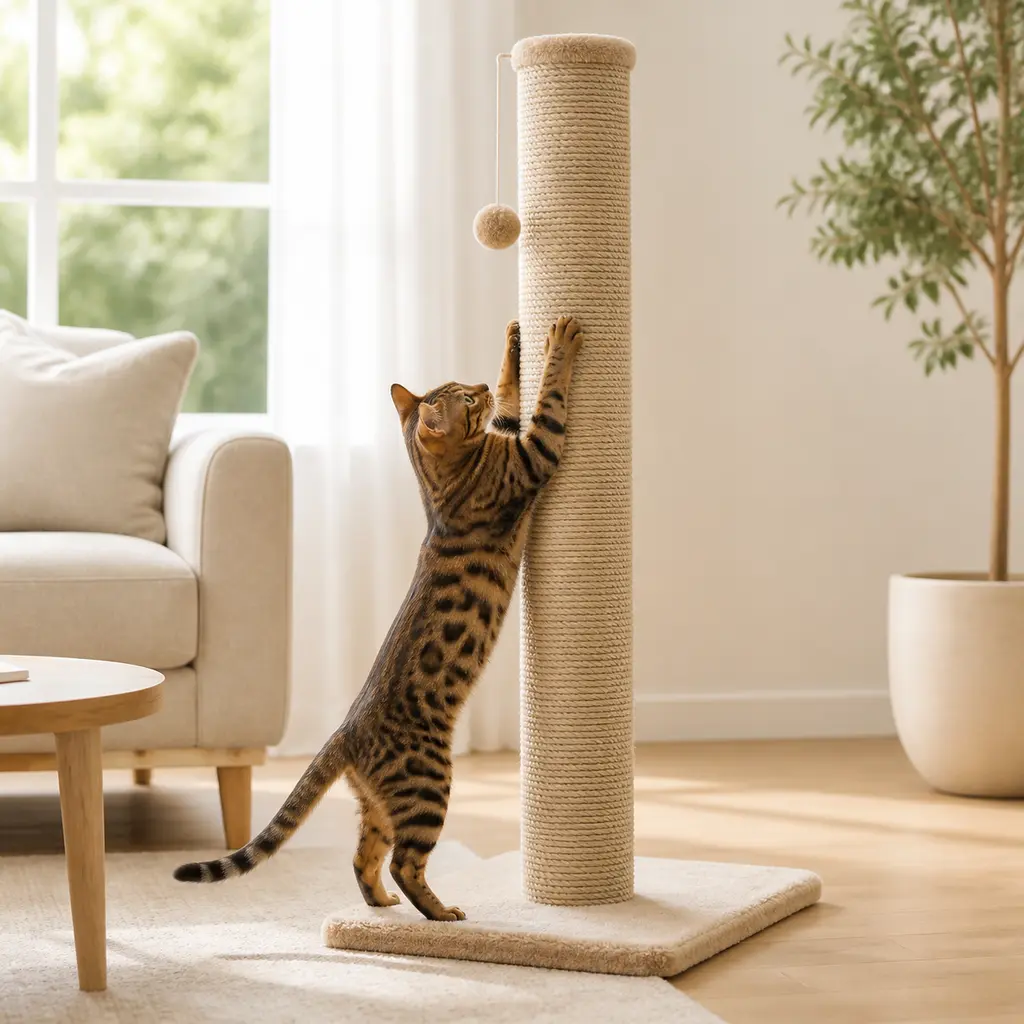
For black cats, choose this when you want to make claw care part of the room instead of a scolding moment.

A good pick for black cats: it can spread the meal so leftovers, texture, and whisker comfort are easy to read.
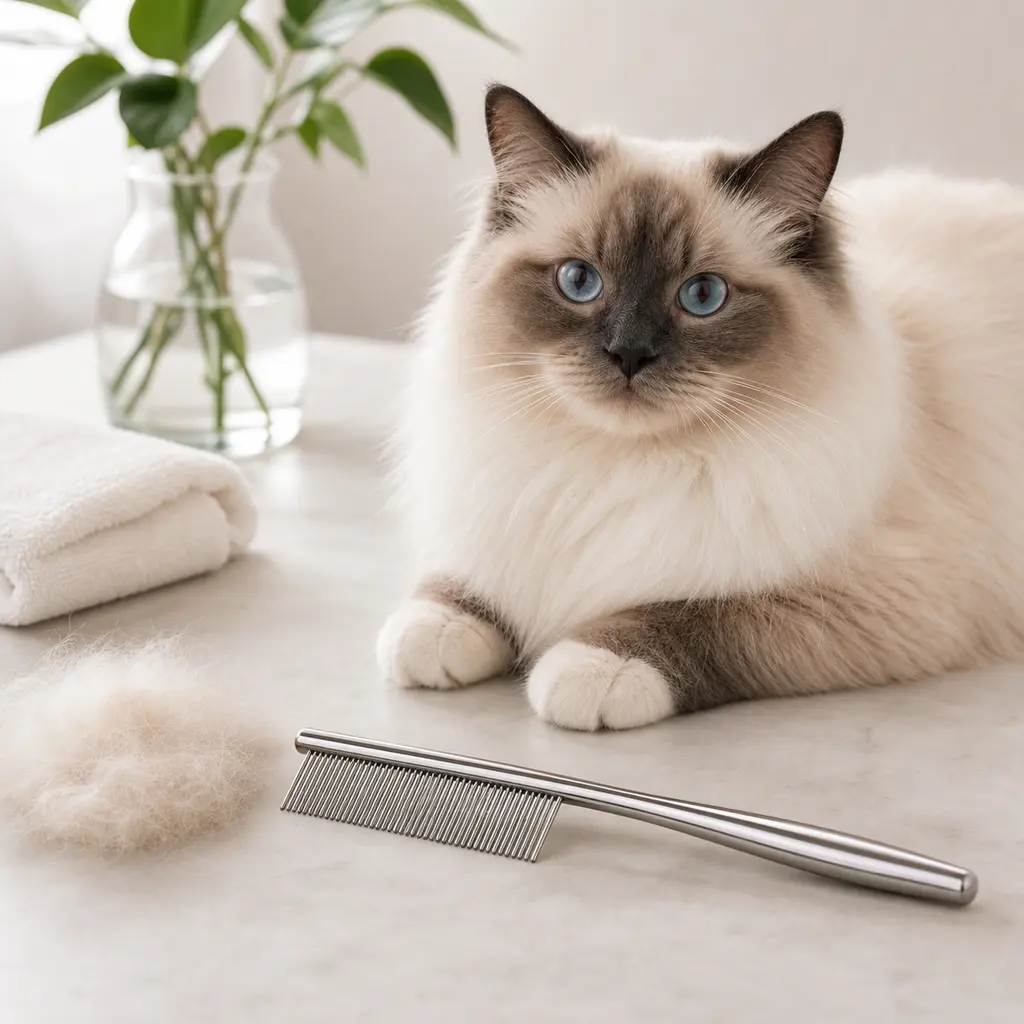
For black cats, choose this when you want to find small tangles before they tighten behind ears, legs, or collars.
Treat black cats like a comparison tool, not a promise. The right match depends on the cat's history, your routine, and how much care the household can repeat.
Slow down when the choice is based mostly on looks, stereotypes, or one cute moment. Ask the rescue, shelter, or breeder about the individual cat's routine before deciding.