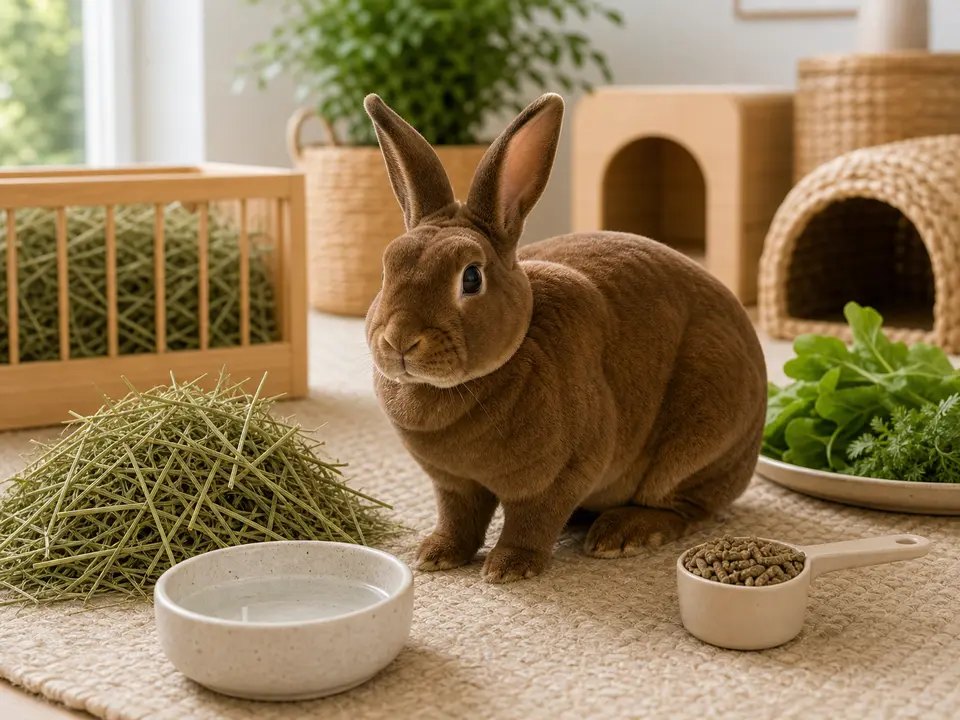
Bonding two rabbits means slowly helping compatible rabbits learn that they are safe together. Use neutral space, short supervised sessions, separate housing between sessions, and careful body-language reading. Do not just place two unfamiliar rabbits in one enclosure and hope they sort it out.
A bonded pair can be wonderful, but the process needs patience. Your job is to make each session calm enough that the rabbits can gather good information without being trapped, chased, or pushed into a fight.
Start with compatibility, not cuteness
Two rabbits who look sweet separately may not feel safe together right away. Age, sex, spay or neuter status, confidence, past bonding history, and personality all matter. A good bond starts with rabbits who can relax near each other, not just rabbits people wish would match. If you are adopting, ask whether a rescue can help with match-making or offer an already bonded pair.
Use neutral space for introductions
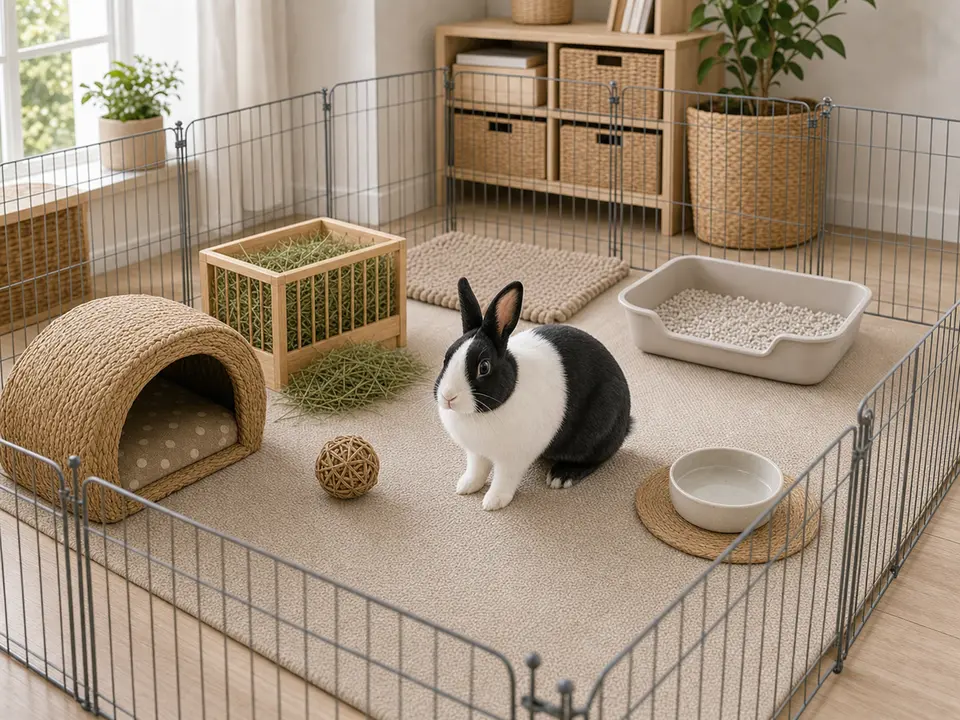
A neutral area helps reduce territory pressure. Keep the space simple, supervised, and easy to interrupt safely. Avoid starting in one rabbit's main enclosure, favorite litter corner, or hiding spot. Familiar territory can make a rabbit defend the room instead of learning the other rabbit.
Keep first sessions short
Early bonding sessions should end before tension builds. Watch for relaxed sitting, calm sniffing, grooming attempts, or choosing to disengage. Also watch for hard chasing, boxing, lunging, tail-up circling, or fur pulling. A quiet two-minute session can be more useful than a long session that ends badly.
Separate safely between sessions
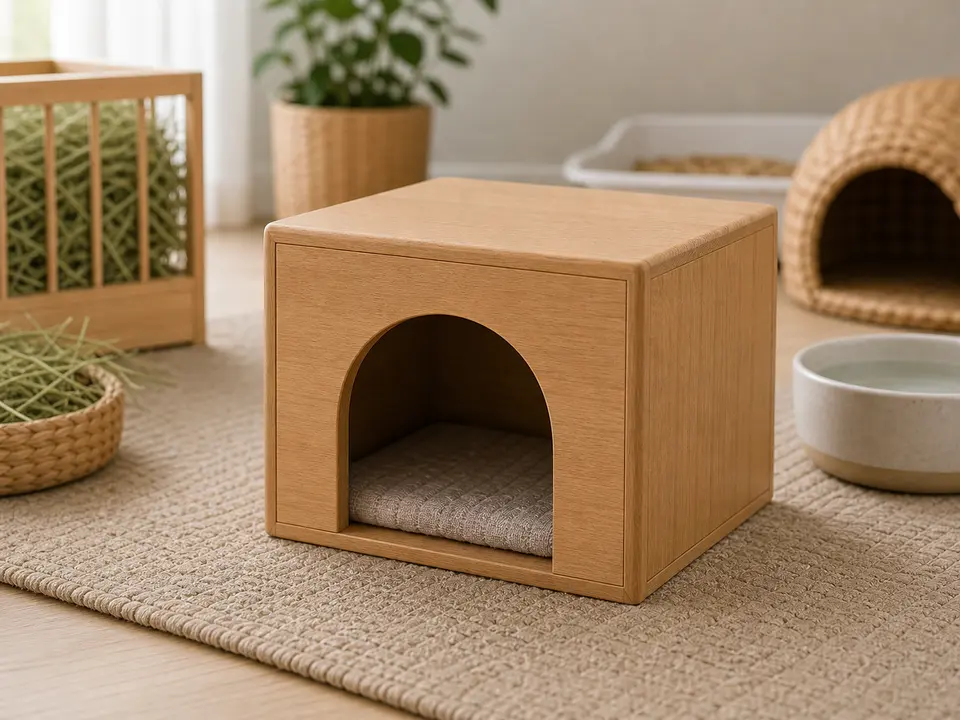
Until rabbits are truly bonded, they need secure separate spaces. They may live near each other with a safe barrier if that helps, but they should not share unsupervised space too soon. Keep hay, water, litter, and rest easy for both rabbits so stress does not build between meetings.
Write down rough bonding patterns
Freezing, frantic chasing, repeated mounting, fur flying, or one rabbit constantly hiding is not a cute getting-to-know-you phase. Write a short note about timing, location, and what happened before the rough moment, then slow the process down and change the setup. If introductions keep escalating, bring in a rabbit rescue or experienced bonding helper before anyone gets hurt.
Know when a pair is not ready
A pair is not ready for full-time sharing until they can rest, eat, move, and use the litter area together calmly across repeated bonding sessions. Even then, increase shared time gradually. The bond should look boring in the best way: shared space, normal hay eating, no one trapped in a corner, and both rabbits able to move away. If appetite, poop, movement, or stress changes after sessions, keep the rabbits separate and ask a rabbit-savvy vet or rescue for guidance.
Before you decide
Are both rabbits healthy, altered if appropriate, and ready for introductions?
Are sessions happening in neutral space, not one rabbit's main territory?
Can you separate the rabbits safely between sessions?
Do sessions end calmly before chasing or fighting escalates?
Next best moves
Consider adopting an already bonded pair if you want the simplest path to two rabbits.
Keep bonding sessions short, neutral, supervised, and calm.
Separate rabbits between sessions until the bond is stable.
Ask a rabbit rescue or experienced bonding helper if introductions keep getting tense.
Quiet tools for trust-building
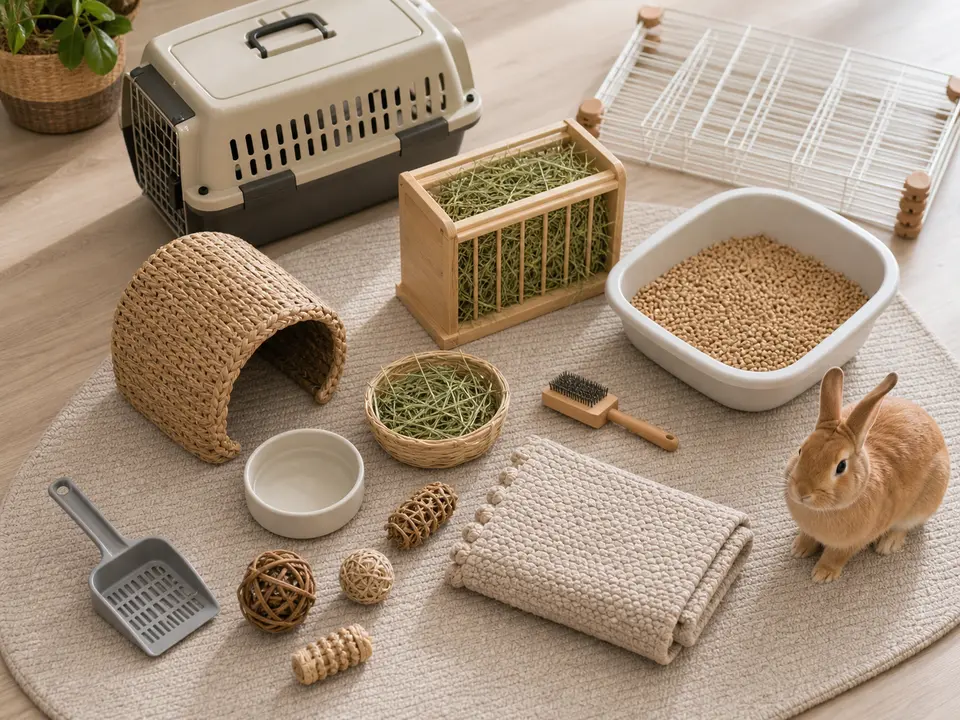
The best tools add choice, retreat space, and calm repetition instead of forcing contact.
Affiliate links: Furball Cove may earn from qualifying purchases at no extra cost to you.