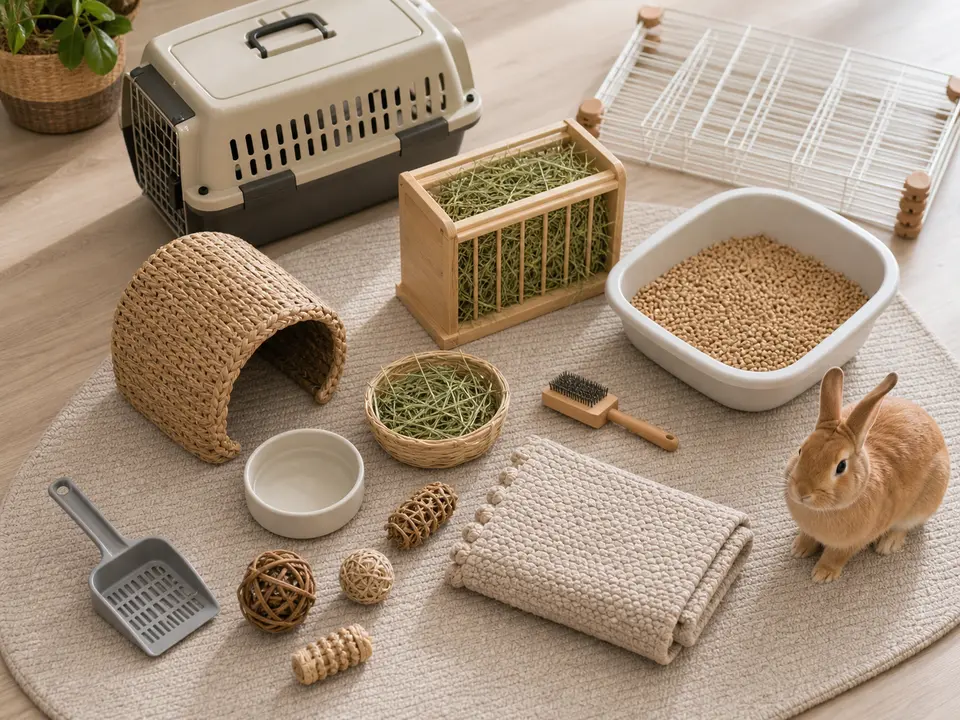
Brush a rabbit in short, calm sessions on a low non-slip surface. Use a gentle brush or comb that matches the coat, start with one or two easy passes, stop before your rabbit panics, and pay extra attention during molting or when tiny mats start forming.
Rabbit brushing should feel like routine care, not a wrestling match. The goal is to remove loose fur, notice skin or coat changes early, and teach your rabbit that grooming ends before it becomes scary.
Choose a tool your rabbit tolerates
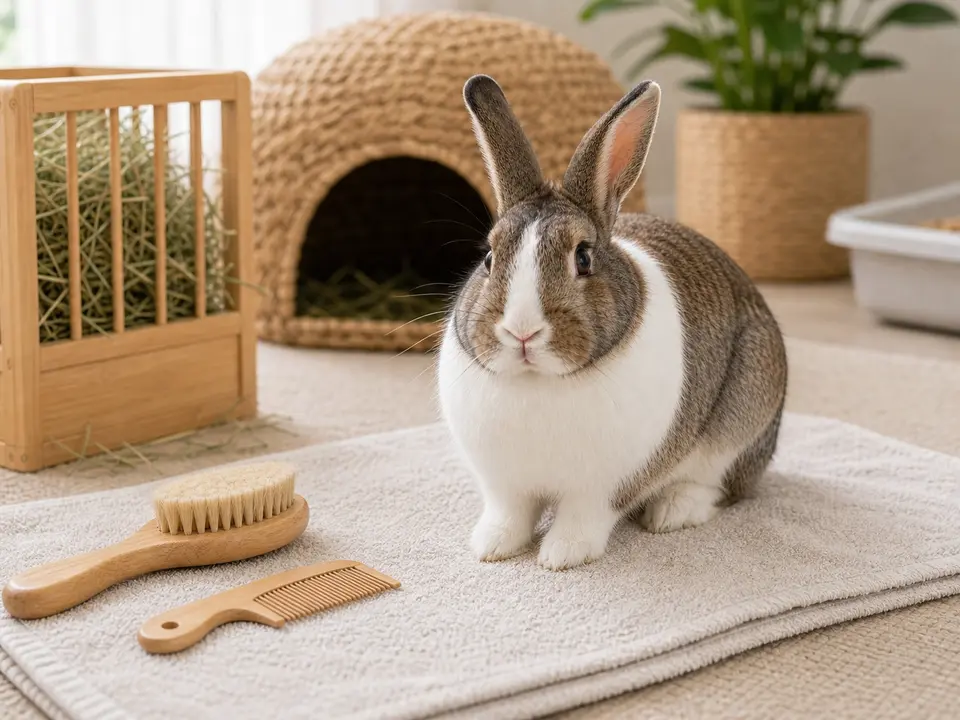
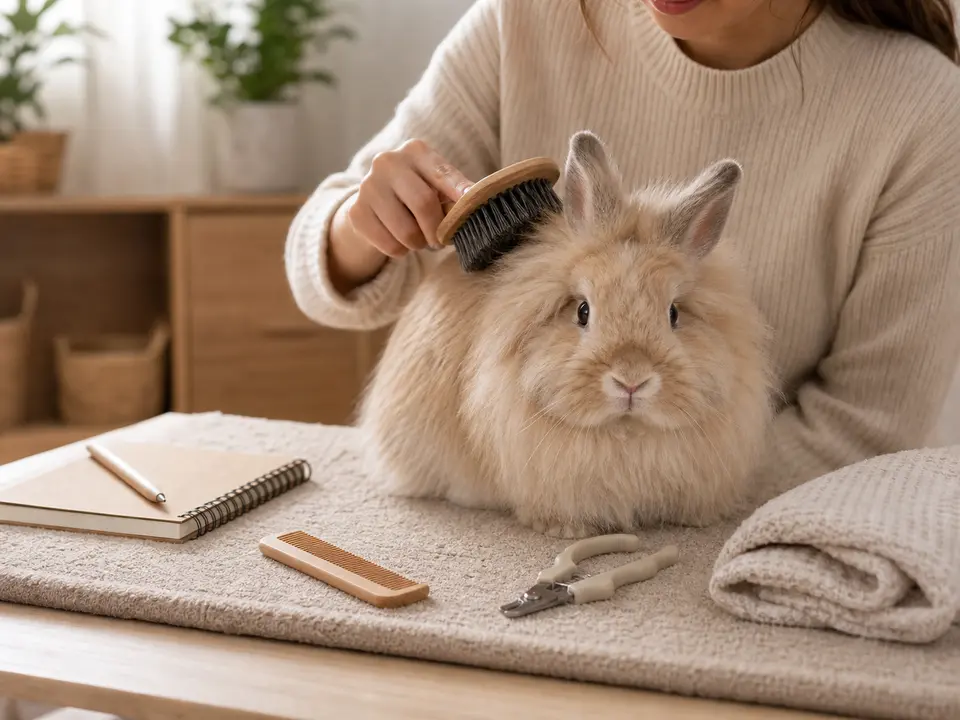
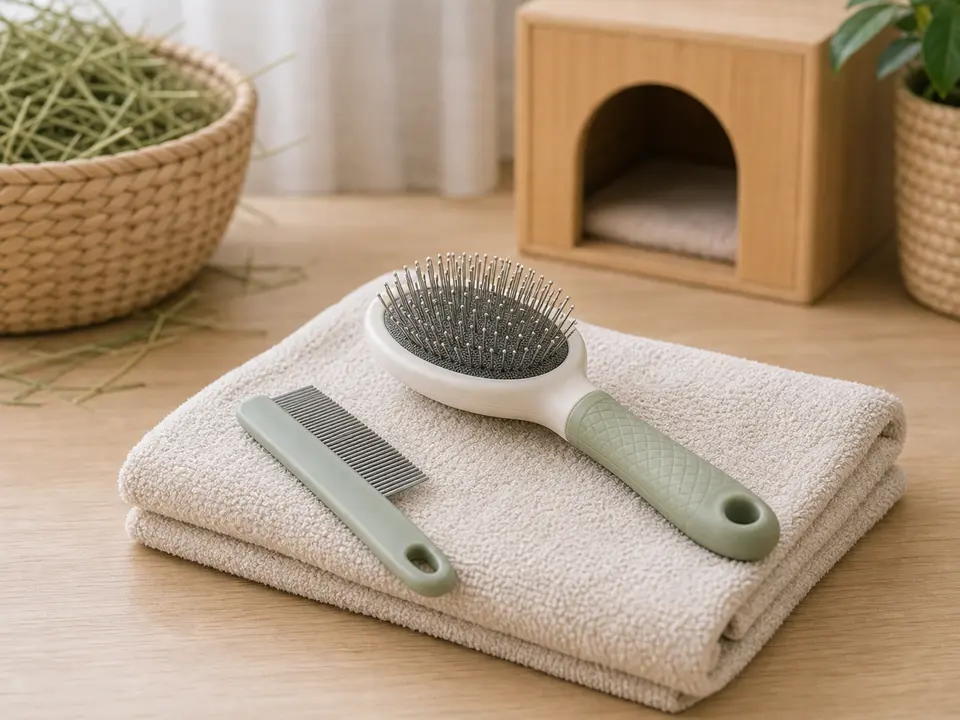
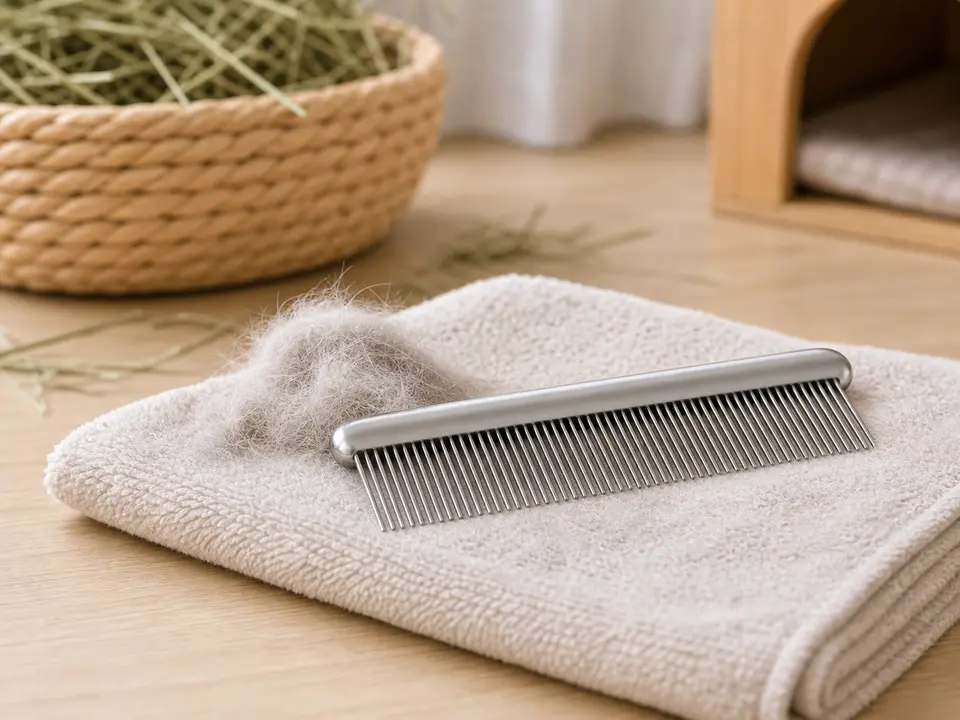
A soft brush, fine comb, or gentle grooming glove may work depending on coat type and sensitivity. The best brush is not always the one that removes the most fur in one pass. It is the tool your rabbit can tolerate often enough to keep the coat comfortable. If your rabbit flinches from one tool, switch texture before pushing harder.
Work low on steady flooring
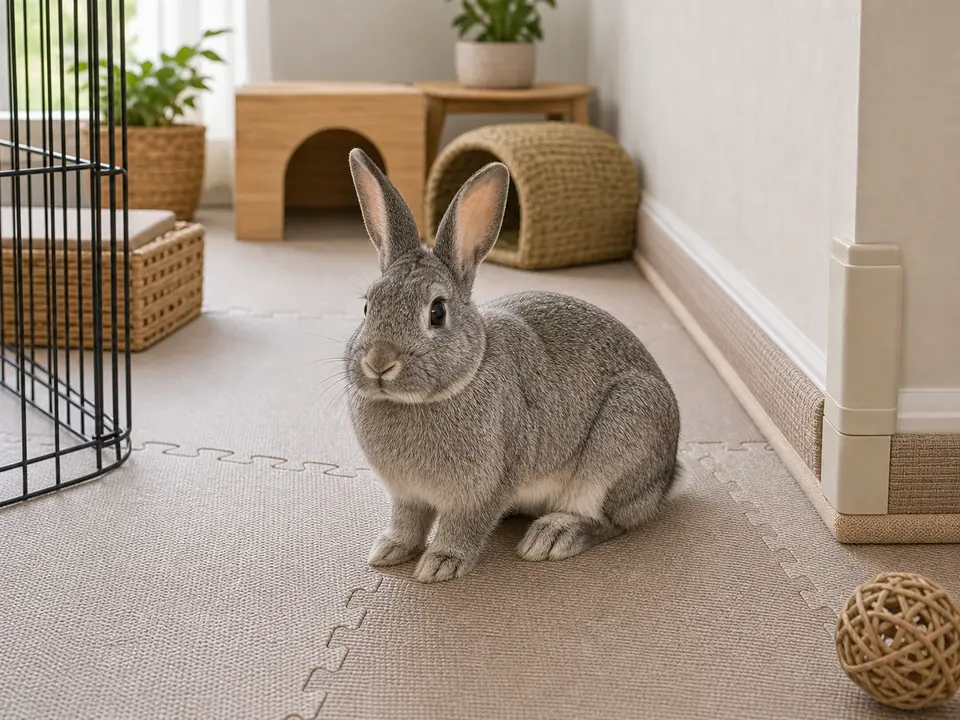
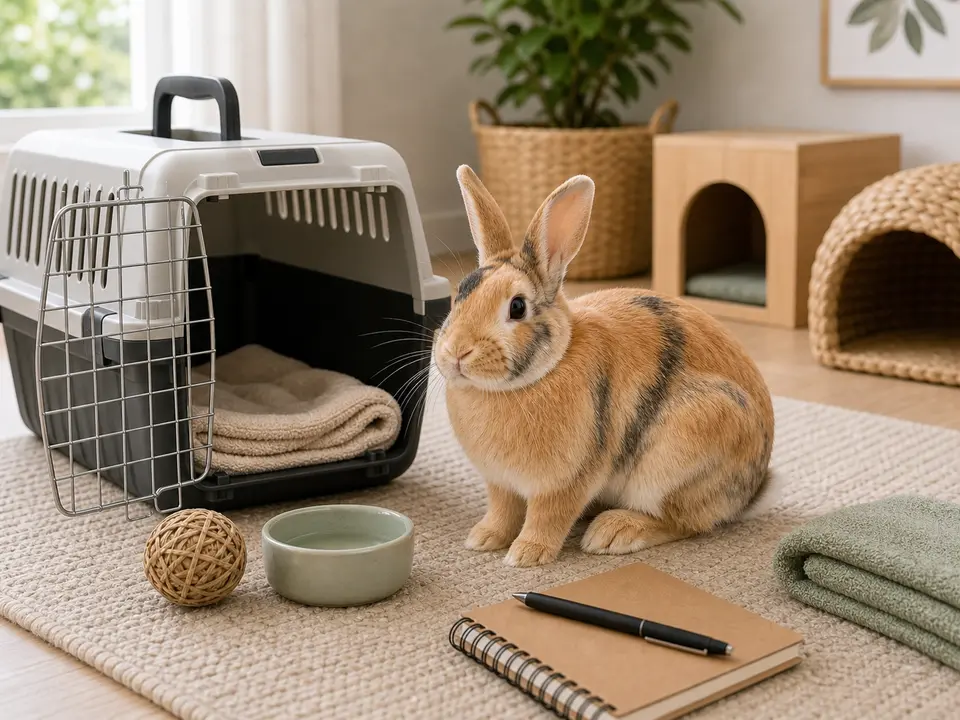
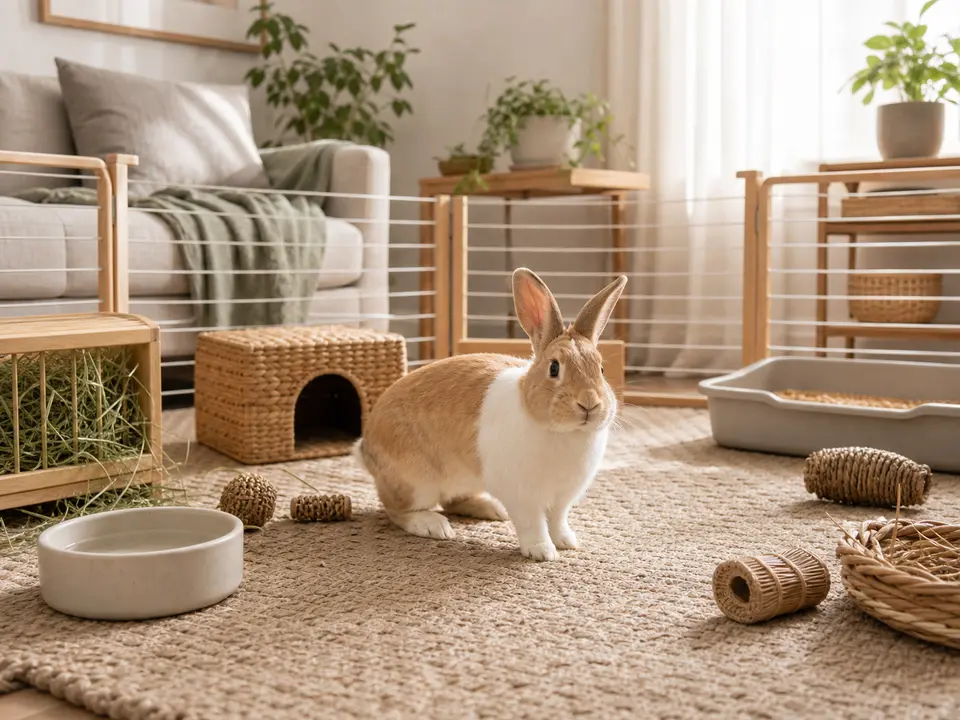
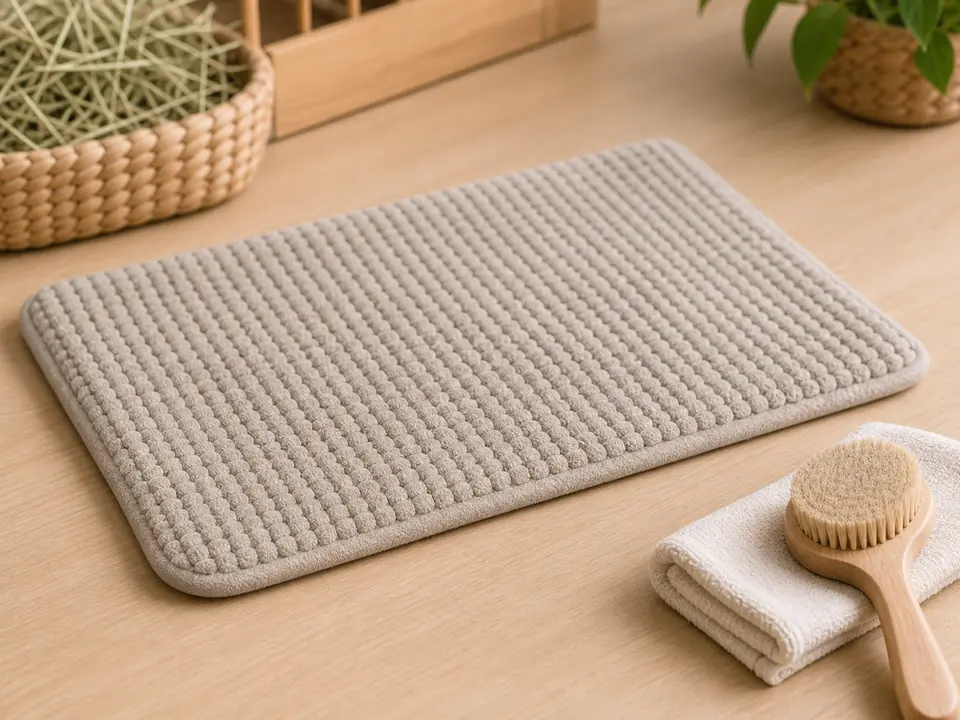
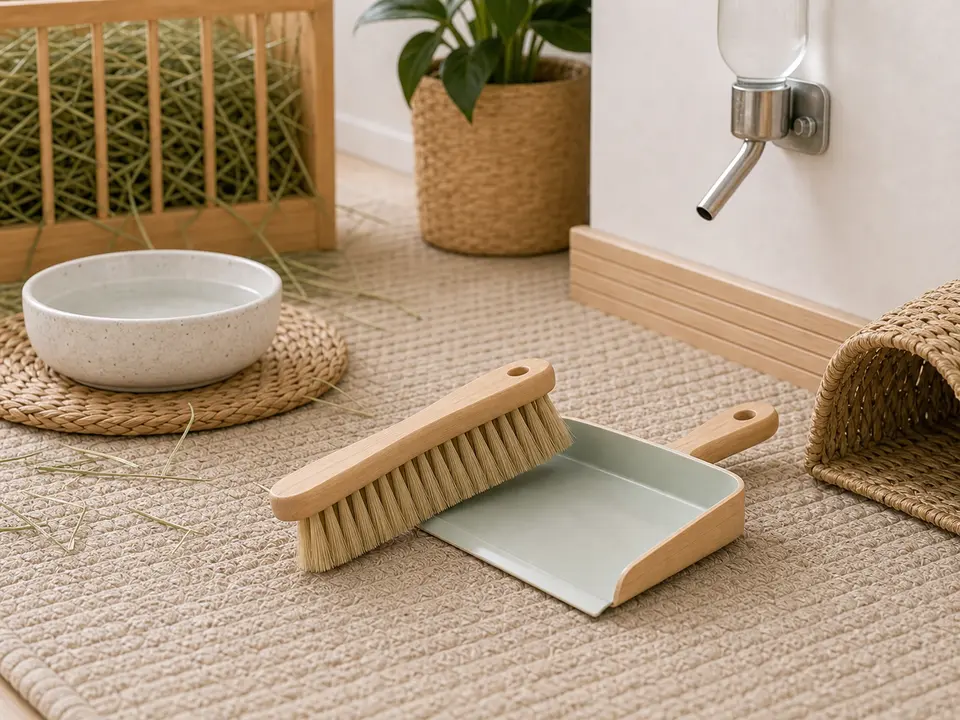
Brush on a non-slip mat, rug, or low floor setup so your rabbit does not slide or feel trapped high above the ground. Keep treats, comb, brush, and a towel within reach before you start. A calm setup prevents half the struggle.
Start with one tiny pass
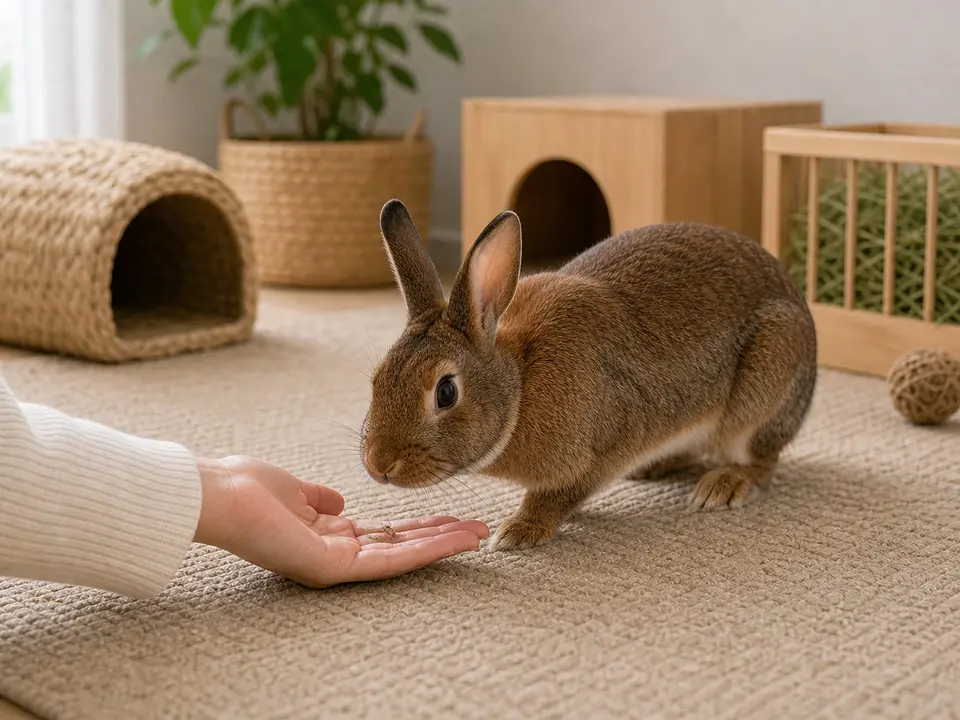
Begin with one or two gentle strokes in an easy area, then stop and let your rabbit settle. Short successful sessions teach more than a long session that ends with chasing. Build slowly, especially with rabbits who hop away after the first touch. Let the next session feel familiar, not surprising.
Brush more during molting
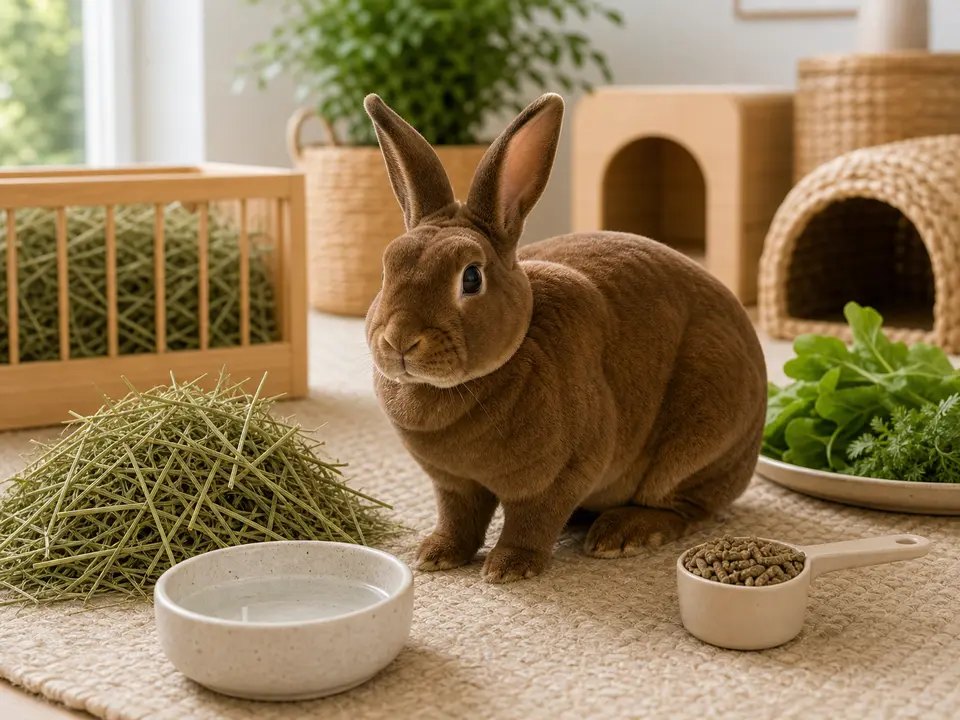
Molting can leave loose fur in clumps, on rugs, and in the litter box. During heavy shedding, brush more often and watch hay intake, water, and poop size. Loose fur plus reduced eating or tiny poops is a reason to call a rabbit-savvy vet. Keep fresh hay especially easy.
Do not pull tight mats
Tiny tangles can sometimes be loosened gently, but tight mats near the skin, behind the ears, under the chin, or around the tail need care. Rabbit skin is delicate. If a mat feels stuck, close, painful, or confusing, ask a rabbit-savvy groomer or vet for help.
Make brushing part of normal life
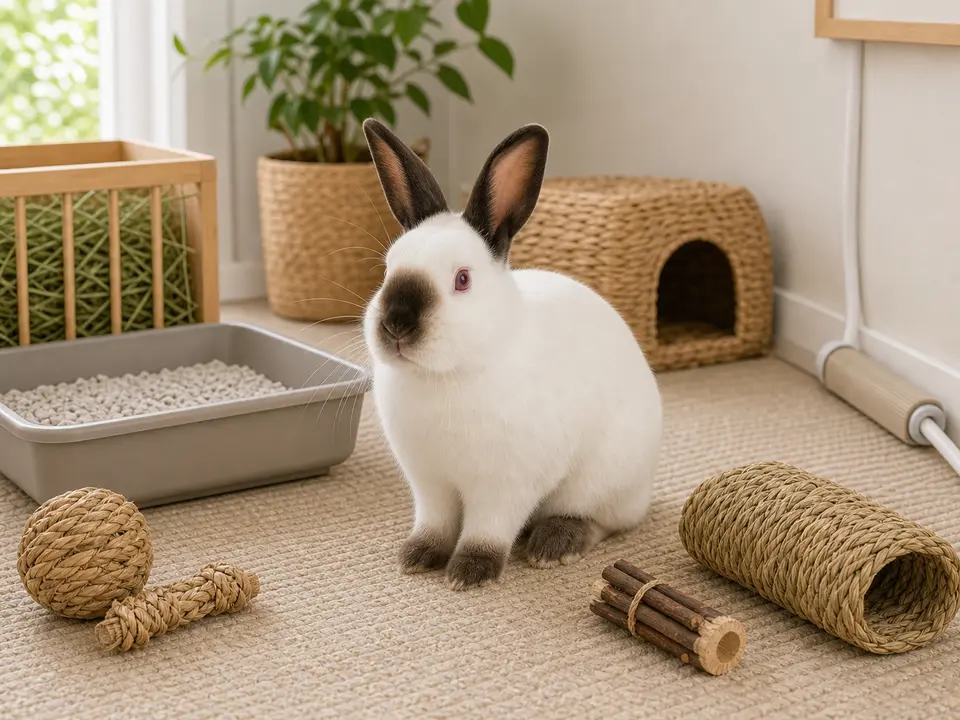
A quick coat check during floor time is easier than waiting for a big grooming day. Keep the brush nearby, end sessions early, and notice what changed: more shedding, flakes, damp fur, sore spots, or a rabbit who suddenly dislikes touch. Small checks also help you learn which areas your rabbit accepts and which need extra patience.
Before you decide
Is your rabbit on a low non-slip surface?
Is the brush gentle enough for frequent use?
Are sessions short enough to end calmly?
Are mats, skin changes, appetite, and poop being watched during shedding?
Next best moves
Choose tolerance over speed when selecting a brush.
Brush in tiny calm sessions, especially during molting.
Stop before your rabbit has to fight the session.
Get rabbit-savvy help for tight mats, sore skin, damp fur, or grooming paired with appetite or poop changes.
Grooming tools that stay useful
Choose gentle tools that make short, repeatable sessions easier.
Affiliate links: Furball Cove may earn from qualifying purchases at no extra cost to you.