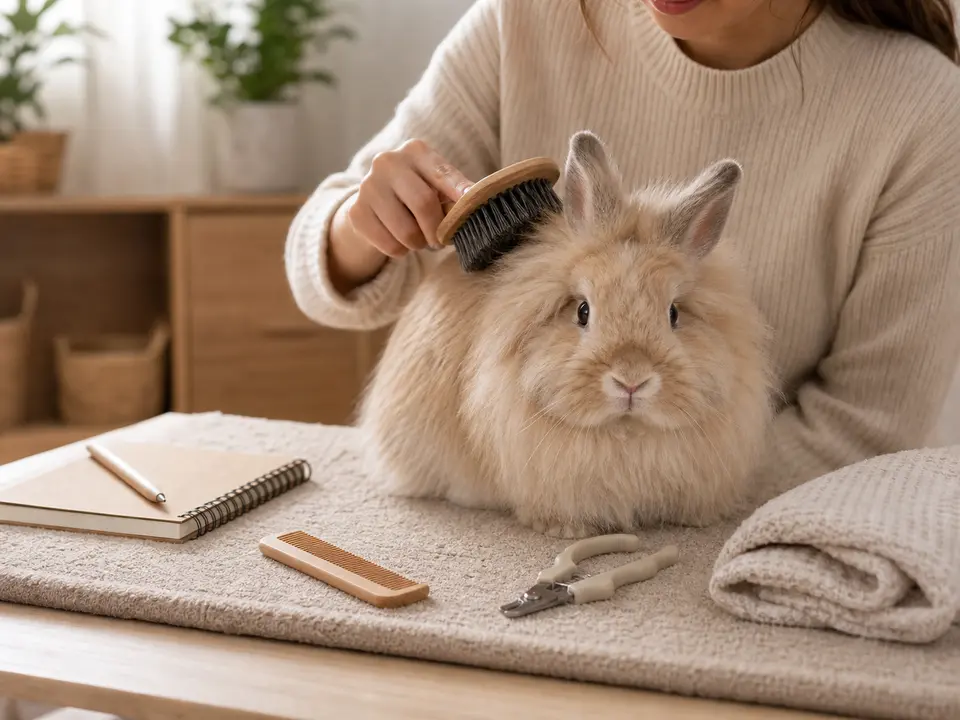
Start gentle
A soft brush or grooming glove is often the best first tool because it removes loose fur without making every stroke feel sharp. Use it for a few calm passes, then stop before your rabbit decides brushing means being trapped.
Updated
Rabbit question
For most short-coated rabbits, start with a soft brush, grooming glove, or gentle rubber brush. Add a fine comb for small mats or longer coats, and avoid harsh tools that pull at the skin unless a rabbit-savvy groomer or vet has shown you how to use them safely.
The best brush is the one your rabbit can tolerate often enough to keep loose fur and mats under control. Think calm, short sessions on a steady surface, not one dramatic grooming day after the coat is already a problem.
A soft brush or grooming glove is often the best first tool because it removes loose fur without making every stroke feel sharp. Use it for a few calm passes, then stop before your rabbit decides brushing means being trapped.
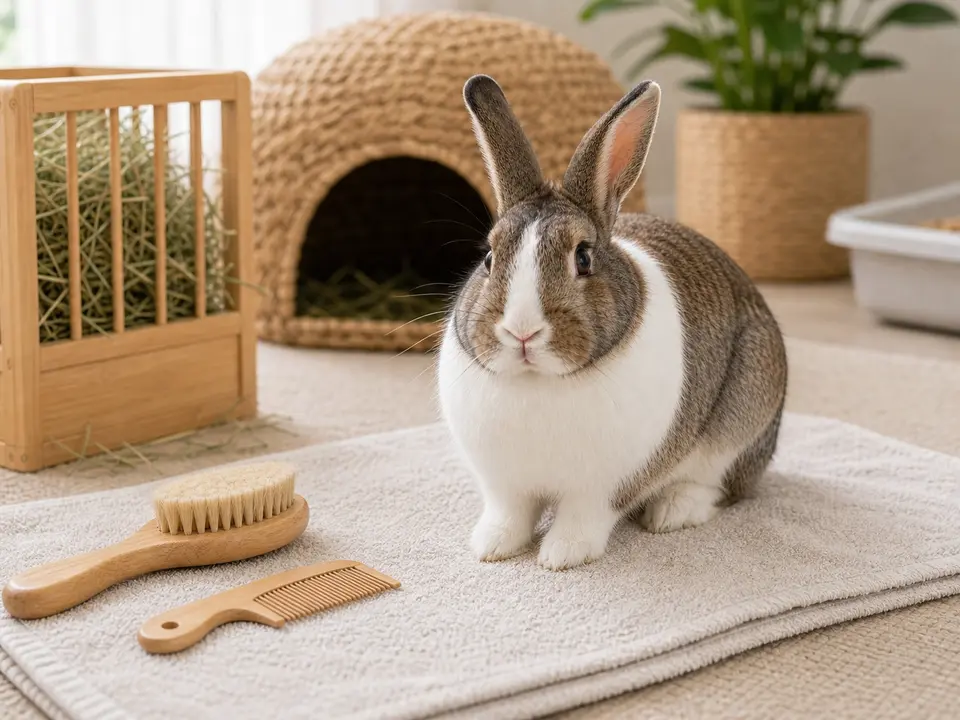
A fine comb can help with tiny mats behind the ears, under the chin, or around the tail, but do not yank through knots. Hold the fur near the skin, work slowly, and stop if the mat is tight, painful, or close to delicate skin.
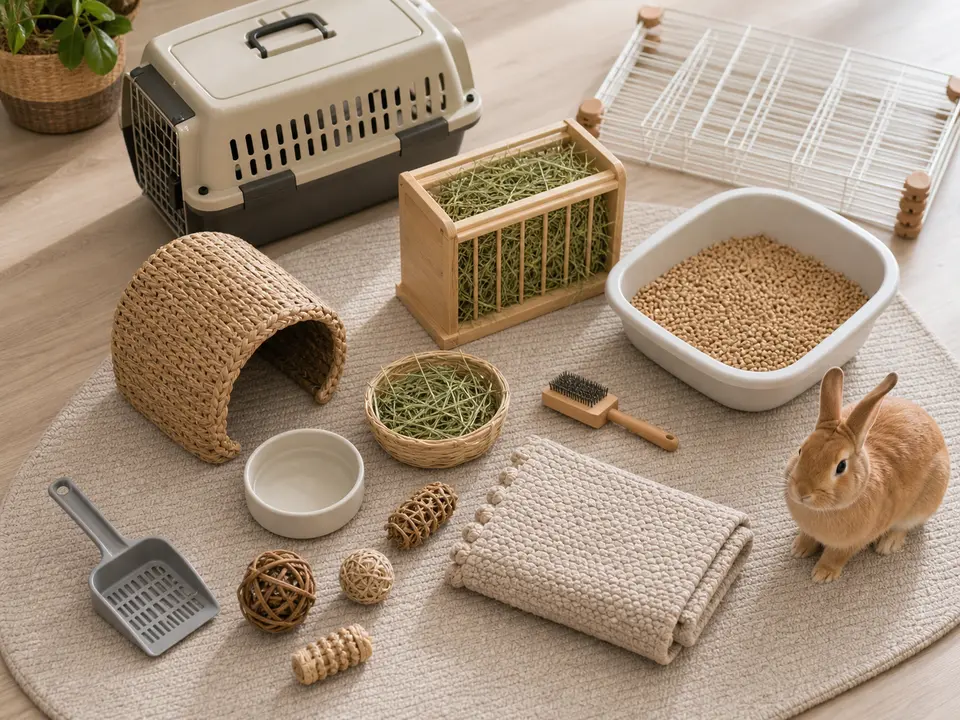
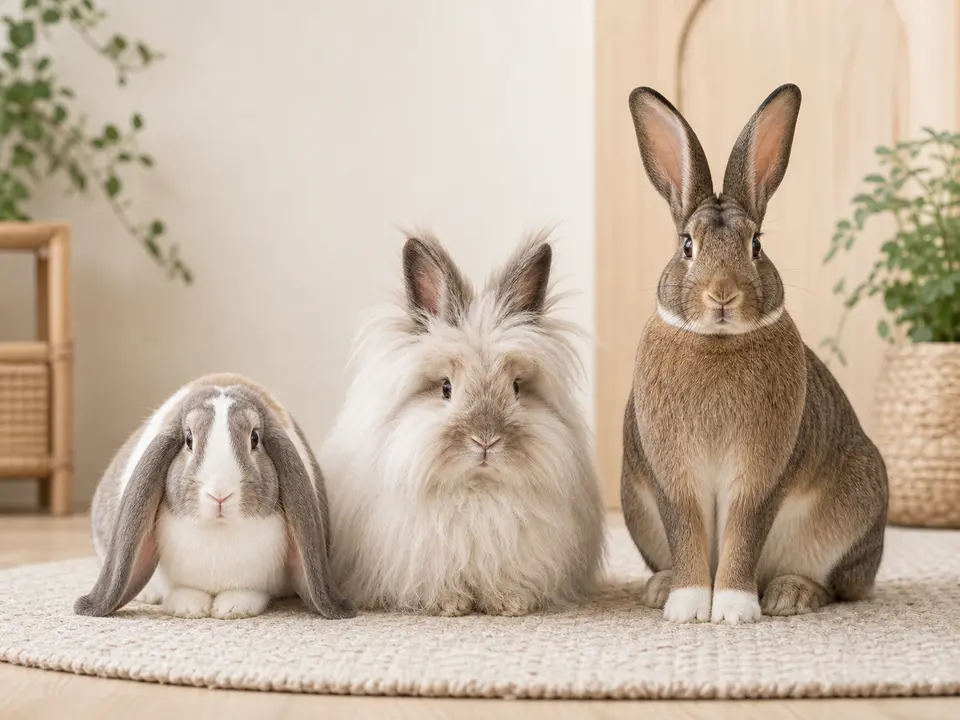
A sleek short coat, a woolly coat, and a heavy molt do not need the same tool. Long-haired or woolly rabbits may need more frequent combing and more expert help than a short-coated rabbit who only needs loose fur lifted during shedding.
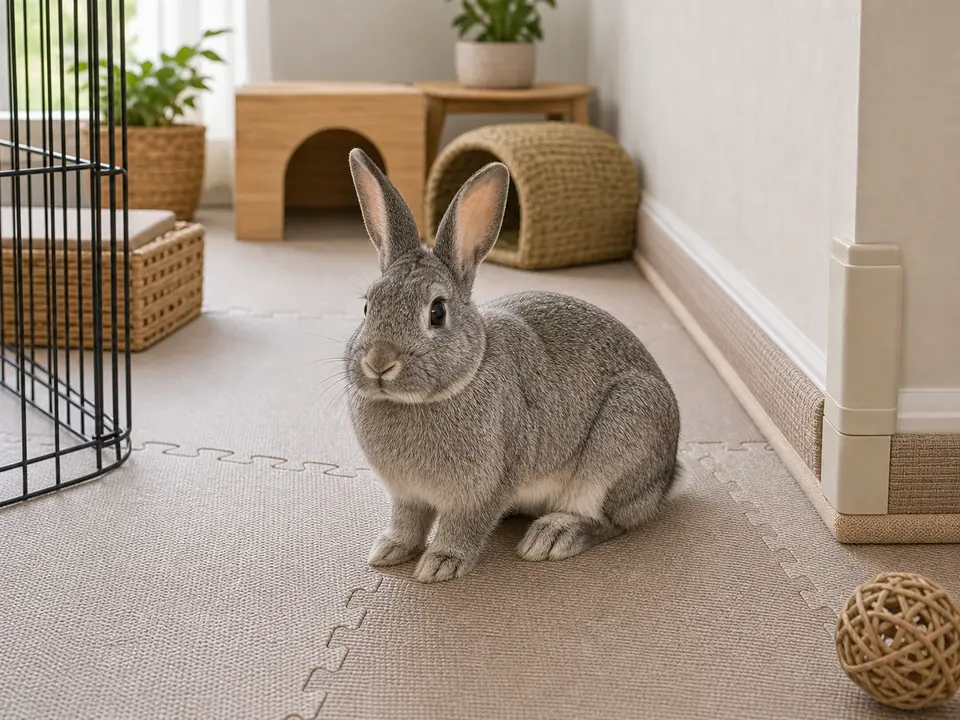
Brush on a low, non-slip mat or towel so your rabbit is not sliding away while you work. Keep treats nearby, use one calm hand, and let tiny sessions count. A rabbit who hops away after a few strokes is telling you where today's limit is.
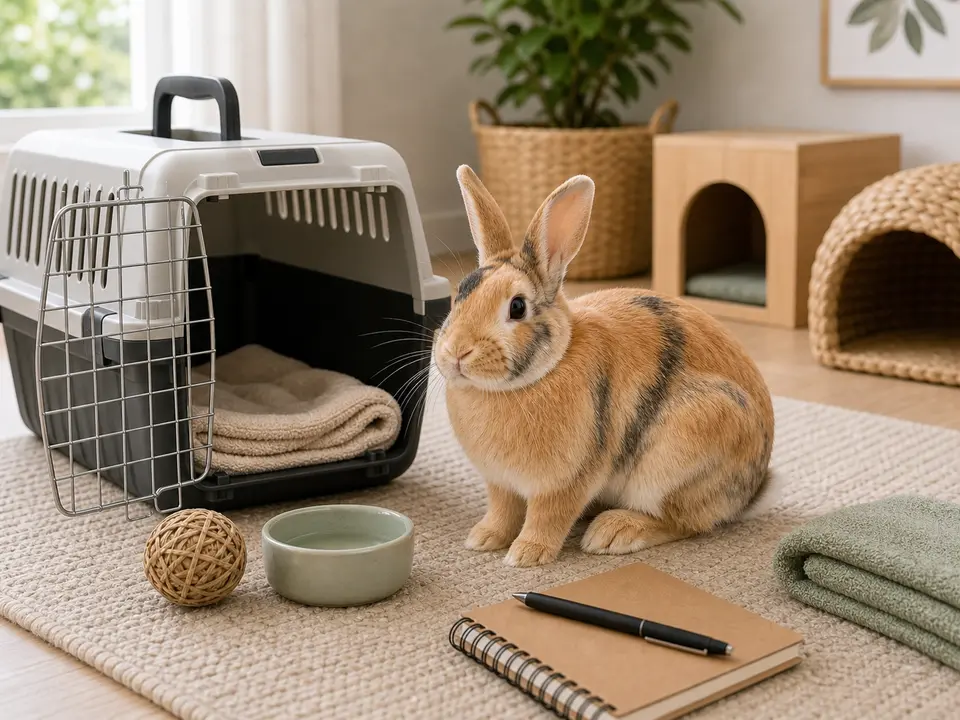
If mats are tight to the skin, the coat is packed, the skin looks sore, or your rabbit panics every time, stop forcing it. A rabbit-savvy vet or experienced groomer can help protect the skin and make the next home routine gentler.
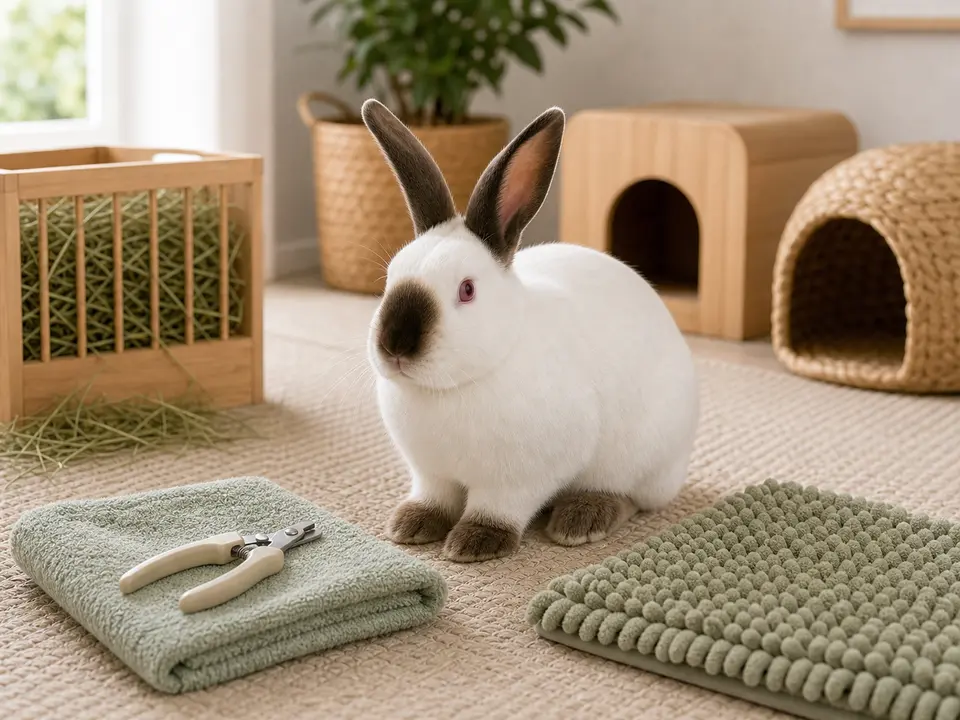
Most homes do not need a drawer full of grooming tools. A soft brush or glove, a fine comb, a towel or non-slip mat, good lighting, and nail clippers cover the basics for many rabbits. Add specialty tools only when the coat truly needs them.
Buy for comfort and repeatable care, not for the biggest tool kit.
Affiliate links: Furball Cove may earn from qualifying purchases at no extra cost to you.
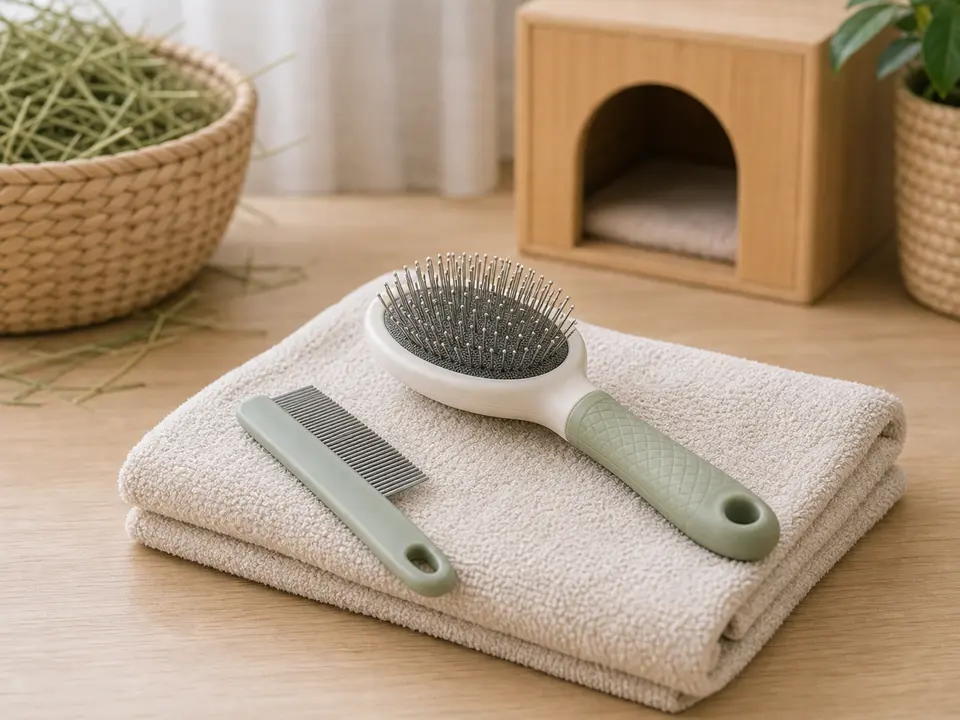
A gentle first brush for lifting loose fur without making every stroke feel harsh.
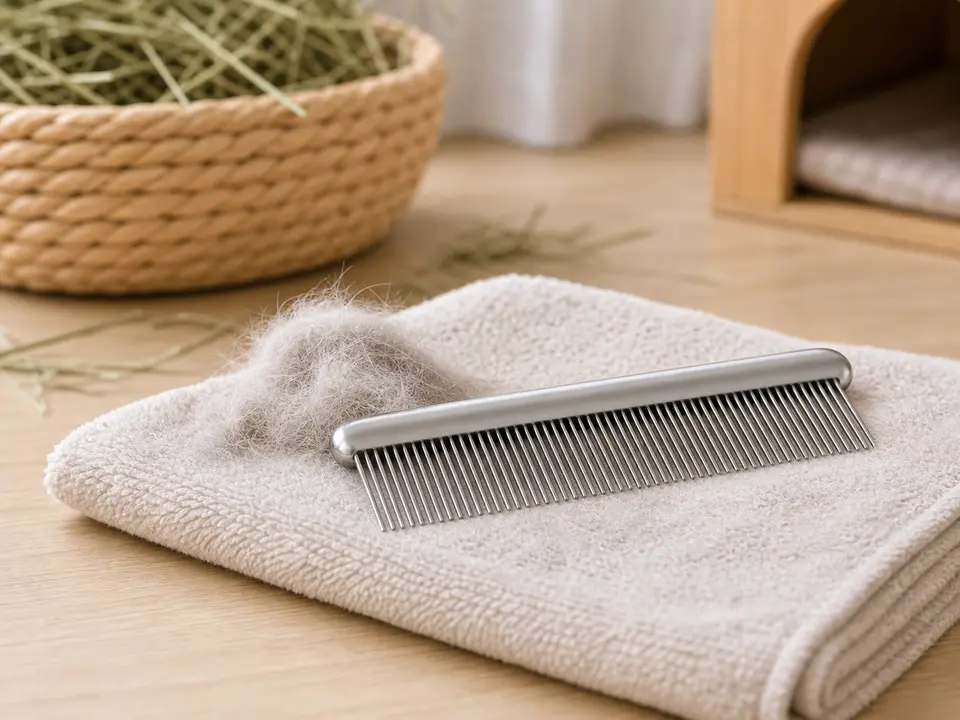
Useful for small mats and longer coats when used slowly and close attention is paid to the skin.
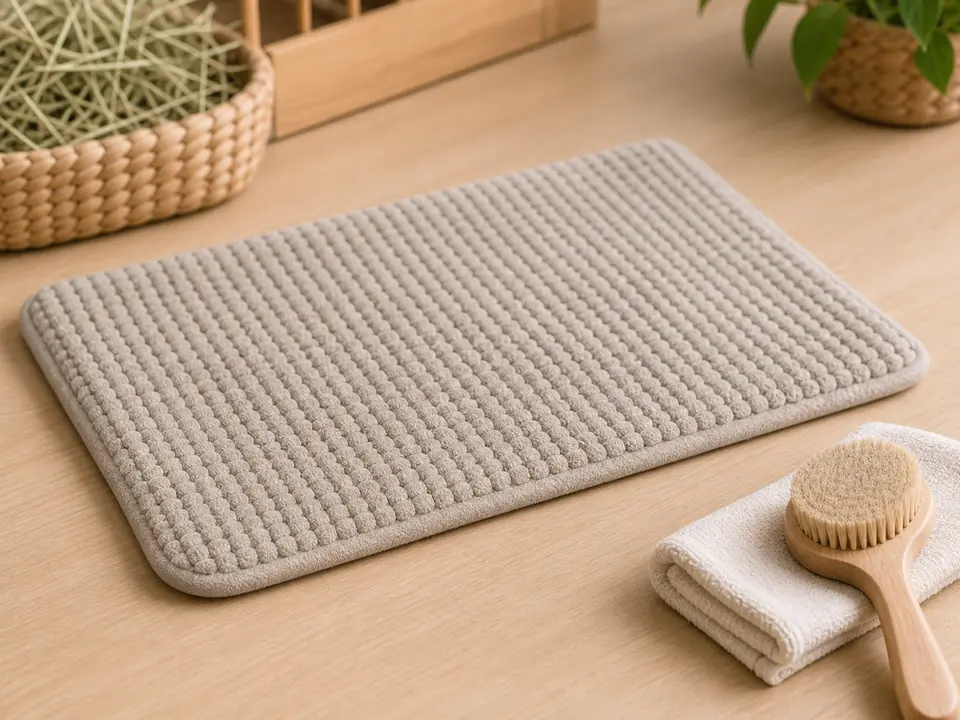
Helps your rabbit stand steadily so brushing does not become a sliding contest.
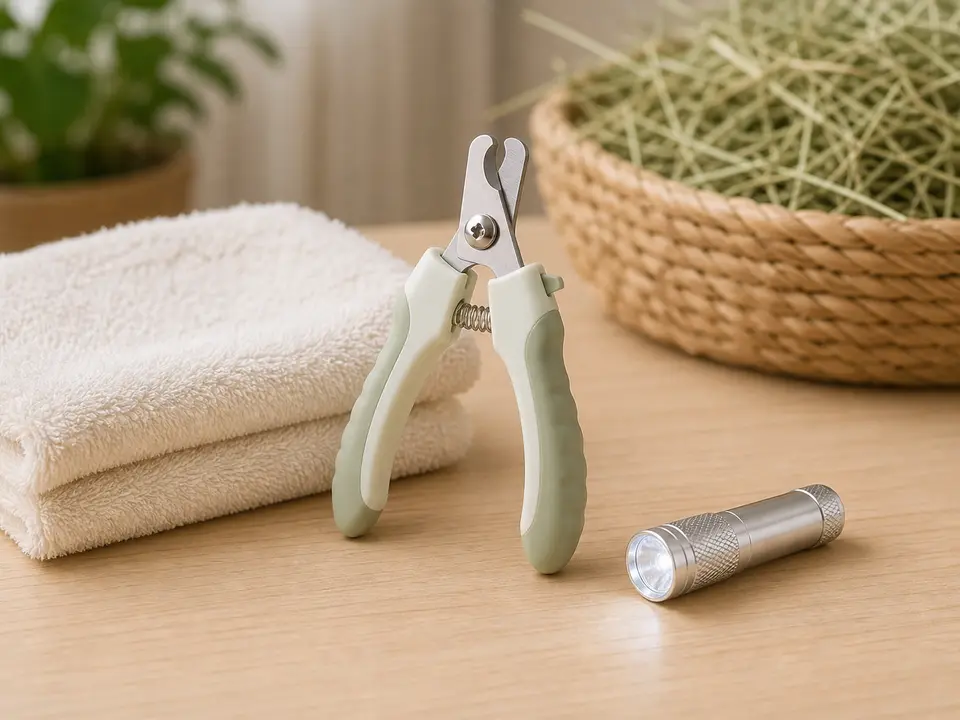
A useful companion tool for calm grooming sessions when nails are part of the same care routine.
Most short-coated rabbits do well starting with a soft brush, grooming glove, or gentle rubber brush. Longer coats may also need a fine comb.
Use caution. Some slicker brushes can pull or scratch. If you use one, keep the touch light and ask an experienced rabbit groomer or vet if the coat is difficult.
Make the session shorter, use a gentler tool, work on a non-slip surface, and reward tiny wins. If mats or panic make grooming unsafe, get expert help.