Updated
Cat food safety
Can Cats Eat Apricots? Tiny Flesh Pieces Only
Safe in moderation
Yes, a healthy cat can have a tiny plain piece of apricot flesh, but the pit, stem, leaves, and dried or sweetened versions should stay away.
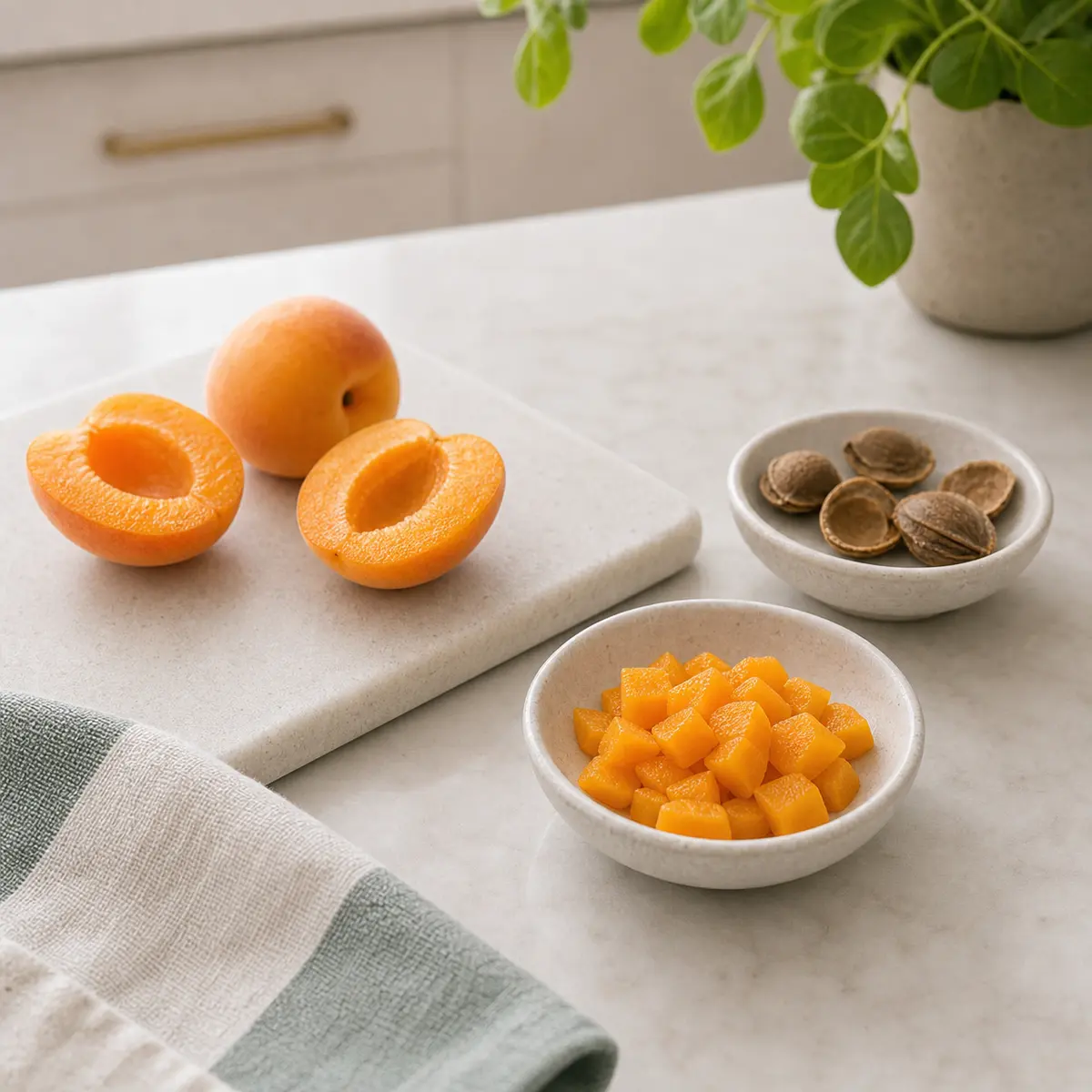 Apricots
Call if symptoms appear
Call your veterinarian if apricot is followed by repeated vomiting, diarrhea, gagging, low energy, poor appetite, or any symptom that worries you.
The pit changes the answer
A tiny flesh piece is different from a pit, stem, leaf, dried fruit, or sweetened product.
Do not make fruit a habit
Cats are built around complete cat food. Fruit should stay rare and small.
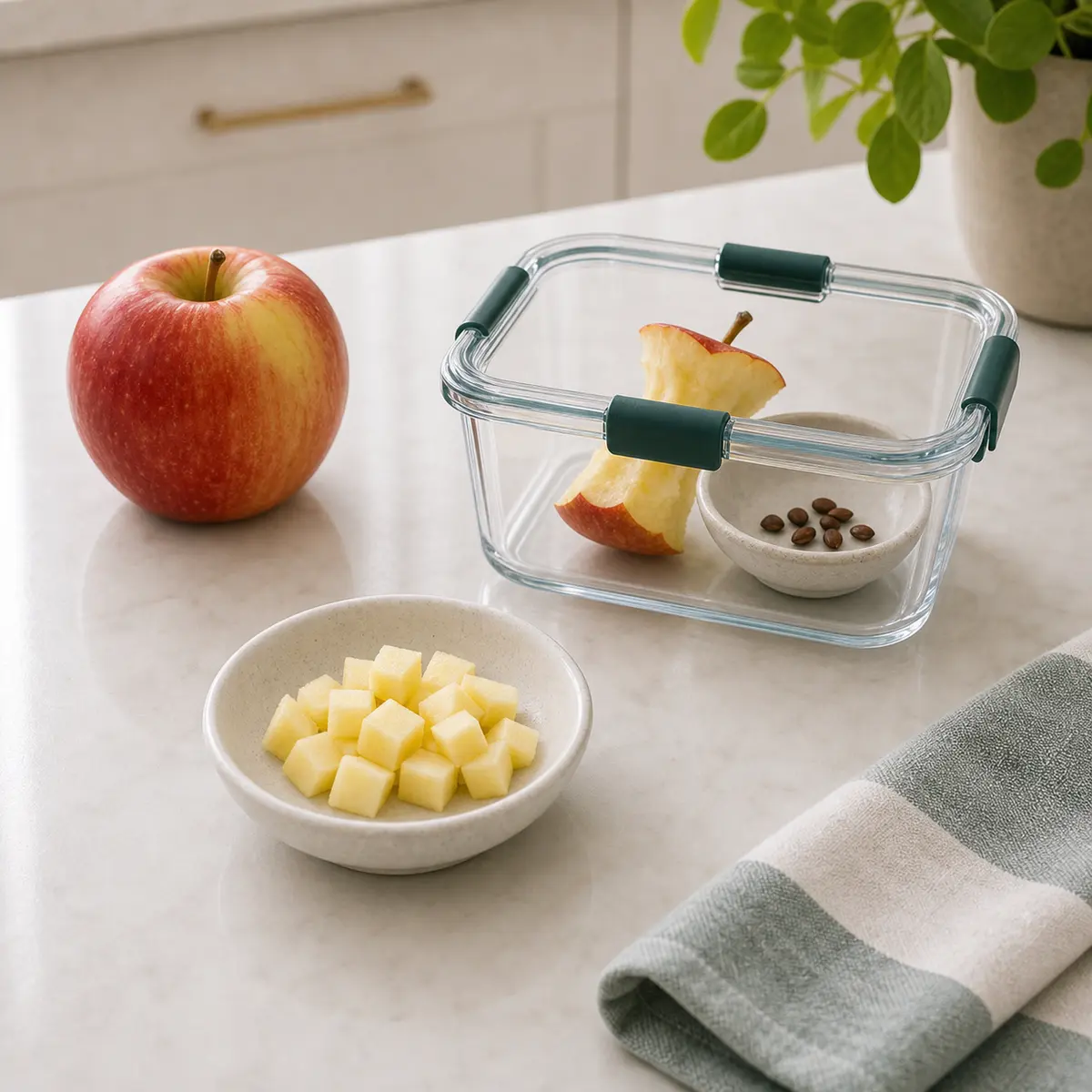
Serve only the flesh
- Remove the pit, stem, leaves, and any spoiled spots.
- Cut one tiny plain flesh piece.
- Keep fruit occasional and separate from complete cat food.
Skip these versions
- Apricot pits, stems, leaves, dried apricots, syrup, jam, pie filling, and sweetened fruit cups.
- Do not offer apricot to fix poor appetite or stomach symptoms.
- Do not offer large chunks that are hard to chew.
Watch
- Vomiting, diarrhea, gagging, gas, low appetite, or litter-box changes after a new food.
Portion
One tiny piece is enough. Apricot should be occasional and should not replace complete cat food.
Helpful food-safety supplies
Optional tools for measuring, storing, serving, and cleaning up tiny portions safely.
Affiliate links: Furball Cove may earn from qualifying purchases at no extra cost to you.