Updated
Cat food safety
Can Cats Eat Cauliflower Leaves? Tiny Plain Bite Only
Use caution
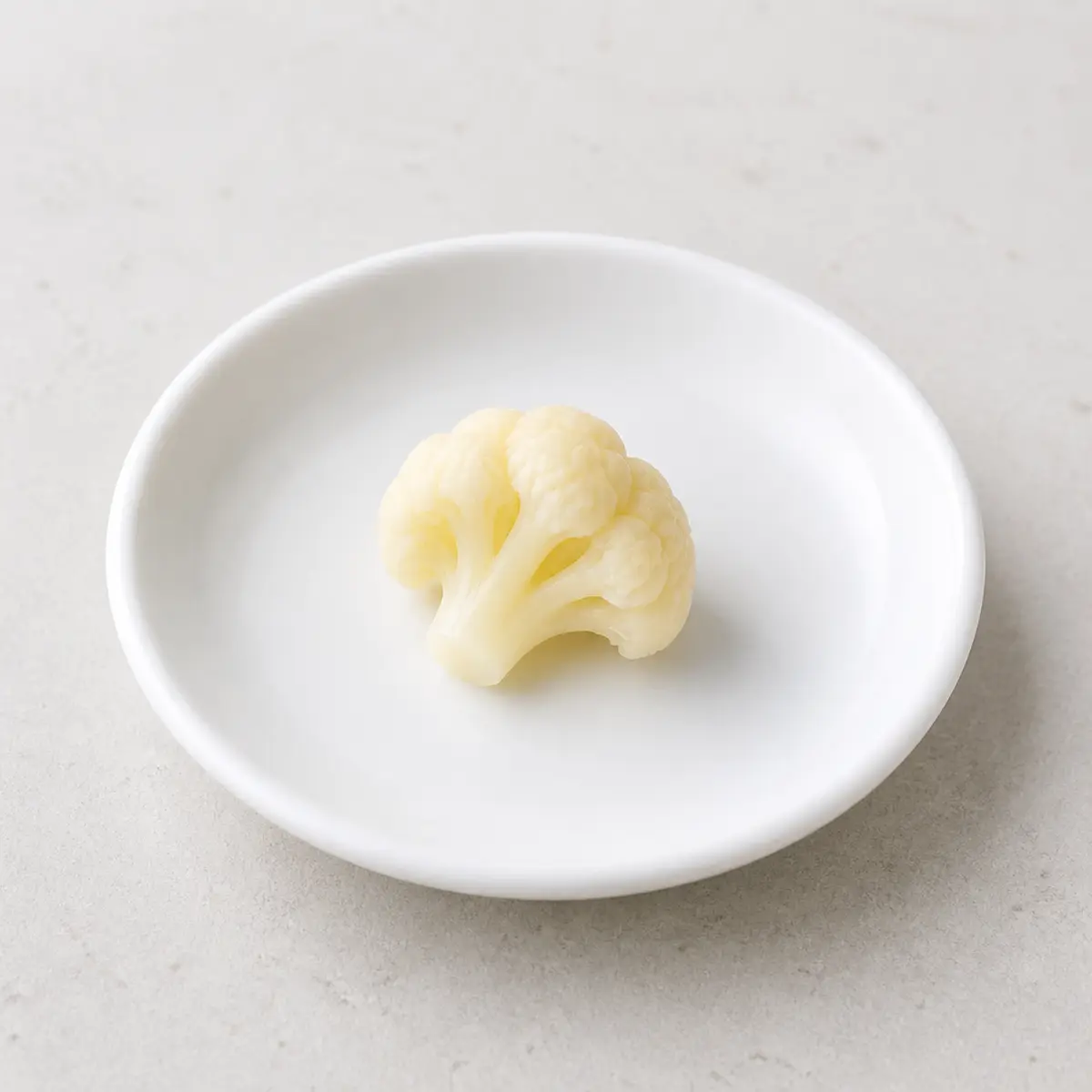
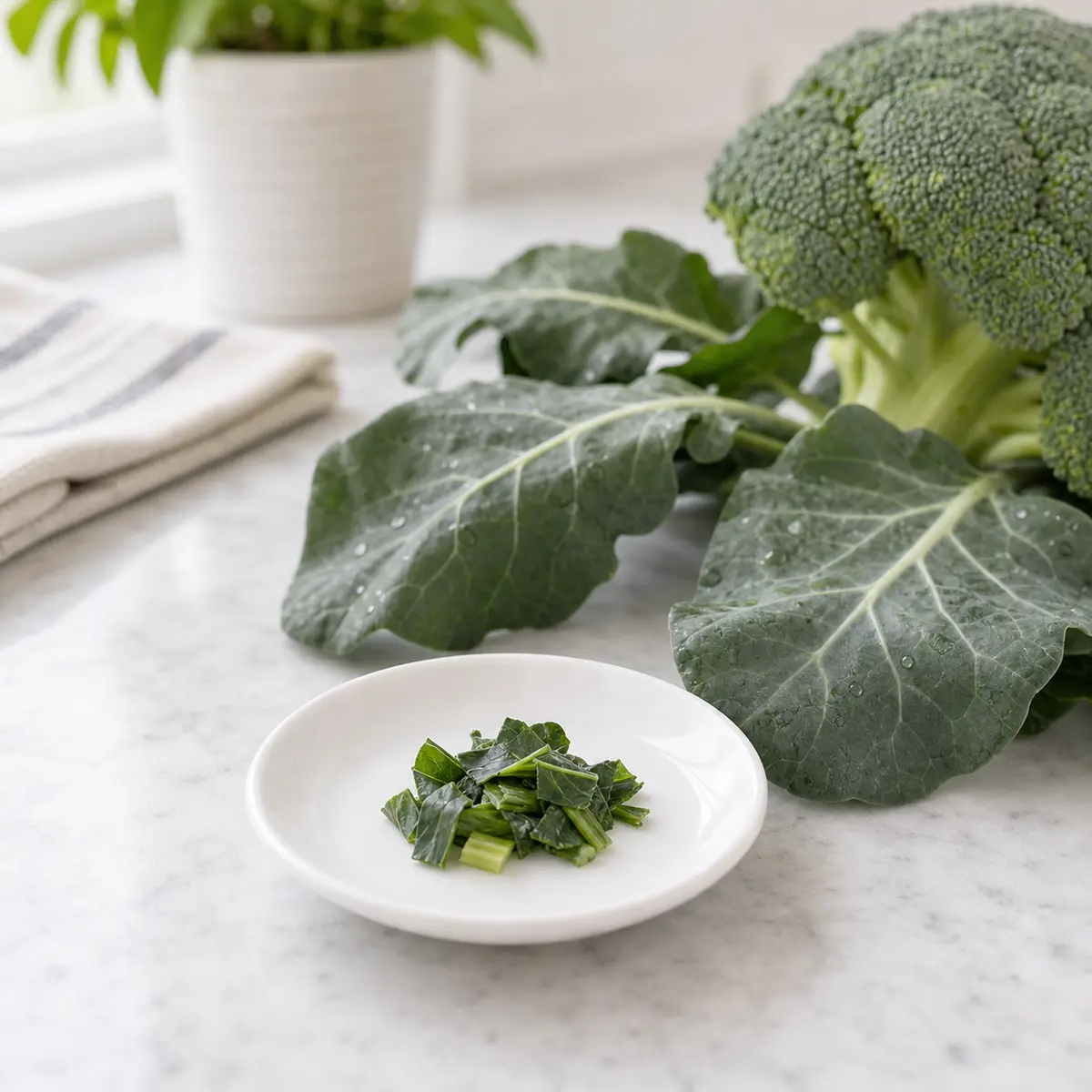
A tiny plain cauliflower leaf bite is usually okay for a healthy cat, but it is optional and can cause gas.
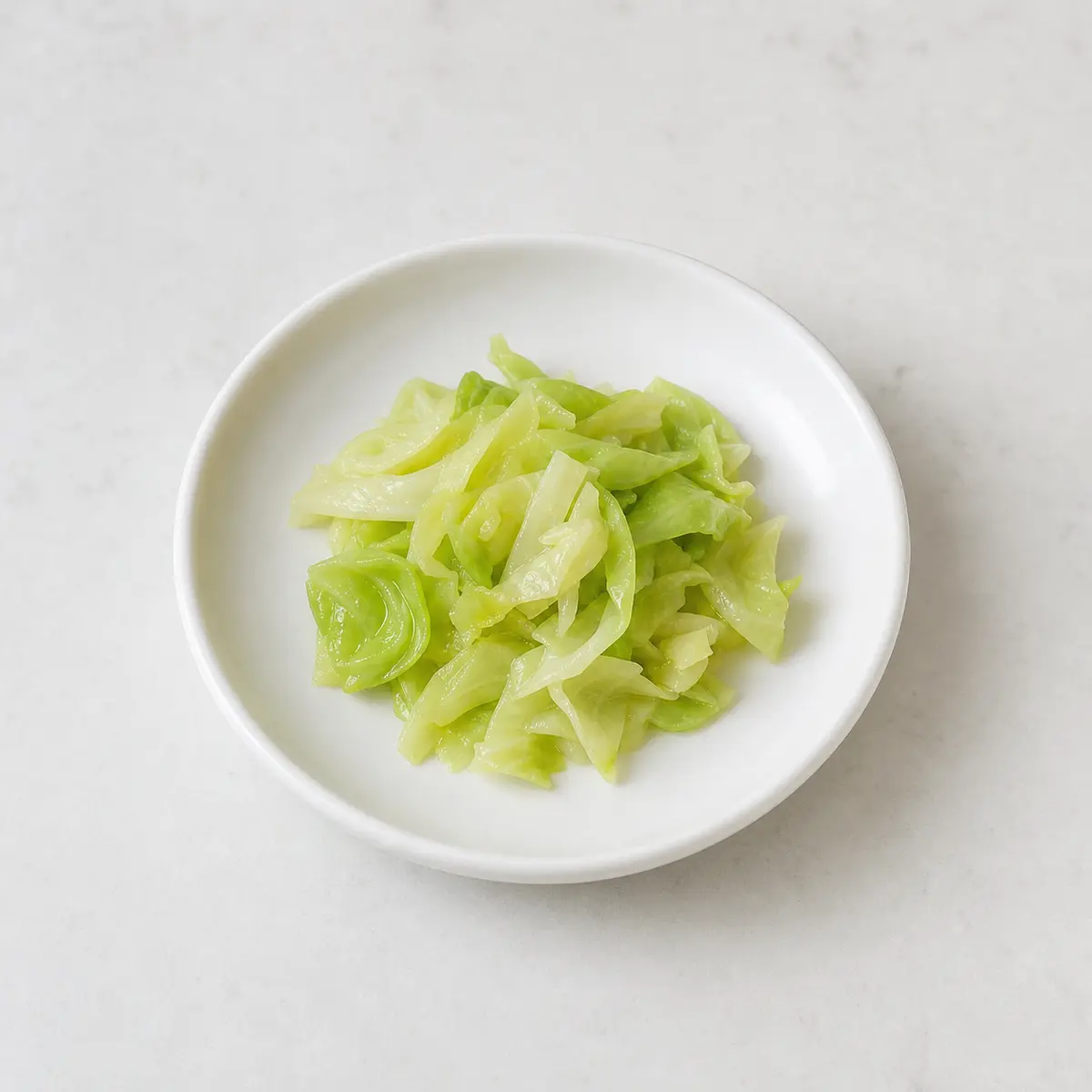
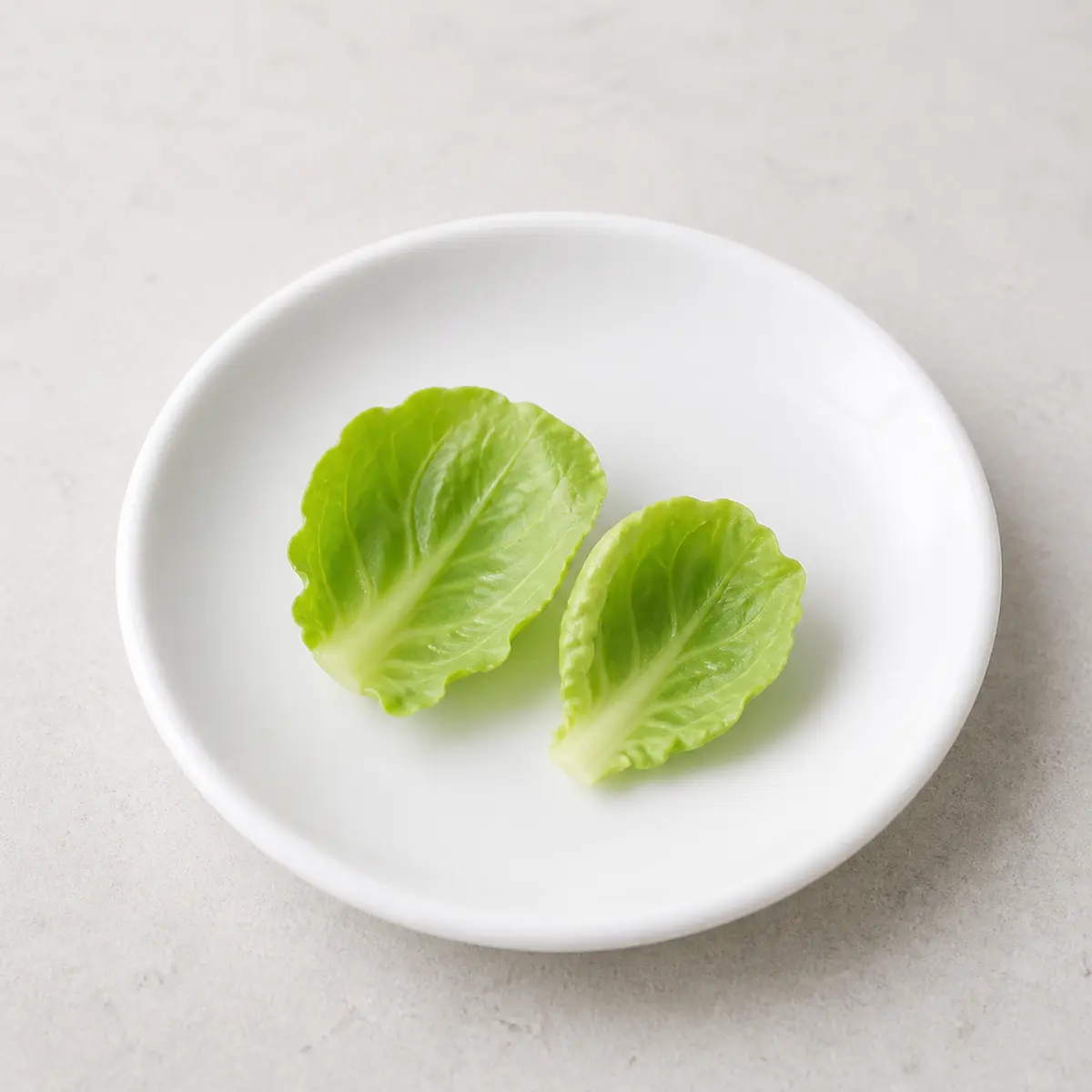 Cauliflower Leaves
Call for onion, garlic, or symptoms
Call your veterinarian if the leaves were cooked with onion or garlic, or symptoms repeat.
Expect gas before benefits
Cauliflower leaves are not toxic by themselves, but they can be gassy and are not needed in a cat diet.
Tender beats tough
A soft tiny piece is easier to chew than a thick stem or large fibrous leaf.
Wash and trim it
- Wash well and use one tiny tender piece.
- Soften it if the leaf is tough or fibrous.
- Stop if your cat gets gas, vomiting, diarrhea, or low appetite.
Skip seasoned leaves
- Butter, salt, oil, cheese sauce, garlic, onion, stir-fry sauce, casseroles, and large fibrous leaves.
- Cauliflower leaves for cats with digestive disease, poor appetite, thyroid or diet restrictions, or prescription diets unless your veterinarian approves it.
- Using greens as a treatment for constipation or weight issues.
Watch
- Gas, vomiting, diarrhea, low appetite, or litter-box changes after greens.
Portion
One tiny tender bite is enough. Do not use cauliflower leaves as a routine add-in.
Helpful food-safety supplies
Optional tools for measuring, storing, serving, and cleaning up tiny portions safely.
Affiliate links: Furball Cove may earn from qualifying purchases at no extra cost to you.