Updated
Cat food safety
Can Cats Eat Clementines? Usually Skip Them
Use caution
Usually skip clementines. A tiny peeled piece is unlikely to help a cat, and citrus peel, oils, and acidity can cause trouble.
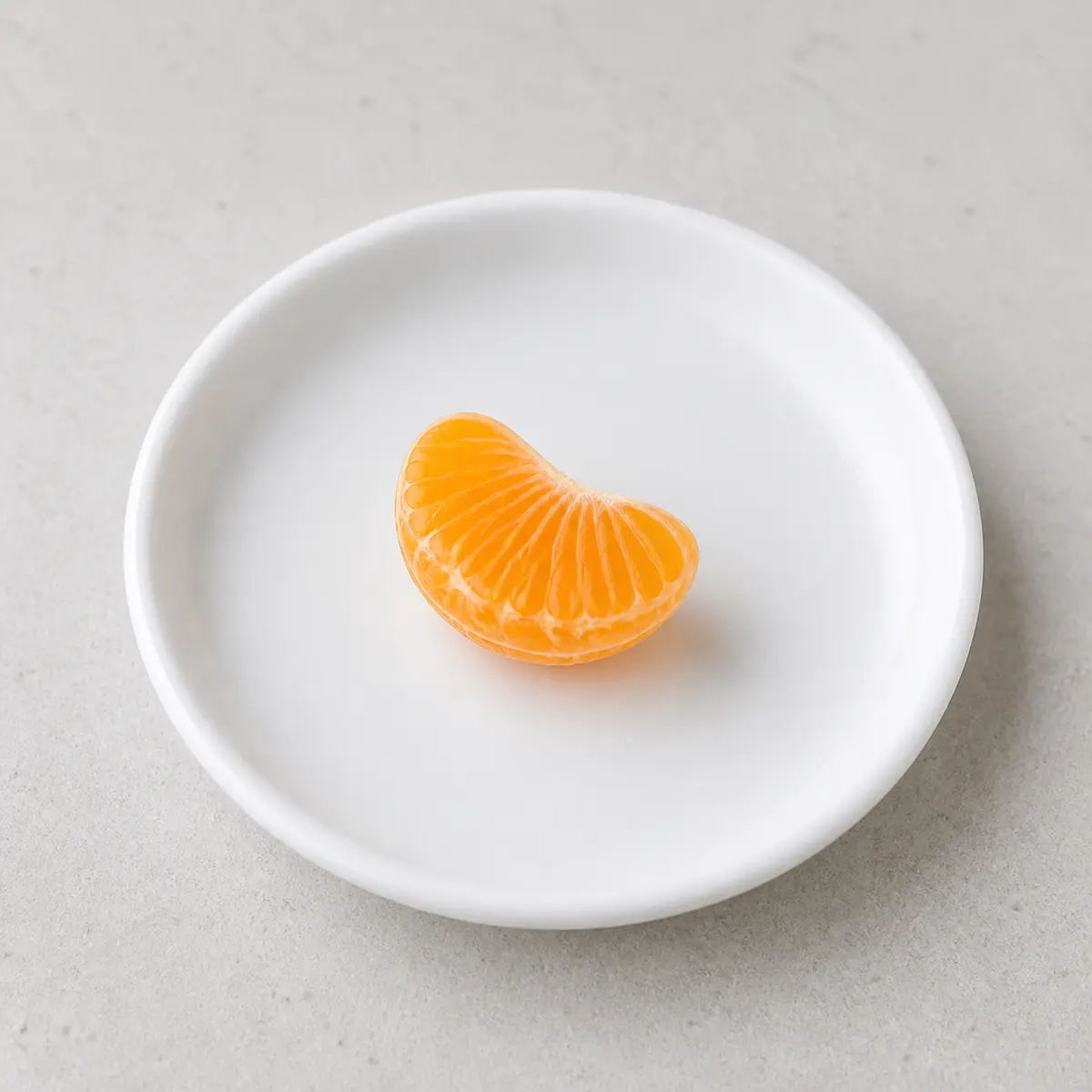 Clementines
Call for peel, oil, or symptoms
Call your veterinarian if your cat ate peel, citrus oil, a large amount, or has repeated vomiting, drooling, weakness, or unusual behavior.
Peel is the main problem
The peel and oils are more concerning than one tiny peeled segment, so keep citrus scraps out of reach.
Cats do not need fruit
A healthy cat gets nutrition from complete cat food, not sweet or acidic fruit snacks.
Peel and keep it tiny
- Use one tiny peeled piece only, if you offer any at all.
- Remove peel, zest, seeds, stems, leaves, and stringy pith.
- Stop after the taste and return to complete cat food.
Skip peel, oil, and juice
- Clementine peel, zest, citrus oils, essential oils, juice, candied fruit, syrup-packed fruit, marmalade, and large servings.
- Citrus for cats with vomiting, diarrhea, poor appetite, prescription diets, or digestive disease unless your veterinarian approves it.
- Using fruit to fix appetite or hydration problems.
Watch
- Drooling, lip licking, vomiting, diarrhea, refusing food, or repeated nausea after citrus.
Portion
One tiny peeled piece is plenty. Do not make fruit part of the routine.
Helpful food-safety supplies
Optional tools for measuring, storing, serving, and cleaning up tiny portions safely.
Affiliate links: Furball Cove may earn from qualifying purchases at no extra cost to you.