Updated
Cat food safety
Can Cats Eat Coconut Oil? Usually Skip It
Use caution
Usually skip coconut oil. It is fatty, not necessary, and spoonfuls can cause vomiting or diarrhea.
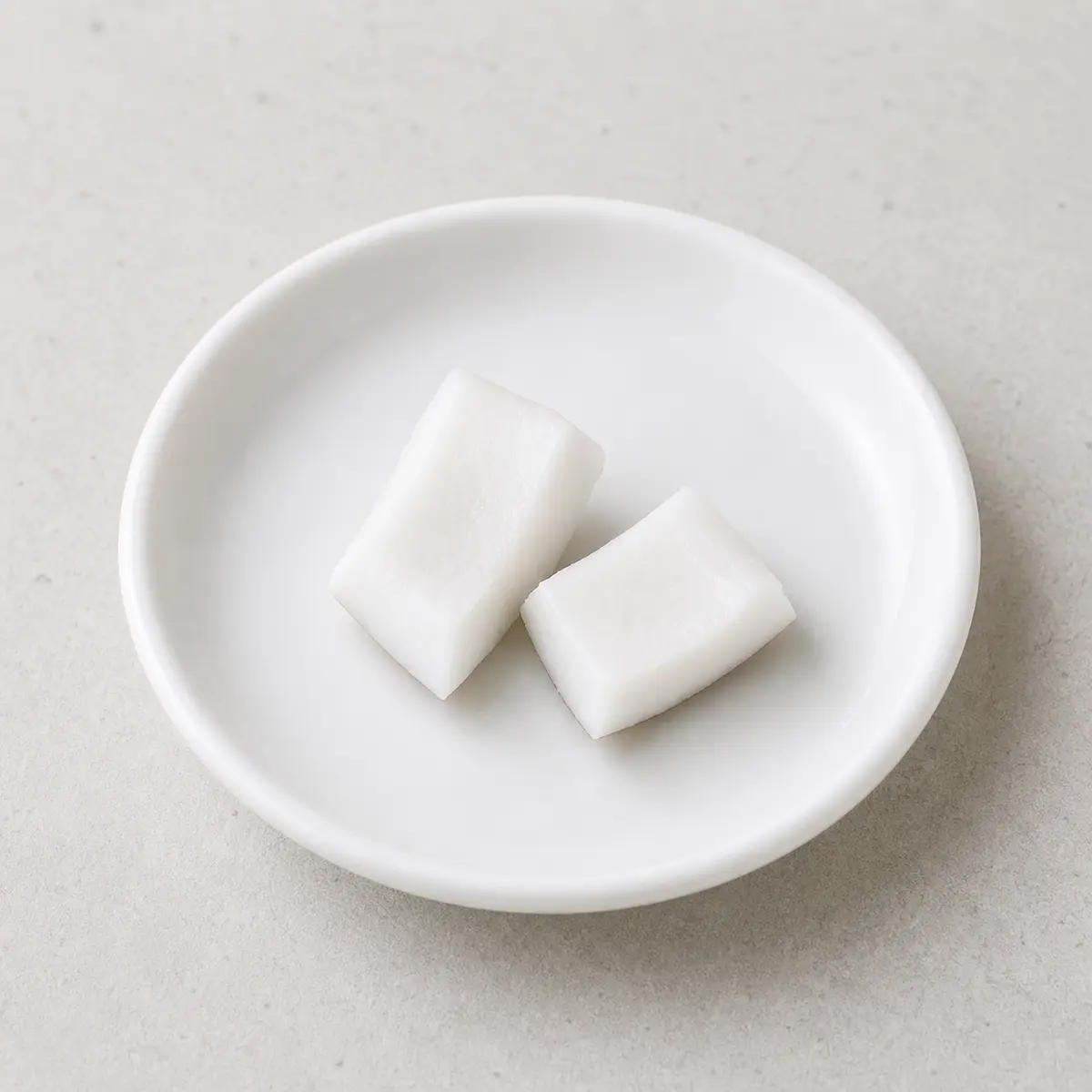
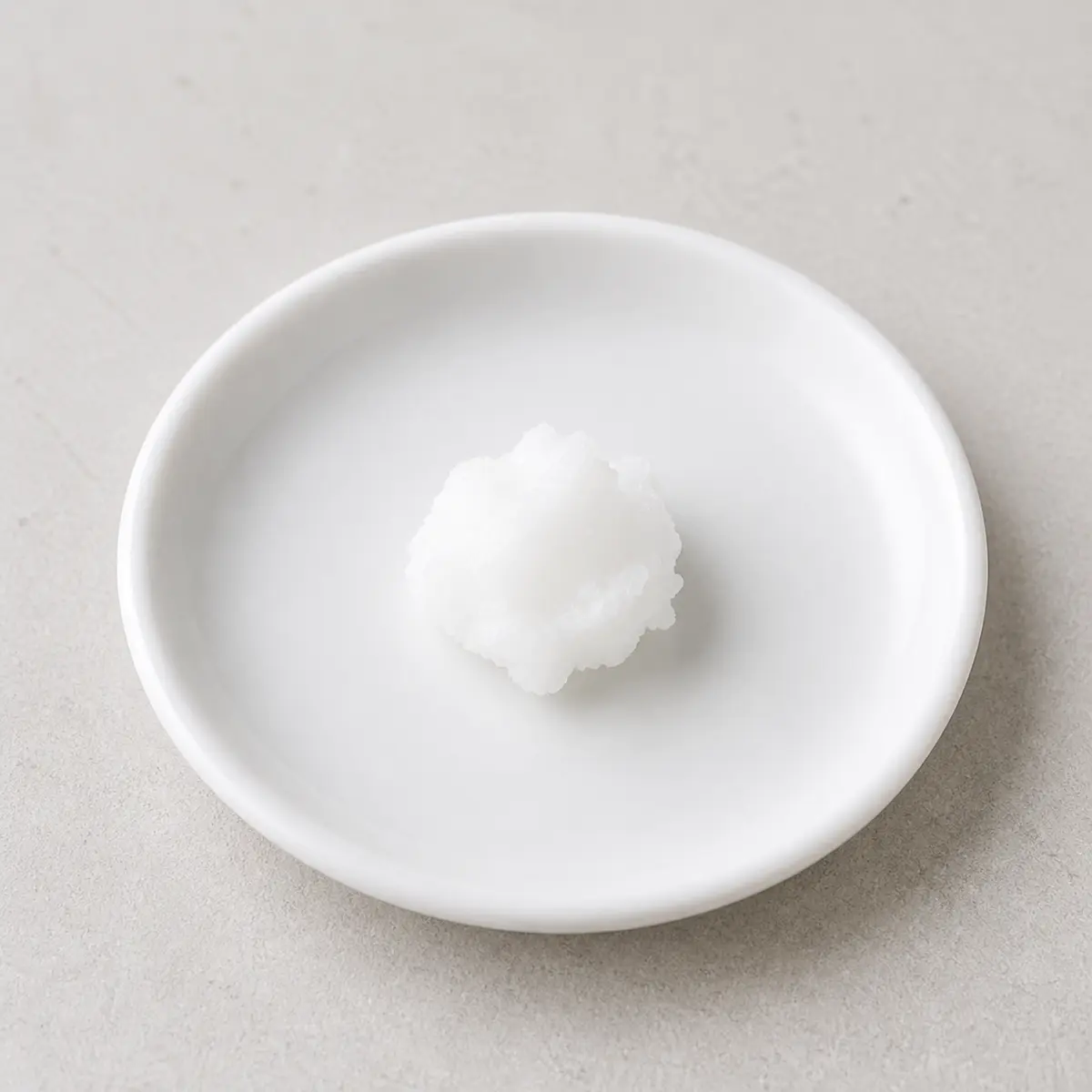 Coconut Oil
Call for a large lick or symptoms
Call your veterinarian if your cat ate a spoonful, has repeated vomiting or diarrhea, seems painful, or has a pancreatitis history.
Fat adds up fast
Cats are small, so a spoonful of oil is not a small snack for them.
Do not use it as a remedy
Hairballs, constipation, appetite loss, and dry skin need the cause addressed, not an oily workaround.
Do not add it to meals
- Do not add coconut oil to meals unless your veterinarian recommends it for your specific cat.
- Wipe up spills so your cat does not keep licking oil.
- Keep oil-based skin products where your cat cannot groom them off.
Skip spoonfuls and remedies
- Spoonfuls of coconut oil, oily supplements, coconut oil on fur or paws, treats cooked in oil, and oil mixed into food for hairballs.
- Coconut oil for cats with pancreatitis history, digestive disease, prescription diets, obesity, or poor appetite unless your veterinarian approves it.
- Using oil to treat hairballs, constipation, dry skin, or appetite problems without a diagnosis.
Watch
- Vomiting, diarrhea, greasy stool, refusing food, belly pain, lethargy, or repeated nausea.
Portion
No routine serving. A tiny accidental lick is not the same as adding oil to meals.
Helpful food-safety supplies
Optional tools for measuring, storing, serving, and cleaning up tiny portions safely.
Affiliate links: Furball Cove may earn from qualifying purchases at no extra cost to you.