Updated
Cat food safety
Can Cats Eat Ivy? No, Remove The Plant
No, remove it
No. Ivy is not a cat food, and chewing it should be treated as a plant exposure.
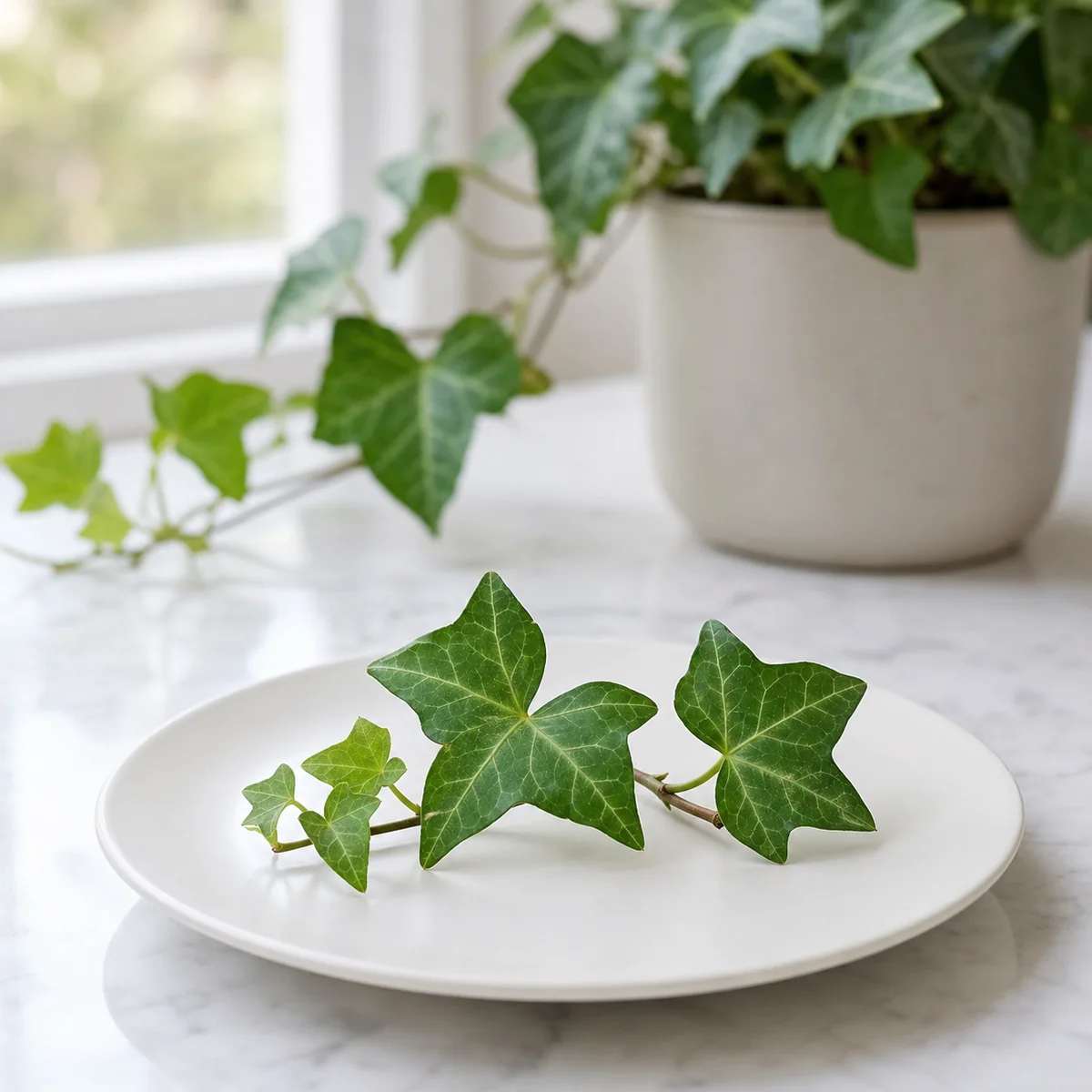 Ivy
IvyCall for chewing or symptoms
Call your veterinarian or a pet poison hotline if your cat chewed ivy, swallowed leaves, or has any symptoms.
Identify the plant
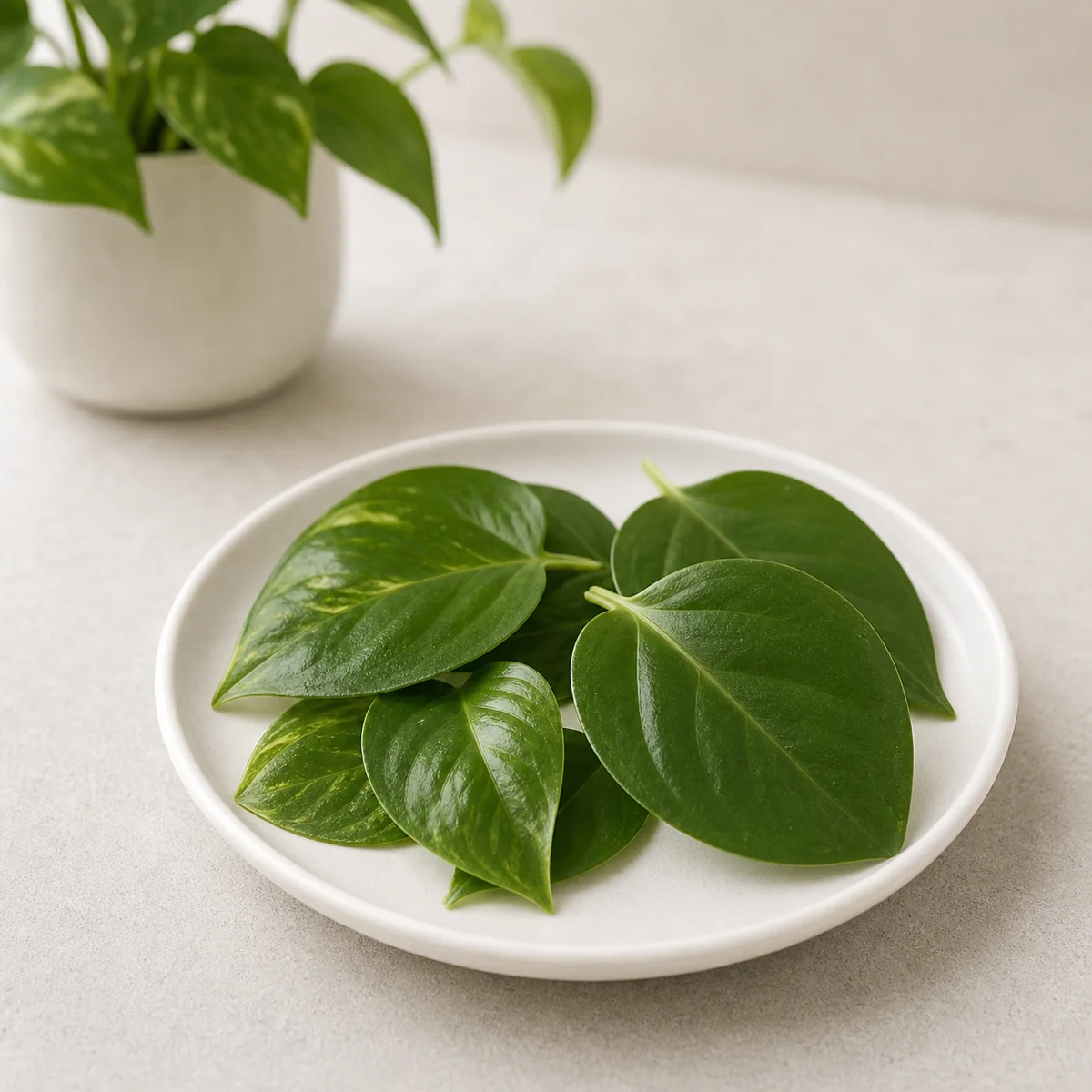
A photo of the plant, leaf shape, and pot label helps your veterinarian or poison hotline give better advice.
Act on symptoms
Drooling, vomiting, mouth irritation, or sudden hiding is enough reason to call instead of watching quietly.
Remove the plant
- Move the plant away and keep any chewed leaves or a photo for identification.
- If there is residue on the mouth or fur, wipe or rinse gently and prevent more chewing.
Do not treat it like cat grass
- Offering ivy as greens, letting vines hang into play areas, or guessing the plant species after chewing.
- Waiting at home if your cat is drooling, vomiting, pawing at the mouth, weak, or not acting normal.
Watch
- Drooling, vomiting, diarrhea, mouth irritation, pawing at the mouth, coughing, weakness, hiding, or appetite change.
Portion
No safe portion. The useful next step is plant identification and veterinary guidance if chewing occurred.
Helpful food-safety supplies
Optional tools for measuring, storing, serving, and cleaning up tiny portions safely.
Affiliate links: Furball Cove may earn from qualifying purchases at no extra cost to you.