Updated
Cat food safety
Can Cats Eat Pasta Sauce? No, Check for Onion and Garlic
No, check ingredients
No. Do not feed pasta sauce, and check for onion or garlic if your cat ate it.
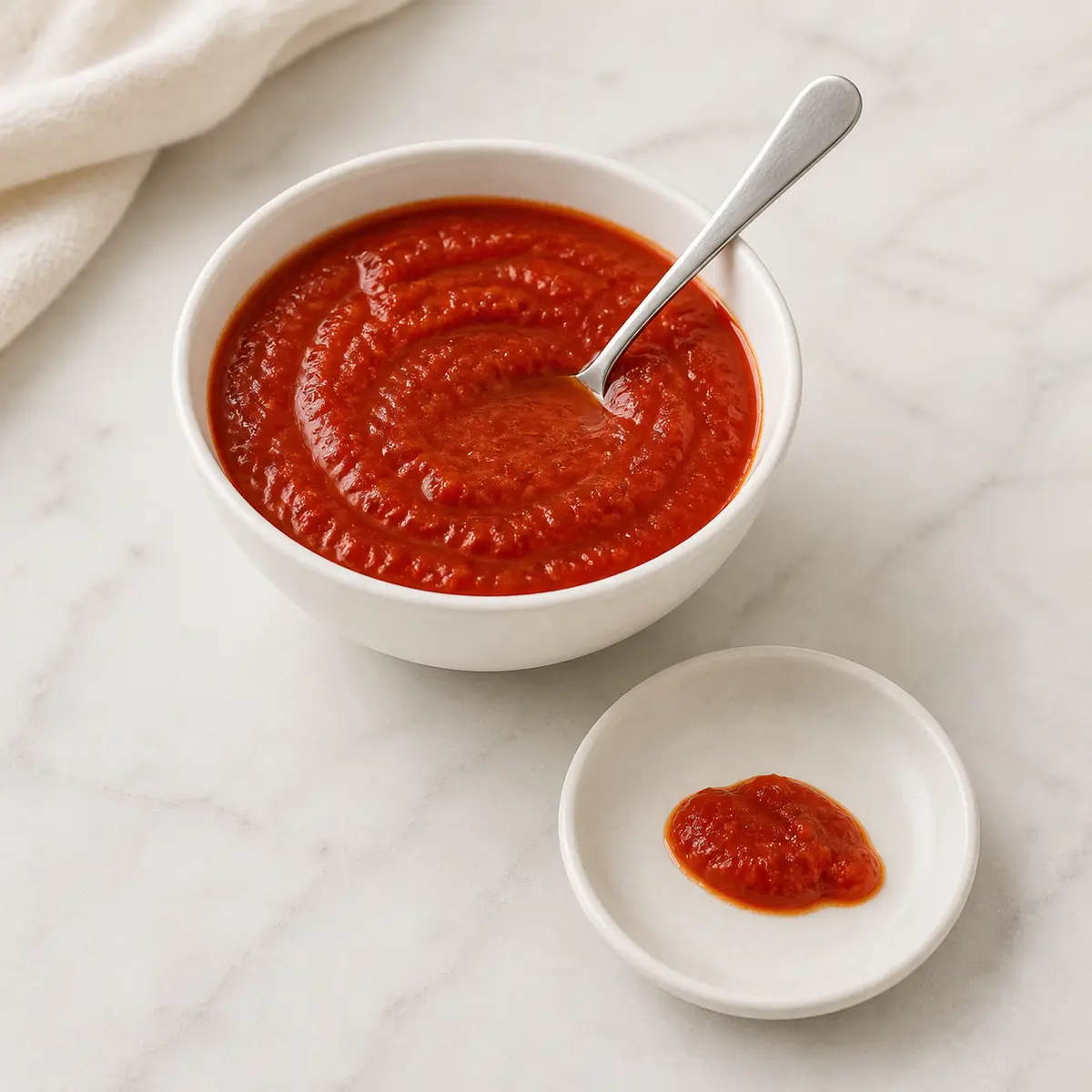 Pasta Sauce
Ask your vet
Call your veterinarian promptly if pasta sauce contained onion, garlic, alcohol, heavy seasoning, a large amount was eaten, or symptoms start.
The label decides the risk
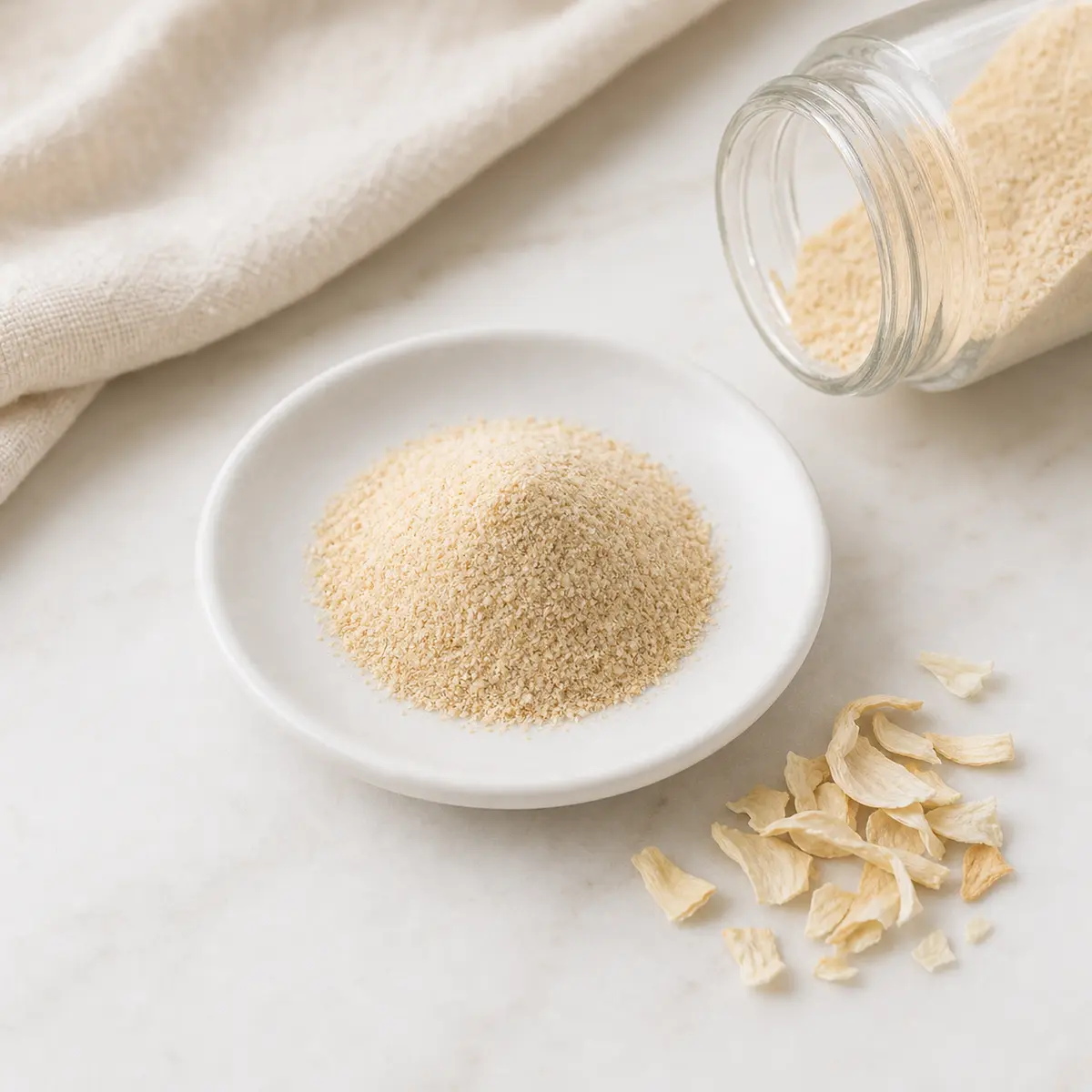
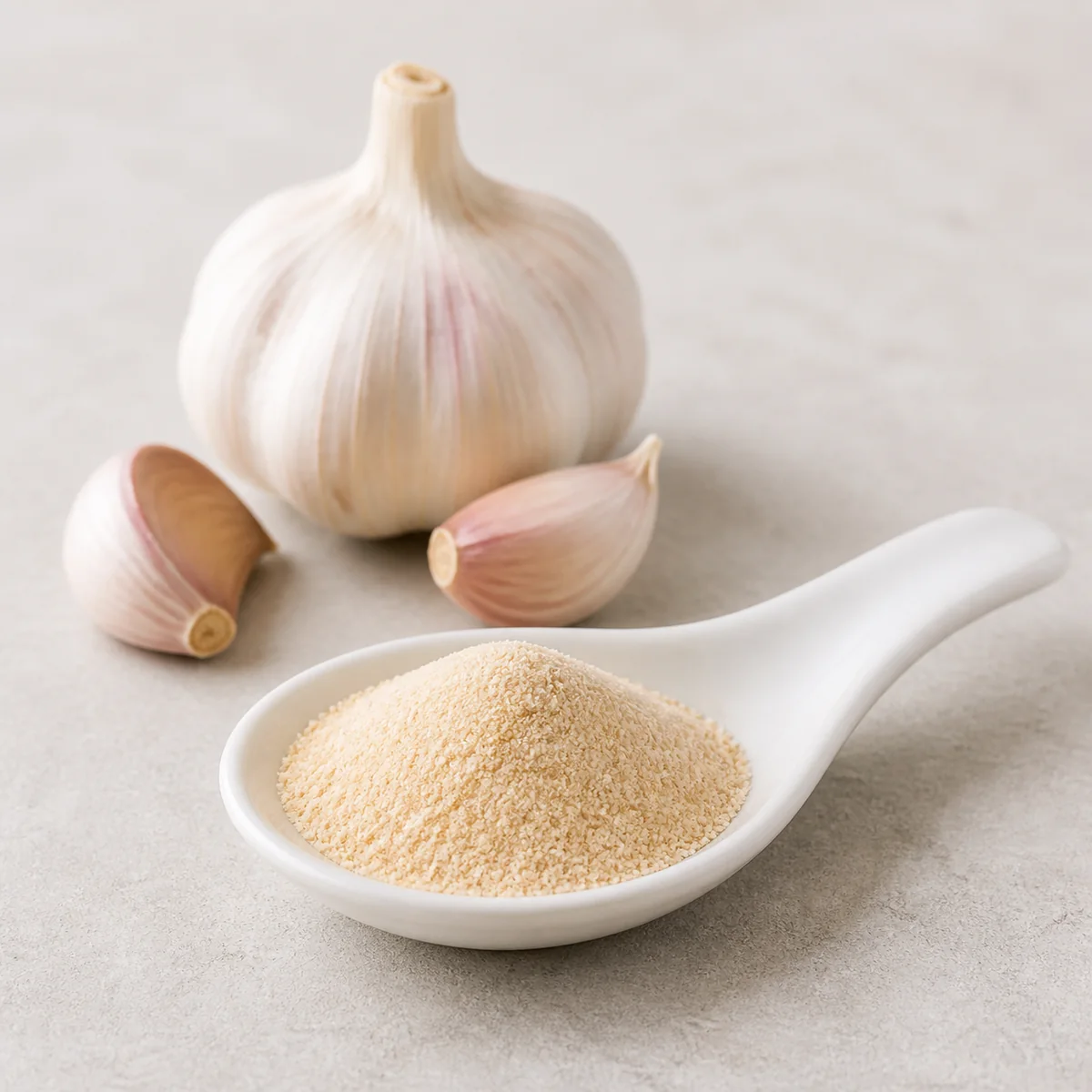
Many sauces hide onion powder or garlic powder even when no chunks are visible.
Plain tomato is not the page
This is about prepared sauce, which usually adds salt, oil, spices, and allium ingredients.
How to handle it
- Remove the sauce and prevent more access to pasta plates and leftovers.
- Save the jar label or recipe, especially the onion, garlic, spice, wine, and dairy ingredients.
Avoid
- Marinara, pizza sauce, meat sauce, vodka sauce, alfredo mixed with tomato, garlic, onion, onion powder, garlic powder, salt, cheese, chili, wine, and greasy leftovers.
- Waiting if the sauce had onion, garlic, alcohol, a large amount, or your cat is vomiting, weak, or not eating.
Watch
- Vomiting, diarrhea, drooling, belly pain, lethargy, pale gums, fast breathing, refusing food, or behavior that feels wrong.
Portion
No serving. If exposure happened, read the label or recipe before deciding how urgent it is.
Helpful food-safety supplies
Optional tools for measuring, storing, serving, and cleaning up tiny portions safely.
Affiliate links: Furball Cove may earn from qualifying purchases at no extra cost to you.