Updated
Cat food safety
Can Cats Eat Raspberry Leaves? Tiny Clean Nibbles Only
Tiny clean nibble only
A tiny clean raspberry leaf nibble is usually not a reason to panic, but do not offer leaves as treats.
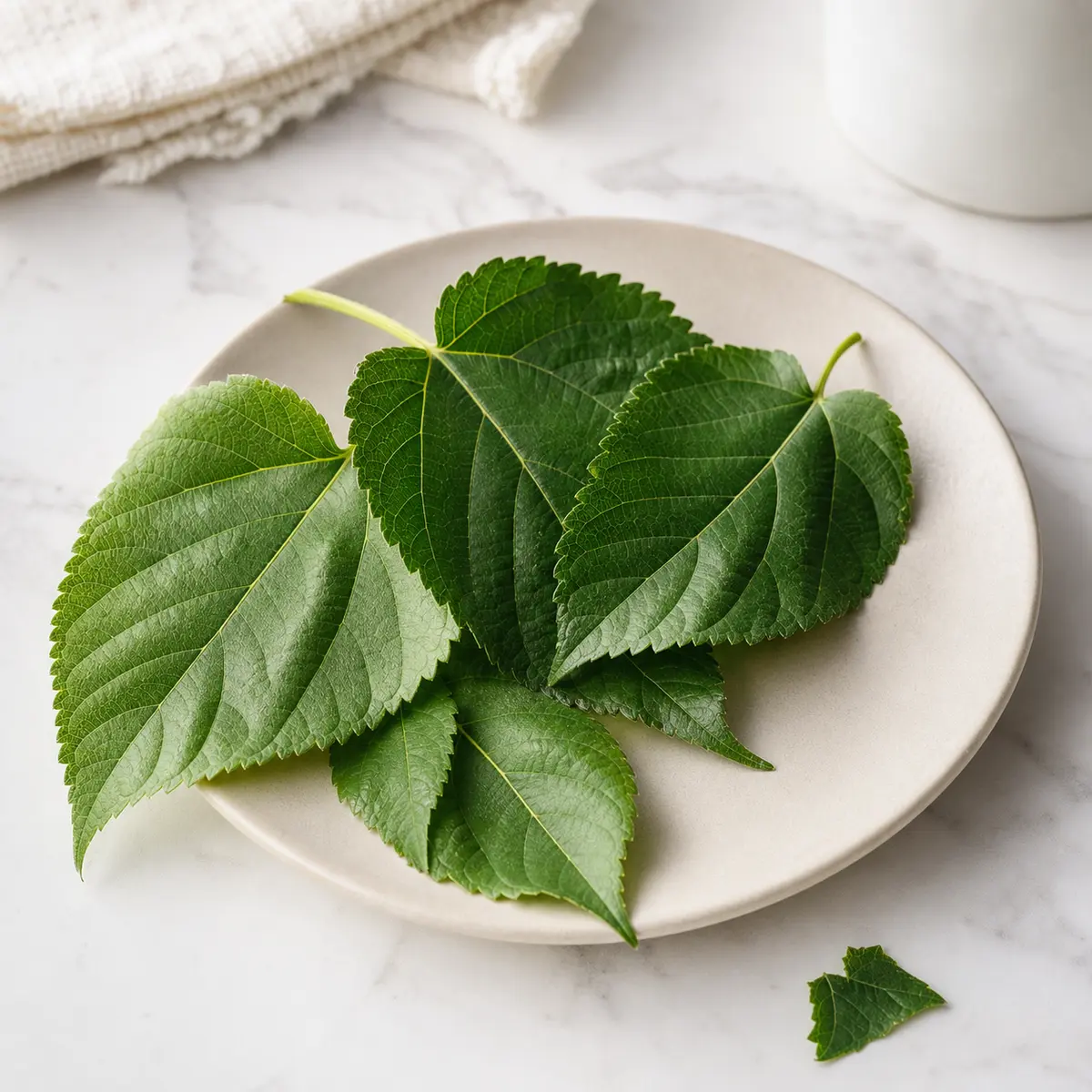
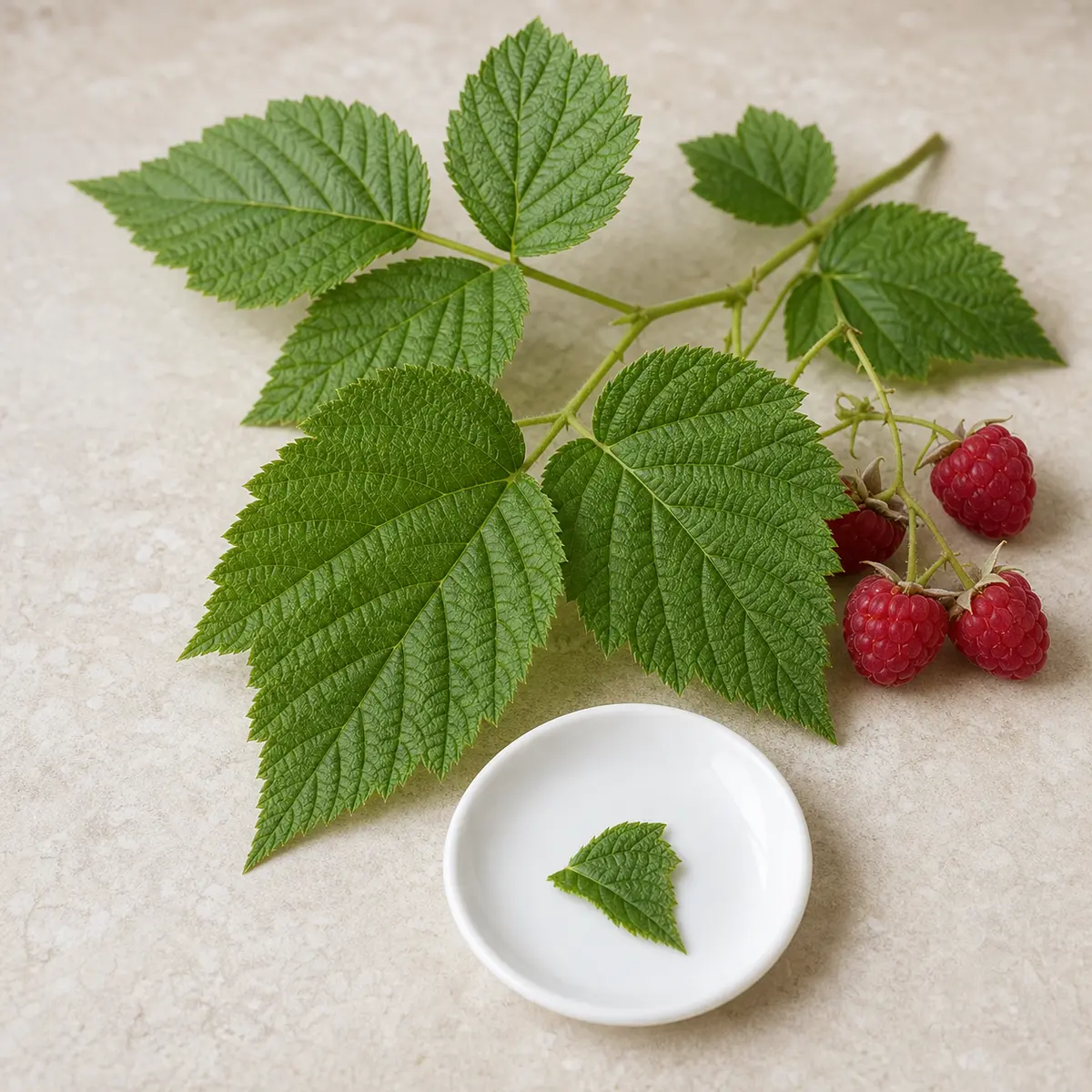 Raspberry Leaves
Ask your vet
Call your veterinarian if pesticide exposure is possible, thorns injured the mouth, or symptoms start.
Pesticides change the answer
Garden leaves can carry sprays or fertilizer residue that matter more than the leaf itself.
Watch the mouth
Stems and thorns can irritate the mouth even when the leaf is not the main concern.
Serve
- If a nibble happened, check whether the leaves were clean, pesticide-free, and free of thorns or tough stems.
- Remove access to potted canes, garden trimmings, and vase cuttings.
Avoid
- Pesticide-treated leaves, thorny canes, wilted leaves, compost trimmings, fertilizers, plant sprays, and large amounts.
- Using raspberry leaves as a digestive or herbal remedy for cats.
Watch
- Vomiting, diarrhea, drooling, pawing at the mouth, belly pain, appetite changes, or behavior that feels wrong.
Portion
No planned serving. A tiny clean nibble is a monitoring question.
Helpful food-safety supplies
Optional tools for measuring, storing, serving, and cleaning up tiny portions safely.
Affiliate links: Furball Cove may earn from qualifying purchases at no extra cost to you.