Updated
Cat food safety
Can Cats Eat Tuna? Tiny Plain Treat Only
Tiny plain treat only
Yes, cats can eat a tiny amount of plain tuna as an occasional treat, but it should not become a regular meal.
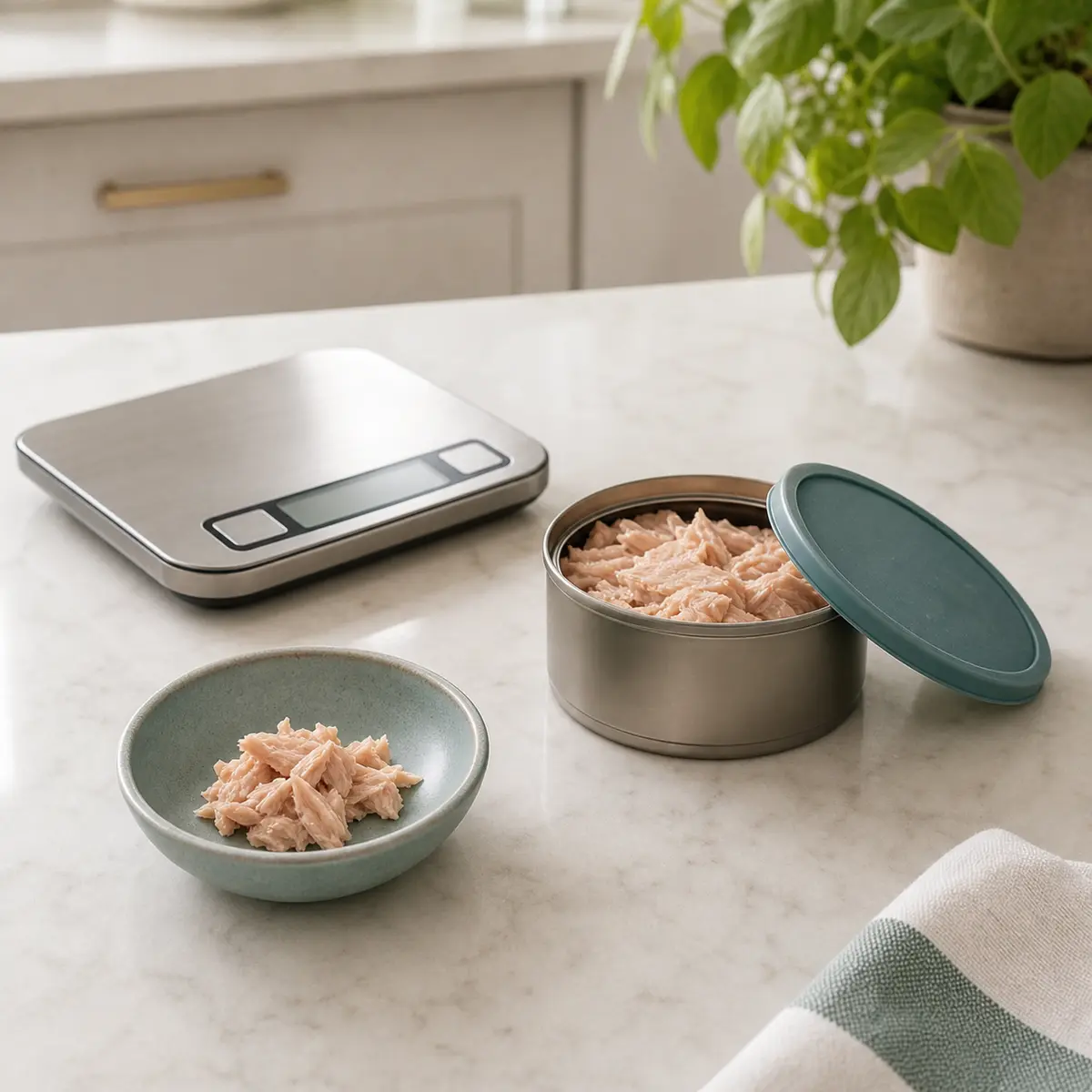 Tuna
TunaCall for risky ingredients
Call your veterinarian if the tuna included onion or garlic, bones, heavy seasoning, or if choking, repeated vomiting, or lethargy occurs.
Do not make it a habit
Tuna can crowd out complete cat food and encourage picky eating.
Check the can
Oil, brine, salt, onion, garlic, and flavor packets change the answer.
Offer it plain
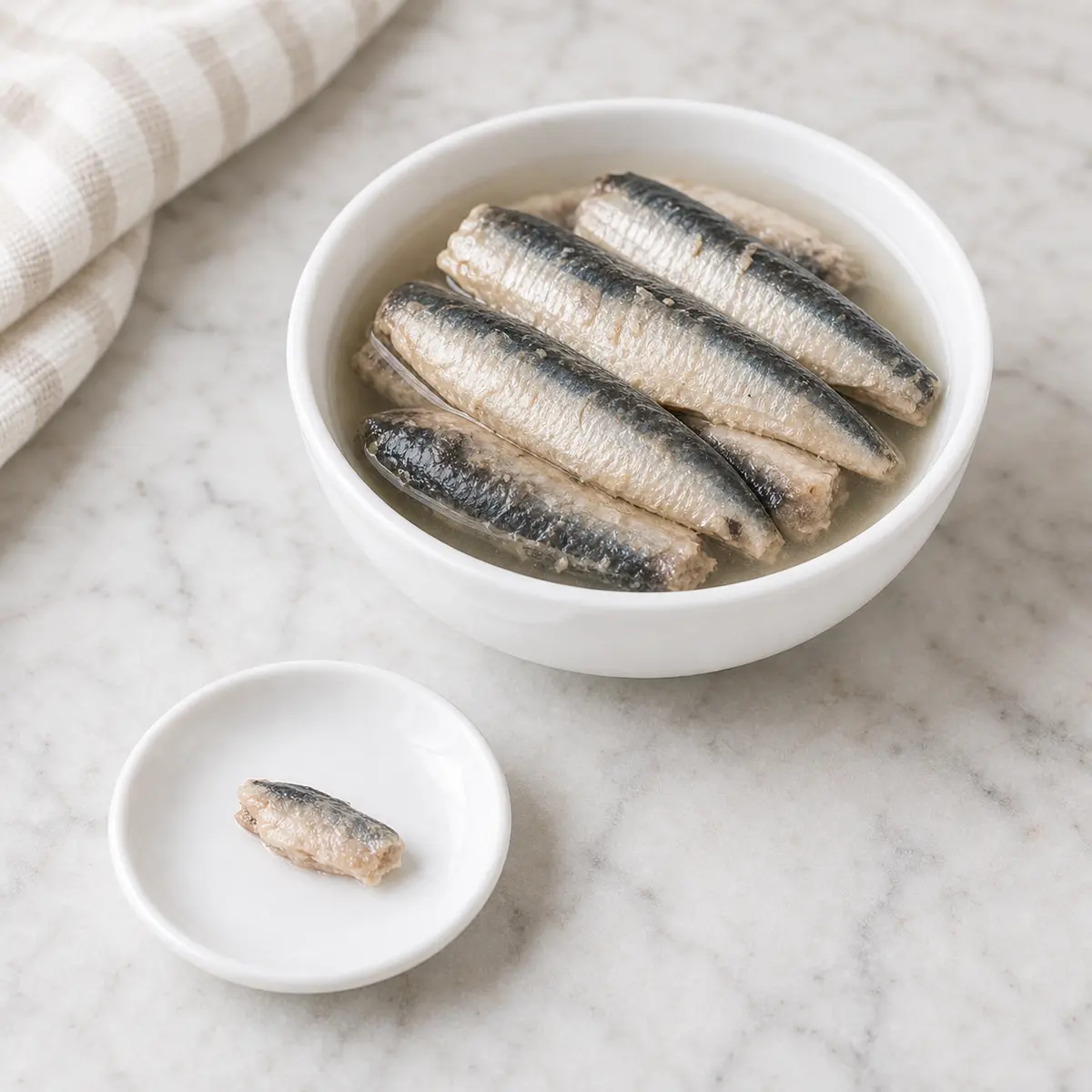
- Use plain tuna in water or plain cooked tuna, drain it well, and offer a tiny amount.
- Avoid oil, salt, brine, garlic, onion, lemon pepper, sauces, bones, and frequent servings.
Avoid flavored tuna
- Tuna in oil, salted tuna, flavored tuna packets, tuna salad, mayo, onion, garlic, raw tuna, bones, and using tuna as the main diet.
- Frequent tuna for cats with kidney disease, fish sensitivity, pancreatitis risk, or prescription diets unless your veterinarian approves.
Watch
- Vomiting, diarrhea, itchiness, appetite changes, picky eating after treats, or belly discomfort.
Portion
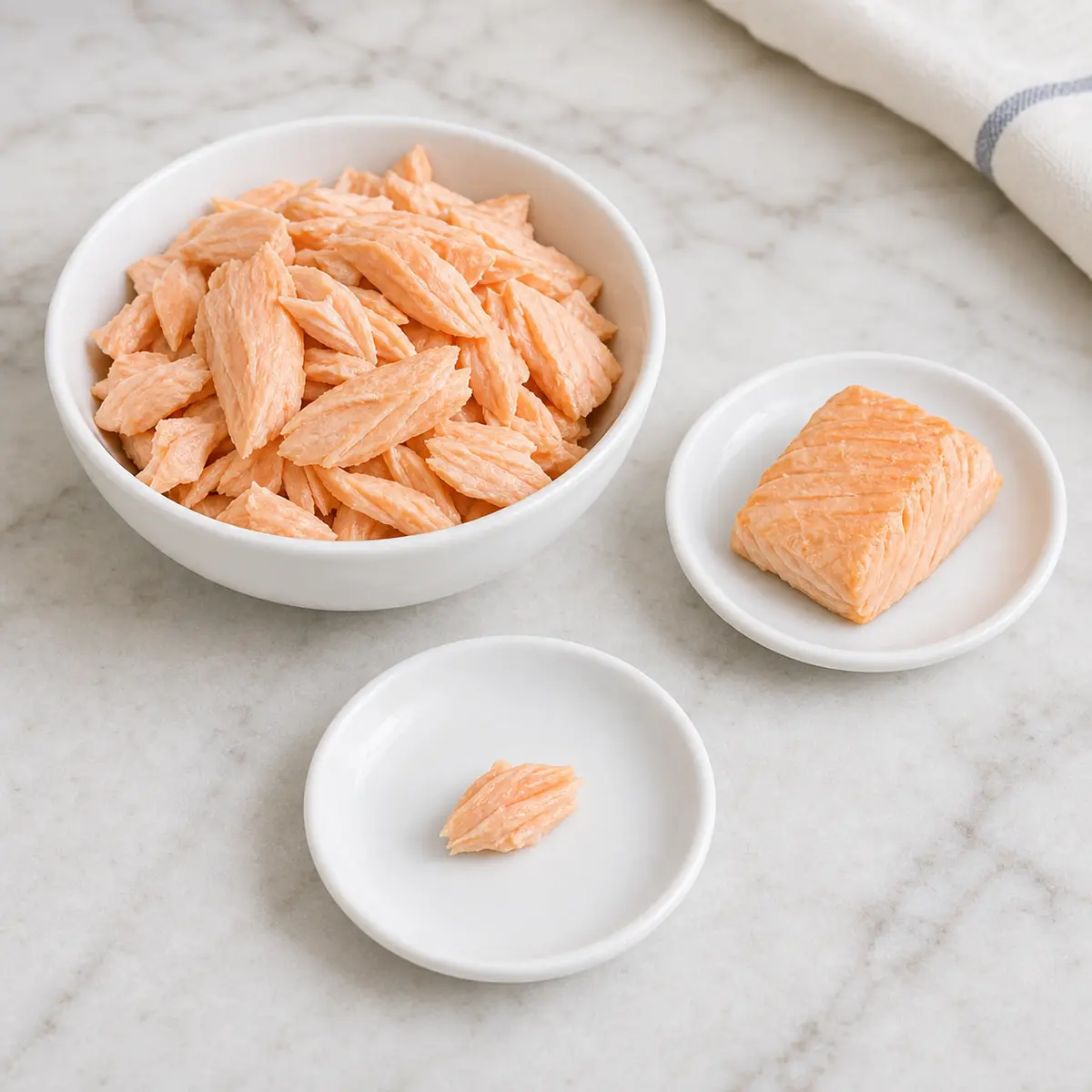
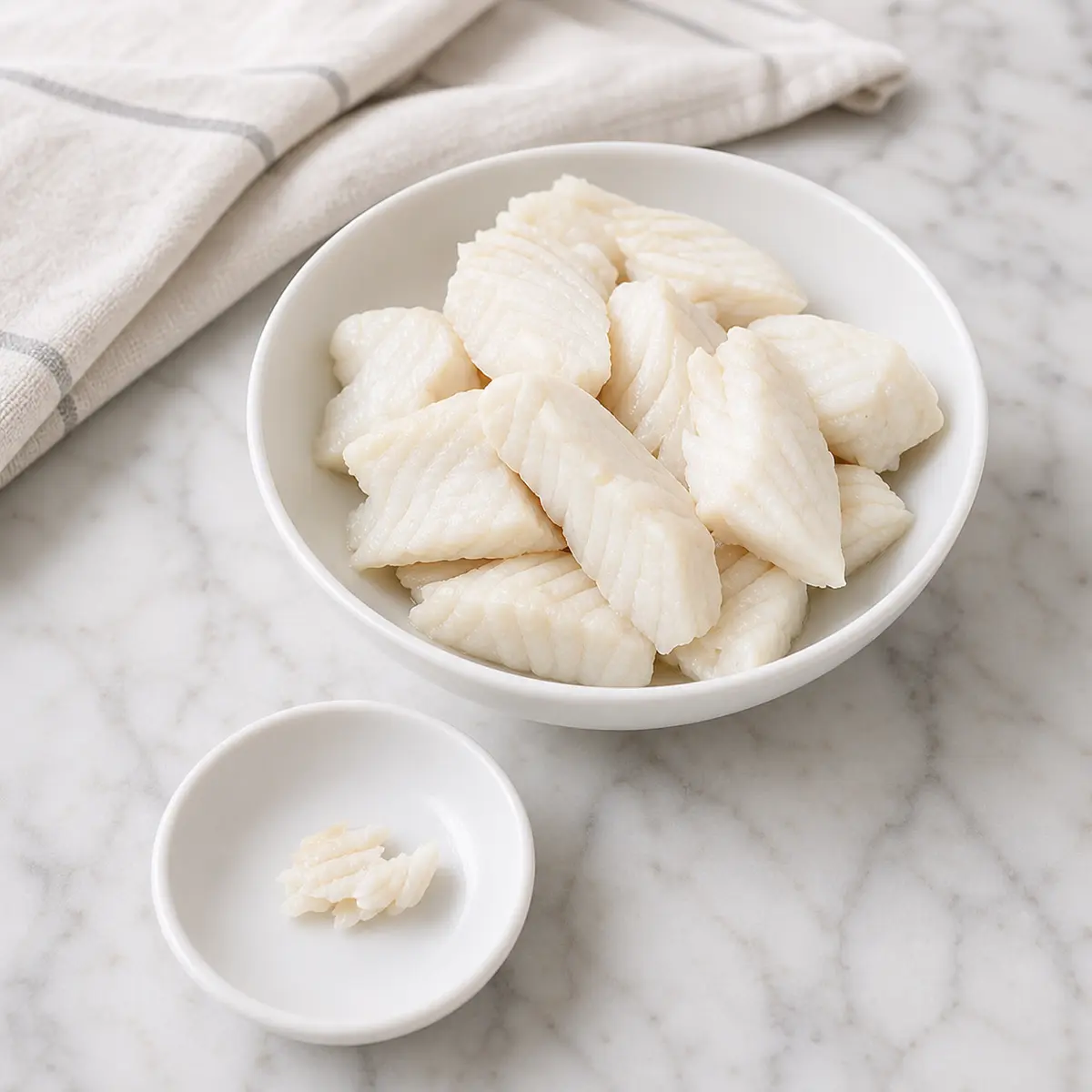
A teaspoon or less is plenty for many cats; smaller is better for first tries.
Helpful food-safety supplies
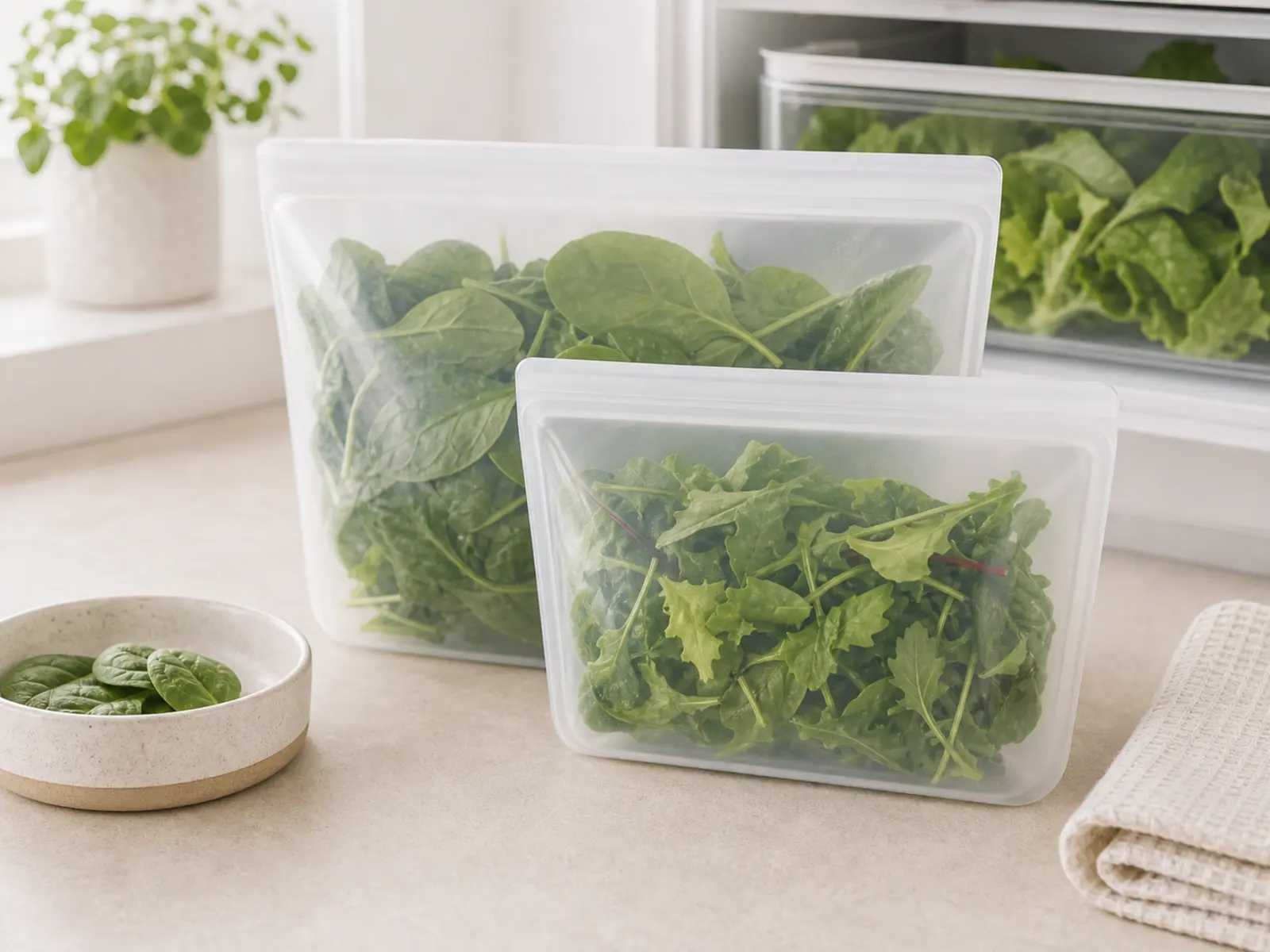
Optional tools for measuring, storing, serving, and cleaning up tiny portions safely.
Affiliate links: Furball Cove may earn from qualifying purchases at no extra cost to you.