Updated
Cat food safety
Can Cats Eat Wine? No, Alcohol Emergency Risk
Alcohol emergency risk
No. Wine is unsafe for cats because it contains alcohol.
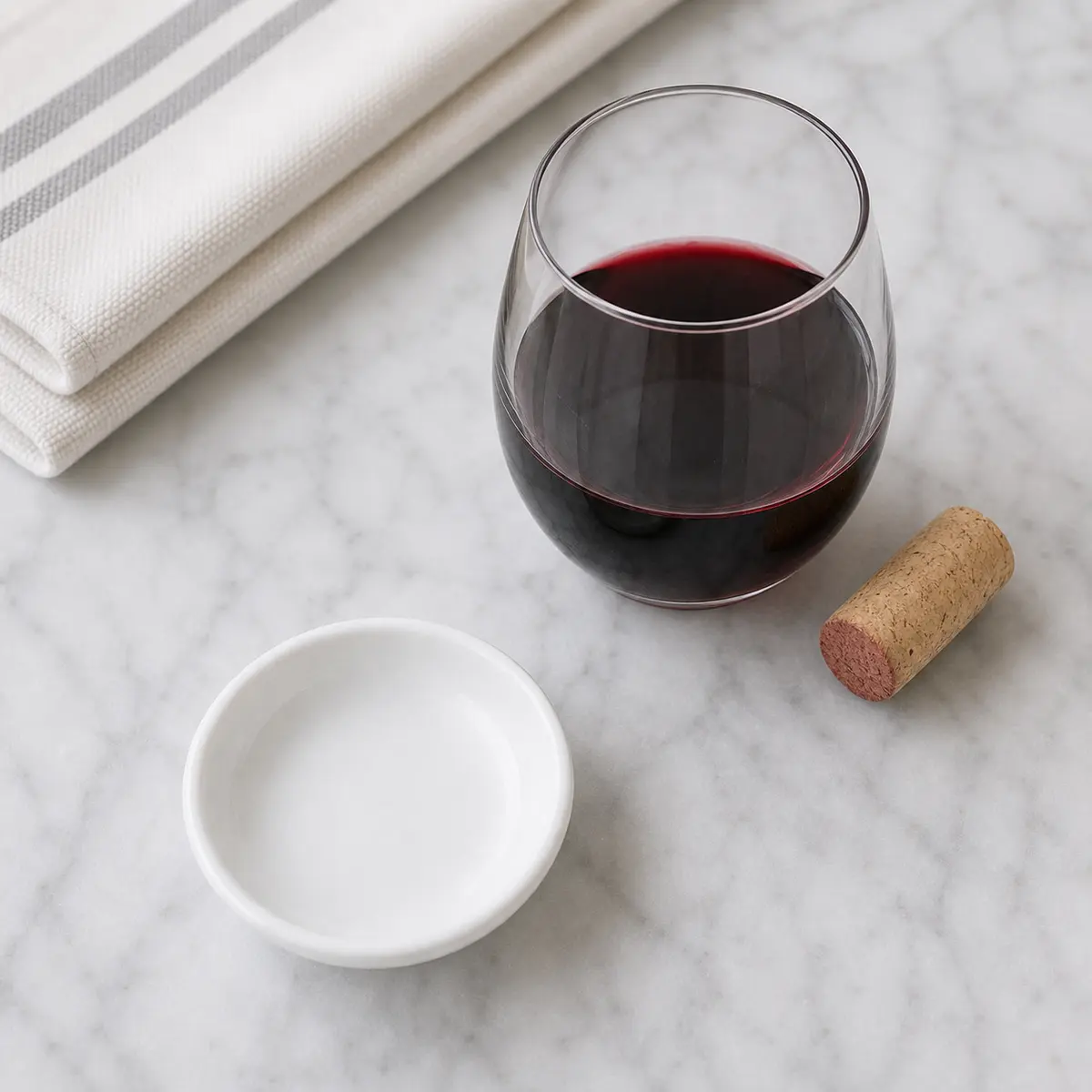 Wine
WineCall for more than a lick
Call your veterinarian or a pet poison hotline now if your cat drank wine or shows any symptoms after alcohol exposure.
All wine counts
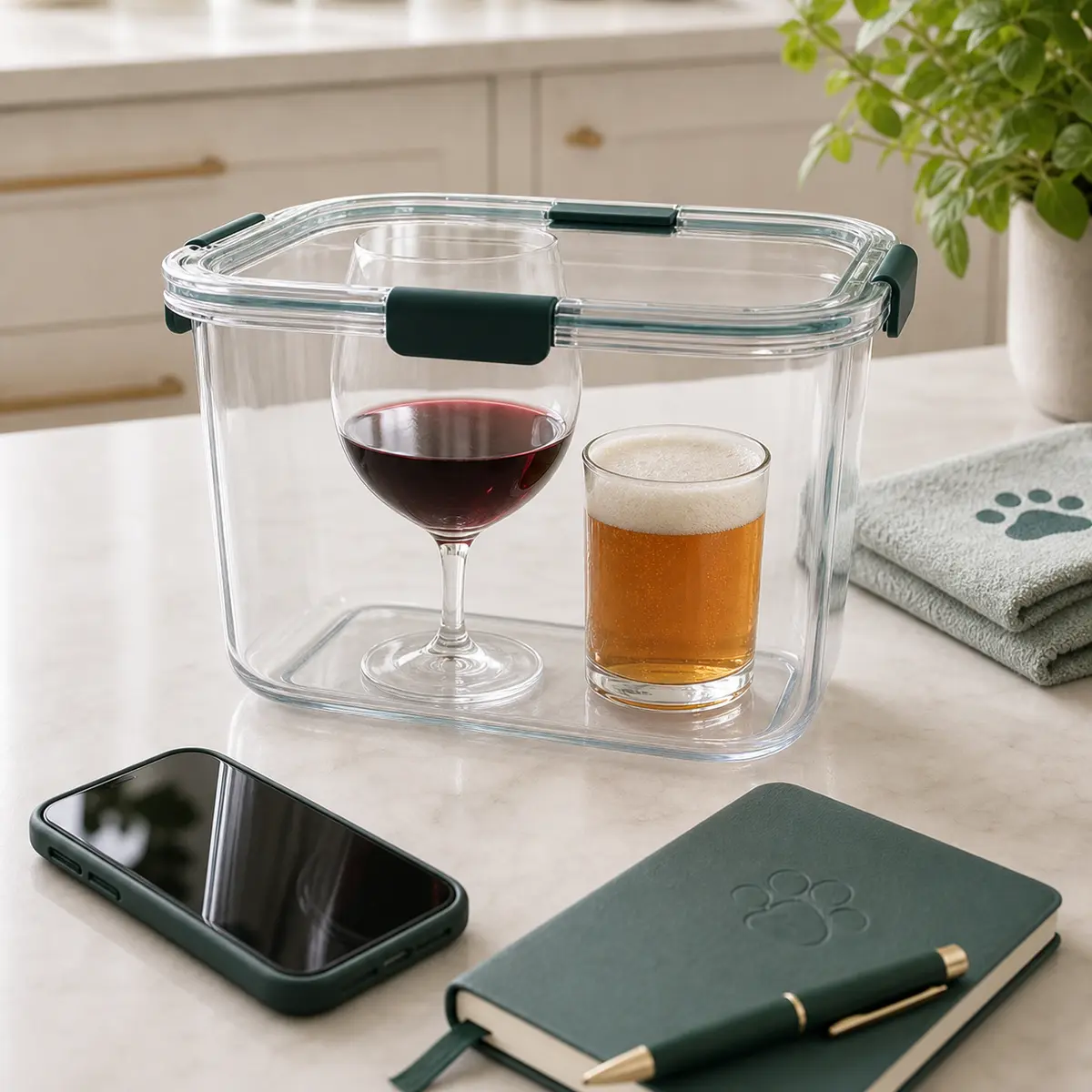
Red, white, sparkling, dessert wine, and wine sauces all create alcohol concerns.
Symptoms can be serious
Small cats can be affected by amounts that seem minor to people.
Estimate the amount
- Remove the glass, estimate how much is missing, and note the type of wine or sauce.
- Call your veterinarian or a pet poison hotline for more than a lick or any abnormal behavior.
Avoid alcohol foods
- Red wine, white wine, sparkling wine, dessert wine, wine sauces, sangria, cocktails, spilled glasses, and alcohol-soaked foods.
- Waiting at home if your cat is wobbly, sleepy, vomiting, cold, weak, or acting abnormal.
Watch
- Vomiting, wobbliness, sleepiness, drooling, weakness, low body temperature, slow breathing, collapse, or abnormal behavior.
Portion
Do not offer any amount.
Helpful food-safety supplies
Optional tools for measuring, storing, serving, and cleaning up tiny portions safely.
Affiliate links: Furball Cove may earn from qualifying purchases at no extra cost to you.