Updated
Cat food safety
Can Cats Eat Xylitol? Do Not Offer It
Do not offer
No. Do not offer xylitol, but do not apply dog-specific xylitol poisoning rules to cats.
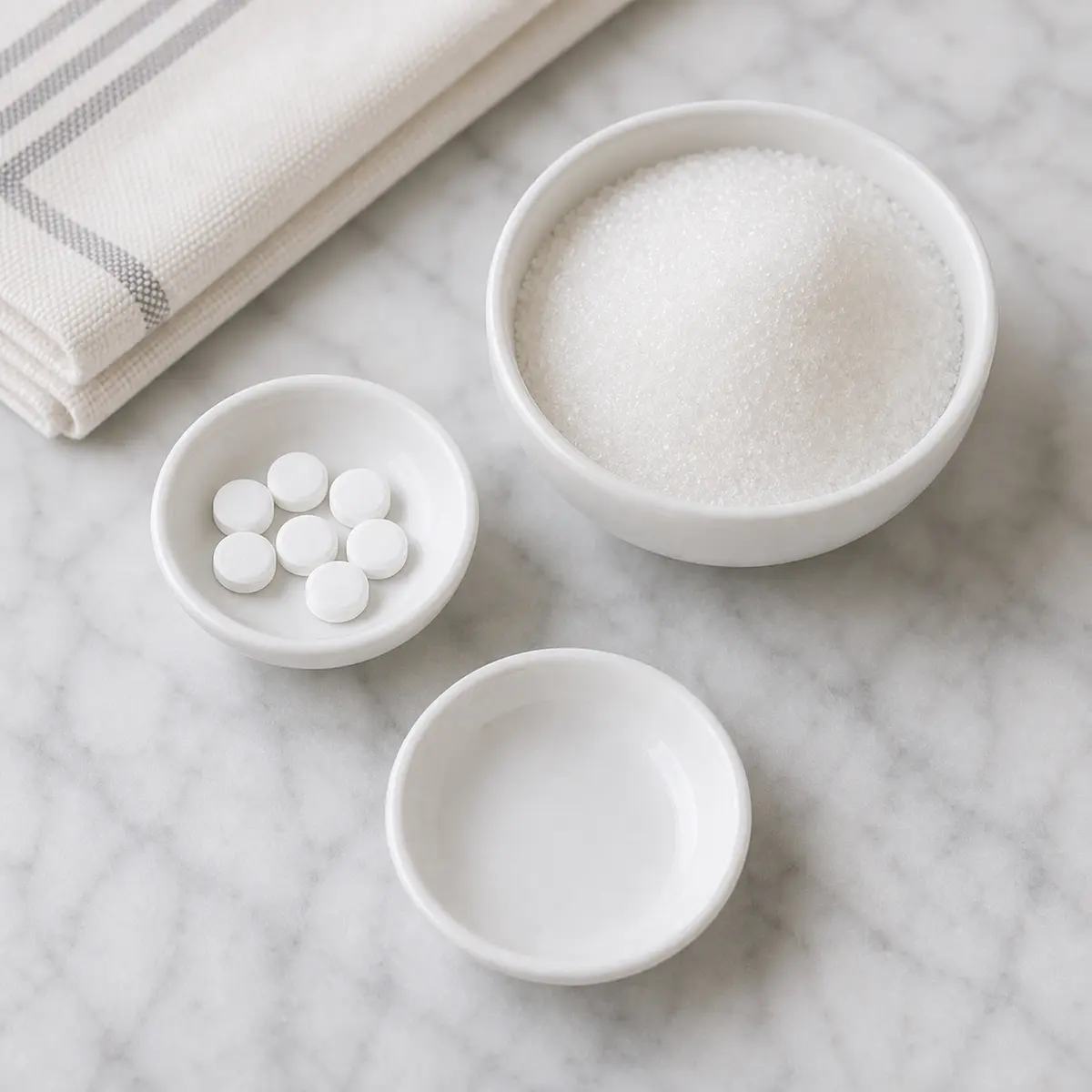 Xylitol
Call for mixed products or symptoms
Call your veterinarian or a pet poison hotline promptly if the product also contained a known cat toxin, a wrapper was swallowed, the amount is unclear, or symptoms start. For a meaningful xylitol-only exposure, call with the label for case-specific advice because feline evidence is limited.
Cat evidence differs
In one small study of six healthy cats, xylitol did not cause the low blood sugar or liver injury seen in dogs. That result is reassuring but too small to answer every product and exposure question.
The whole product matters
The ingredient list, amount, wrappers, and symptoms determine the next step. Gum, candy, toothpaste, supplements, and baked goods can contain other concerning ingredients.
Check the full label
- Save the package or ingredient list and estimate how much your cat may have eaten.
- Check for chocolate, caffeine, medication, raisins, wrappers, or other ingredients that can change the response.
Keep it out of treats
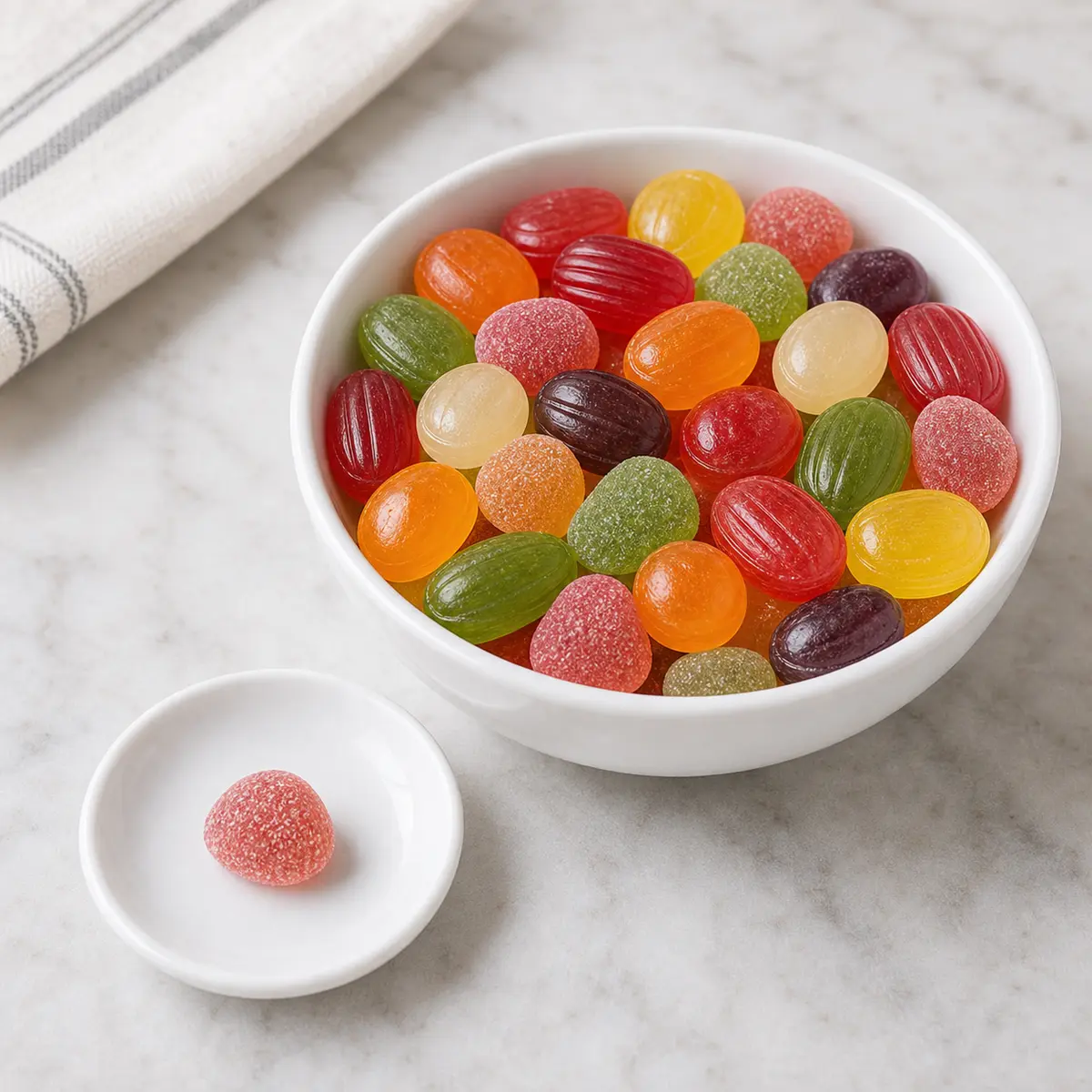
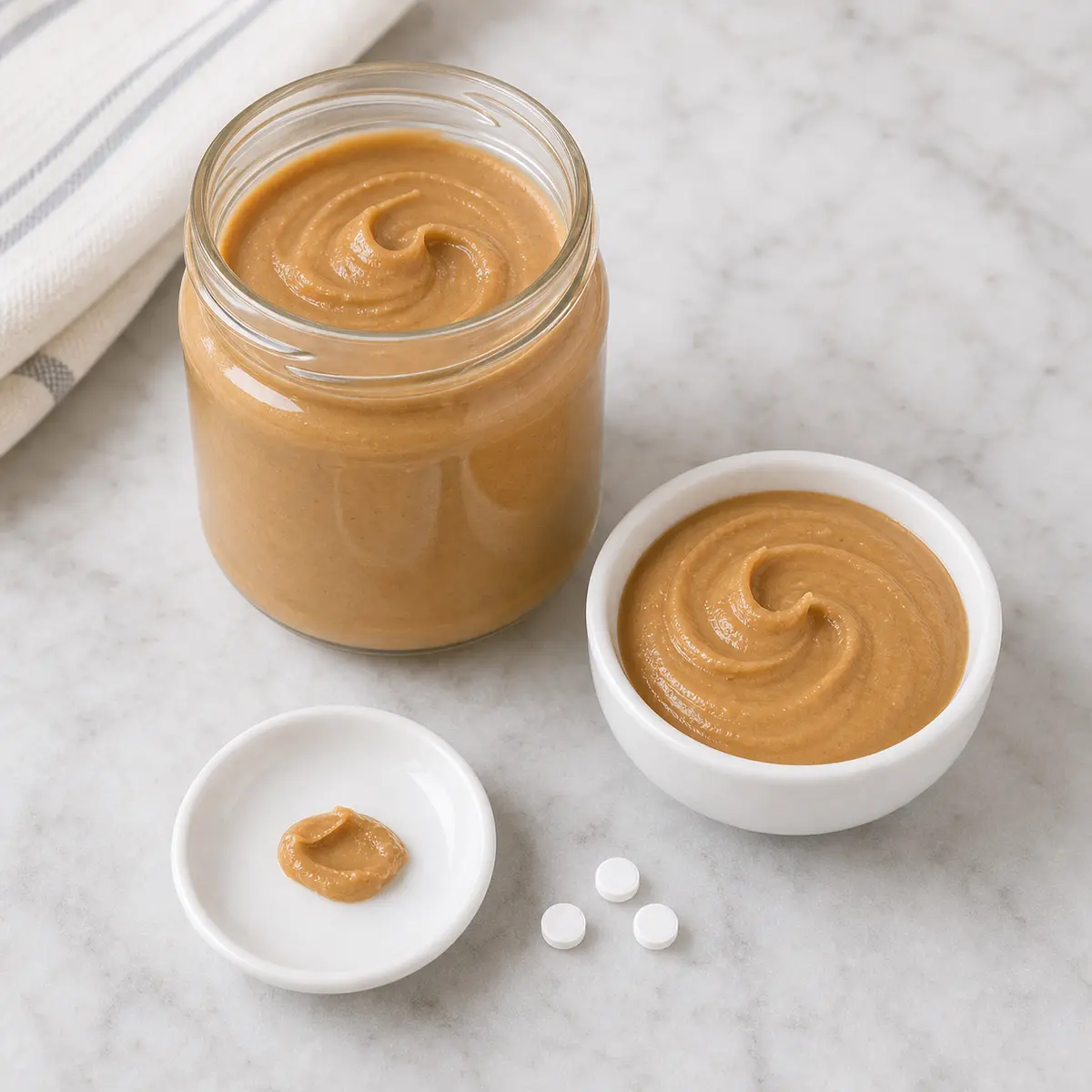
- Using xylitol, birch sugar, gum, candy, peanut butter, mints, toothpaste, or baked goods as cat treats.
- Assuming a sugar-free product is harmless without reading the full label.
Watch
- Vomiting, weakness, wobbliness, tremors, collapse, seizures, lethargy, or abnormal behavior.
Portion
Do not offer any amount.
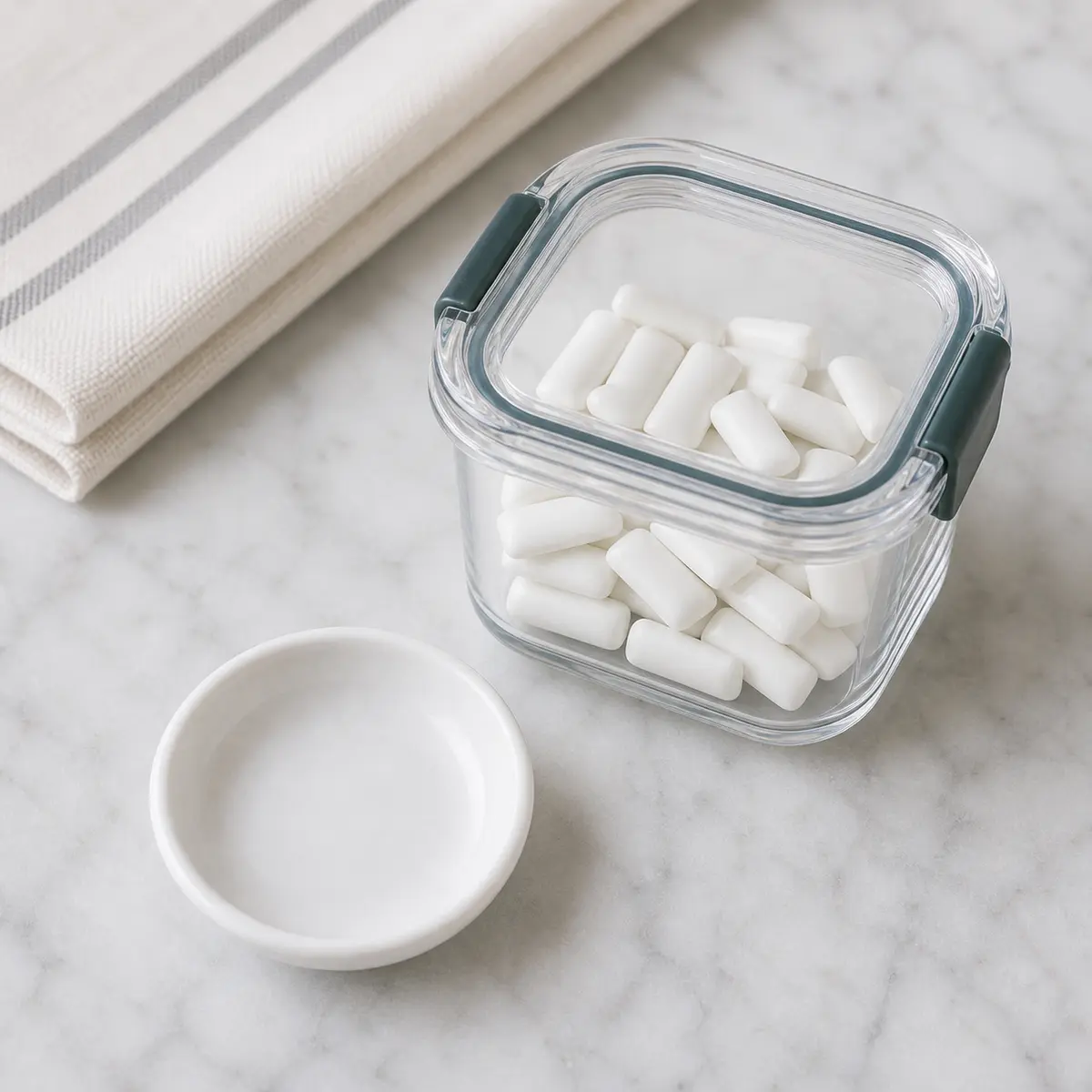
Helpful food-safety supplies
Optional tools for measuring, storing, serving, and cleaning up tiny portions safely.
Affiliate links: Furball Cove may earn from qualifying purchases at no extra cost to you.