Updated
Rabbit food check
Can Rabbits Eat Almonds?
Avoid
Almonds are too rich for rabbits and should not be used as treats.
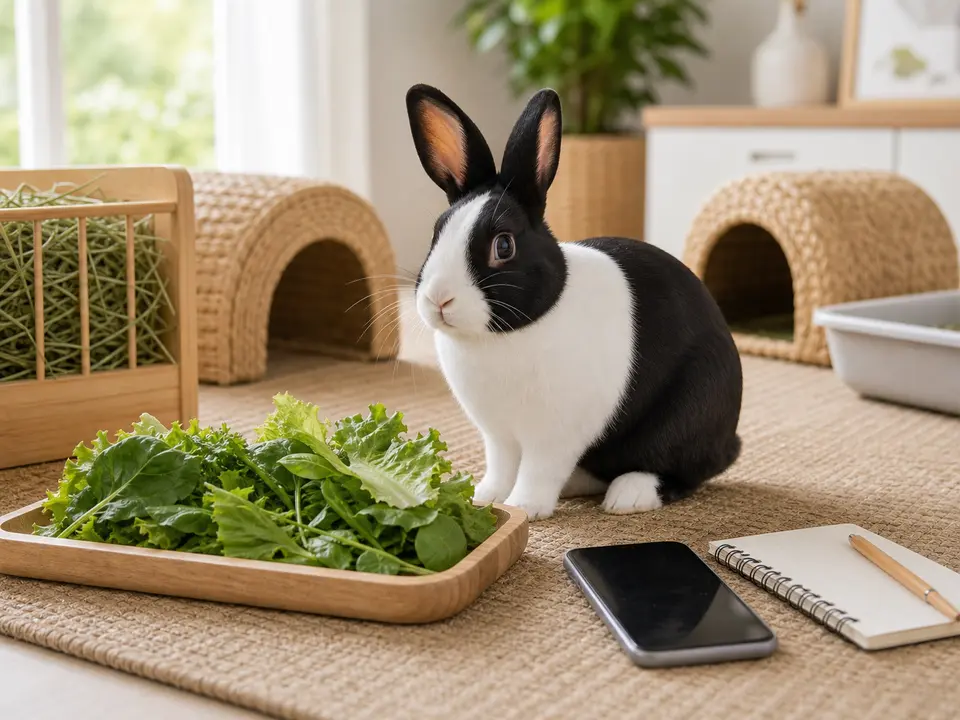 Almonds
Ask your vet if they ate it
If your rabbit ate almonds and seems off, has stopped eating, or you do not know the amount, call a rabbit-savvy veterinarian or pet poison hotline.
Skip almonds on purpose
Almonds are too rich for rabbits and should not be used as treats.
If your rabbit already got almonds
Check the amount, remove the rest, and watch appetite, poop, posture, and energy. Call a rabbit-savvy vet promptly if anything seems off.
Reset after the almonds scare
Offer familiar hay and water, then keep the room calm so you can notice whether your rabbit returns to normal eating and litter habits.
Make the almonds answer simple
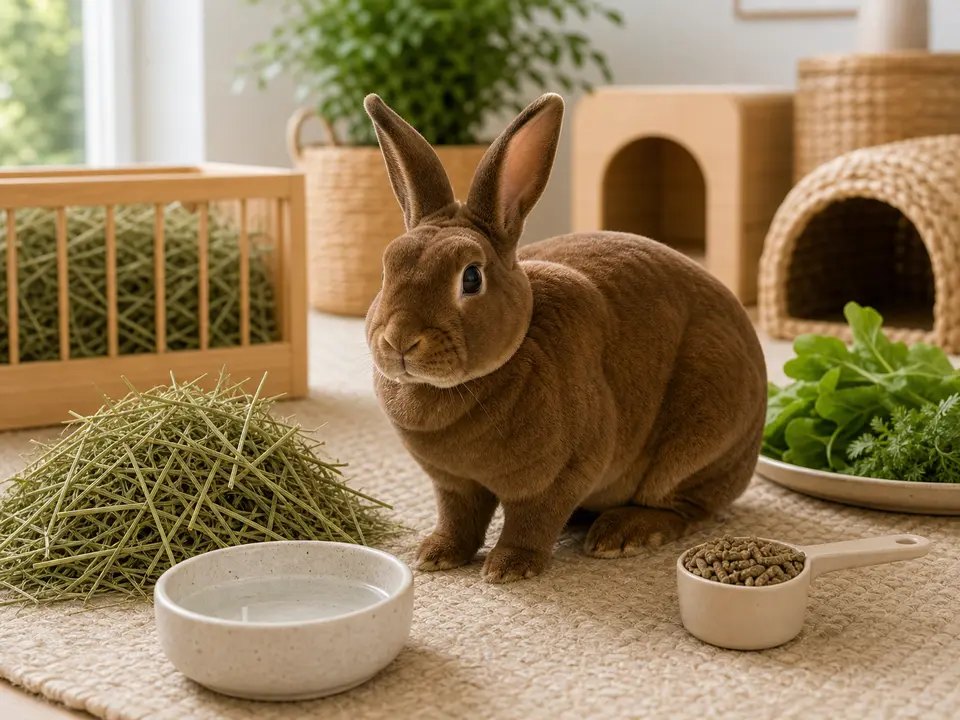
Skip almonds as a planned food. Rabbits do best when the routine stays built around hay, water, appropriate greens, and measured pellets instead of human foods that crowd out fiber.
Replace almonds with normal rabbit food
Offer hay first, then familiar greens or the measured pellets your rabbit already handles well. A plain reset is more useful than trying to find a fancy substitute.
Put almonds away before floor time
The easiest prevention happens before your rabbit is loose: clear snack plates, sweep dropped pieces, and keep grocery bags away from the exercise area.
Give helpers a clear rule for almonds
Tell kids, guests, and tired adults the same thing every time: rabbit treats come from the rabbit shelf. That keeps kindness from turning into random snack sharing.
Use almonds as a household reminder
Once the answer is clear, make the room easier to manage. Keep this food off low tables, close bags before floor time, and point helpers toward the rabbit shelf so nobody has to guess during a busy moment.
How to handle it
- Do not offer almonds on purpose.
- Move the food out of reach before floor time.
- If it was eaten, note the amount and when it happened.
Avoid
- Leaving it where a curious rabbit can grab a bite.
- Waiting to see what happens if your rabbit stops eating or pooping.
Watch
- No appetite
- No or fewer poops
- Hunched posture
- Unusual quietness
Portion
No useful serving size. Keep it out of the food routine.
Useful tools for a clean reset
These optional picks can make cleanup easier and keep the usual hay, water, appetite, and litter-box checks easy to follow.
Affiliate links: Furball Cove may earn from qualifying purchases at no extra cost to you.
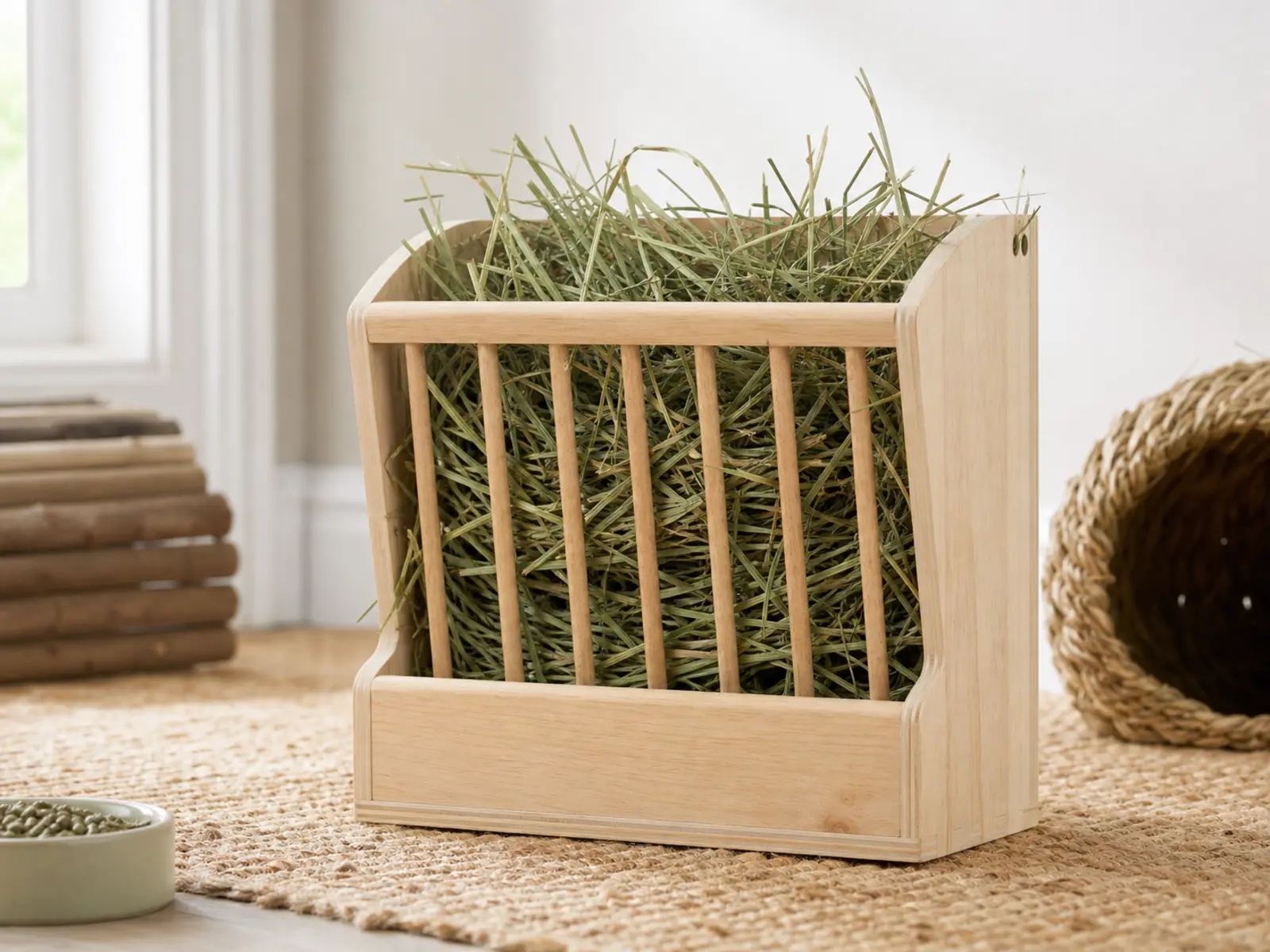
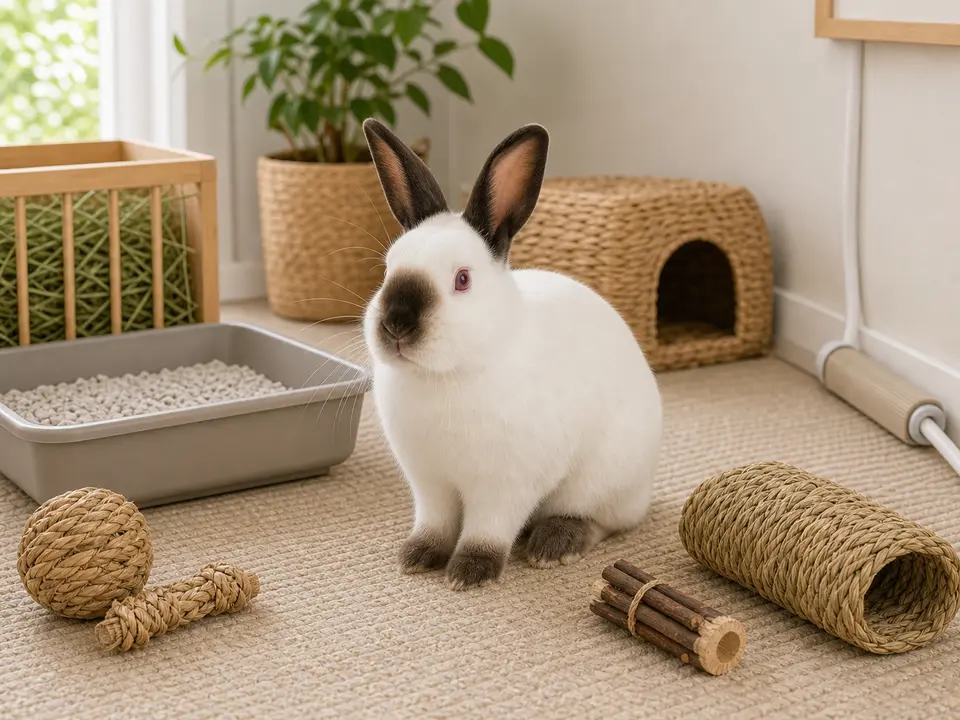
Rabbit hay feeder
Keeps a generous hay supply beside the litter box where your rabbit is most likely to use it.
Shop rabbit hay feeder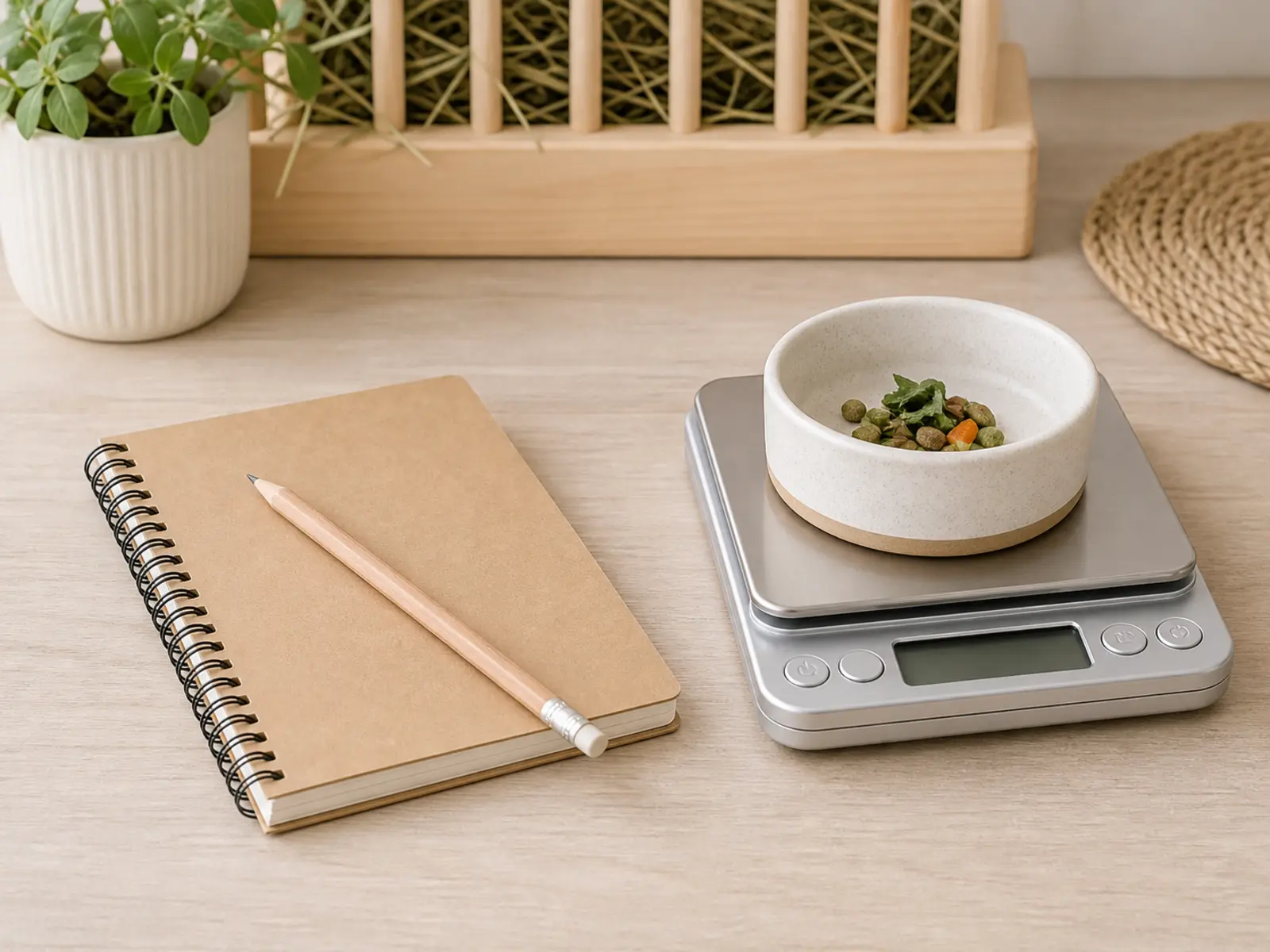
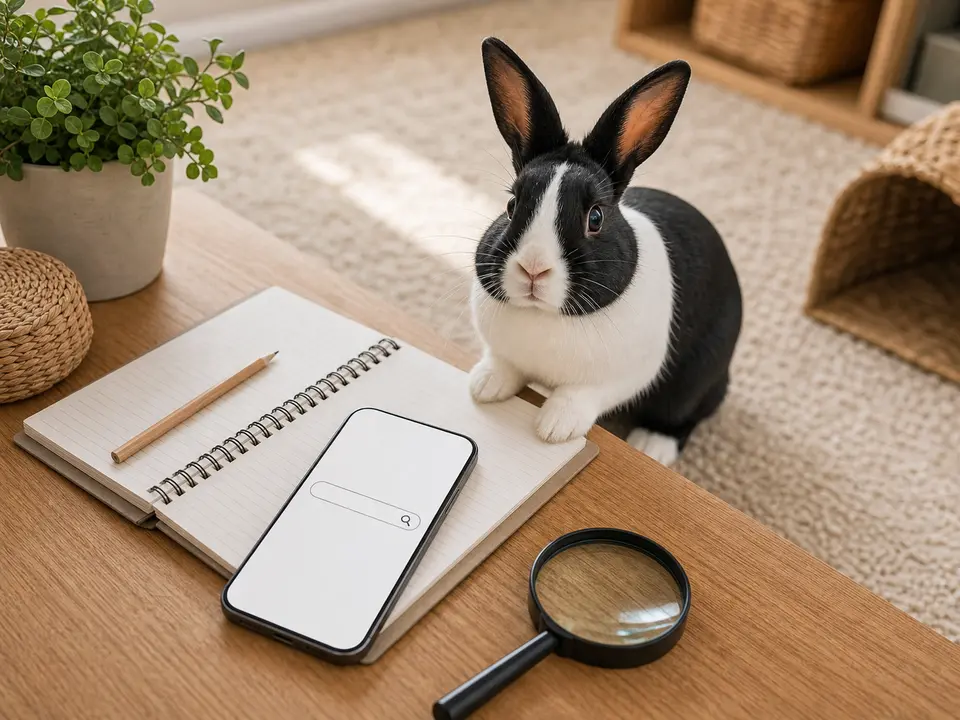
Rabbit care notebook
Write down what was eaten, the amount, the time, and any appetite or poop change before calling the vet.
Shop rabbit care notebook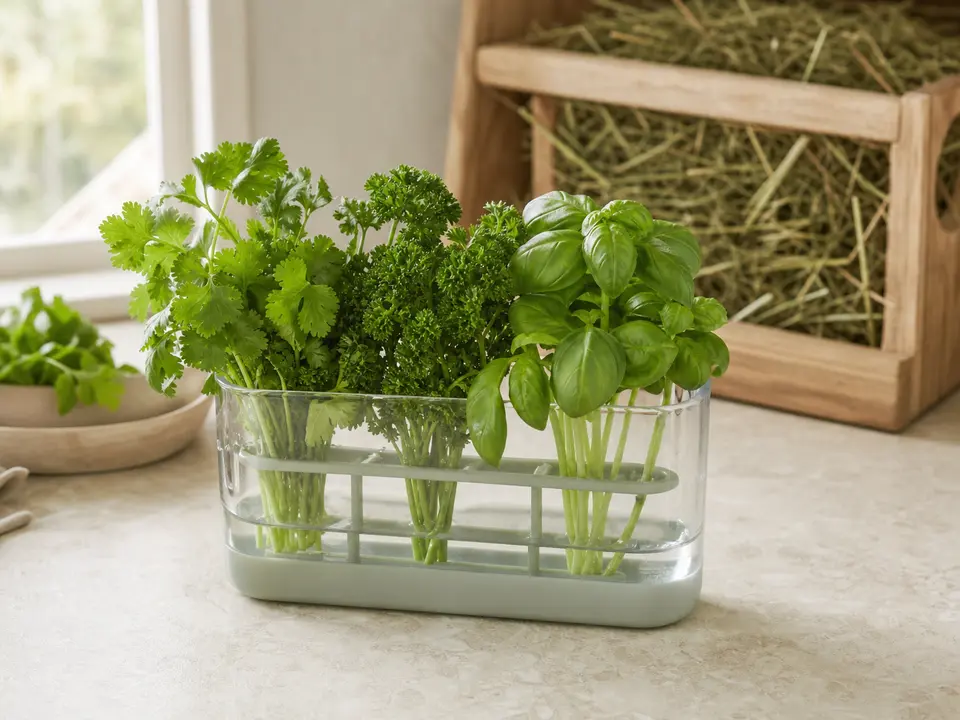
Herb keeper
Keeps parsley, cilantro, and other approved herbs upright and visible instead of forgotten in a produce drawer.
Shop herb keeper