Updated
Rabbit food check
Can Rabbits Eat Baby Food? Only With Vet Guidance
Vet-guided use only
Not as a snack. If a rabbit is refusing food, call a rabbit-savvy vet before syringe-feeding baby food or anything else; an intestinal blockage must be ruled out first.
 Baby Food
Baby food is not rabbit recovery food
A jar meant for a human infant is designed around a different diet. Even a smooth vegetable recipe lacks the long fiber and chewing a rabbit's normal menu provides. Keep it out of the treat rotation and do not use the soft texture as proof that it is appropriate.
The label decides what the accidental lick contained
Line up the opened jar, lid, and pouch on the counter, then photograph the ingredient panel. Read past the first two items. Carrot and water is a short list; meat, dairy, salt, starch, seasonings, or several fruits points to a mixed dinner recipe. Keep the photo ready for the veterinary team.
A rabbit who stops eating needs an exam first
Loss of appetite can accompany pain, dental disease, gut slowdown, or a true obstruction. Rabbit Welfare Association & Fund advises getting veterinary guidance before syringe feeding so a blockage can be ruled out. The right response is a call, not a trial spoonful from the pantry.
A chewed pouch adds a second problem
Look at the corners, cap, foil seal, and plastic body—not only the food level. If any packaging is missing, tell the rabbit-savvy clinic what material and how much may have been swallowed, especially if eating or droppings have changed.
Clear the high chair and floor together
Baby-food drips land on tray edges, chair legs, bibs, and the floor. Put the jar and spoon away, wipe those low surfaces, and close the waste bin before the rabbit's exercise time begins.
Save the package, not a copied flavor name
Mixed pouches can have similar front labels and very different recipes. Keep the original container or take a clear photo of both ingredient and nutrition panels before cleaning up the rest.
Write down the clinic's feeding plan
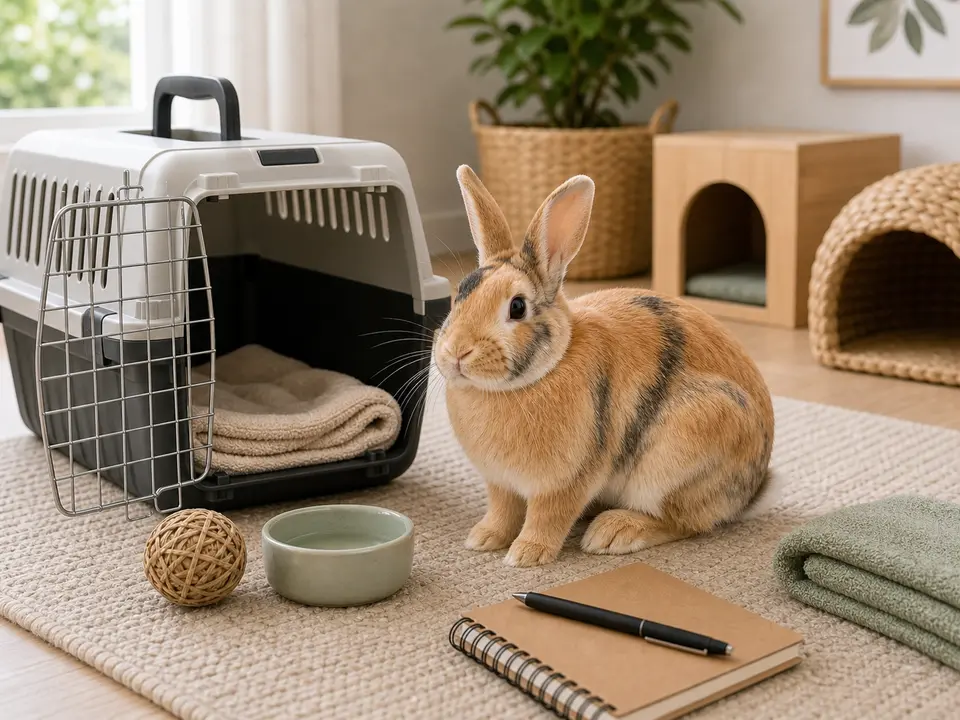
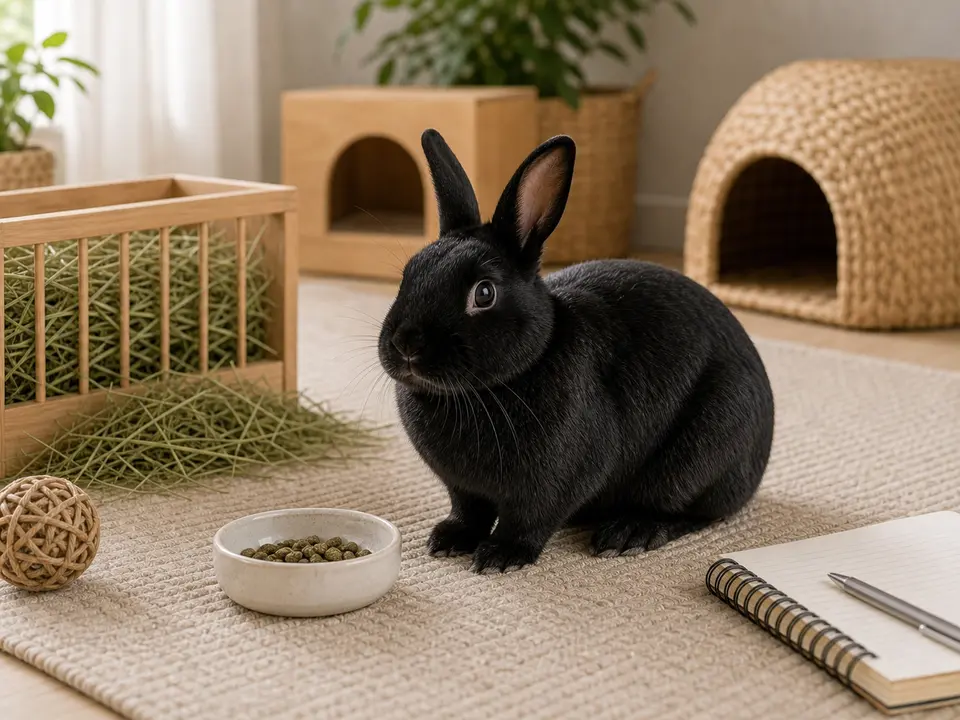
If the clinic prescribes assisted feeding, put a sheet beside the recovery-food packet and mark each feeding as it is given. Across the top, copy the product name, mixing ratio, milliliters per feeding, and exact times. At the bottom, copy the clinic's stop-and-call signs and phone number for the next caregiver.
Keep the healthy-day menu recognizable
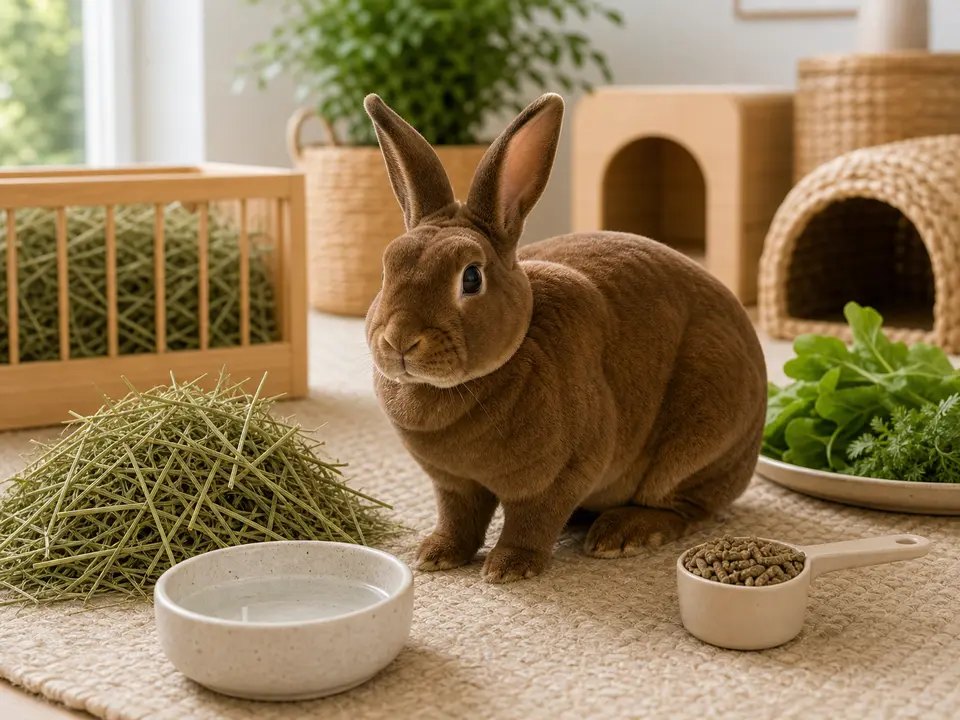
When appetite is normal, the feeding area should still look like a rabbit's: a generous loose-hay station, clean water, appropriate leafy greens, and a measured pellet ration. A row of human purée pouches does not belong on that shelf.
How to offer it
- Keep the jar, cap, spoon, and pouch together until you have read every ingredient.
- Estimate the missing amount by comparing it with what remains instead of guessing from the smear on your rabbit's whiskers.
- If your rabbit is eating poorly, note the last normal meal and droppings before calling the clinic.
- Use a recovery product, amount, and method only after the vet has checked the rabbit and explained the plan.
Avoid
- Fruit purée as an everyday treat or an easy way to add calories.
- Mixed meals containing meat, dairy, added salt, starch, seasonings, or several ingredients you have not identified.
- Pushing food by syringe before a vet has ruled out an intestinal blockage.
- Letting a rabbit chew the cap, plastic cup, foil seal, or soft pouch.
Watch
- Hay disappearing at the rabbit's usual pace
- Round droppings continuing in the normal size and number
- Resting in the usual spot with the abdomen loose and feet tucked normally
- Walking over when familiar greens arrive and finishing the measured pellets as usual
Portion
There is no routine baby-food portion. A trace lick from a simple fruit or vegetable purée calls for a label check and normal observation; an unknown recipe, a noticeable amount, missing pouch plastic, or reduced appetite deserves veterinary advice.
Useful gear around a vet-led feeding plan
None of these products replaces an examination or feeding instructions. They help with the practical parts: getting to the clinic, tracking weight when asked, and keeping the ordinary hay routine easy to see.
Affiliate links: Furball Cove may earn from qualifying purchases at no extra cost to you.
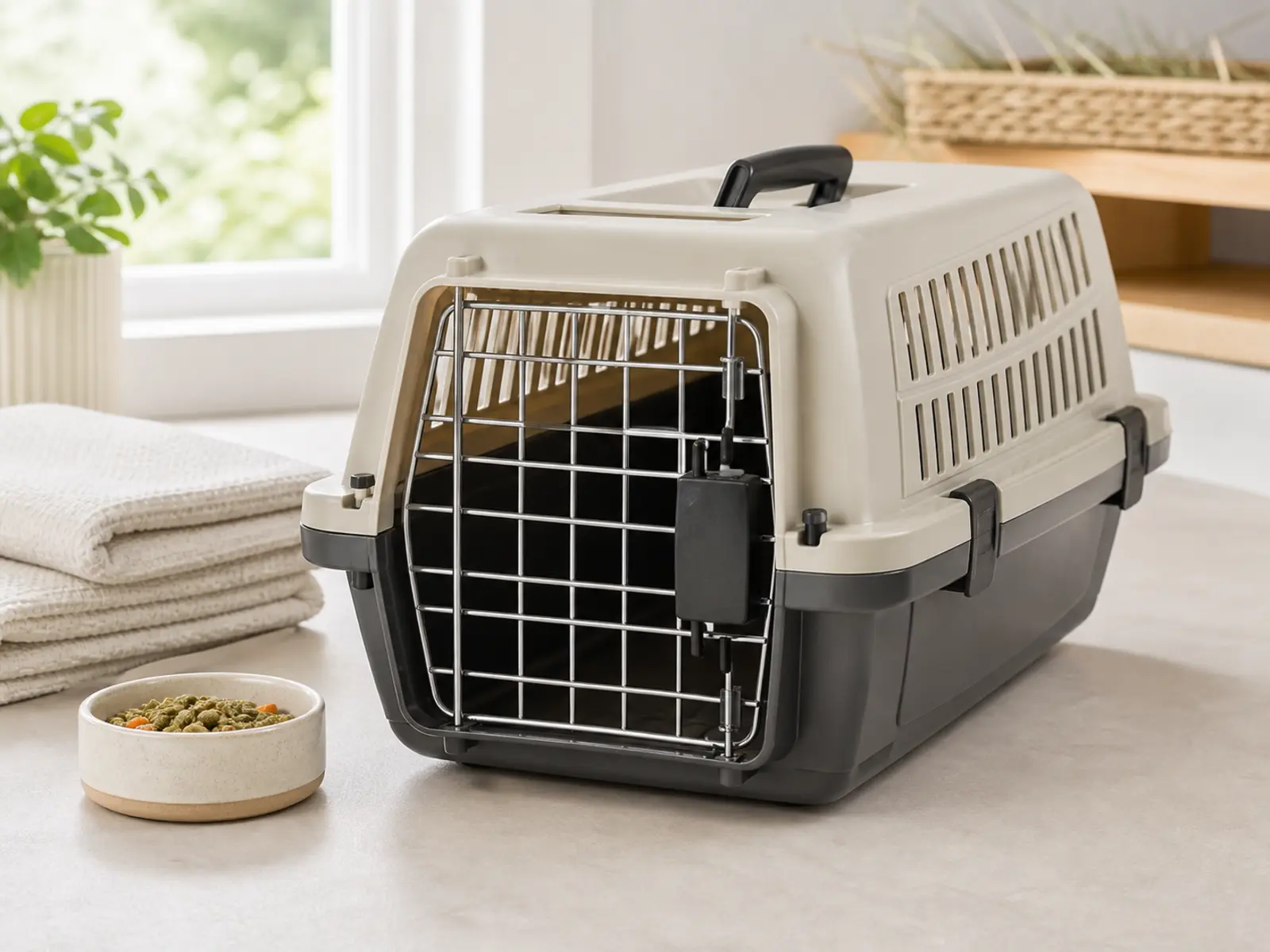
Hard-sided carrier
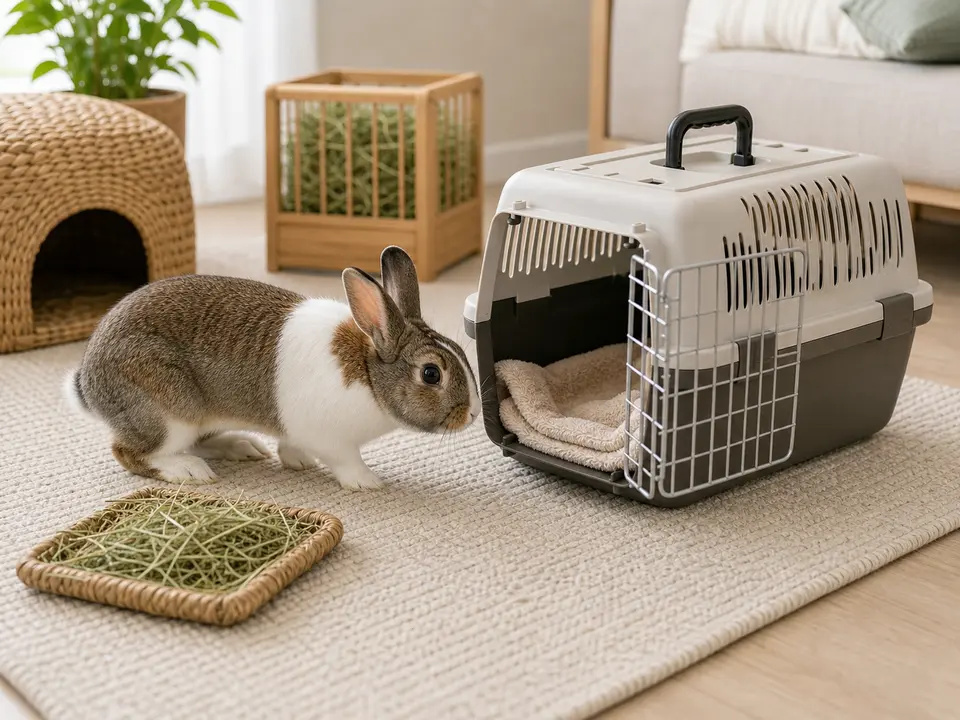
Keep a sturdy carrier ready for the same-day trip a rabbit may need when appetite drops; a jar from the pantry cannot replace that examination.
Shop hard-sided carrier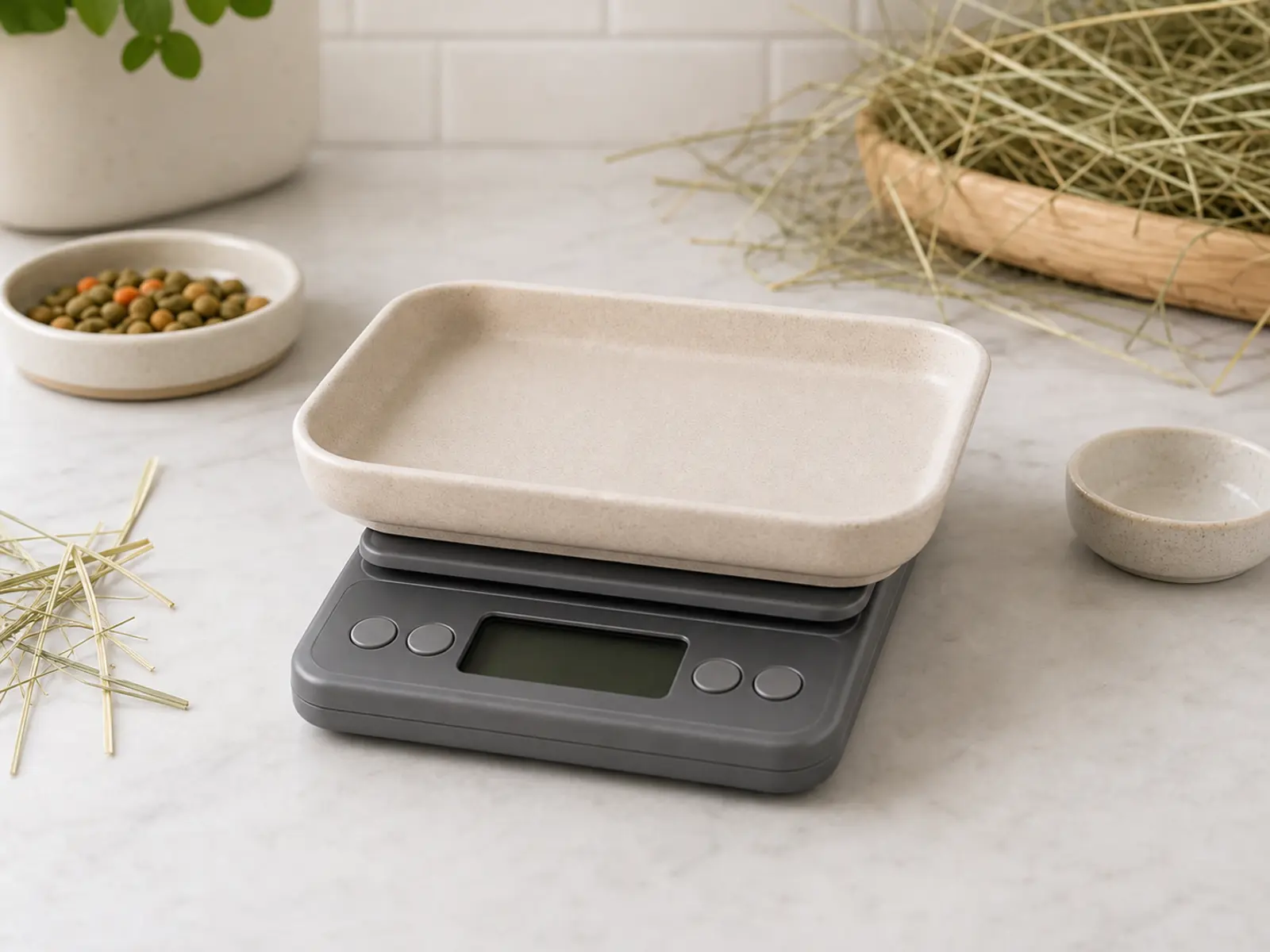
Weighing tray
Use a stable tray only when the clinic asks you to log weight, then bring the dated numbers to the follow-up instead of relying on memory.
Shop weighing tray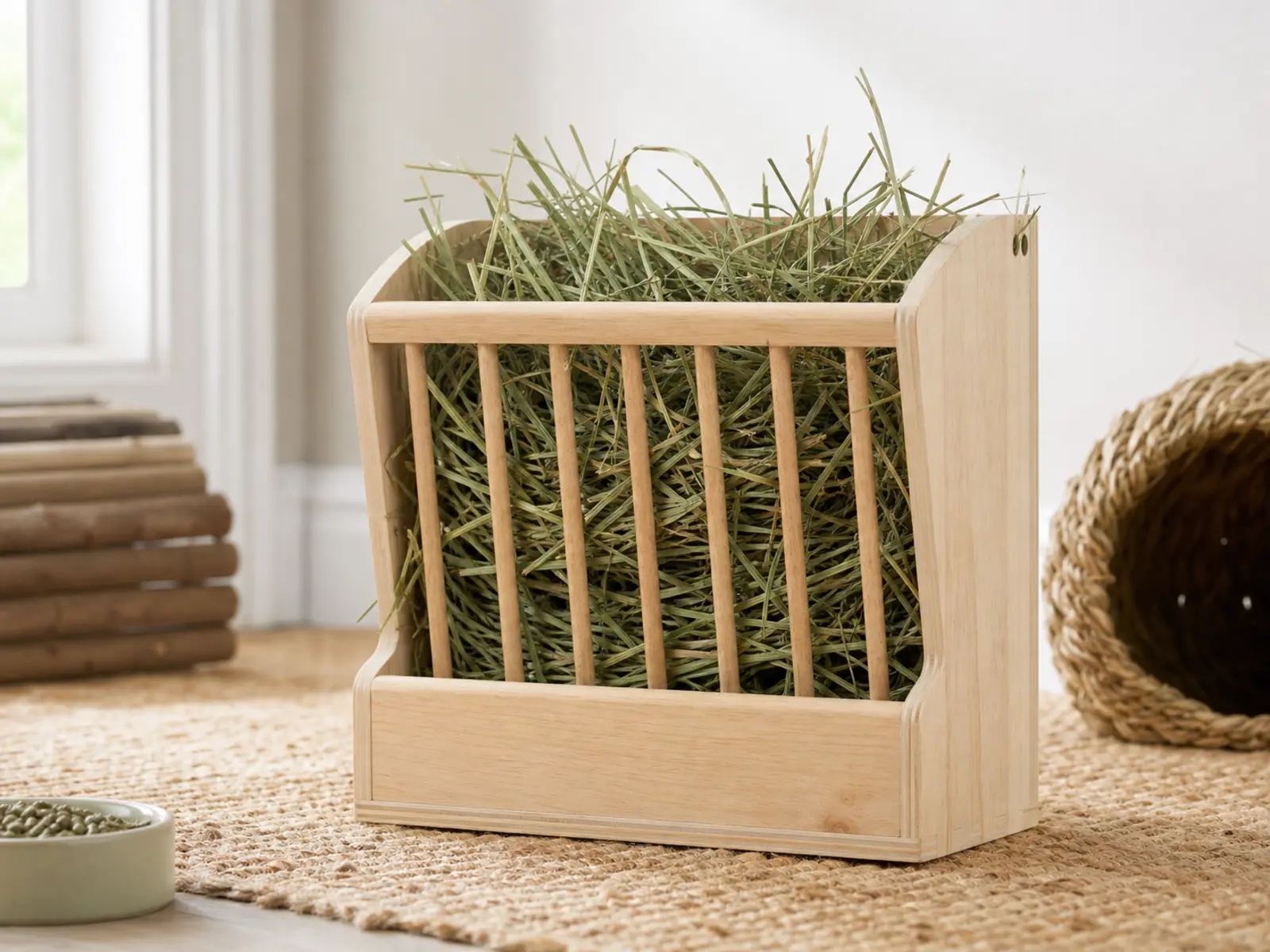
Rabbit hay feeder
A visible supply of loose grass hay makes normal chewing easier to notice on healthy days and during any vet-directed recovery check.
Shop rabbit hay feeder