Updated
Rabbit food check
Can Rabbits Eat Bell Peppers? Yes—Offer a Small Strip
Yes—one small sweet-pepper strip
Yes. Adult rabbits can eat fresh bell pepper. Wash the glossy fruit, remove the green stem and white core, shake away the loose seeds, and offer one small plain flesh strip. Bell peppers are sweet vegetables, so keep the piece modest beside unlimited grass hay.
 Bell Peppers
Yes—bell-pepper flesh is rabbit-safe
House Rabbit Society lists bell or sweet peppers among rabbit-safe non-leafy vegetables, and VCA includes green peppers among acceptable choices. A small washed strip of crisp flesh can join an adult rabbit's varied vegetables while grass hay stays unlimited.
Any common bell-pepper color can work
Green, red, yellow, and orange bell peppers are color stages and varieties of the same blocky sweet-pepper fruit. Choose one that is firm and fresh. The color can change from one shopping trip to the next; the small plain serving does not need to grow with it.
Trim the core without inventing a crisis
Cut away the green stem and white central core, then shake loose seeds into the scrap bowl. That leaves one clean strip of recognizable pepper wall. A soft seed clinging to the flesh is not a reason to panic; ordinary kitchen prep is enough.
Sweet vegetable means a small piece
House Rabbit Society notes that bell peppers are higher in sugar, and RWAF advises small amounts of sweet vegetables such as peppers. Serve a narrow strip for variety. Do not let its bright color turn the vegetable bowl into a pepper plate.
Name the blocky pepper first
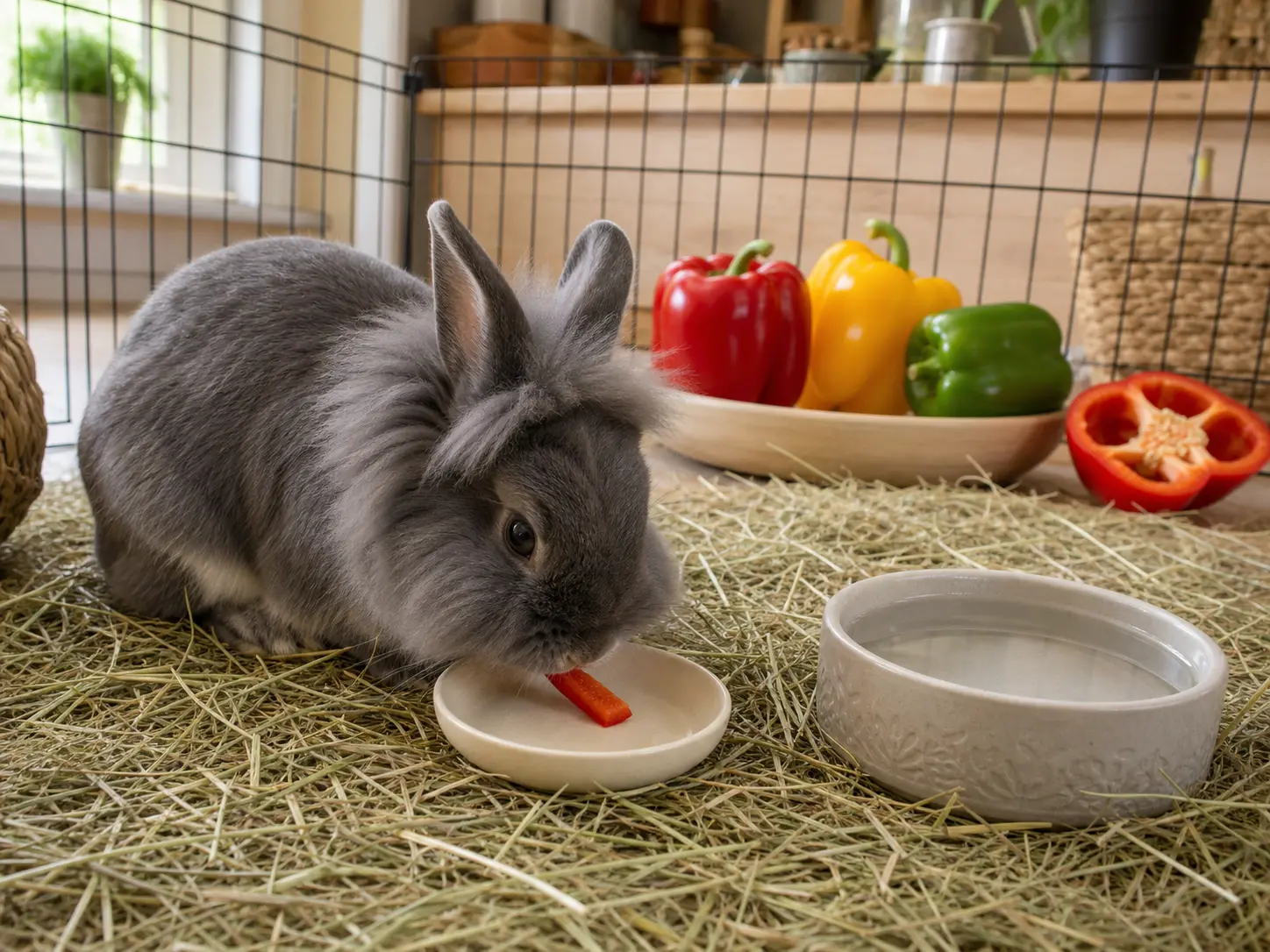
The pale-wood bowl holds broad-lobed red, yellow, and green bell peppers, not narrow chilies. The steel-gray Lionhead waits beside orchard hay while one firm red pepper moves to the sink.
Open the pepper over the board
Rinse and dry the glossy fruit, then cut around its green cap. Lift out the white core and tap the loose flat seeds into the scrap bowl. Slime, fuzzy growth, sour odor, or a wet blackened cavity means the pepper goes no farther.
Cut one red strip for the ivory saucer
Slice one narrow piece from the crisp red wall and place it on the low ivory saucer beside hay and water. The strip carries glossy skin and fresh flesh, with no stem, white core, or loose seed pile.
Look for hay after the sweet bite
Finishing the red strip tells you the rabbit enjoyed it. Later, check for hay pulled from the pile, easy movement, and familiar round droppings. Slower eating or output, diarrhea, hunching, or a painful posture needs prompt rabbit-savvy veterinary advice.
Serve
- Confirm a blocky sweet bell pepper. Red, yellow, orange, and green bell peppers have thick glossy walls and broad lobes; narrow hot peppers need their own answer.
- Inspect the whole fruit and cut surface. Discard a pepper with slime, fuzzy growth, sour odor, collapsing flesh, a blackened wet cavity, or spreading soft spots.
- Rinse the glossy outside under cool water, cut around the green stem, remove the white central core, and shake loose seeds into the scrap bowl.
- Cut one small plain strip from the crisp pepper wall. Refrigerate the rest before roasting, stuffing, stir-frying, dipping, oiling, salting, or seasoning begins.
Avoid
- Pepper leaves, stems, or the garden plant. RWAF distinguishes the edible bell-pepper fruit from the other parts of the plant.
- Jalapeños, chilies, cayenne, or another hot pepper chosen because it shares the word pepper. This page covers blocky sweet bell peppers.
- A whole pepper, a bowl of strips, or repeated refills. House Rabbit Society and RWAF both place sweet peppers in the limited, sugarier part of the vegetable menu.
- Stuffed, roasted, marinated, grilled, or stir-fried pepper, restaurant sides, salsa, dip, or flesh carrying oil, salt, cheese, sauce, spice, or seasoning.
- A slimy, moldy, sour-smelling, badly bruised, collapsing, chemically treated, or unidentified piece.
Watch
- The small bell-pepper strip disappearing while the rabbit continues ordinary visits to the hay pile
- Normal posture, movement, water use, and interest in familiar food
- The rabbit's usual separate round droppings after a first sweet-pepper tasting
- Reduced eating or droppings, soft stool, diarrhea, belly pressing, hunching, tooth grinding, weakness, or unusual quietness; remove pepper and contact a rabbit-savvy veterinarian promptly
Portion
RWAF treats peppers as sweet vegetables and recommends a genuinely small, consistent piece rather than a large occasional helping. One narrow bell-pepper strip is enough to add color and crunch to an adult rabbit's varied vegetables. It never replaces unlimited grass hay.
Make one clean pepper strip before the human recipe starts
These produce-prep tools help keep the bell pepper fresh, separate the stem and core neatly, and reserve one small plain strip before roasting, stuffing, dip, or seasoning enters the kitchen.
Affiliate links: Furball Cove may earn from qualifying purchases at no extra cost to you.
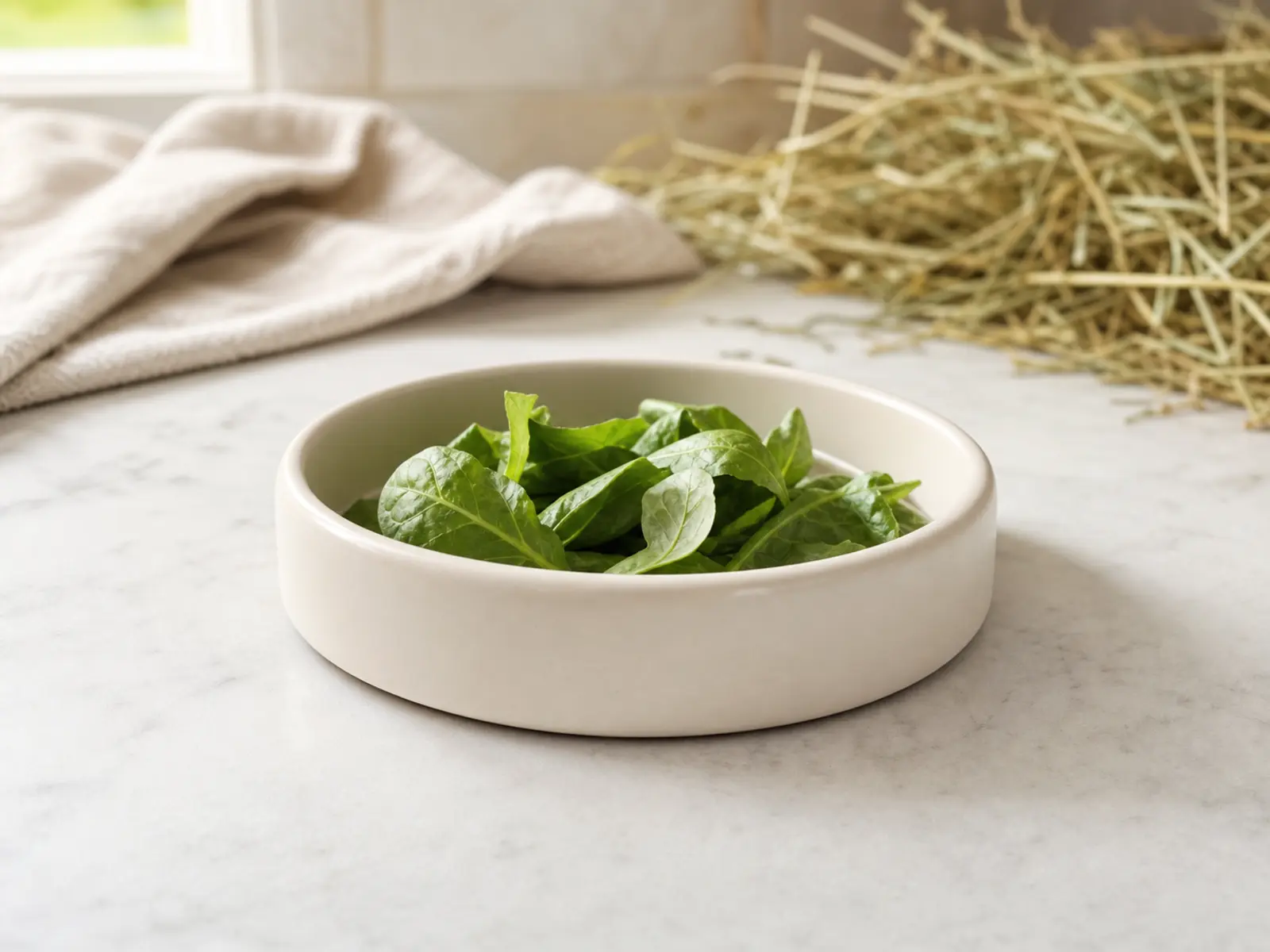
Ceramic food dish
Place one clean flesh strip on a low washable saucer with no pellets, dip, cheese, oil, sauce, salt, or cooked pepper mixed underneath.
Shop ceramic food dish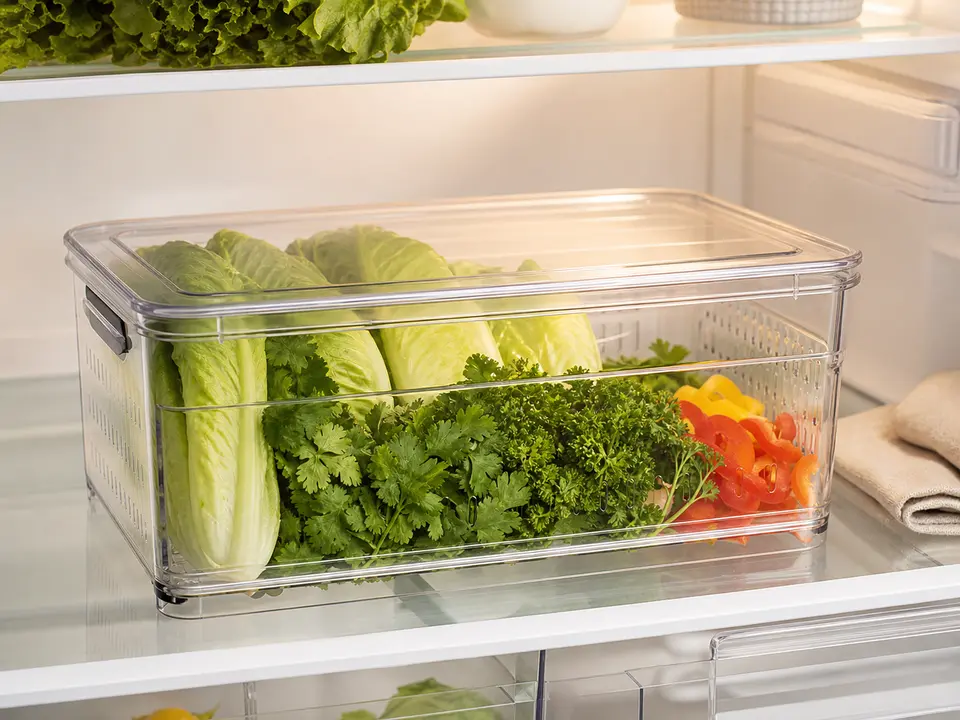
Rabbit greens bin
Keep whole and cut bell peppers visible in the refrigerator so wrinkled skin, a soft wall, wet patches, and the opened date stay easy to check.
Shop rabbit greens bin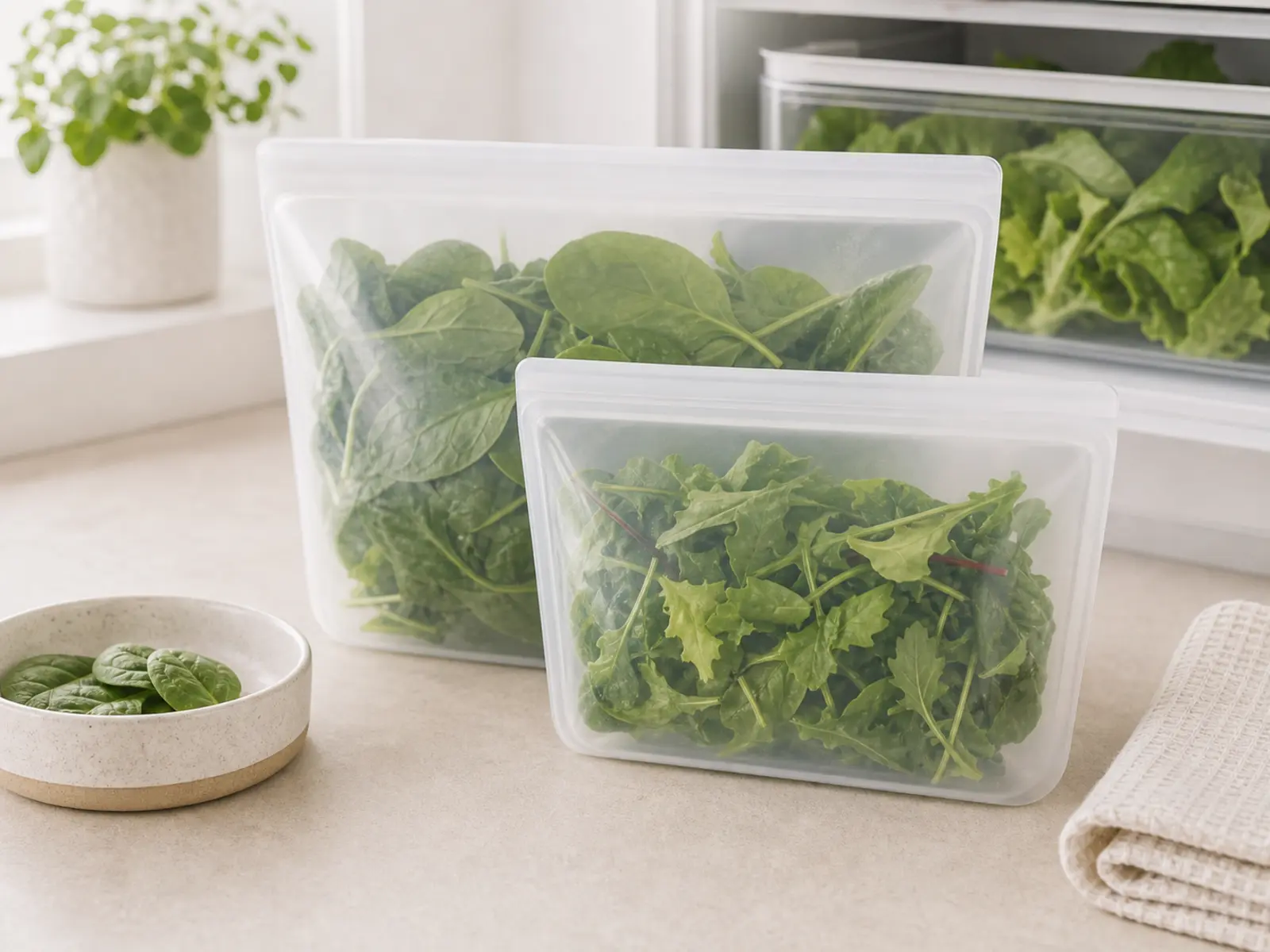
Produce storage bags
Cover the remaining cut pepper in the refrigerator without hiding a wet cavity, soft edge, or the date it was opened.
Shop produce storage bags