Updated
Rabbit food check
Can Rabbits Eat Butter Lettuce? Yes—Wash the Soft Leaves
Yes—washed and plain
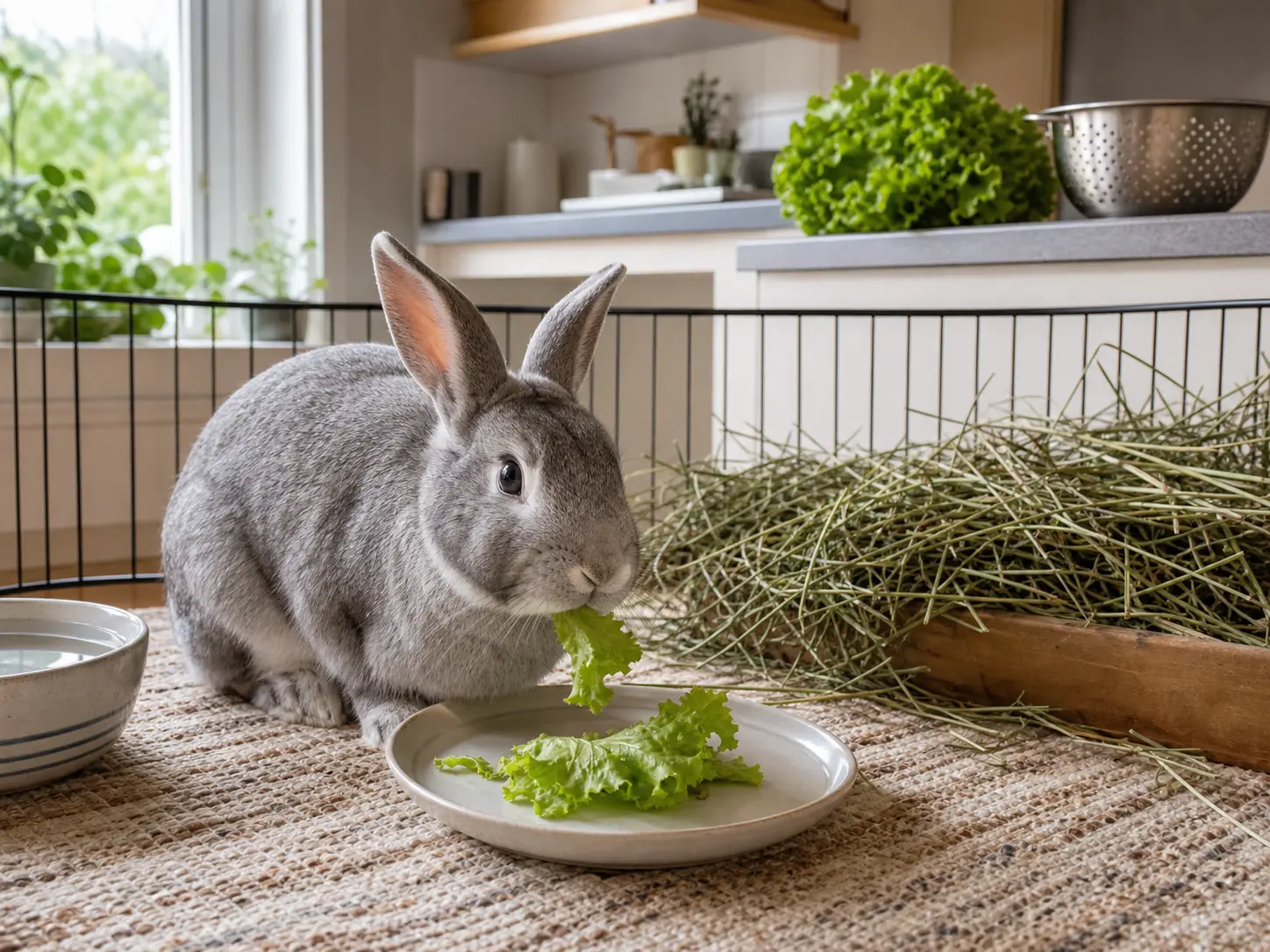
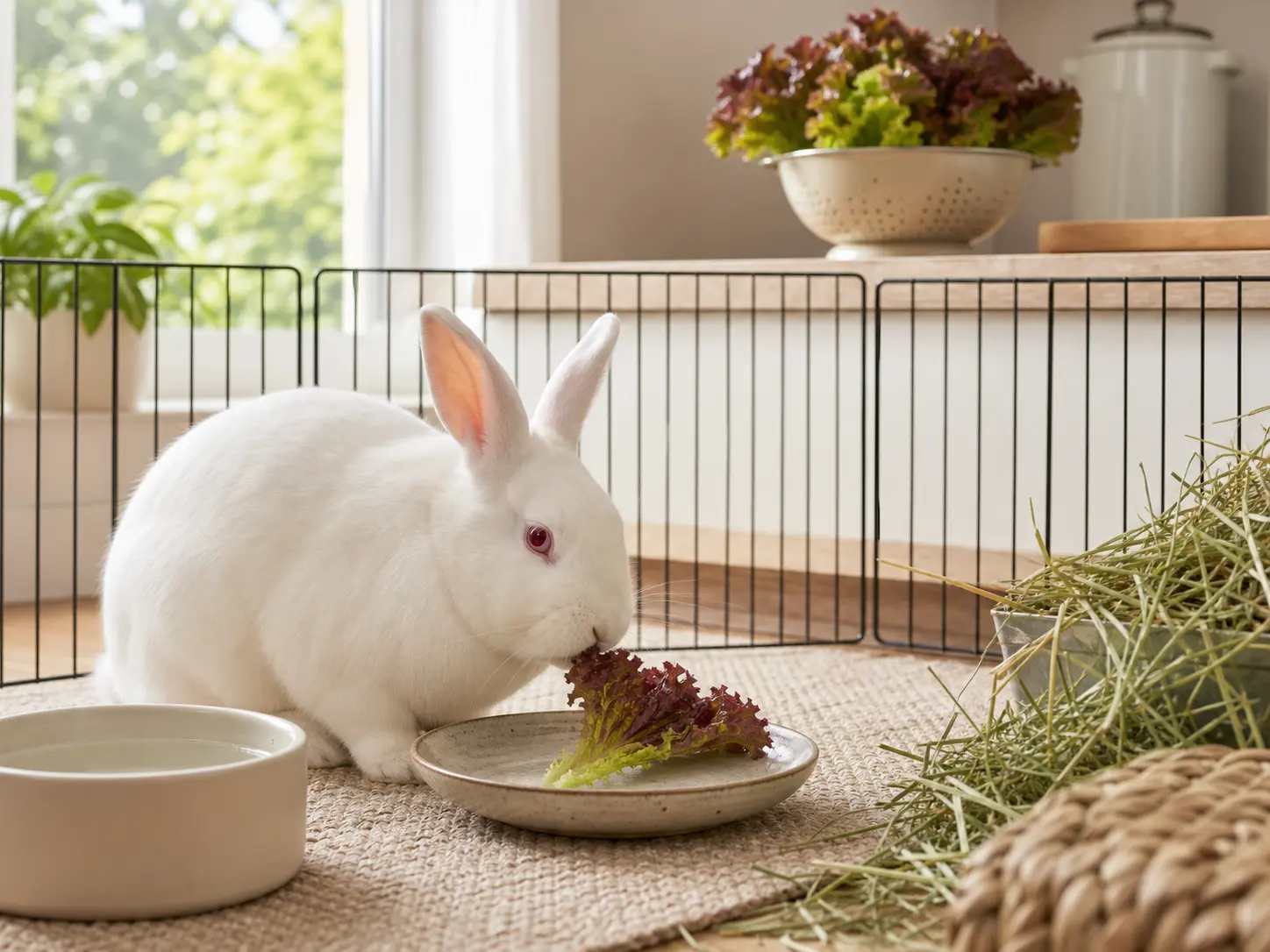
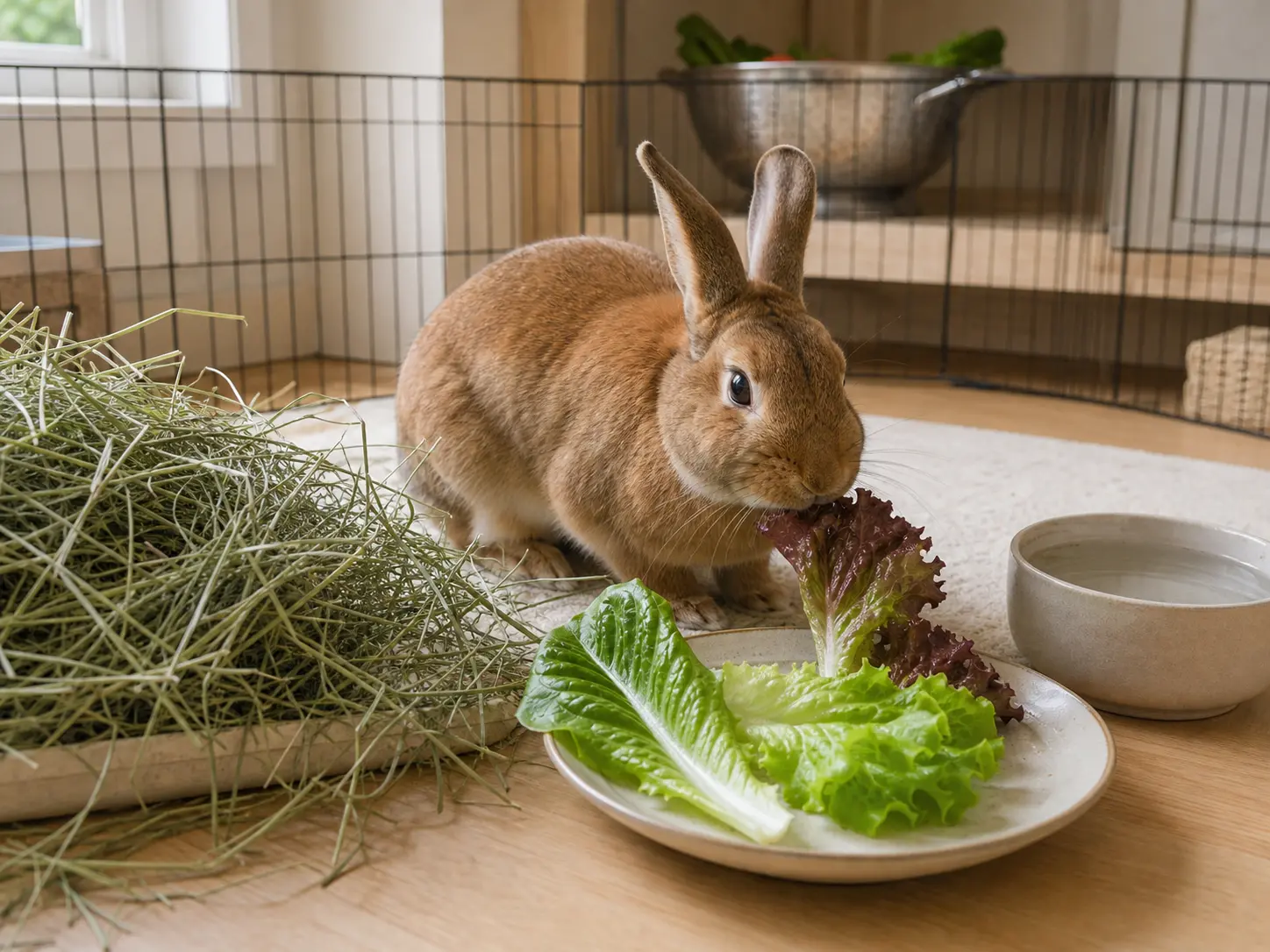
Yes. Adult rabbits can eat butter lettuce, including Bibb and Boston types. Peel off a crisp soft leaf, rinse inside the cupped folds, and serve it plain as part of the usual greens. Start with one small torn piece if it is new, and leave the hay pile open all day.
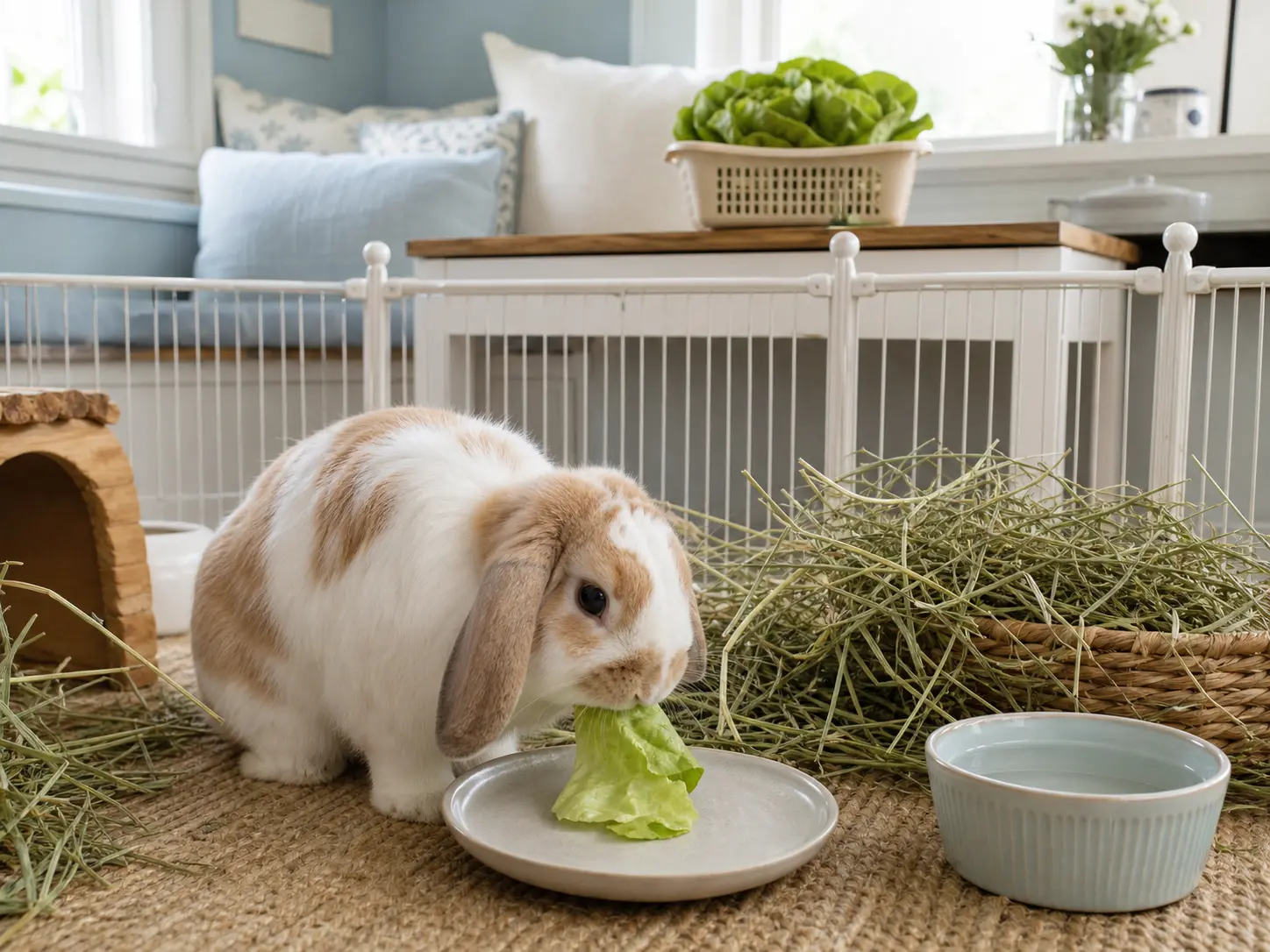 Butter Lettuce
Yes—Bibb and Boston are butter lettuces
House Rabbit Society lists butterhead lettuce among rabbit-safe leafy greens. Butter lettuce is the everyday name for this loose-headed group, and produce labels may say Bibb or Boston. For an adult rabbit that already eats vegetables, the washed plain leaves can join a varied greens plate.
The soft cup needs a closer look
Butter lettuce has broad leaves that fold inward like shallow cups. That shape can hold grit and moisture near the pale base, while the tender leaf bruises more easily than a thick romaine rib. Pull the head open, inspect both sides, and cut away anything slippery, wet-brown, moldy, or sour-smelling.
A clean leaf does not come from a sandwich
The lettuce may be the same variety, but the food around it changes the answer. A burger leaf, dressed salad, or prepared wrap can carry sauce, oil, salt, cheese, seasoning, and other ingredients. Take one leaf directly from the whole head and prepare it on the rabbit side of the kitchen.
Tender lettuce still leaves room for hay
A soft wet leaf may disappear quickly, but it does not replace hours of grass-hay chewing. Serve a modest amount with the other familiar greens and leave abundant hay within reach. When butter lettuce is new, offer one torn piece without adding several other new vegetables on the same day.
Name the loose little head
Check the label before you pull a leaf; it may say butter lettuce, butterhead, Bibb, or Boston. Set the head on the counter and turn it in your hands. Broad rounded leaves should cup around a pale center and spring apart with light pressure. If they are rigidly packed into a hard pale ball, you are holding iceberg.
Look underneath the first cup
Lift an outer leaf and follow it down to the base. A crisp, clean cup can move to the sink. Slime, fuzzy growth, a wet brown bruise, collapsed tissue, or a sour smell sends the affected leaf to the compost or bin.
Rinse the inside and the back
Hold the leaf under cool running water and use your fingers to open the curved edges. Turn it over, rub away visible soil, and check the folds beside the rib. Shake off the excess or use a salad spinner; a few clean droplets on the serving leaf are fine.
Dry the batch before storing it
Set aside the small serving, then place the remaining leaves in a ventilated produce bag or bin with an absorbent liner. Return them to the refrigerator before carrying the plate to the pen. The goal is not a bone-dry serving—it is keeping the stored leaves out of a puddle.
Serve
- Check the produce band or sign for butter lettuce, butterhead, Bibb, or Boston lettuce. The head should be loose and round, with broad smooth leaves that curl into soft cups.
- Peel the leaves back far enough to see the pale base. Discard any leaf with slime, mold, a wet brown patch, collapsed tissue, or a sour smell.
- Rinse both faces under clean running water, opening each cup and the folds near the base with your fingers so trapped grit can wash away.
- Shake or spin off excess water, tear the serving by hand, and serve it plain with no dressing, oil, salt, cheese, croutons, or seasoning.
Avoid
- Confusing a butterhead with iceberg because both can look round. Butter lettuce stays loose and pliable; iceberg is a tight, heavy, pale ball and a poor regular choice.
- Trusting the tidy outside without opening the head. Soft inner leaves can trap moisture and bruise at the base before the damage is obvious from the top.
- Sharing from a sandwich, burger, salad kit, restaurant plate, or dressed salad where sauce, salt, cheese, seasoning, or other ingredients have touched the leaf.
- Turning the soft texture into a reason to fill the bowl. Butter lettuce belongs in the smaller fresh-food portion while grass hay remains available around the clock.
Watch
- The rabbit eating the small piece and going back to the hay pile
- The usual appetite, comfortable movement, and interest in familiar food later in the day
- Separate round droppings in the rabbit's usual number and size
- Eating less, fewer droppings, watery diarrhea, a hunched pose, tooth grinding, weakness, or unusual quietness; call a rabbit-savvy veterinarian promptly
Portion
For an adult already eating leafy greens, butter lettuce can share the usual greens plate with other familiar leaves. If it is new, begin with one small torn piece rather than a whole cupped leaf. The entire soft head is refrigerator stock, not one rabbit serving.
Handle the soft leaves without leaving them wet
These produce-prep tools suit butter lettuce: a ventilated place for the loose head, a strainer for opening the cupped leaves under water, and a separate dish for the small plain serving.
Affiliate links: Furball Cove may earn from qualifying purchases at no extra cost to you.
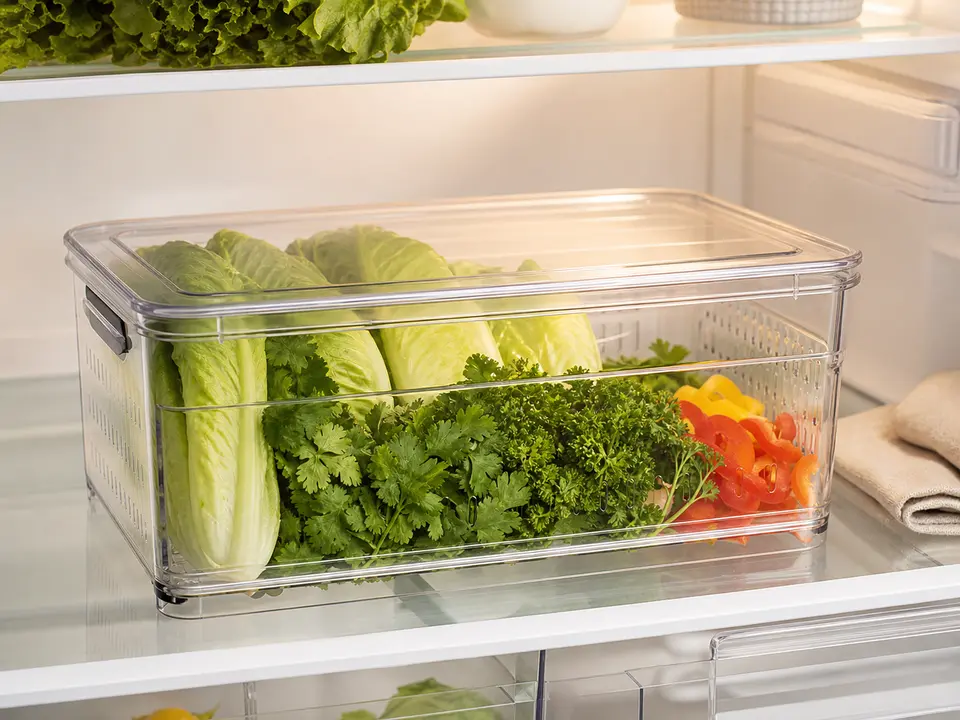
Rabbit greens bin
Give the soft loose head its own ventilated refrigerator bin so bruised leaves are easy to find before the next serving.
Shop rabbit greens bin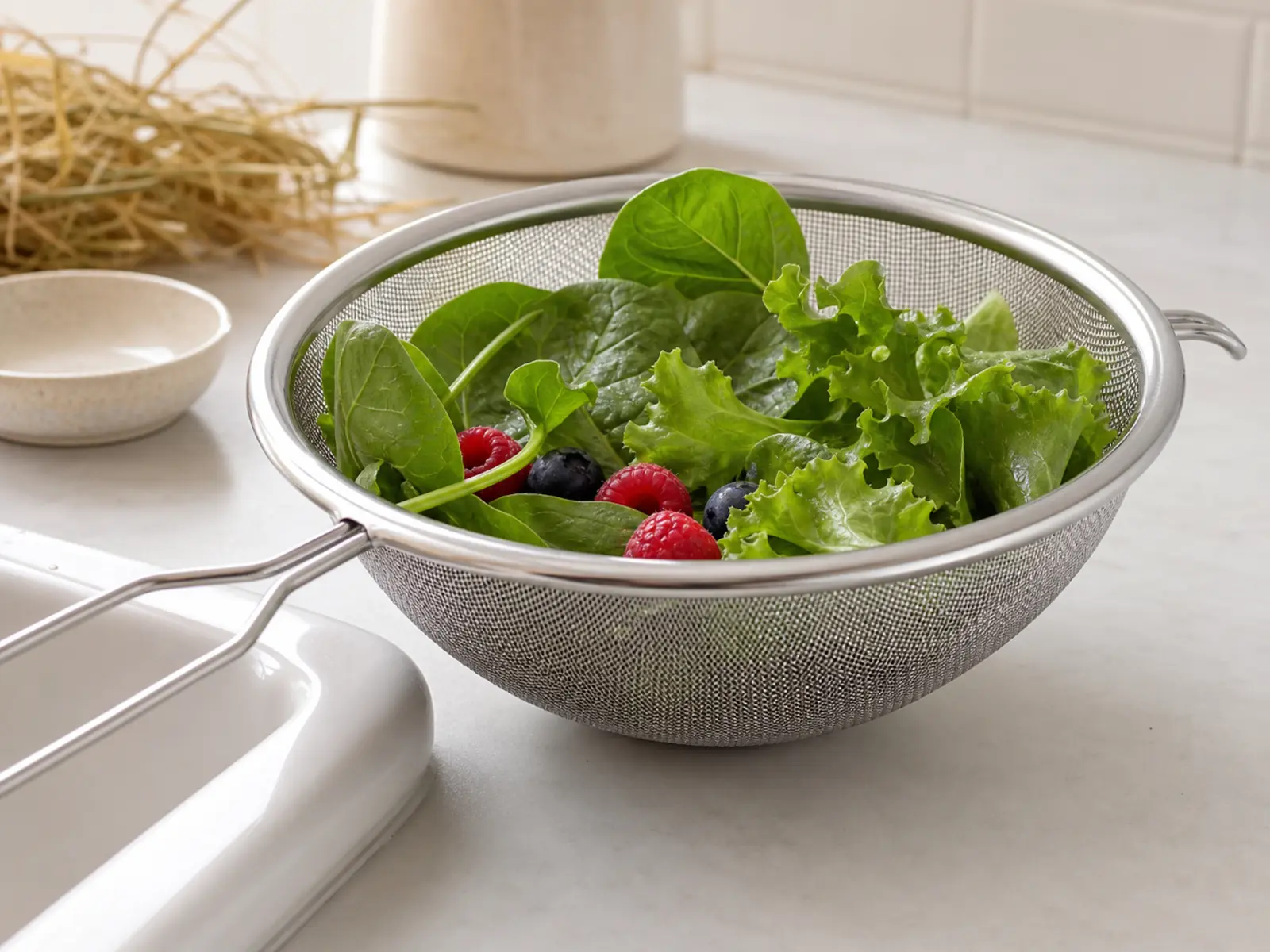
Produce strainer
Open each cupped leaf over a colander and rinse both faces so grit leaves the pale base instead of reaching the rabbit plate.
Shop produce strainer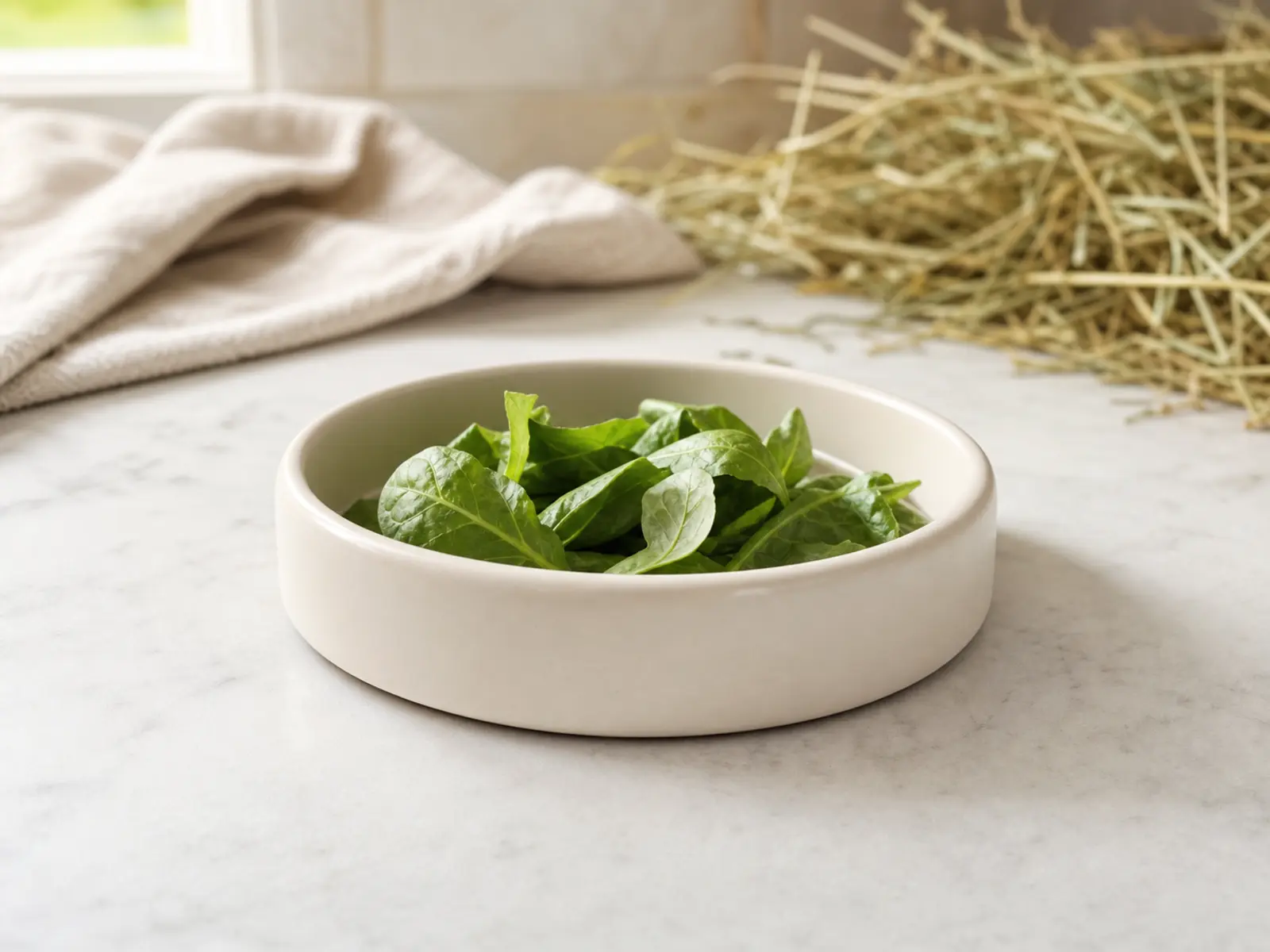
Ceramic food dish
Serve one small plain piece on a washable dish beside hay, separate from pellets and every human salad topping.
Shop ceramic food dish