Updated
Rabbit food check
Can Rabbits Eat Oats?
Use caution
Ask your vet before using oats, especially for weight or appetite concerns.
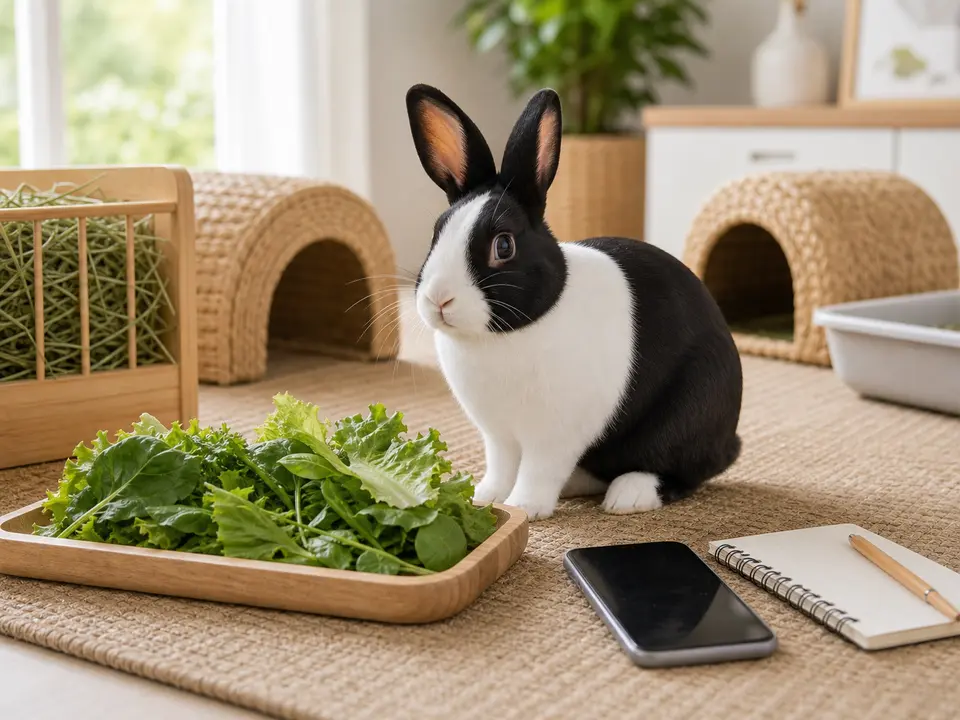 Oats
OatsWhere oats fits
Ask your vet before using oats, especially for weight or appetite concerns.
Change only oats first
Keep the rest of the meal familiar so you can tell whether this food agrees with your rabbit.
Watch normal habits after oats
Normal eating, drinking, movement, and poop are the useful signs after a food change.
Have a reason before adding oats
Oats should not slide into the routine just because it is in the pantry. Use it only when there is a clear goal, especially around weight, appetite, or recovery concerns.
Keep meals predictable around oats
When you add a special-case food, do not change greens, pellets, treats, and hay placement at the same time. A boring background makes it easier to tell whether the new item helped or made things messier.
Track what changes after oats
Watch appetite, poops, weight, and energy for a few days. If the reason for using the food is medical or your rabbit is already eating poorly, bring your vet into the decision.
Use oats notes instead of guessing
Write down the amount, timing, appetite, and litter changes. A short note gives you and your vet better information than trying to remember the whole week later. Bring that note if the food question turns into a health conversation. Also write down when you stopped using it, so you can tell whether your rabbit improved after the change.
Decide when oats leaves the routine
A special-case food should not become permanent by accident. Once the original reason is gone, return to the simpler hay, greens, water, and measured-pellet rhythm unless your vet has told you otherwise.
Let the routine decide about oats
The best answer comes from normal daily signs: appetite, hay eating, water, movement, and litter habits. If those stay steady, you have useful information. If they change, step back to familiar foods.
How to offer it
- Ask why you are adding it before you offer it.
- Keep the rest of the diet steady.
- Track appetite, weight, and poop if a vet suggests using it.
Avoid
- Sugary, salty, seasoned, spoiled, or processed versions.
- Large sudden portions.
Watch
- Eating less hay
- Smaller or fewer poops
- Soft stool
- Unusual quietness
Portion
Keep the first test portion very small and stop if appetite, poop, or comfort changes.
Useful tools for a steady food routine
These optional picks can help you wash, measure, store, and serve rabbit food while keeping hay at the center of the day.
Affiliate links: Furball Cove may earn from qualifying purchases at no extra cost to you.
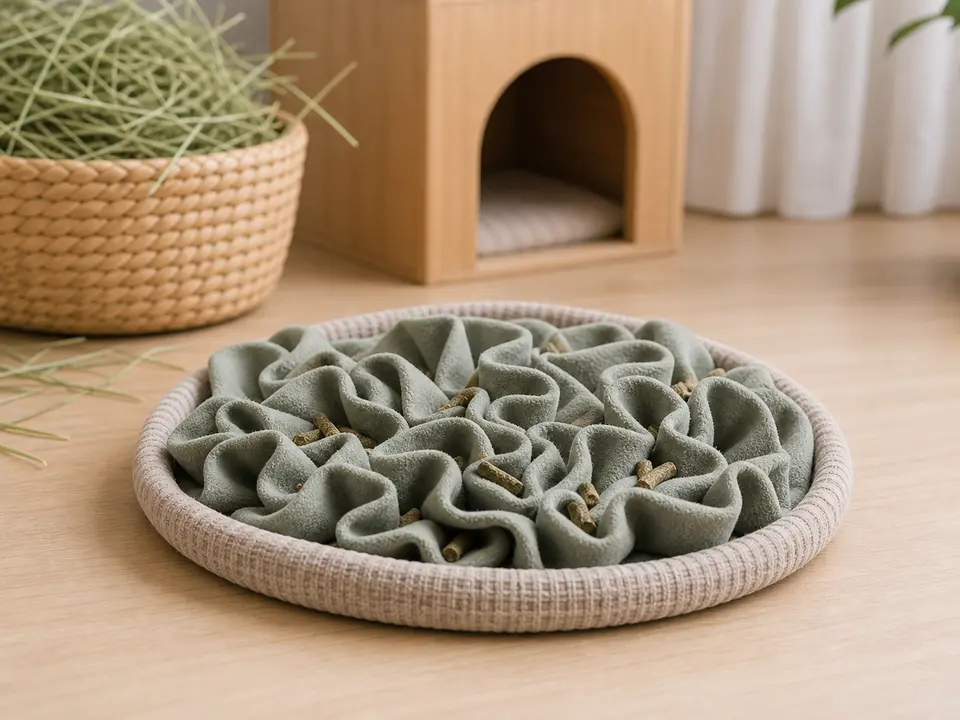
Rabbit foraging mat
Scatter a measured pellet portion through the folds so breakfast takes longer without adding more food.
Shop rabbit foraging mat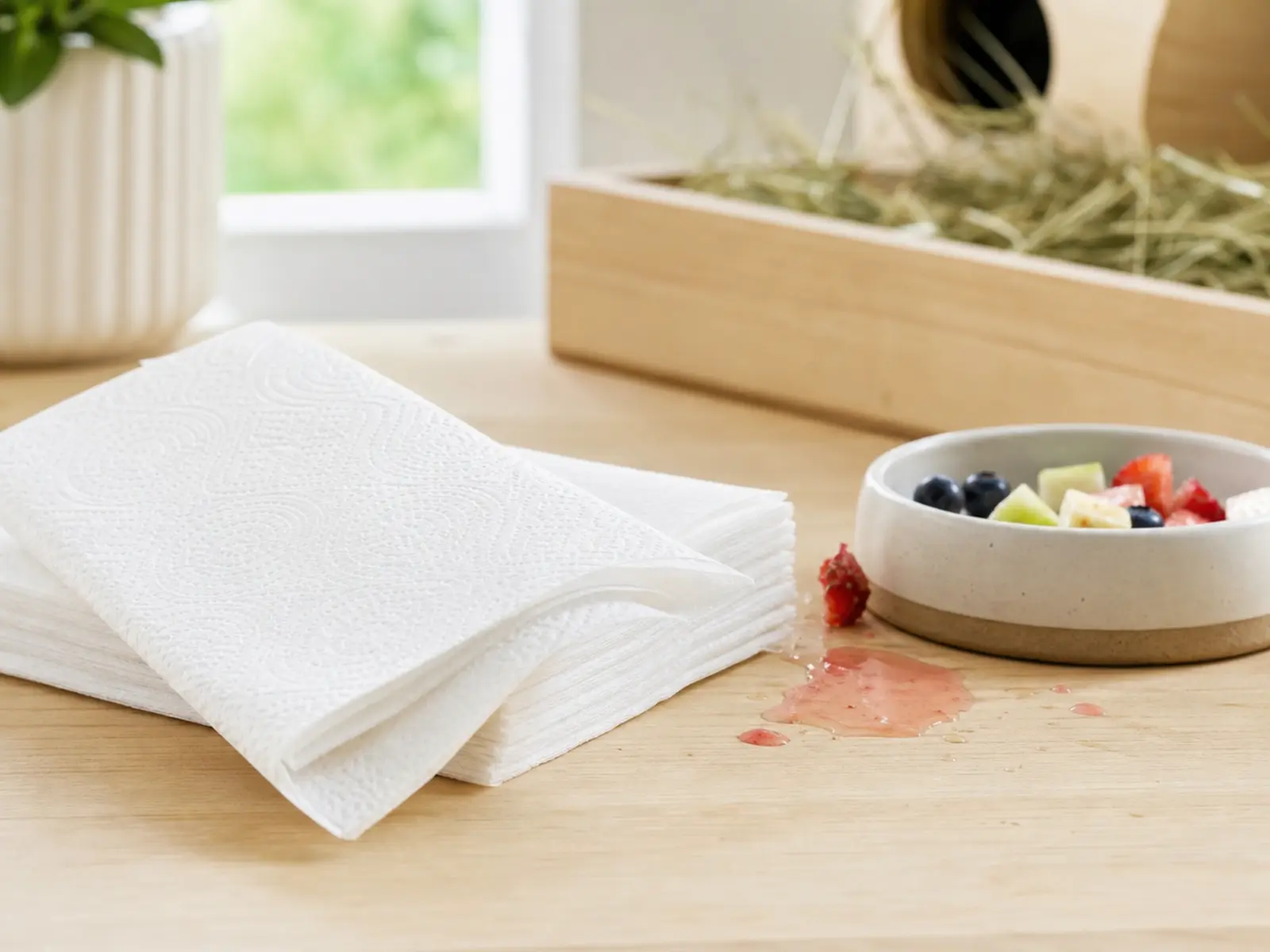
Unscented paper towels
Handle wet greens, tipped water, and stolen-food crumbs without adding fragrance to the rabbit area.
Shop unscented paper towels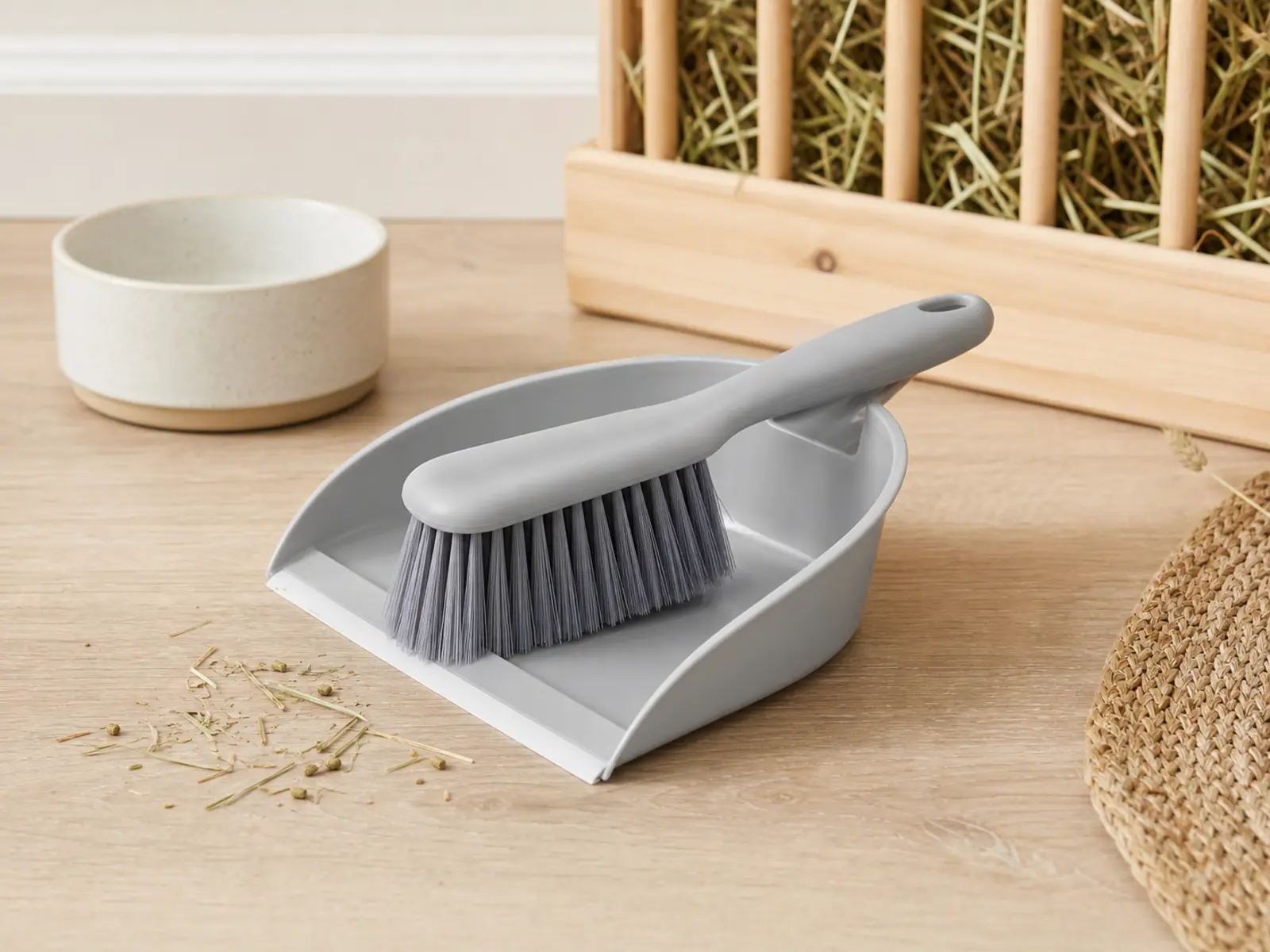
Small dustpan and brush
Sweep hay, pellet crumbs, and dropped food before your rabbit finds the leftovers under a chair.
Shop small dustpan and brush