Updated
Rabbit food check
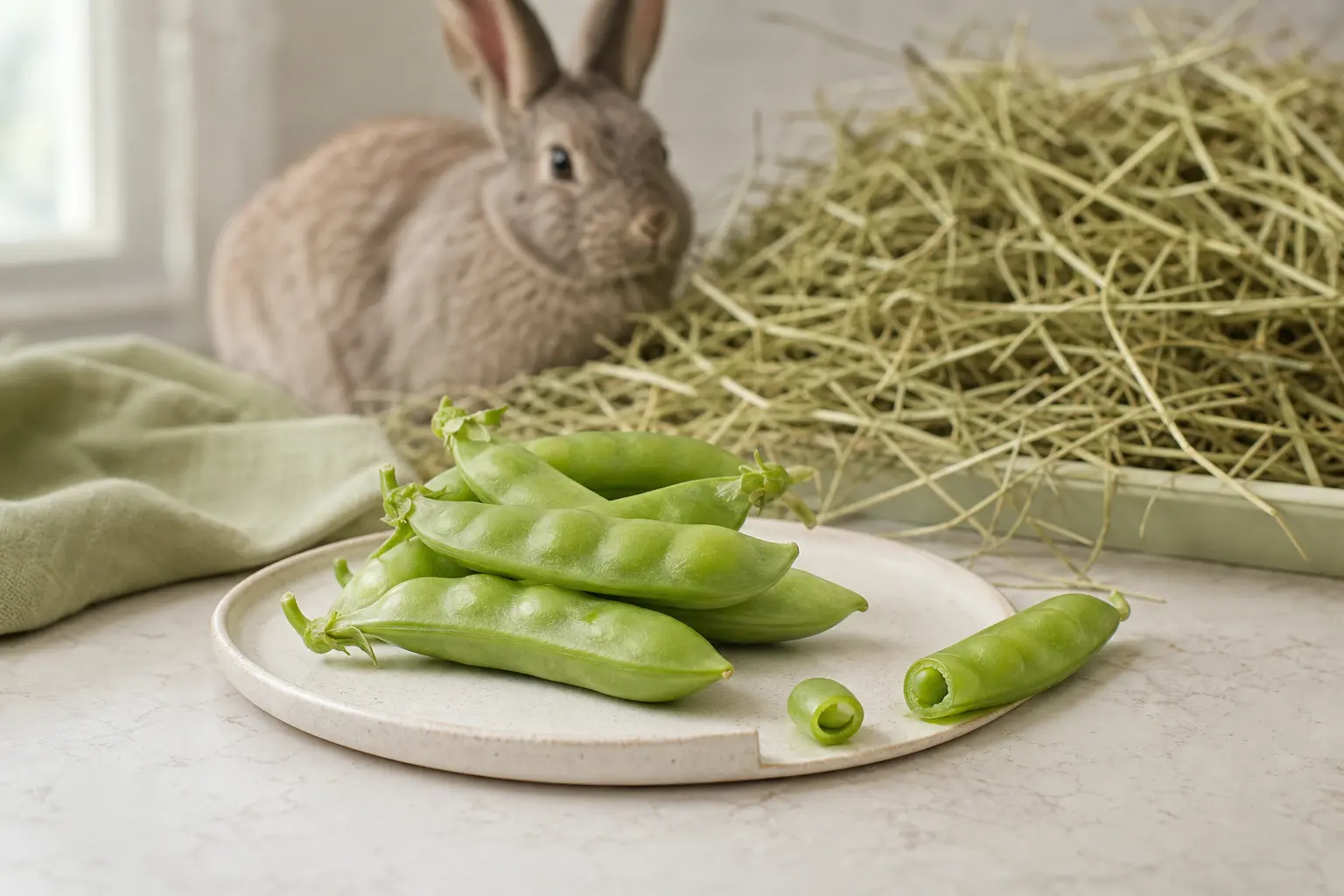
Can Rabbits Eat Snow Peas?
Use caution
Snow peas are best treated as a small test food, not a regular rabbit staple.
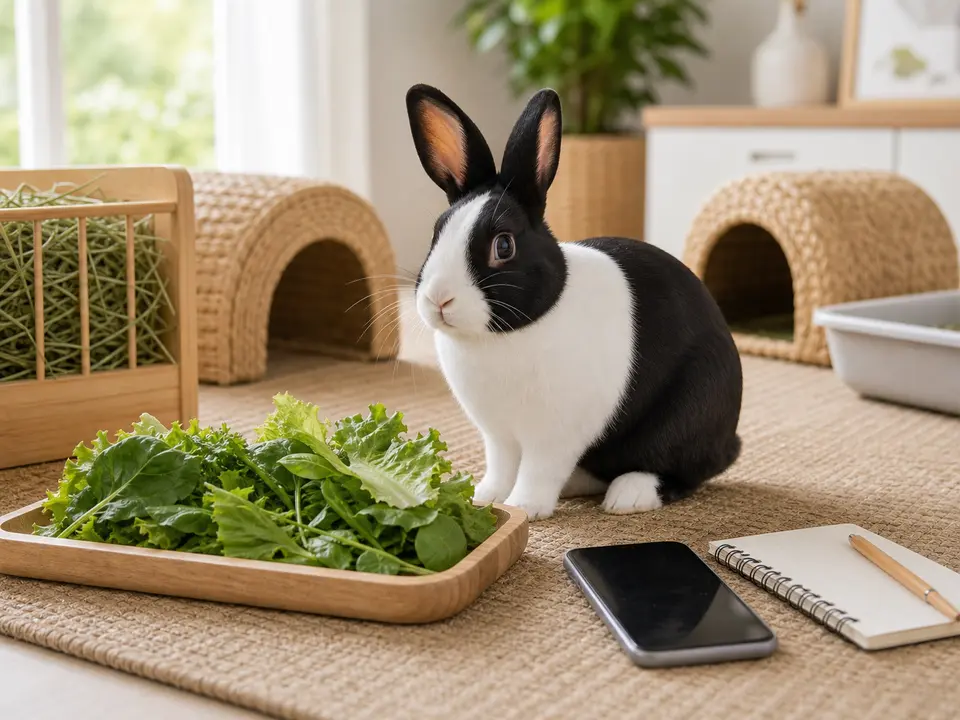 Snow Peas
Keep snow peas tiny and occasional
Snow peas are best treated as a small test food, not a regular rabbit staple.
Do not let snow peas crowd out hay
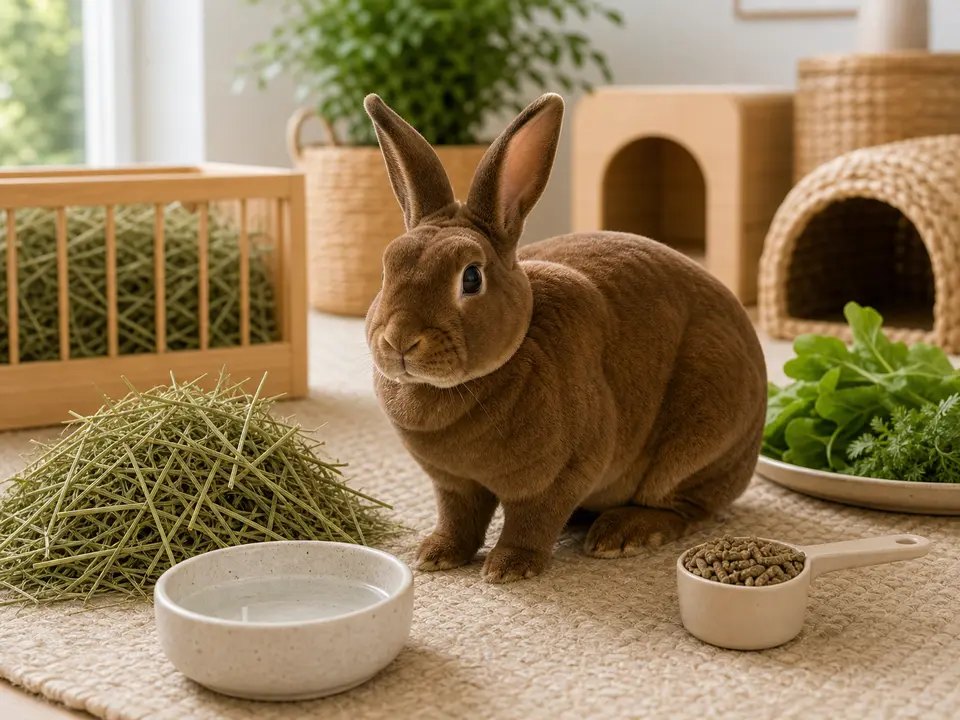
Root vegetables and starchy foods can be more filling than they look. Hay should still be the food your rabbit returns to before and after any small test bite.
Test snow peas on an ordinary day
Do not try it during travel, bonding stress, a diet change, or a day when appetite or poop already seems different. A normal day gives you a cleaner read.
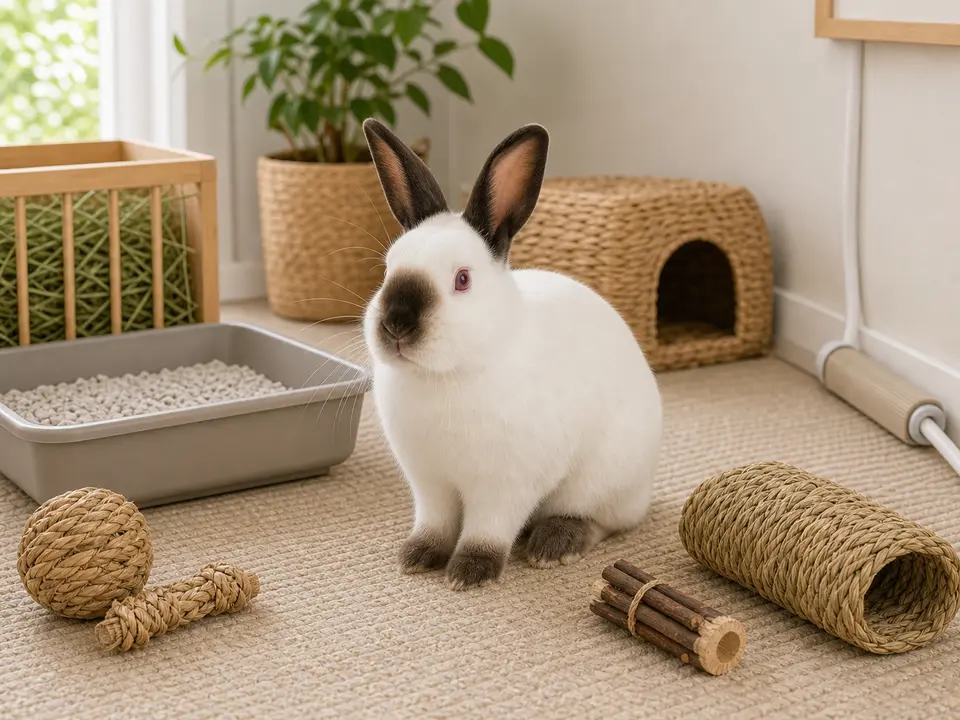
Use the litter box as snow peas feedback
Soft stool, fewer poops, skipped hay, or a quieter posture are good reasons to stop and go back to familiar foods.
Why snow peas need a small answer
Snow peas are in the root-vegetable part of the food conversation, not the daily leafy-green routine. If you offer them at all, keep the piece tiny and make sure the rest of the day still points your rabbit back to hay, water, and familiar greens.
Serve snow peas away from other experiments
A new root vegetable plus a new green plus a different pellet serving makes the litter box impossible to read. Keep the rest of the routine boring so one small change has a clear meaning.
Watch hay after snow peas
The useful question is not whether your rabbit wanted the bite. The useful question is whether they still chew hay afterward and leave normal-looking poops later in the day.
Make snow peas easy to stop
Do not buy or prep a big amount for one rabbit. If it causes messy stool, begging, or less interest in hay, it should disappear from the routine without drama.
Share the snow peas rule
If kids, guests, or another adult feeds your rabbit, write the answer down: tiny test only, not a bowl food. Clear household rules prevent kind people from offering extra pieces because the first one looked cute.
Let the routine decide about snow peas
The best answer comes from normal daily signs: appetite, hay eating, water, movement, and litter habits. If those stay steady, you have useful information. If they change, step back to familiar foods.
How to offer it
- Serve it plain.
- Keep the first amount small.
- Change only one food at a time.
Avoid
- Sugary, salty, seasoned, spoiled, or processed versions.
- Large sudden portions.
Watch
- Eating less hay
- Smaller or fewer poops
- Soft stool
- Unusual quietness
Portion
Keep the first test portion very small and stop if appetite, poop, or comfort changes.
Useful tools for a steady food routine
These optional picks can help you wash, measure, store, and serve rabbit food while keeping hay at the center of the day.
Affiliate links: Furball Cove may earn from qualifying purchases at no extra cost to you.
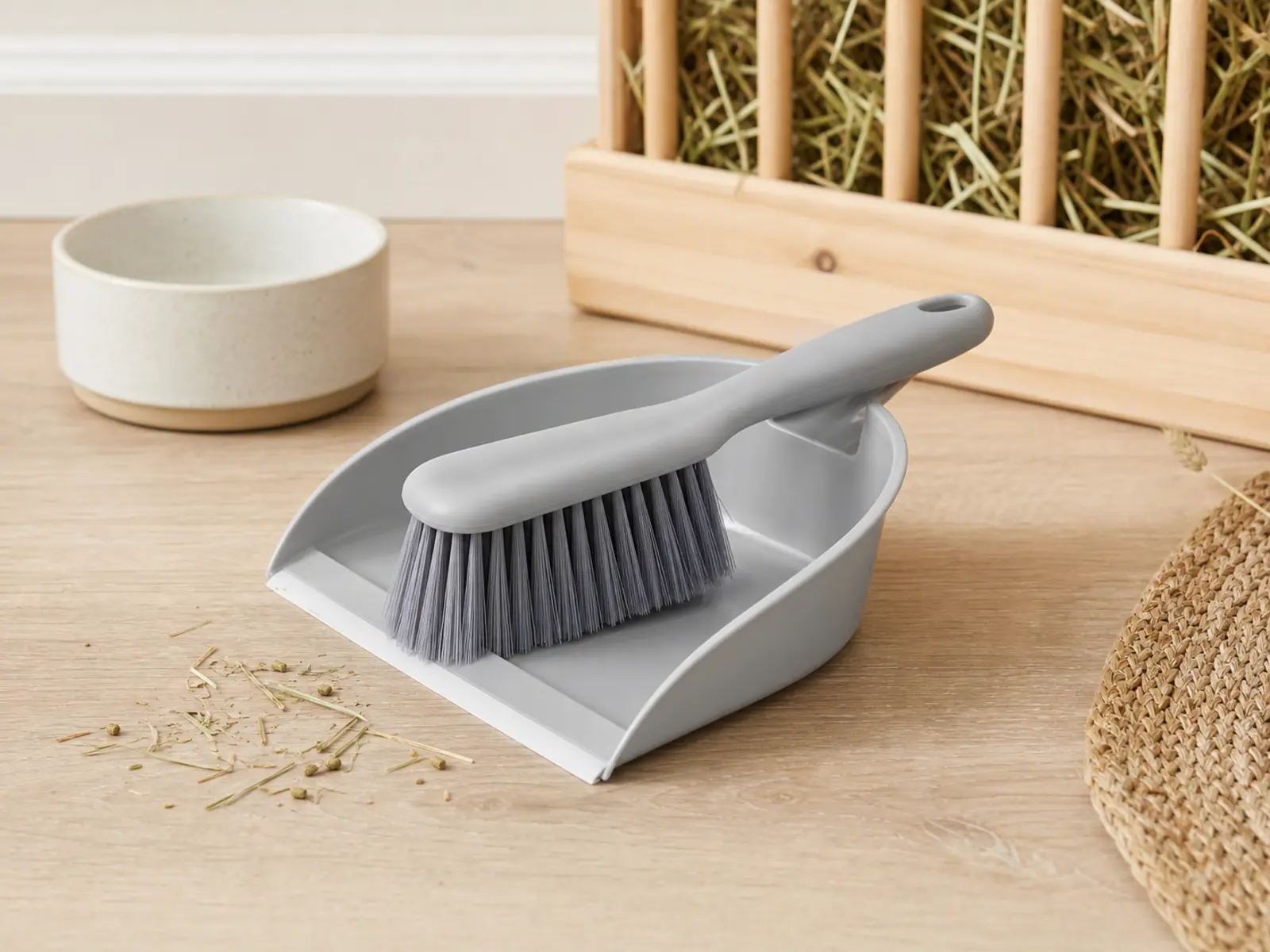
Small dustpan and brush
Sweep hay, pellet crumbs, and dropped food before your rabbit finds the leftovers under a chair.
Shop small dustpan and brush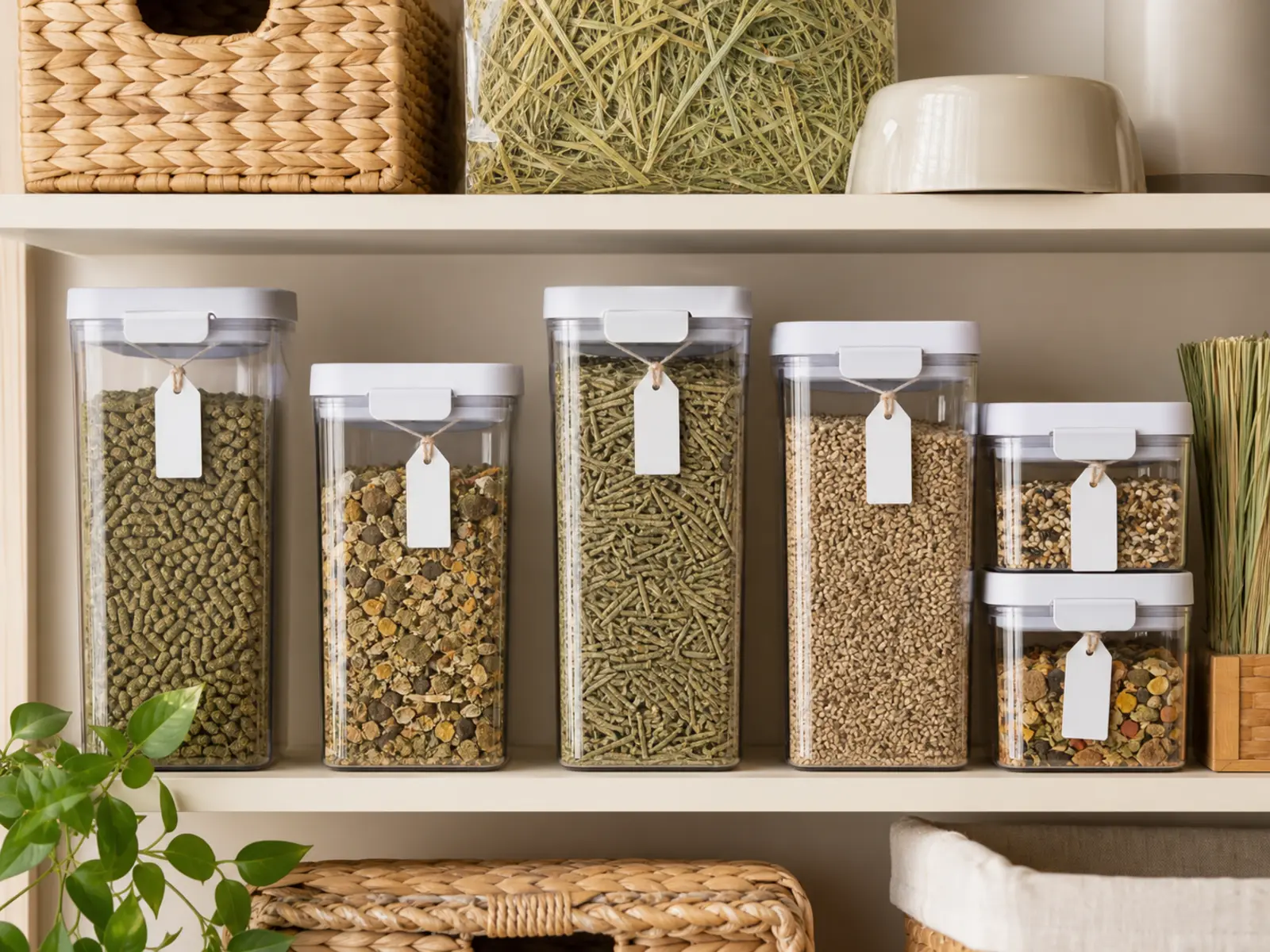
Airtight pellet containers
Keep pellets dry, dated, and away from open bags that invite generous scoops.
Shop airtight pellet containers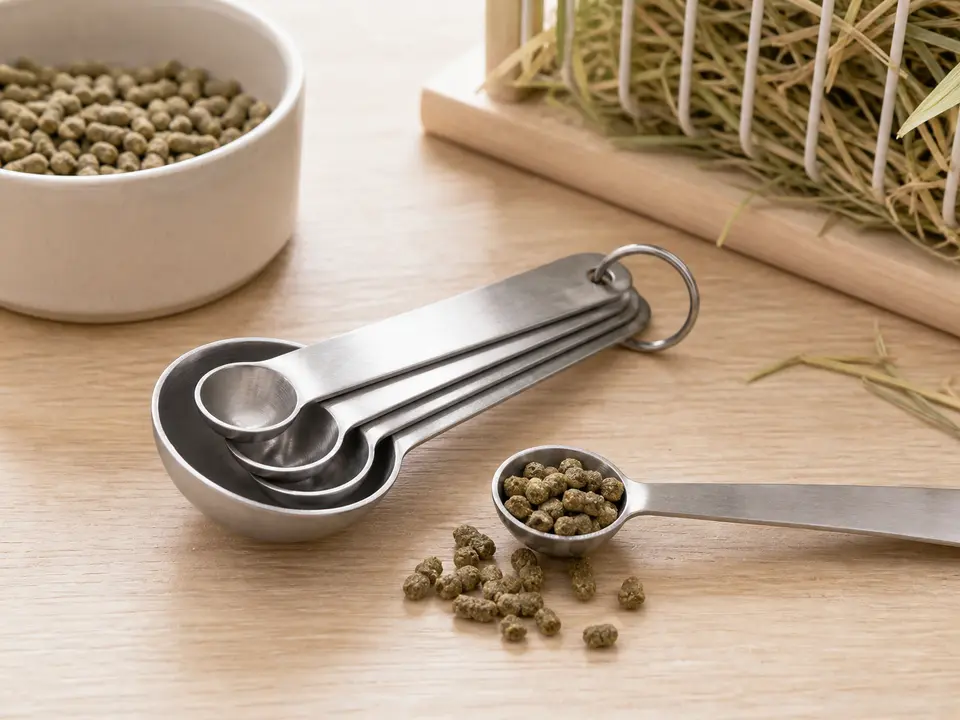
Measuring spoon set
Use the same spoon each day when a rabbit-savvy vet has given you a pellet amount to follow.
Shop measuring spoon set