Updated
Rabbit food check
Can Rabbits Eat Willow Sticks?
Safe in moderation
Untreated willow sticks can be useful chewing enrichment, but they are not a replacement for hay.
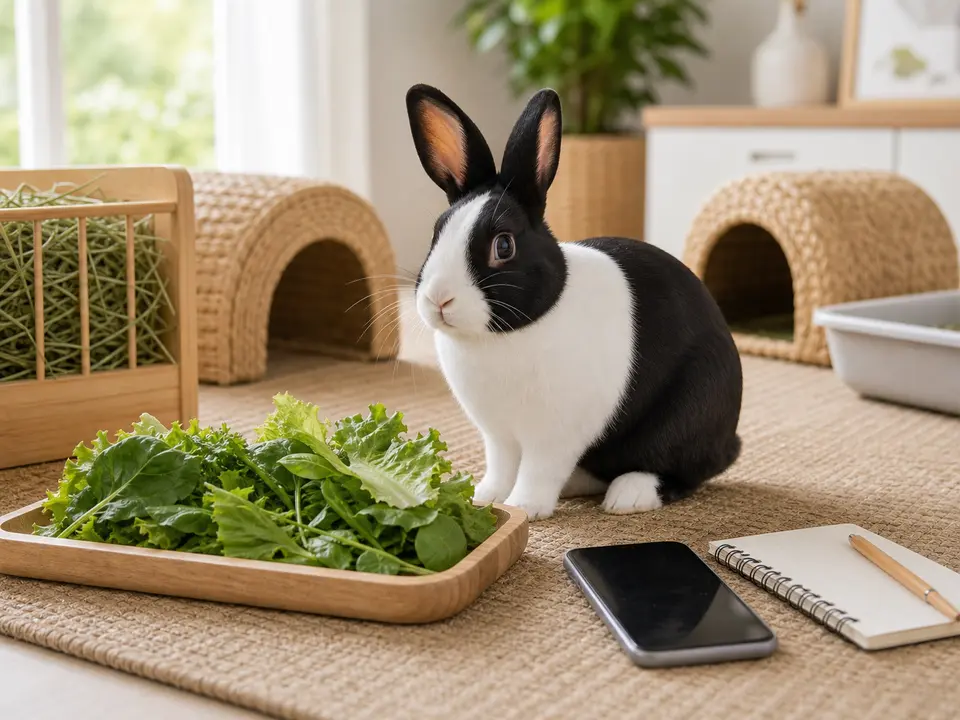 Willow Sticks
Use willow sticks for chewing, not dinner
Untreated willow sticks can be useful chewing enrichment, but they are not a replacement for hay.
Check the source before willow sticks
Only use clean, untreated pieces from a source you trust. Skip anything painted, scented, sprayed, moldy, or collected from a questionable yard.
Pair willow sticks with the hay routine
Chew sticks are enrichment. Hay still needs to be the everyday chewing and feeding anchor in the room.
Replace messy willow sticks calmly
Take pieces away when they get dirty, splintery, tiny enough to worry you, or ignored under the litter box.
What willow sticks should do
Willow sticks are best understood as safe chewing work, not a meal. A good chew option gives your rabbit something acceptable to work on while hay, water, and the litter box stay easy to reach.
Put willow sticks where chewing already happens
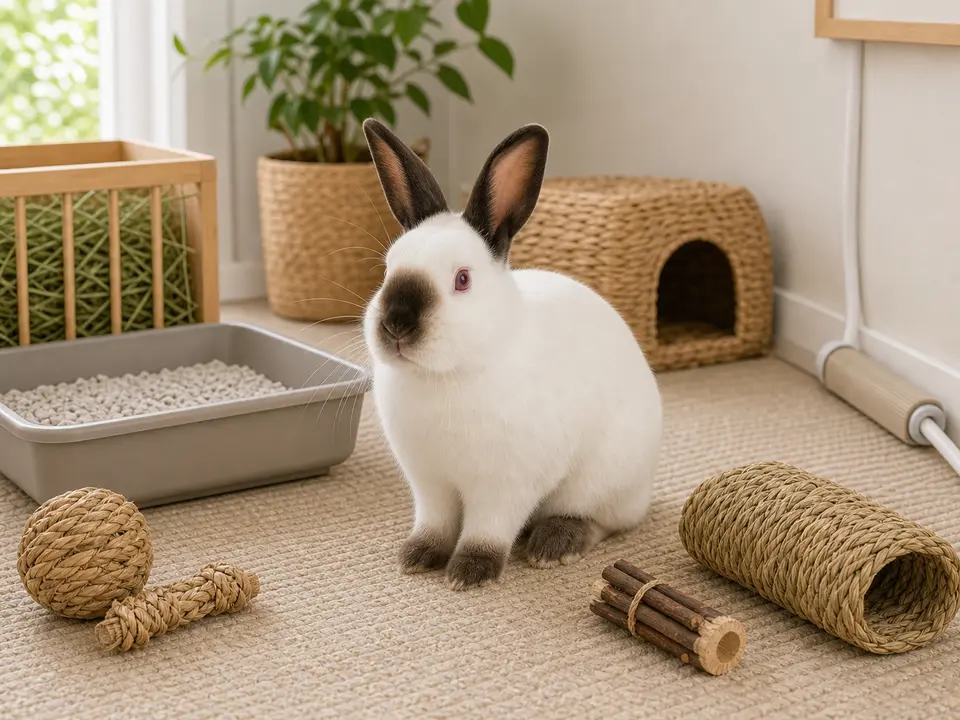
Place chew pieces near a mat, hideout entrance, or favorite resting corner instead of waiting for your rabbit to choose the baseboard. Rabbits often use the option that is already in their path.
Choose plain willow sticks
Plain matters more than fancy. Avoid painted, dyed, scented, glued, varnished, moldy, or unknown yard pieces. If you cannot explain where the stick came from, do not make your rabbit test it.
Watch how your rabbit uses willow sticks
Some rabbits strip bark, some toss pieces, and some ignore them completely. That feedback helps you choose better enrichment without turning the room into a pile of unused supplies.
Keep willow sticks part of the reset
When you clean the pen, check the chew pile the same way you check hay and water. Remove dirty pieces, rotate a fresh one in, and keep the floor simple enough that you can see what your rabbit actually uses.
Let the routine decide about willow sticks
The best answer comes from normal daily signs: appetite, hay eating, water, movement, and litter habits. If those stay steady, you have useful information. If they change, step back to familiar foods.
Serve
- Serve it plain.
- Keep the first amount small.
- Change only one food at a time.
Avoid
- Sugary, salty, seasoned, spoiled, or processed versions.
- Large sudden portions.
Watch
- Eating less hay
- Smaller or fewer poops
- Soft stool
- Unusual quietness
Useful tools for a steady food routine
These optional picks can help you wash, measure, store, and serve rabbit food while keeping hay at the center of the day.
Affiliate links: Furball Cove may earn from qualifying purchases at no extra cost to you.
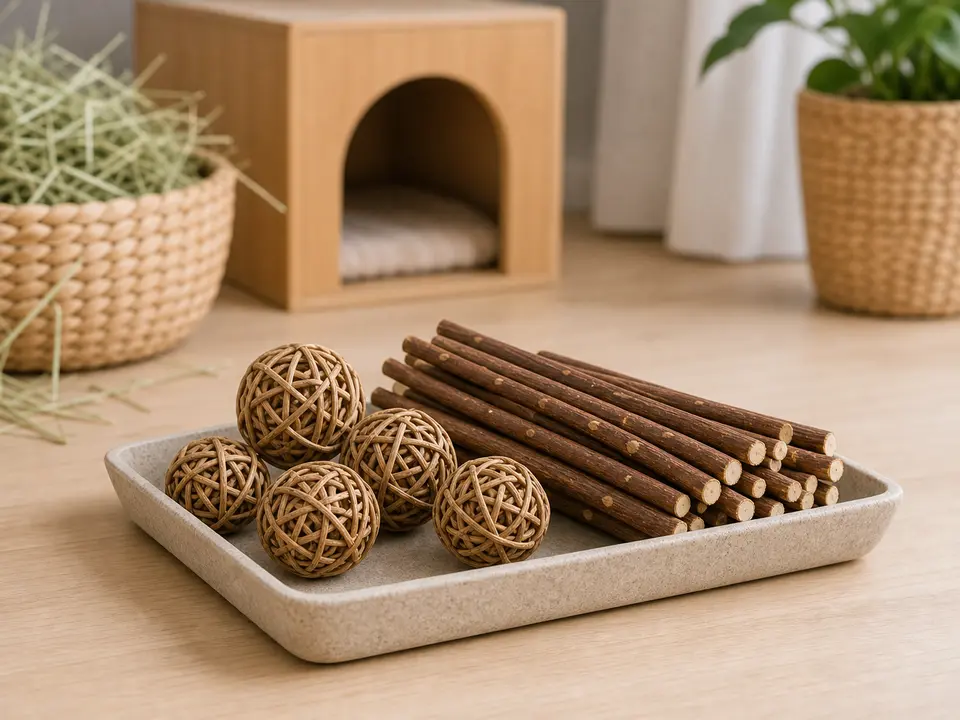
Willow chew bundle
Offers a rabbit-safe chewing job when chips, bread, and other human snacks need to stay off the menu.
Shop willow chew bundle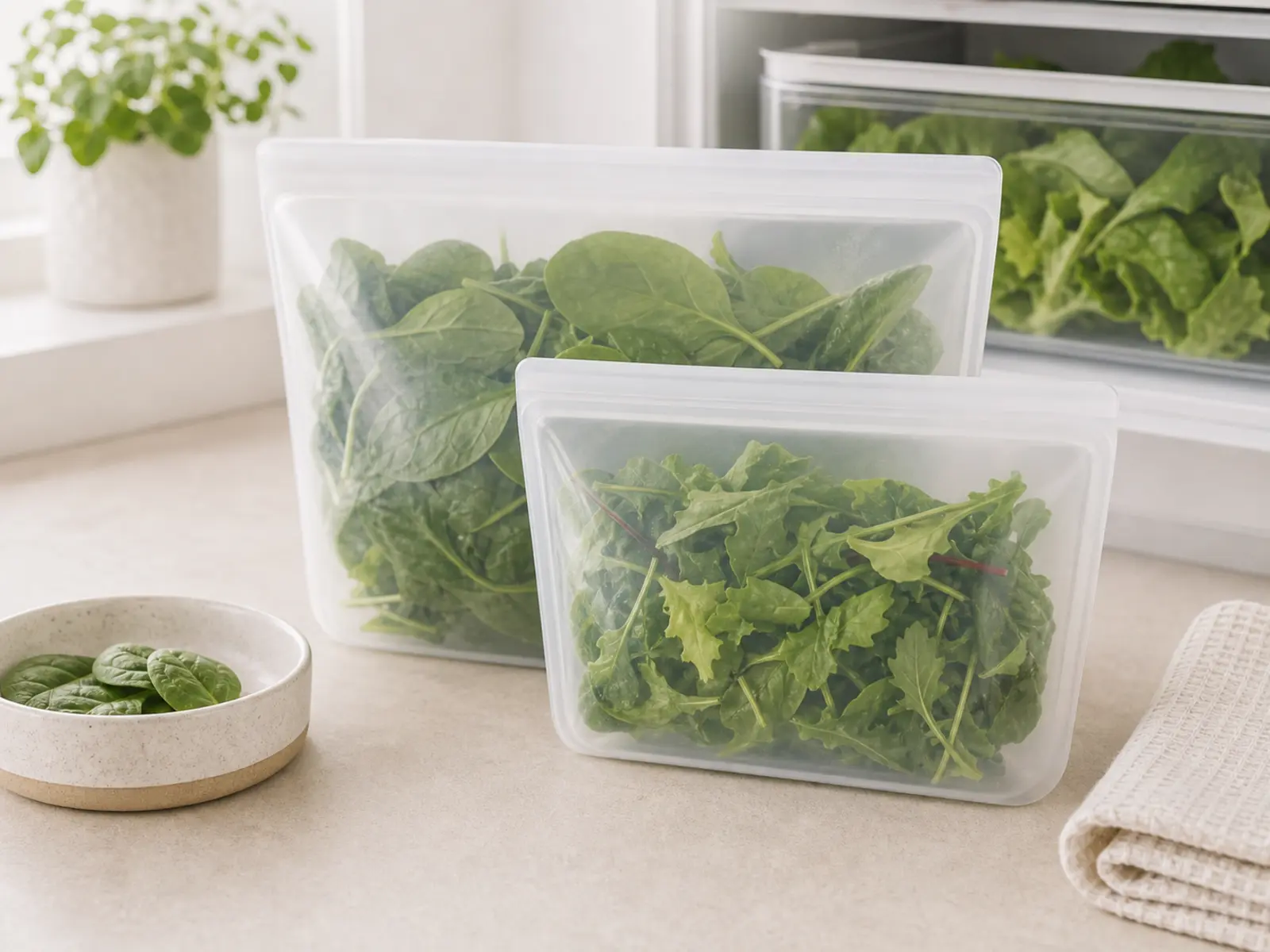
Produce storage bags
Keep washed rabbit greens together and visible so they are used before they wilt.
Shop produce storage bags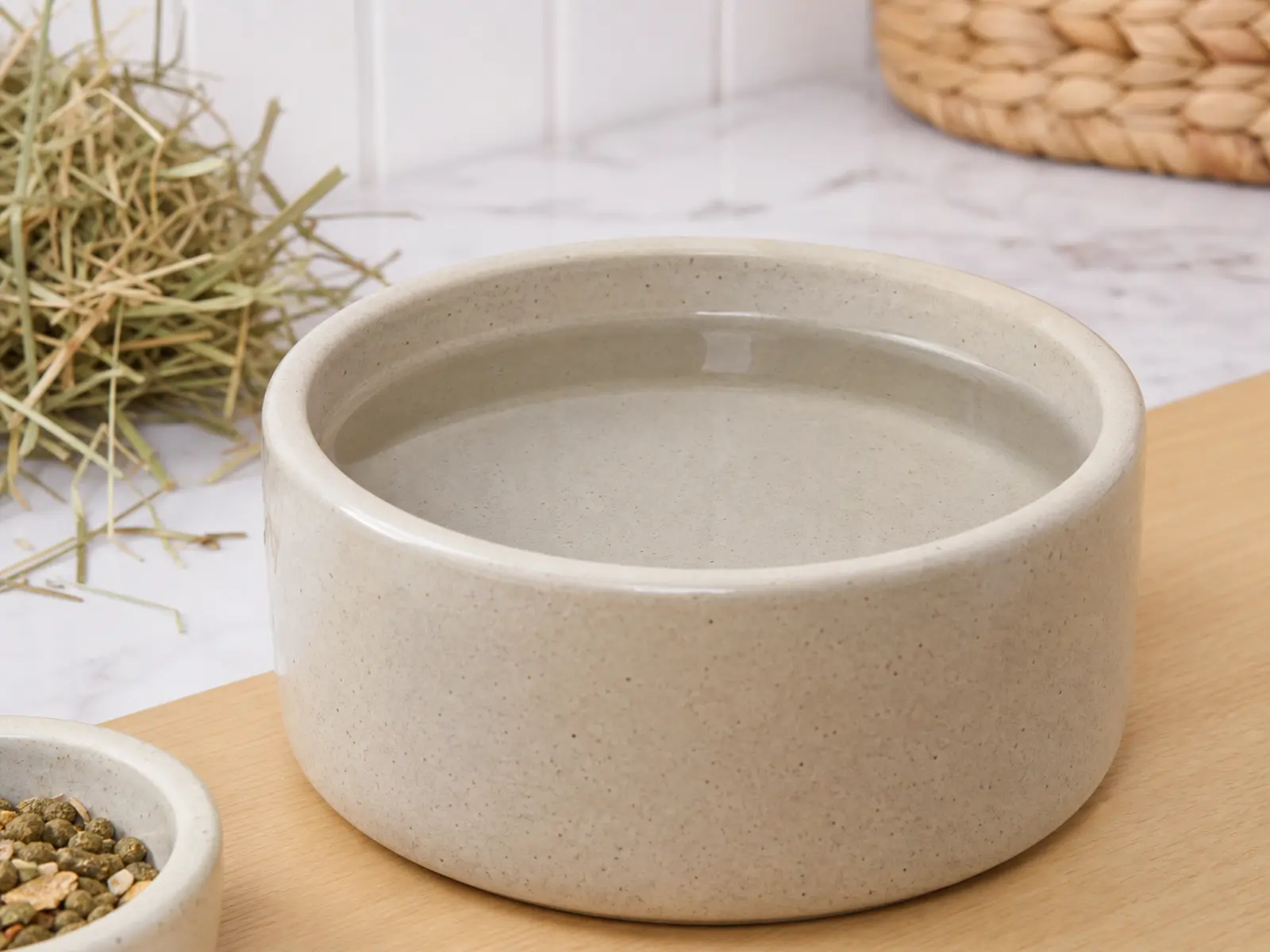
Heavy water crock
A broad ceramic bowl keeps fresh water easy to see and is harder to tip during an enthusiastic meal.
Shop heavy water crock