Why does one cat block another cat from the litter box?
When one cat blocks another cat from the litter box, treat the room like a traffic map. If one cat can control the hallway, food bowl, litter route, window perch, or your lap, tension can build quietly.
Use this page to lower pressure, protect both cats, and rebuild calm contact in small steps.
What to notice at home
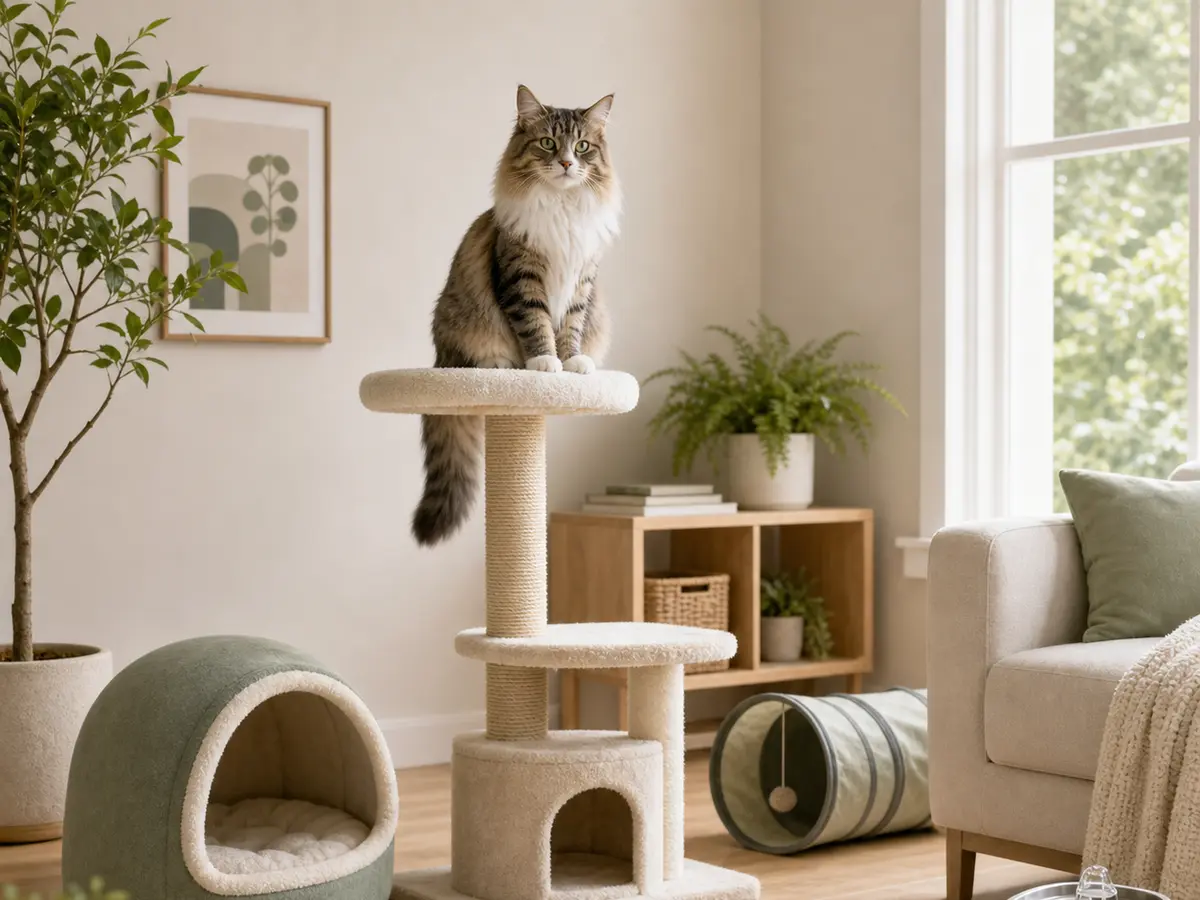
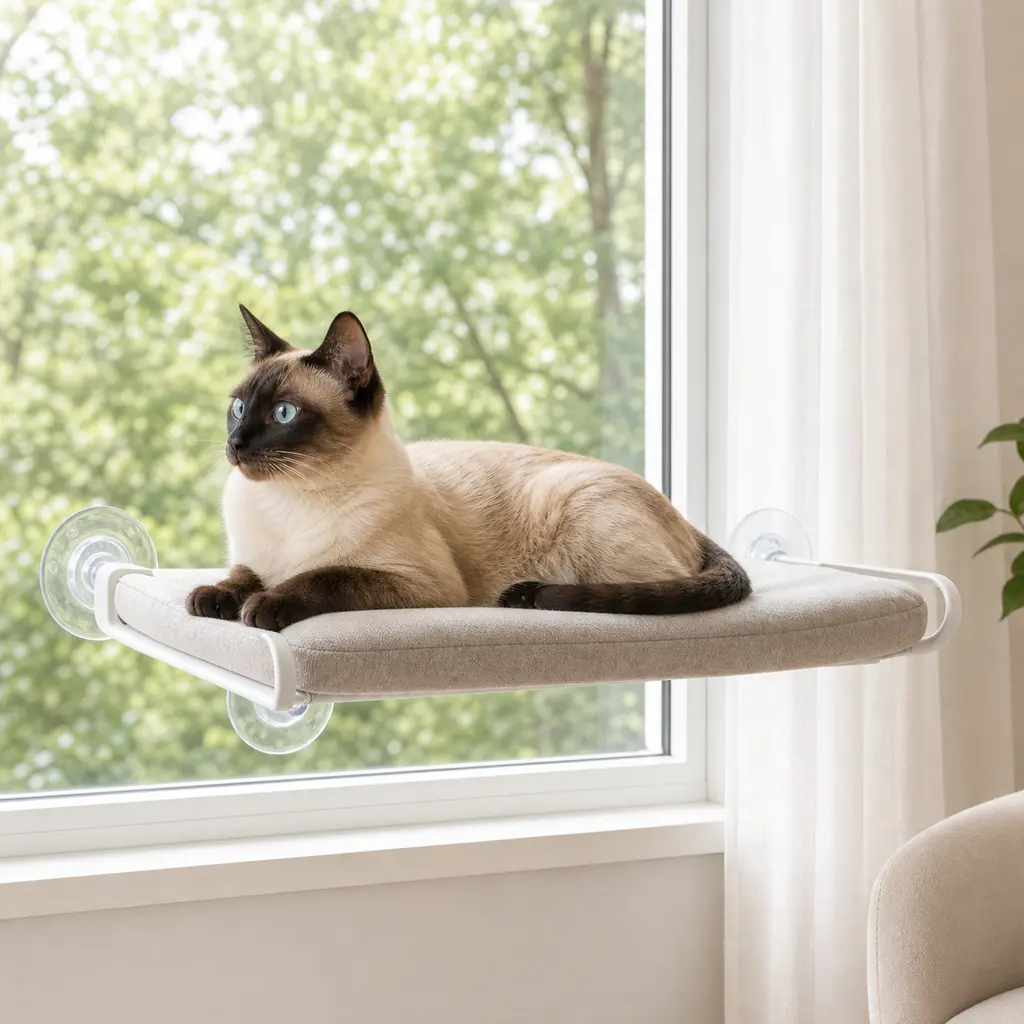
Two cats can share a room and still feel tense if one controls the hallway, food bowl, litter route, window perch, or your lap. Spread resources out so one cat cannot guard everything from one spot.
Treat the visible behavior as a clue rather than the whole answer. Track what happened right before it, how much choice your cat had, and how quickly the room returned to normal.
What to try first
Separate before the mood spikes, then rebuild with scent, distance, duplicate resources, and short calm sightings. If chasing, blocking, or fights continue, work with a qualified behavior professional.
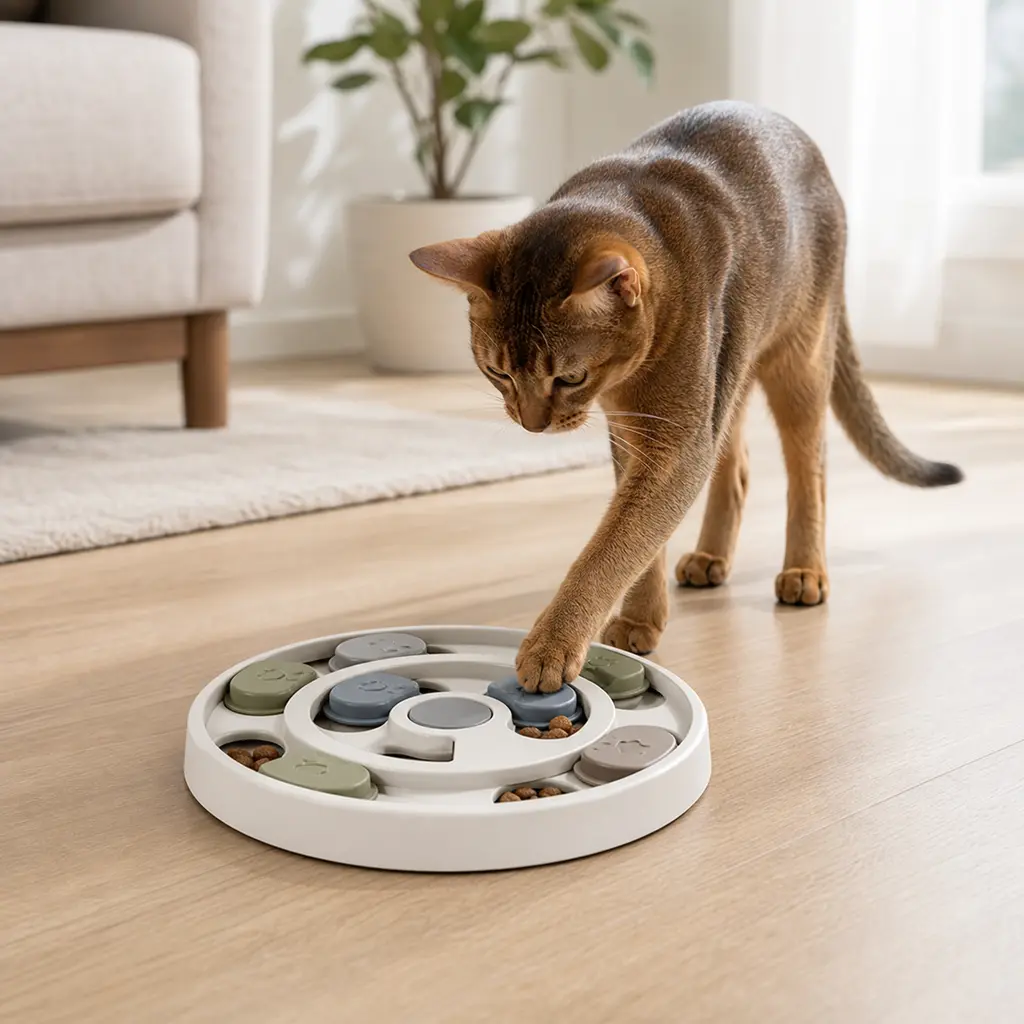
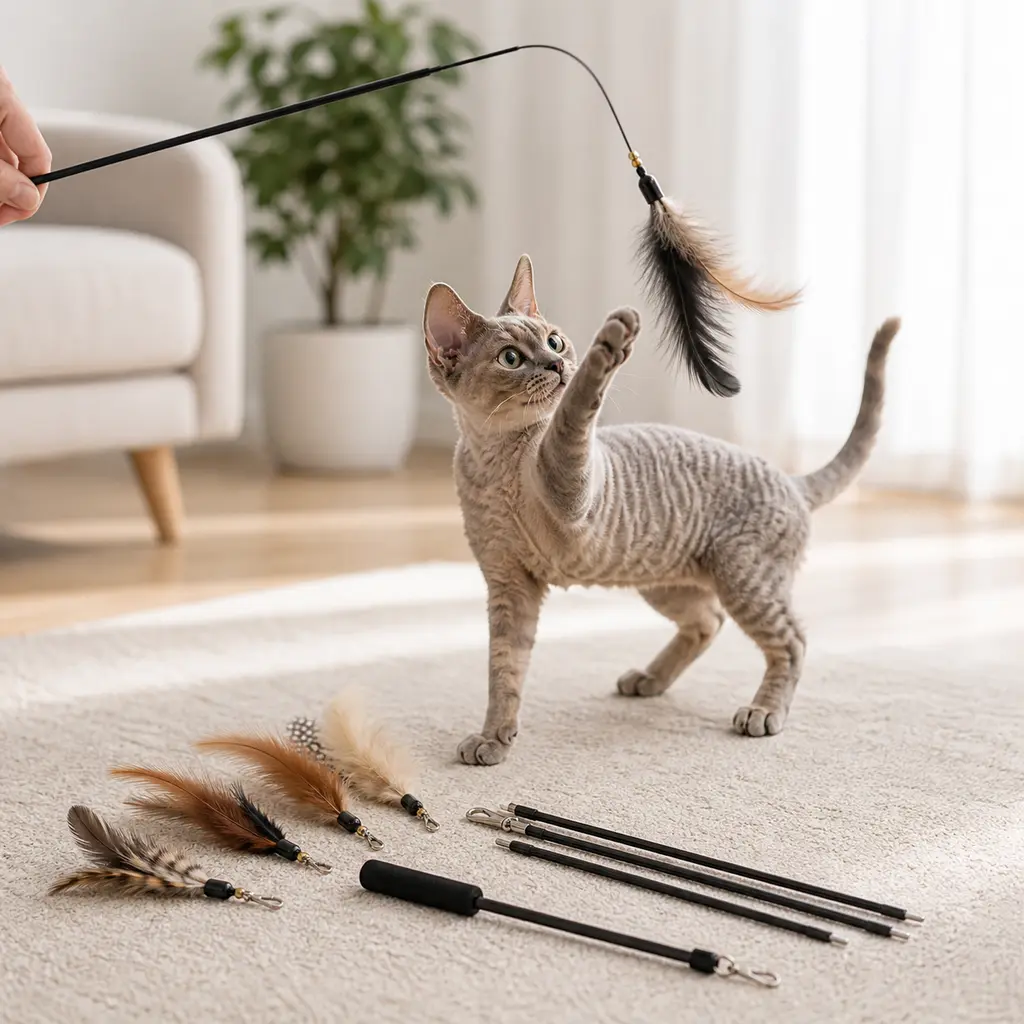
Add distance, choice, and a safer outlet before adding more handling. Shorter sessions, clearer escape routes, and predictable routines often tell you more than one dramatic correction.
When to get help
Get professional help if cats are injuring each other, blocking food or litter, stalking, ambushing, hiding constantly, or if one cat cannot move through the home safely.
Get help quickly for bites, escalating fights, redirected aggression, fear that traps one cat, or sudden behavior that does not fit the cat's normal routine.
Before you decide
Is this new, sudden, or getting worse?
Did food, litter, scent, guests, noise, another pet, or the room setup change recently?
Can your cat leave the interaction, reach resources, and settle after the moment passes?
Would pain, toxin exposure, breathing trouble, or a urinary problem make this urgent?
Next best moves
Add choice, distance, and a safer outlet before you add more handling.
Write down timing, triggers, appetite, litter use, and what helped.
Call your veterinarian quickly for health, toxin, pain, breathing, urine, or severe behavior concerns.
Helpful supplies
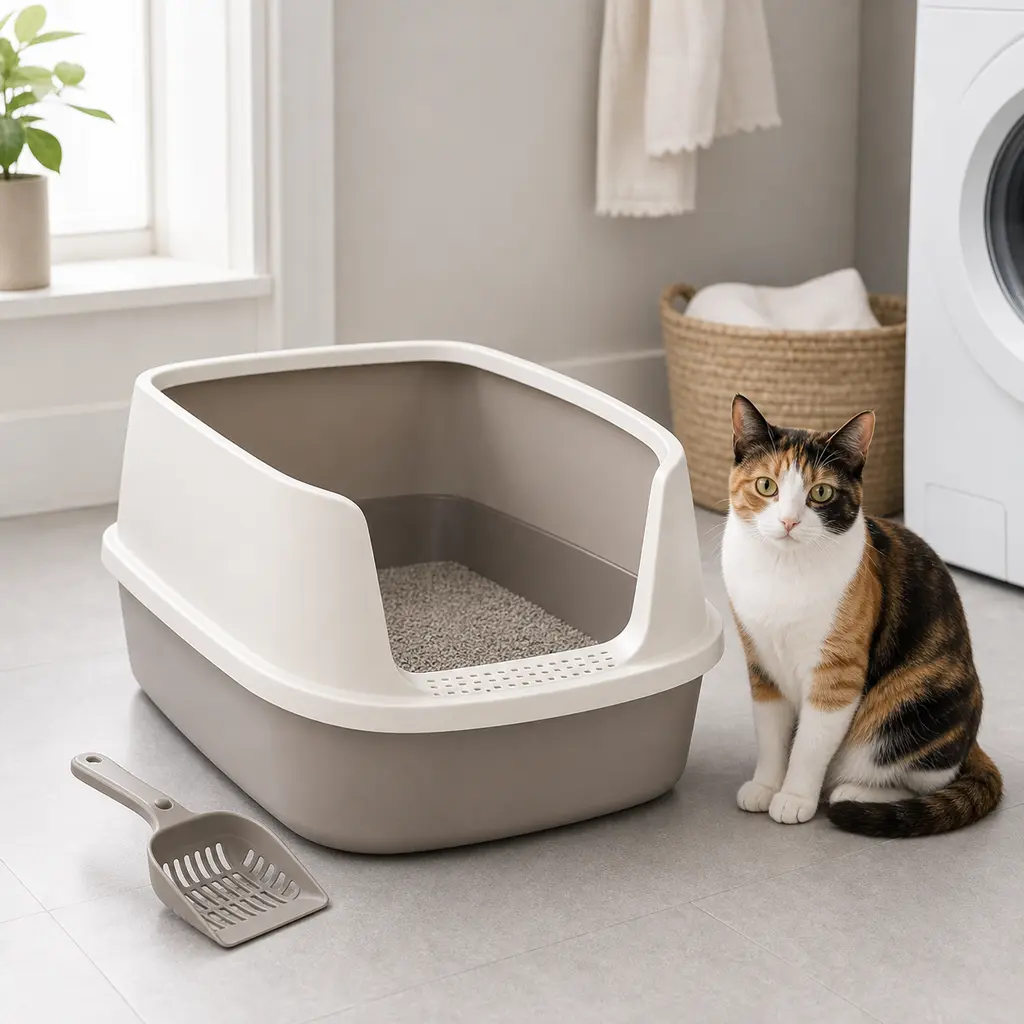
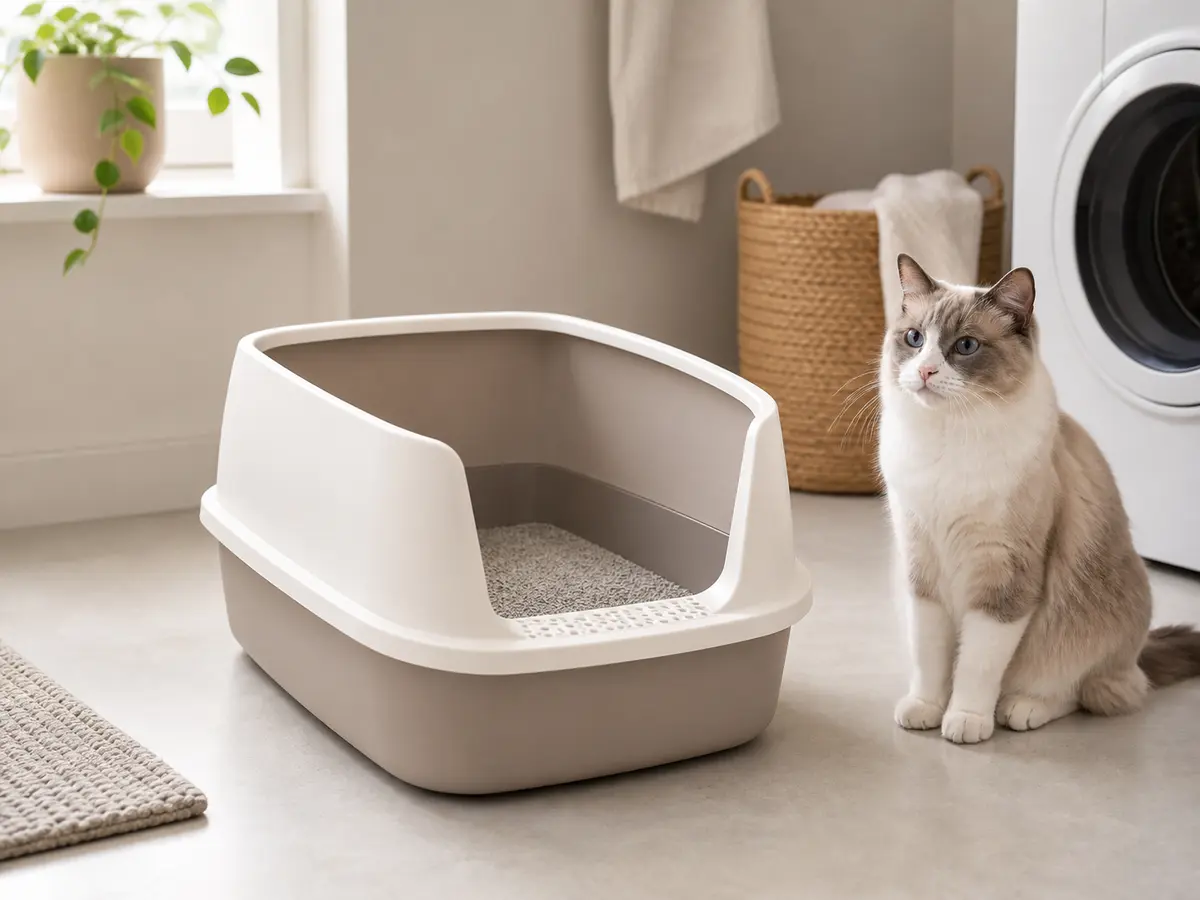
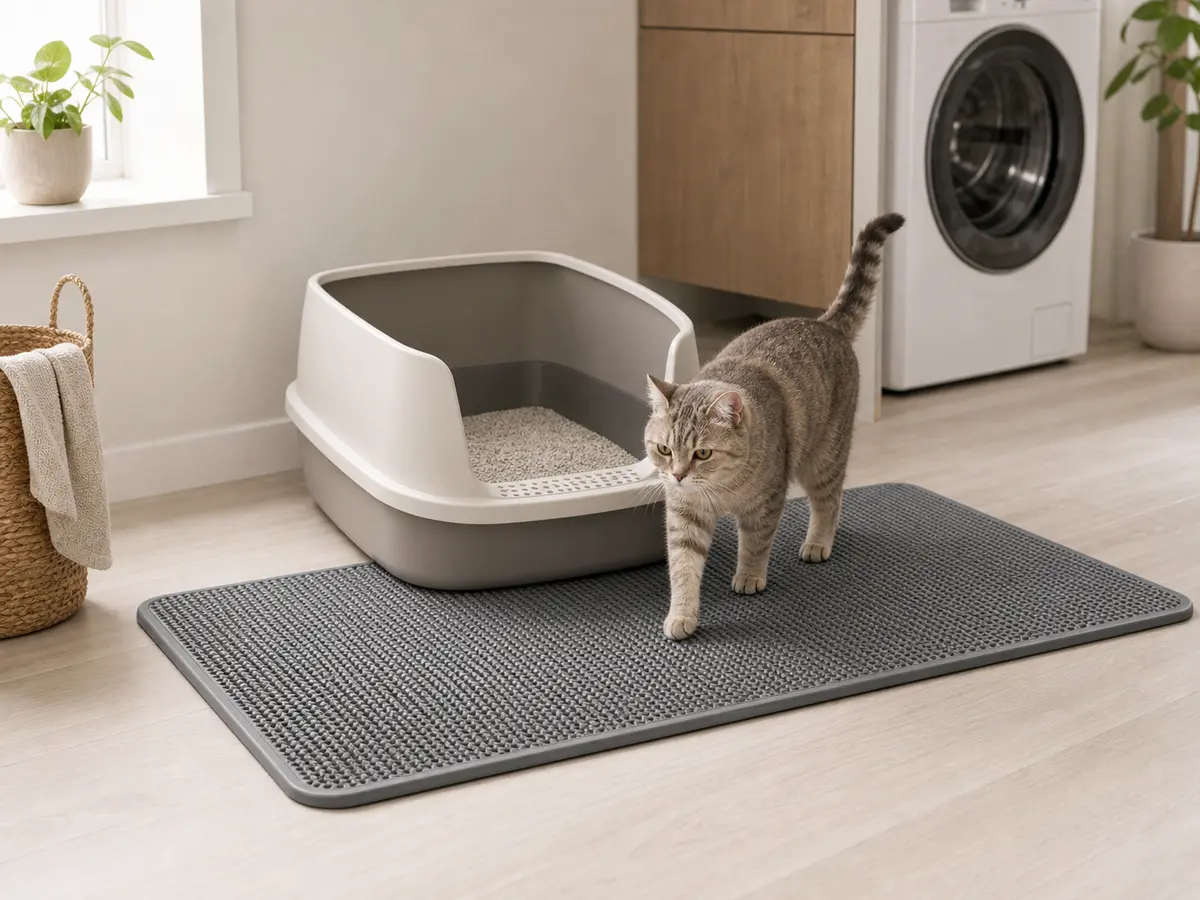
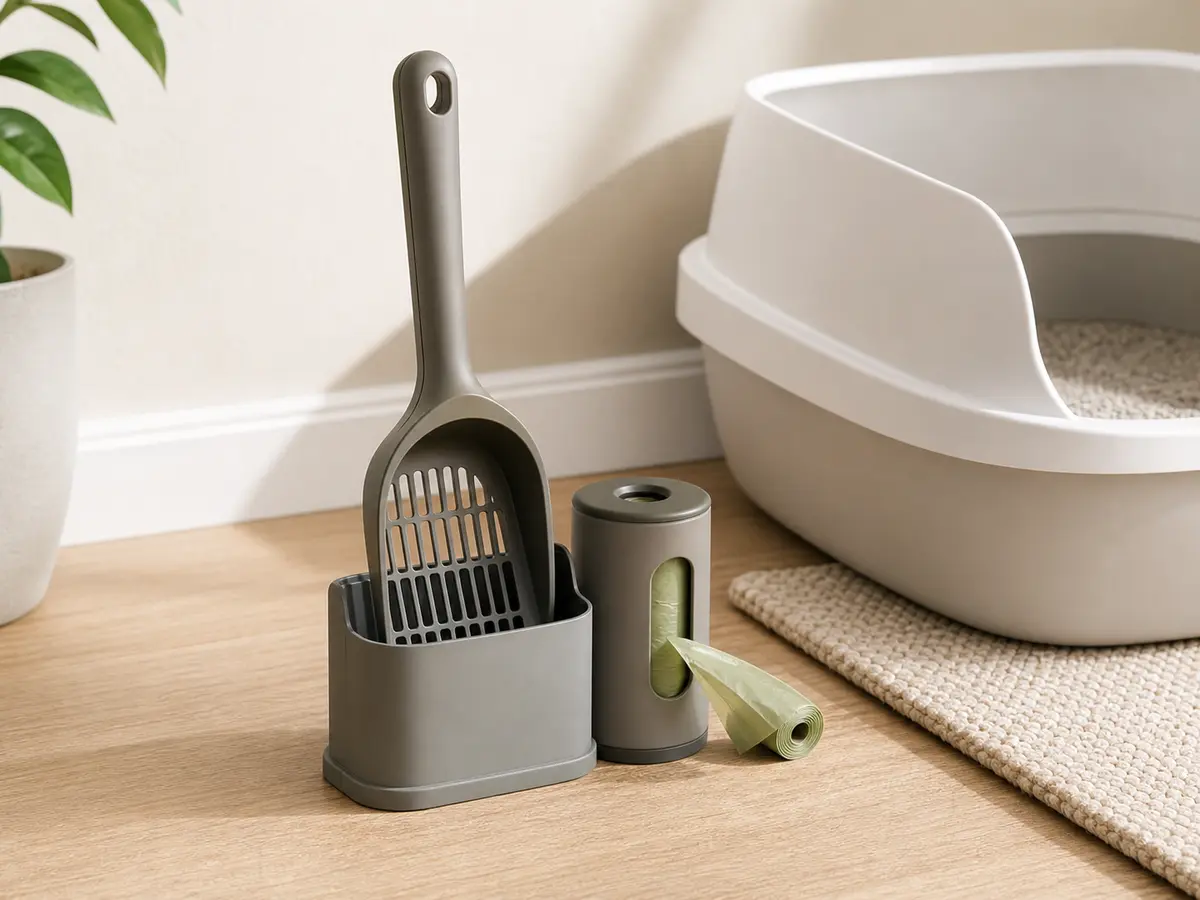
Use litter tools to make the easiest bathroom choice obvious: reachable box, enough room, manageable scatter, and daily scooping.
Affiliate links: Furball Cove may earn from qualifying purchases at no extra cost to you.
Why does one cat block another cat from the litter box?
When one cat blocks another cat from the litter box, treat the room like a traffic map. If one cat can control the hallway, food bowl, litter route, window perch, or your lap, tension can build quietly.
When should I get help?
Get professional help if cats are injuring each other, blocking food or litter, stalking, ambushing, hiding constantly, or if one cat cannot move through the home safely.