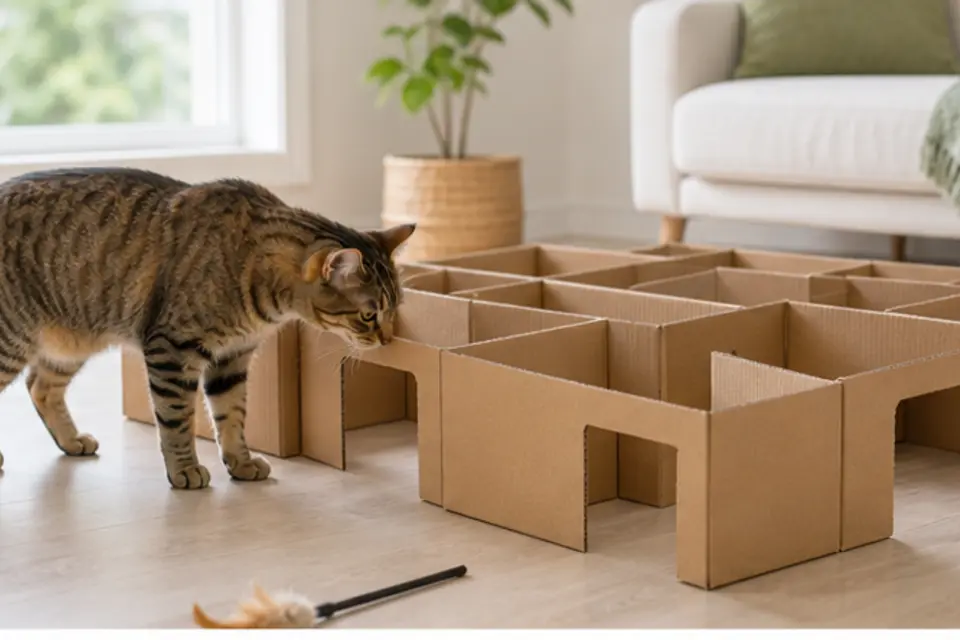
The enrichment goal
Box Maze works best when it gives your cat a real job: watch, stalk, chase, sniff, touch, pounce, catch, or settle. The point is not constant excitement. It is a short routine that lets indoor energy land somewhere safe.
Updated
Cat game
Turn a few boxes into a low-pressure explore, peek, and pounce path.
Keep the game short, safe, and satisfying. A good play routine gives your cat a real catch, then lets the energy settle.
Box Maze works best when it gives your cat a real job: watch, stalk, chase, sniff, touch, pounce, catch, or settle. The point is not constant excitement. It is a short routine that lets indoor energy land somewhere safe.
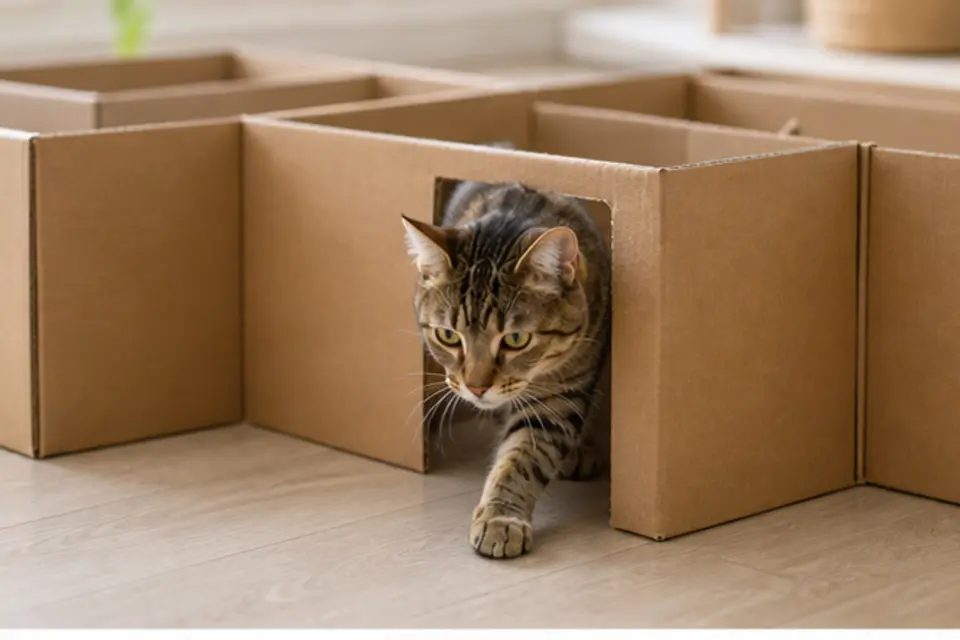
Clear a small area, choose one toy or food puzzle, and make the first round easy enough that your cat succeeds quickly. Shy cats may need distance and quiet. Bold cats may need slower movement so the game does not turn into rough play.
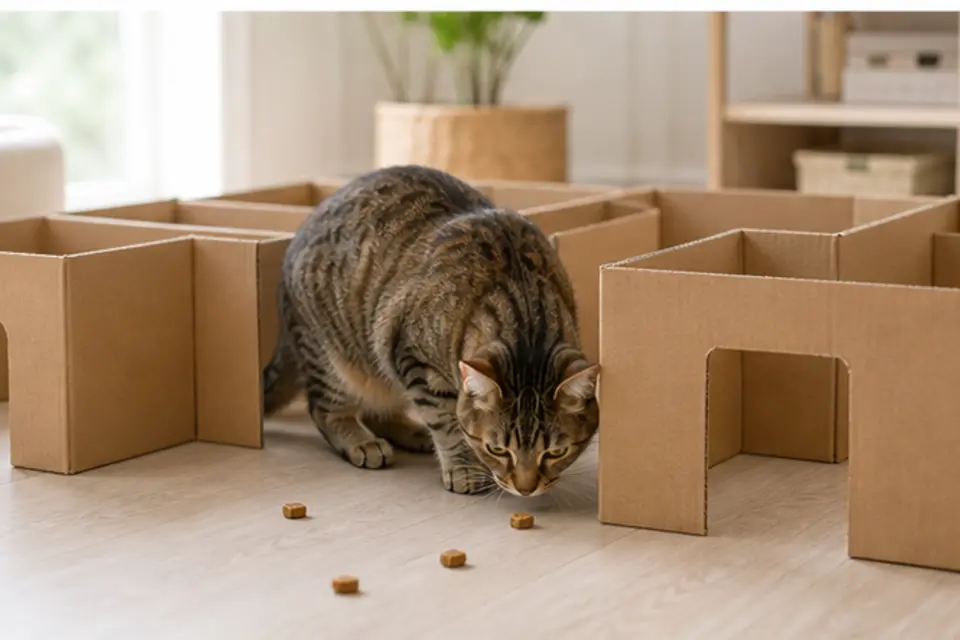
Let the game have a beginning and an ending. With box maze, give your cat a chance to focus, make a move, and get a real catch or reward. A game that never lets the cat win can create frustration instead of enrichment.
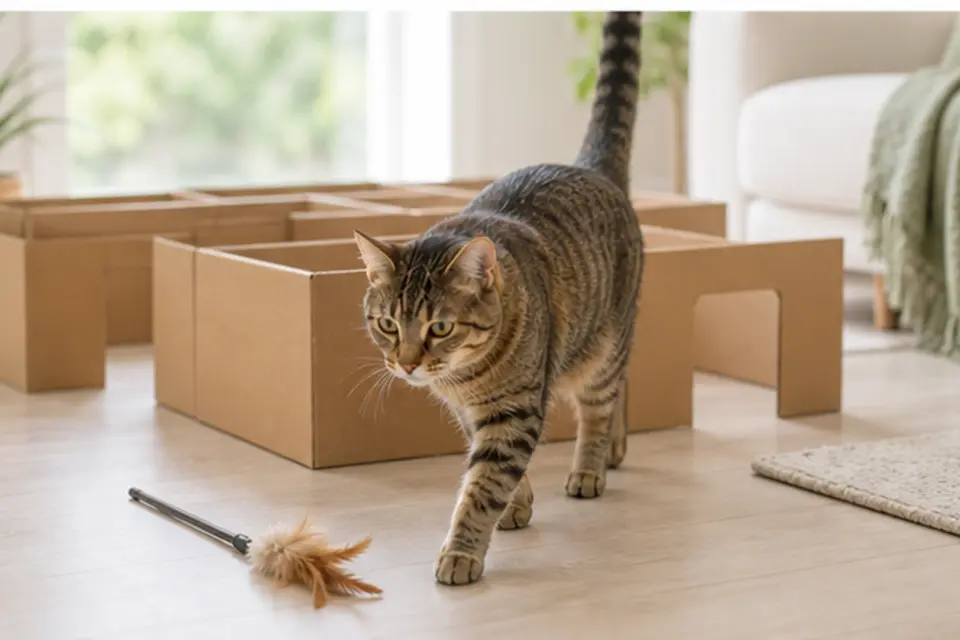
Watch body language in the home room where the game happens: loose movement, curious ears, easy resets, and a soft tail usually mean it is still working. Panting, hiding, flattened ears, frantic grabbing, or sudden irritation means it is time to pause.
Rotate the game into the week instead of doing the same thing until it feels stale. A few clean minutes before dinner, after work, or before a quiet evening can be more useful than one long session that leaves everyone wound up.
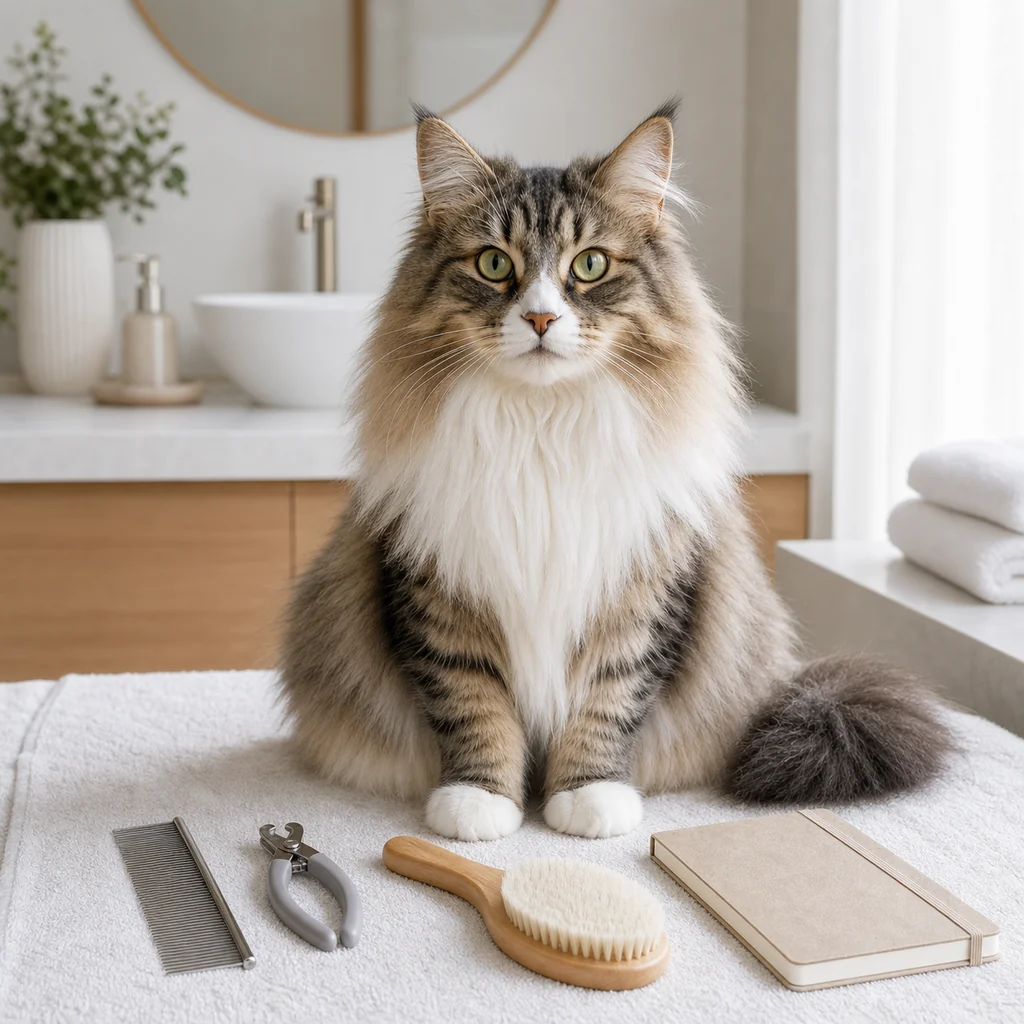
For box maze, pick tools that make gentle checks shorter, calmer, and easier to repeat.
Affiliate links: Furball Cove may earn from qualifying purchases at no extra cost to you.
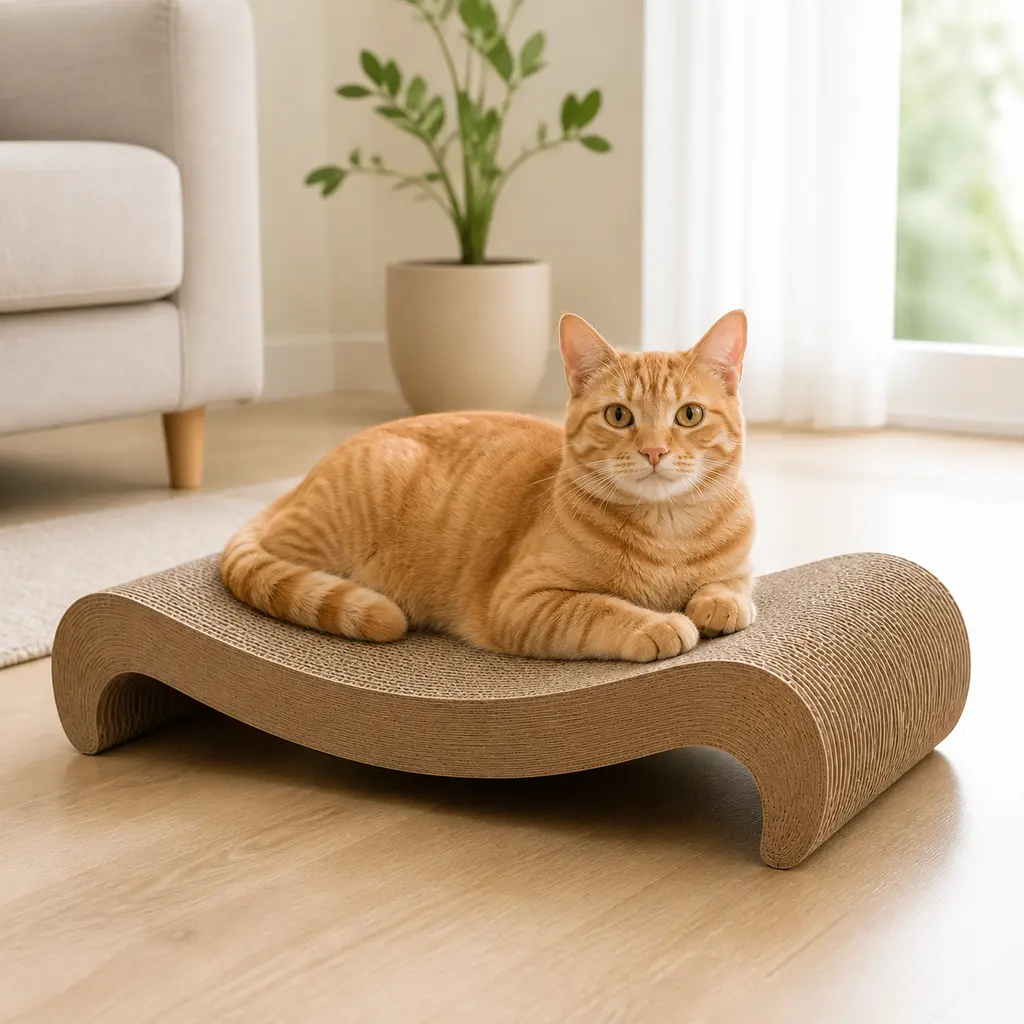
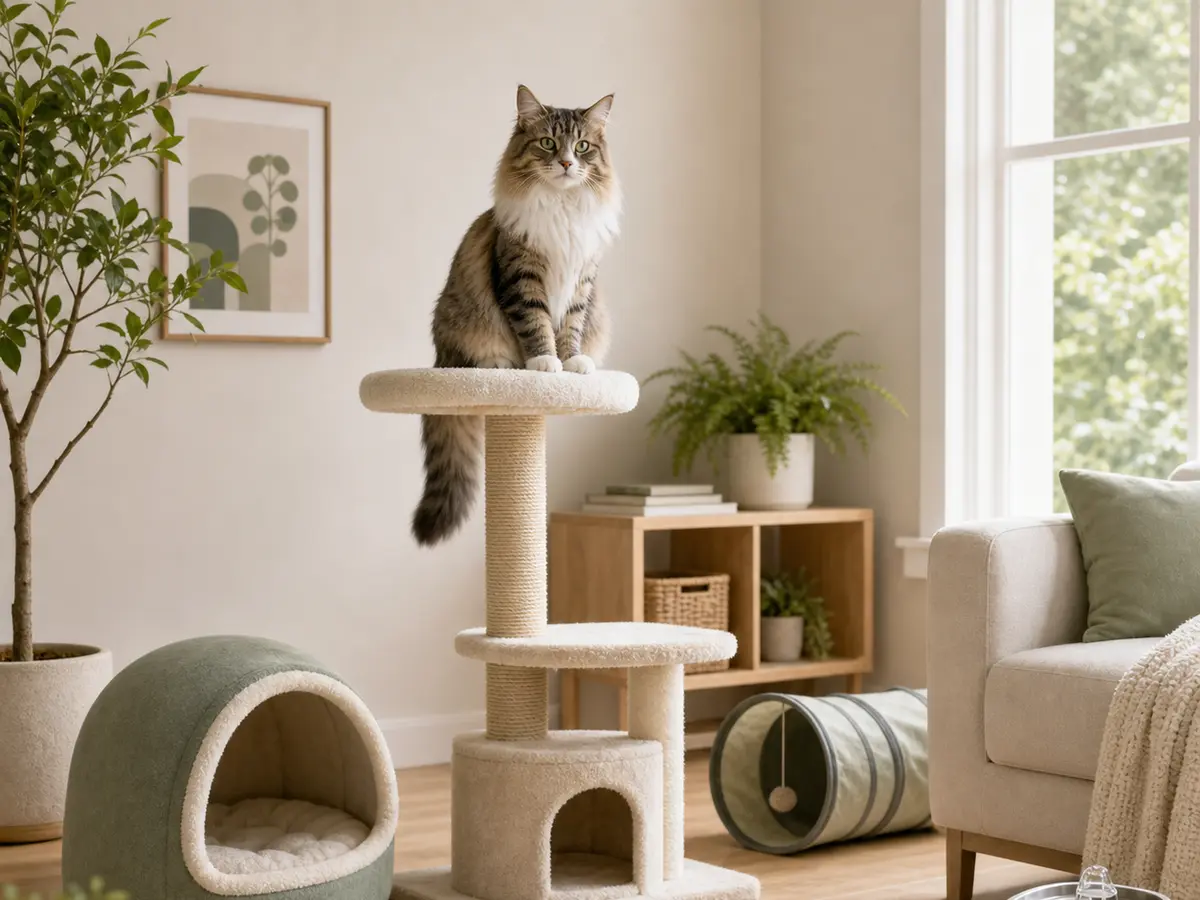
For box maze, choose this when you want to add a scratch-and-rest spot without rearranging the whole room.
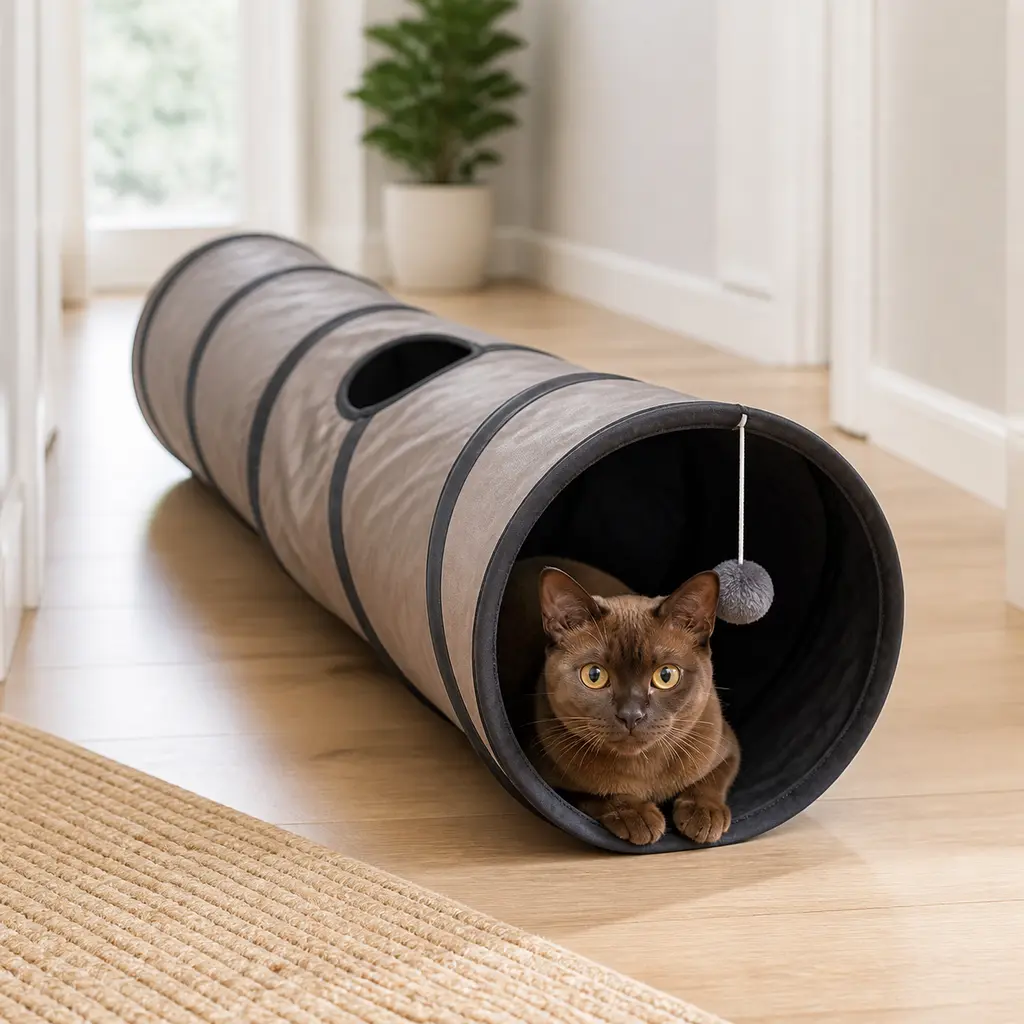
Box Maze works better when the setup can give shy cats a low-pressure path for exploring the room.
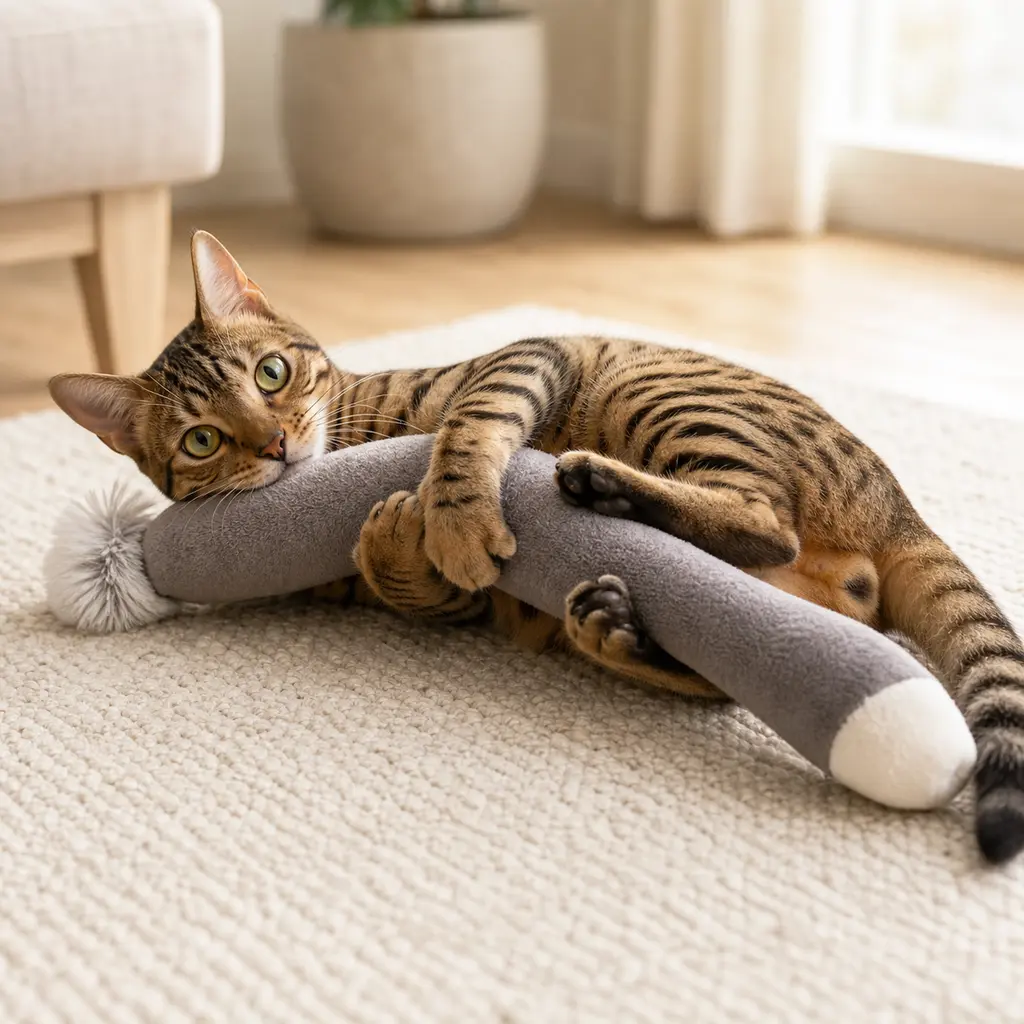
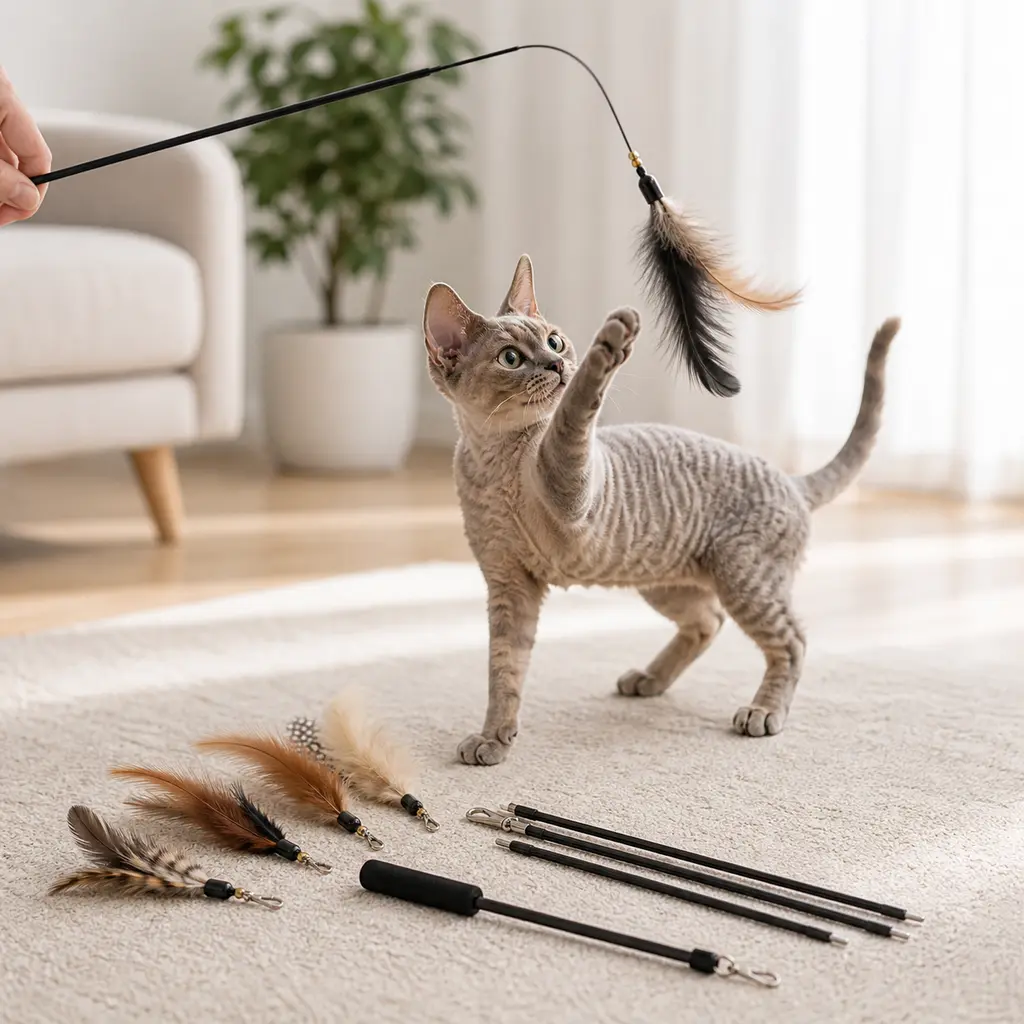
For box maze, choose this when you want to give wrestling energy a safer target than arms, ankles, or blankets.
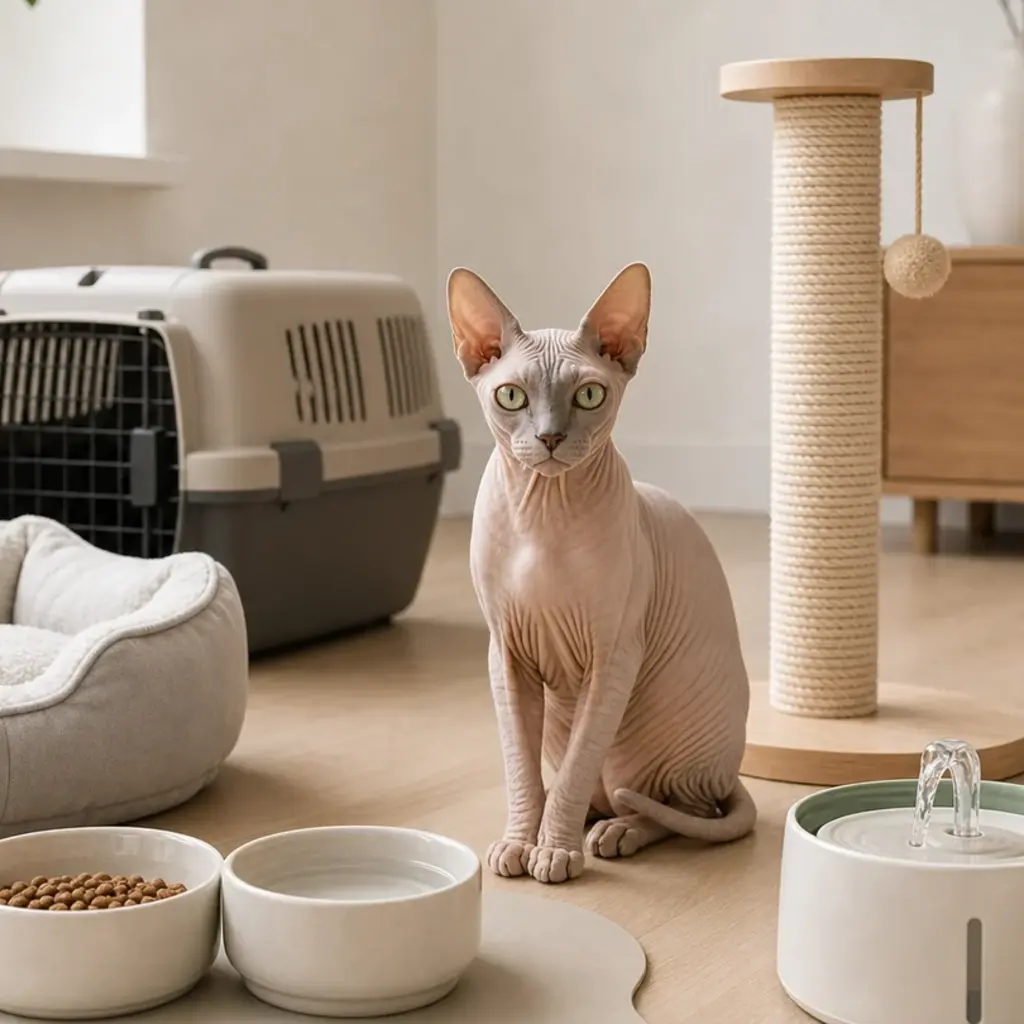
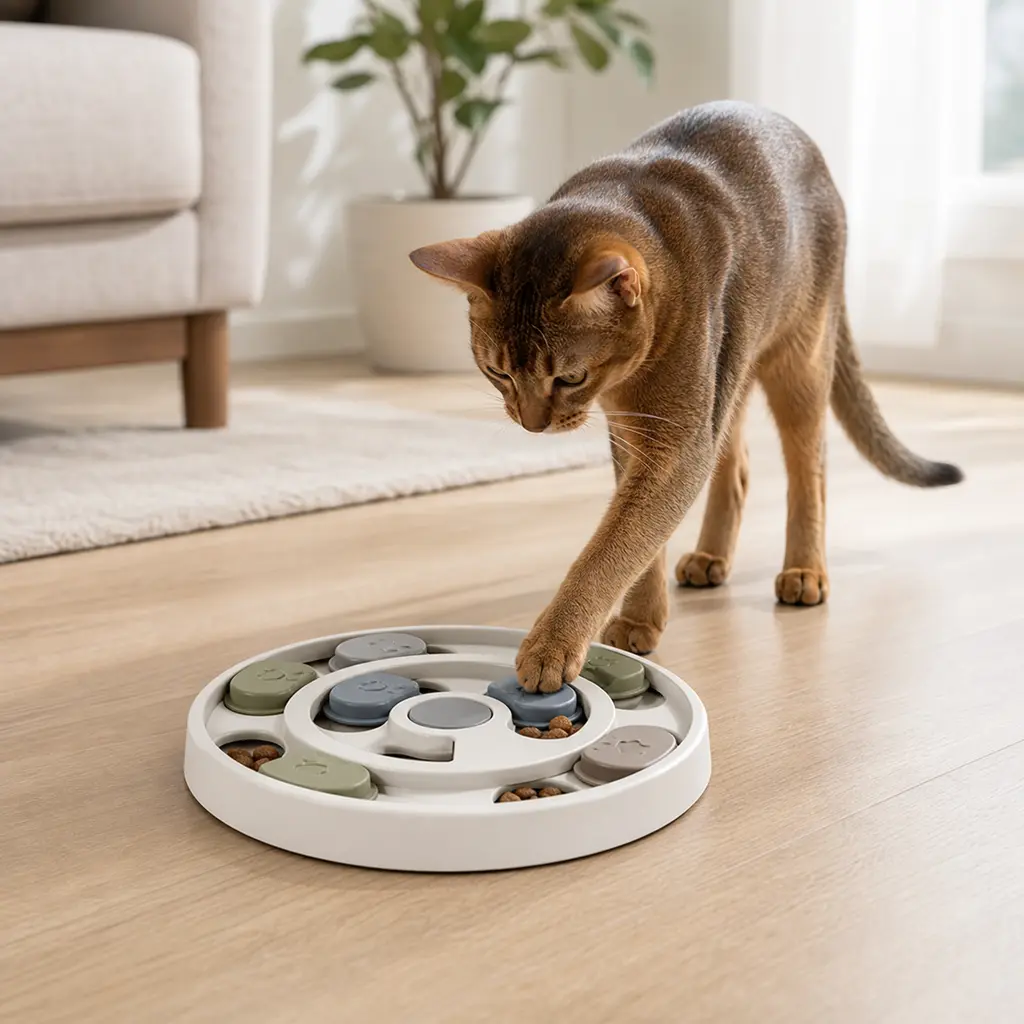
Box Maze works better when the setup can stretch a meal into a little work without changing what your cat eats.
Short. One to three minutes is enough for many cats, especially when the skill or game is new.
Let the cat leave. Try later with a better reward, a quieter room, or an easier first step.
No. Make the setup easier, reward smaller tries, and avoid turning the moment into pressure, scolding, or a battle.