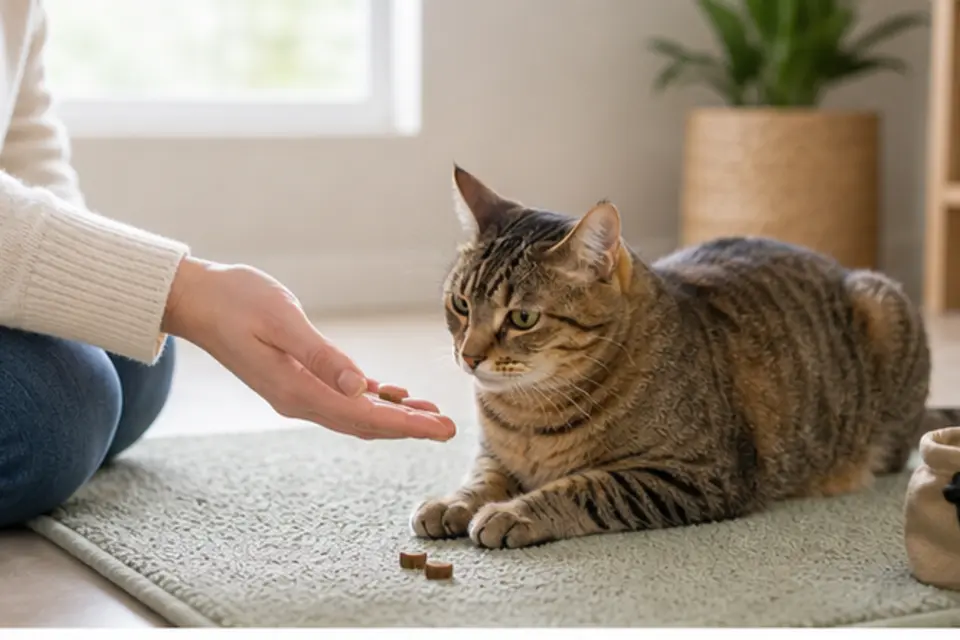
The trust goal
Calm Handling should make care feel predictable. The goal is a cat who can stay relaxed for one small piece of the task, not a cat who is held still until everyone is frustrated.
Updated
Cat handling
Practice touch, brushing, checks, and pick-ups without a fight.
Keep the moment short, cooperative, and easy to leave. Calm care starts with trust before the brush, clipper, carrier, or towel ever matters.
Calm Handling should make care feel predictable. The goal is a cat who can stay relaxed for one small piece of the task, not a cat who is held still until everyone is frustrated.
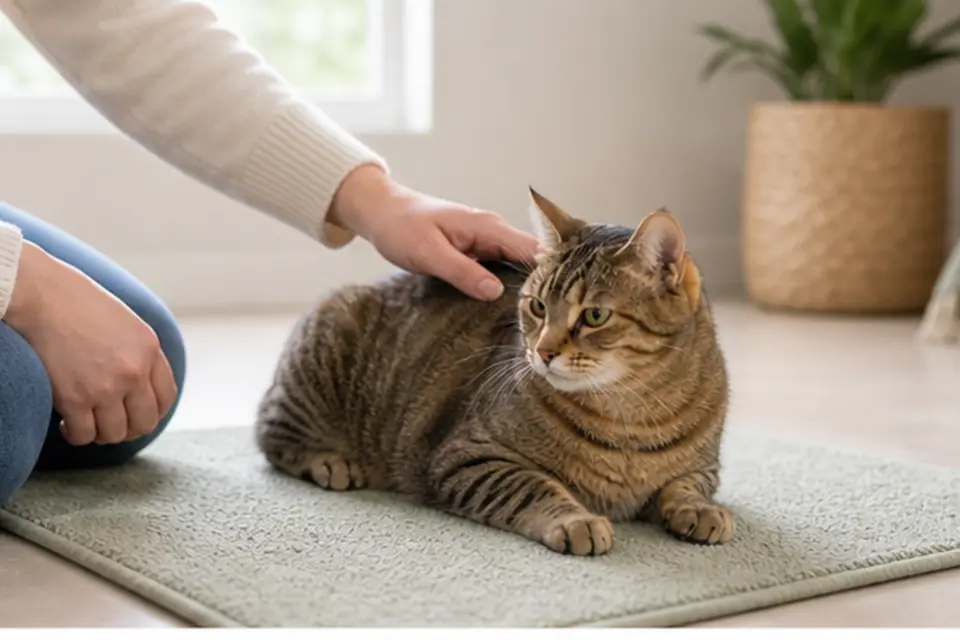
Begin far before the full job. Touch one paw, show the brush, lift the carrier flap, or rest a hand near the shoulder, then reward and pause. Easy contact builds more trust than one long wrestling match.
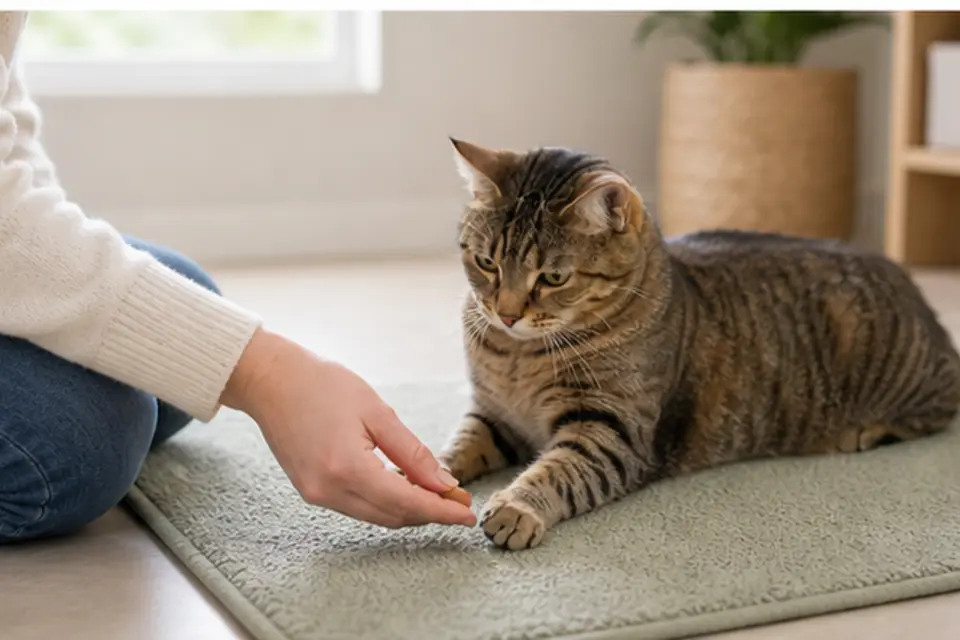
Use tiny care repetitions your cat can finish calmly: one touch, one paw pause, one brush pass, then a reward. If the cat ducks, swats, freezes, or hides after, make the next handling step smaller.
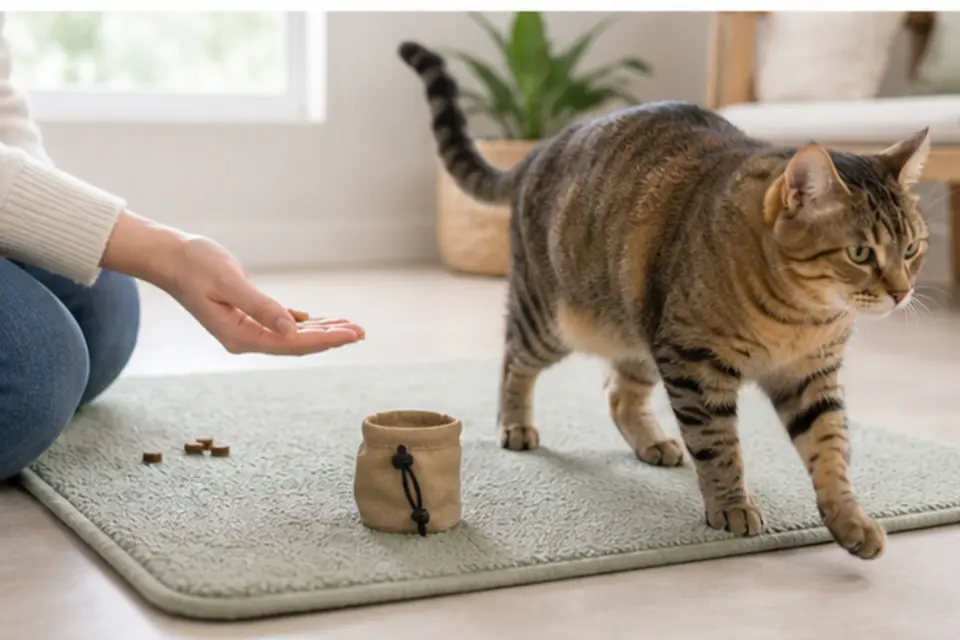
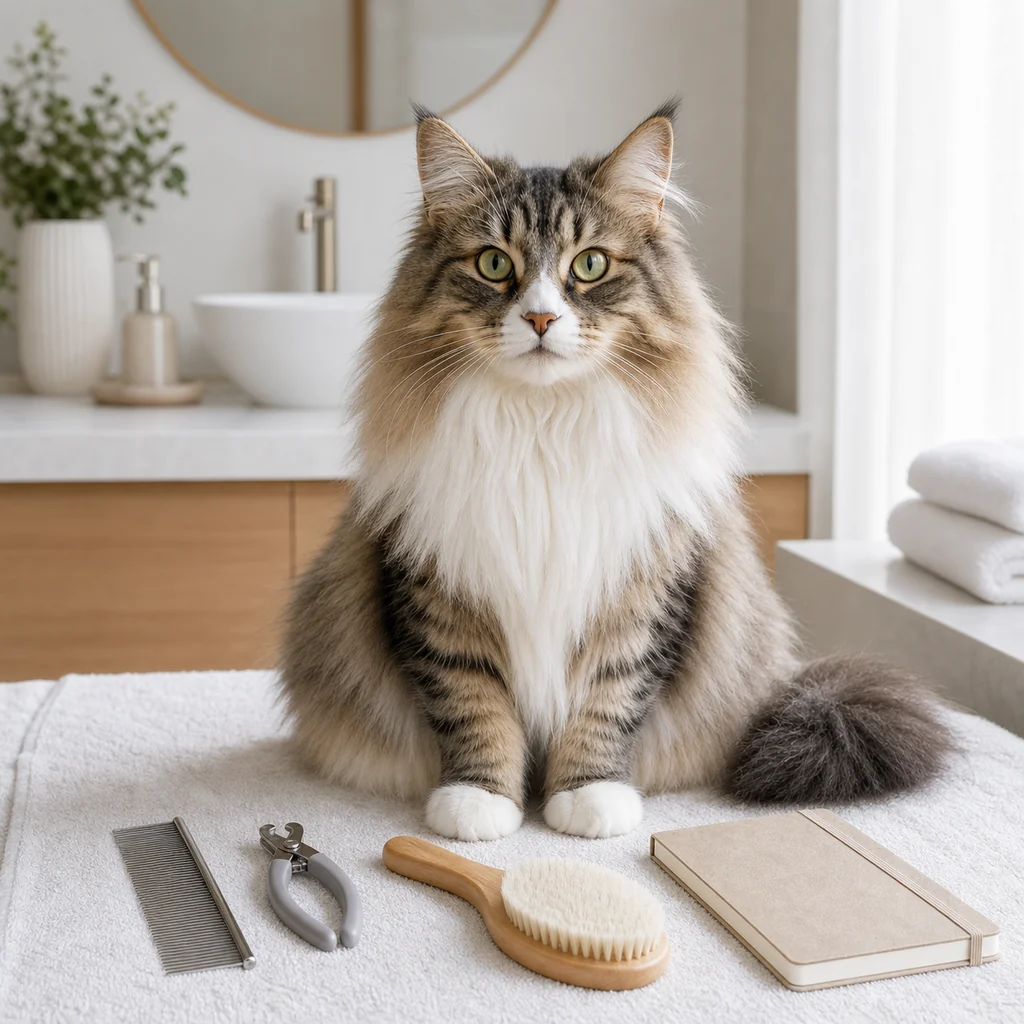
Connect calm handling to the real care moment slowly. A nail trim can begin with paw touches. Grooming can begin with one brush stroke. Carrier comfort can begin with a mat that smells like home.
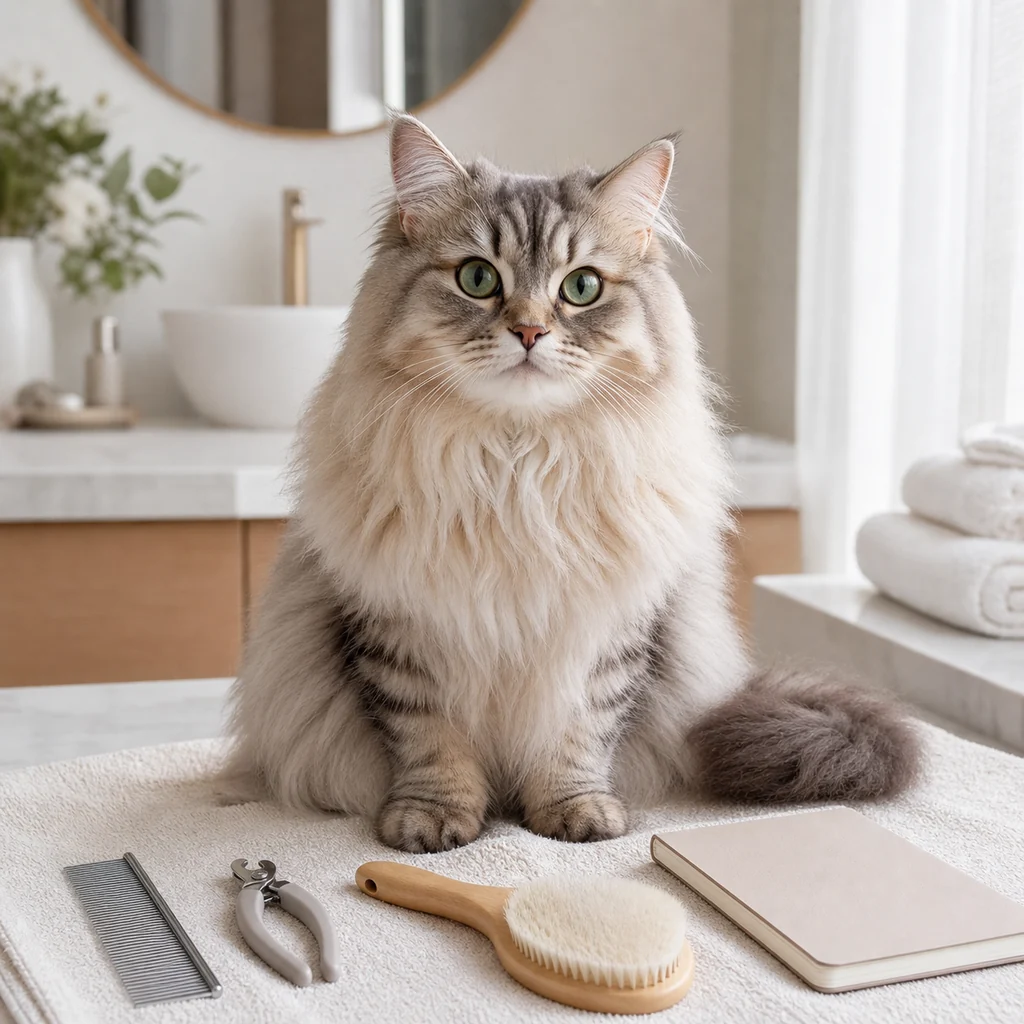
Stop before warning signs become biting or panic. If handling suddenly becomes painful, difficult, or unsafe, ask your veterinarian or a qualified behavior professional instead of trying to overpower the cat.
For calm handling, pick tools that make gentle checks shorter, calmer, and easier to repeat.
Affiliate links: Furball Cove may earn from qualifying purchases at no extra cost to you.
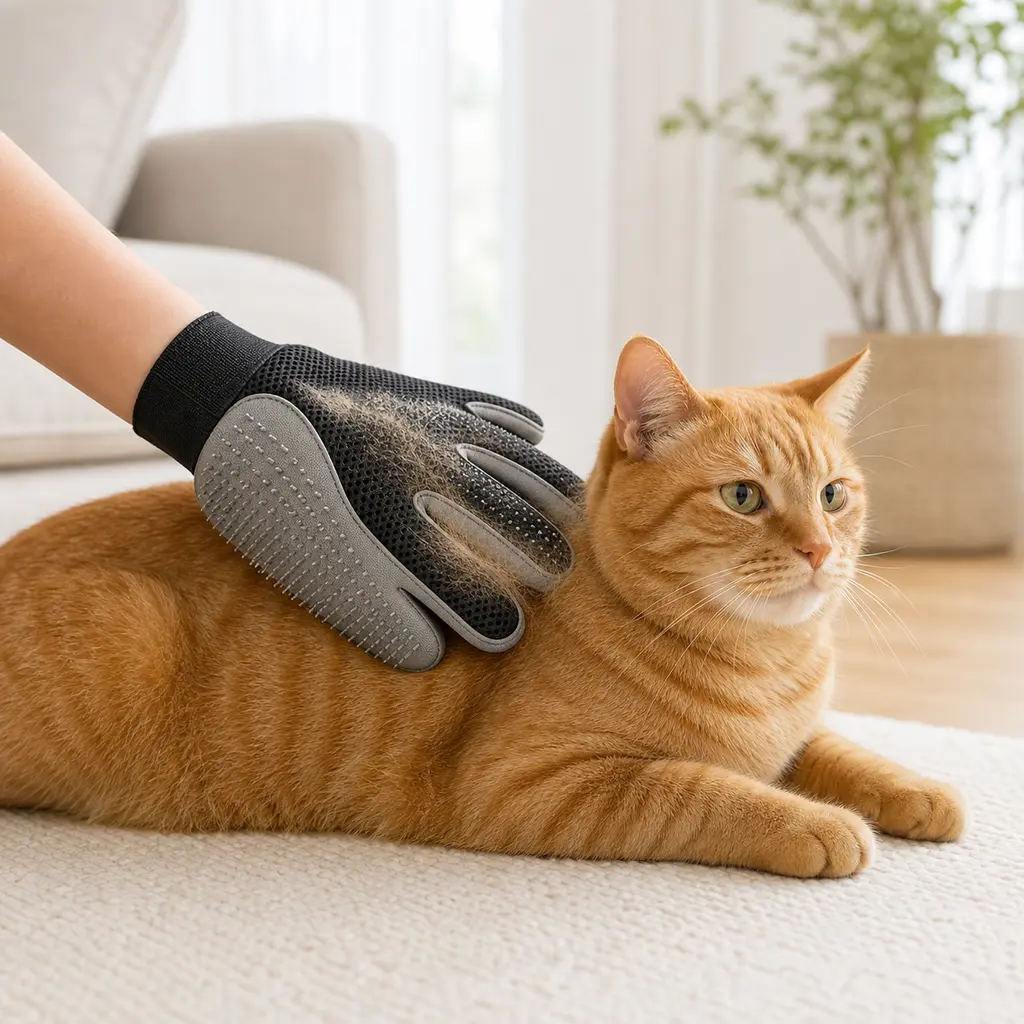
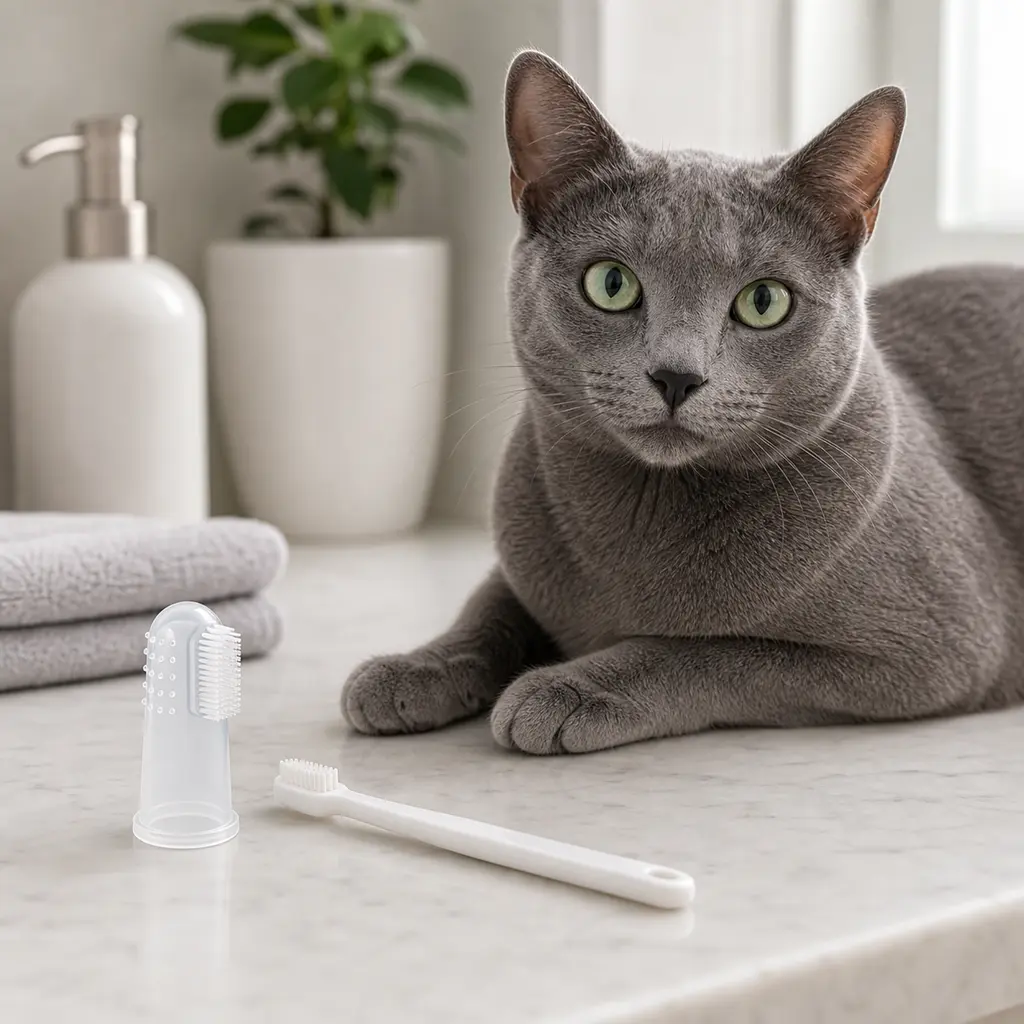
A good pick for calm handling: it can turn a quick check into something less formal than a brush session.
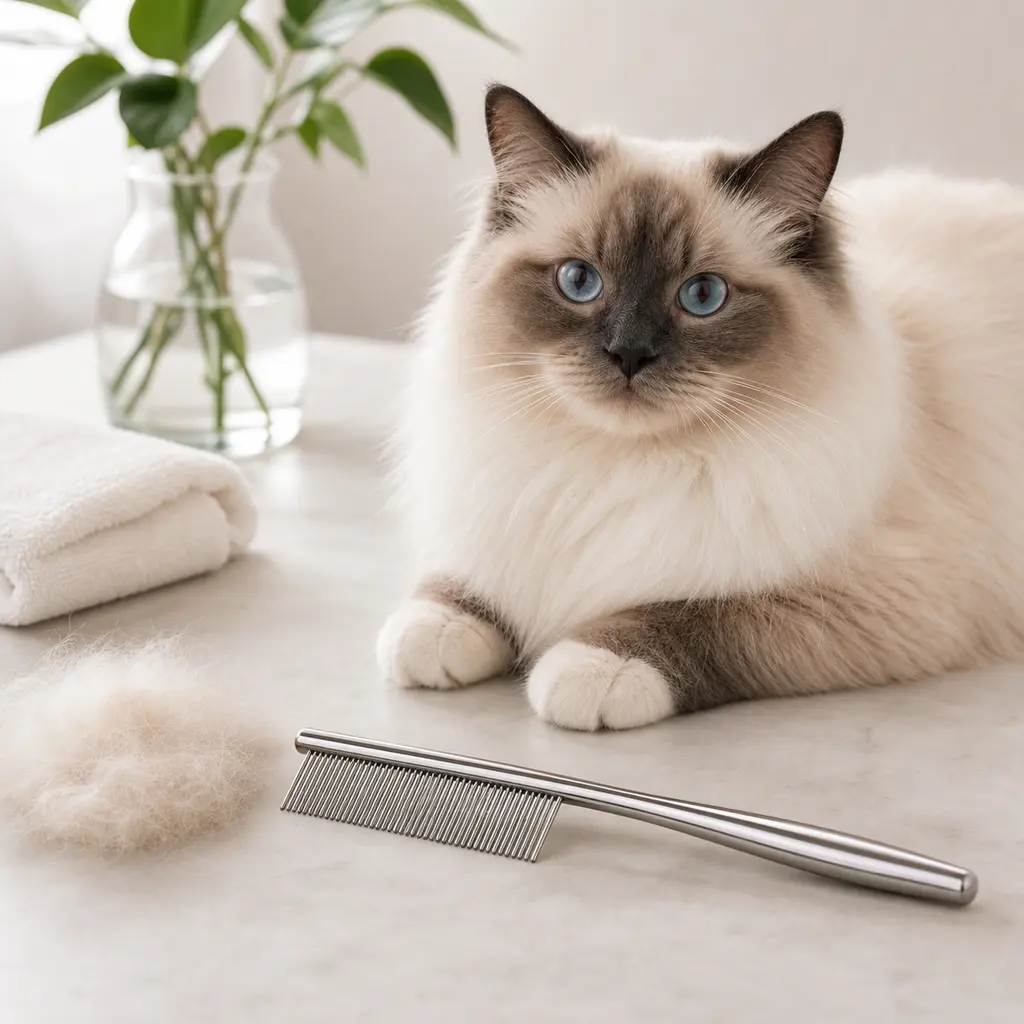
Calm Handling works better when the setup can make coat checks precise without turning grooming into a long session.
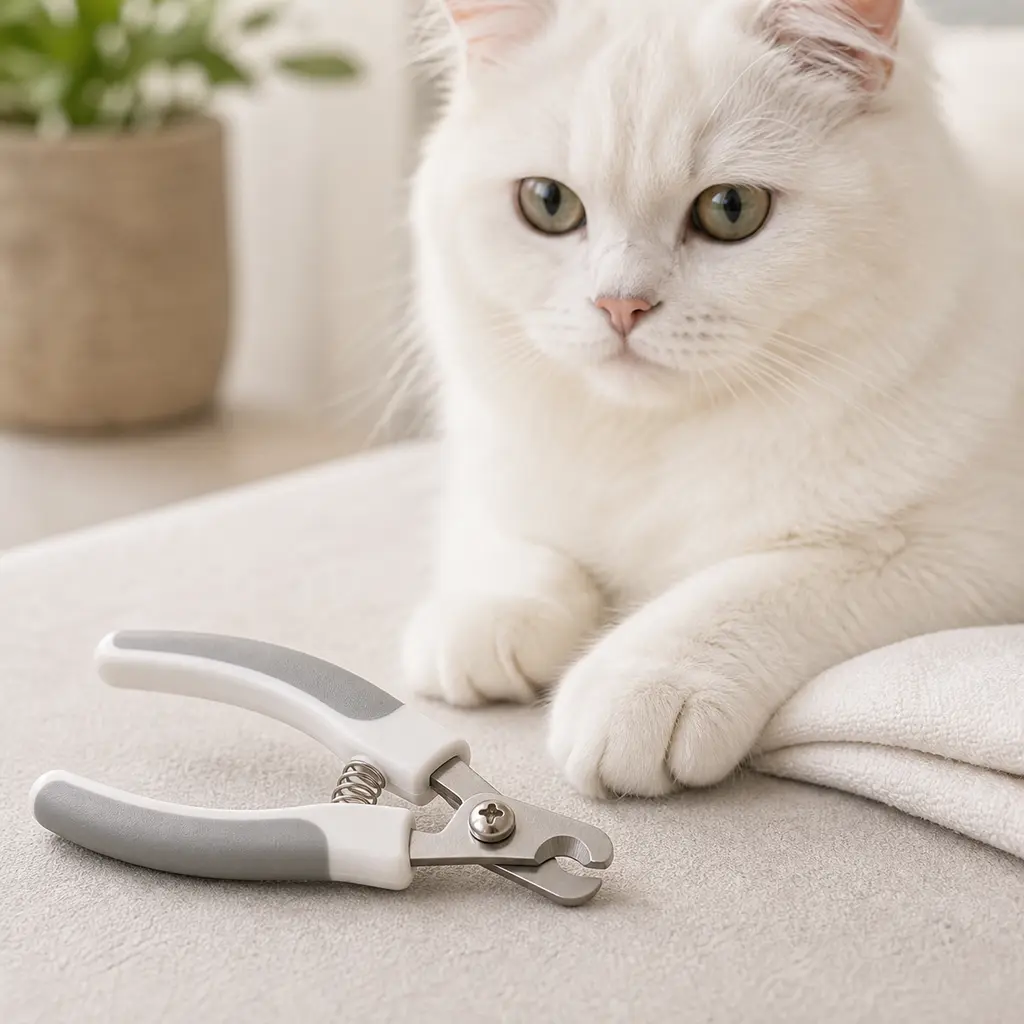
Calm Handling works better when the setup can keep paw care quick when your cat is ready for only a tiny win.
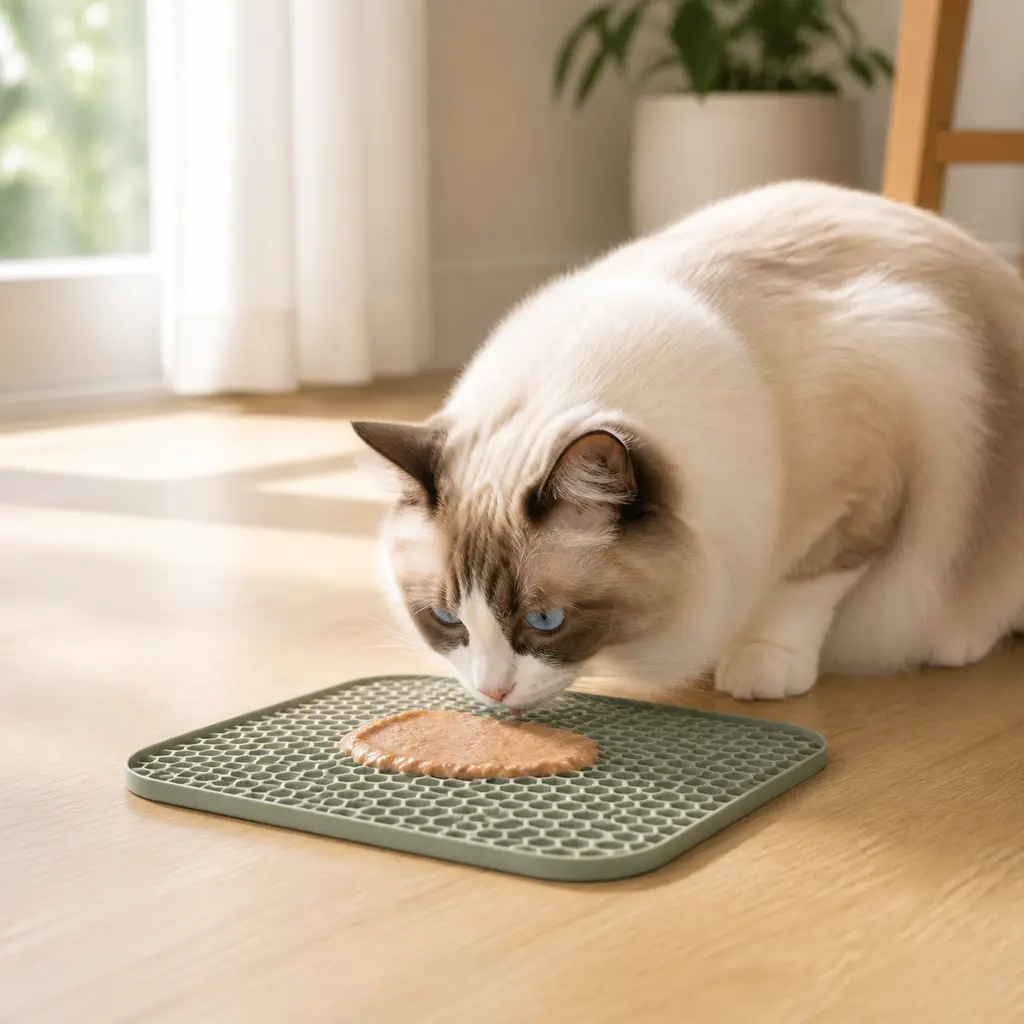
Calm Handling works better when the setup can turn a tiny soft treat into a calm pause instead of a big snack.
Short. One to three minutes is enough for many cats, especially when the skill or game is new.
Let the cat leave. Try later with a better reward, a quieter room, or an easier first step.
No. Make the setup easier, reward smaller tries, and avoid turning the moment into pressure, scolding, or a battle.