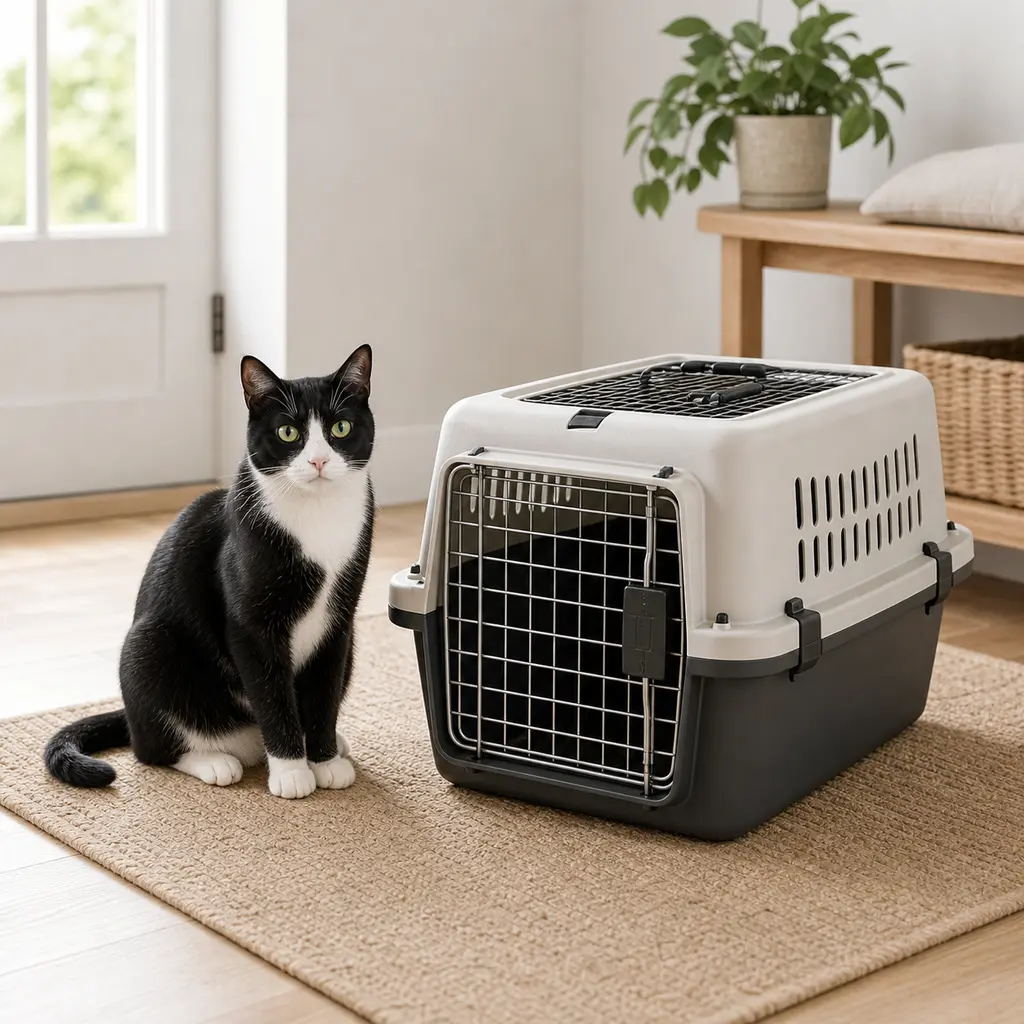
A good carrier opens easily, feels steady, and can become normal before the next vet day.
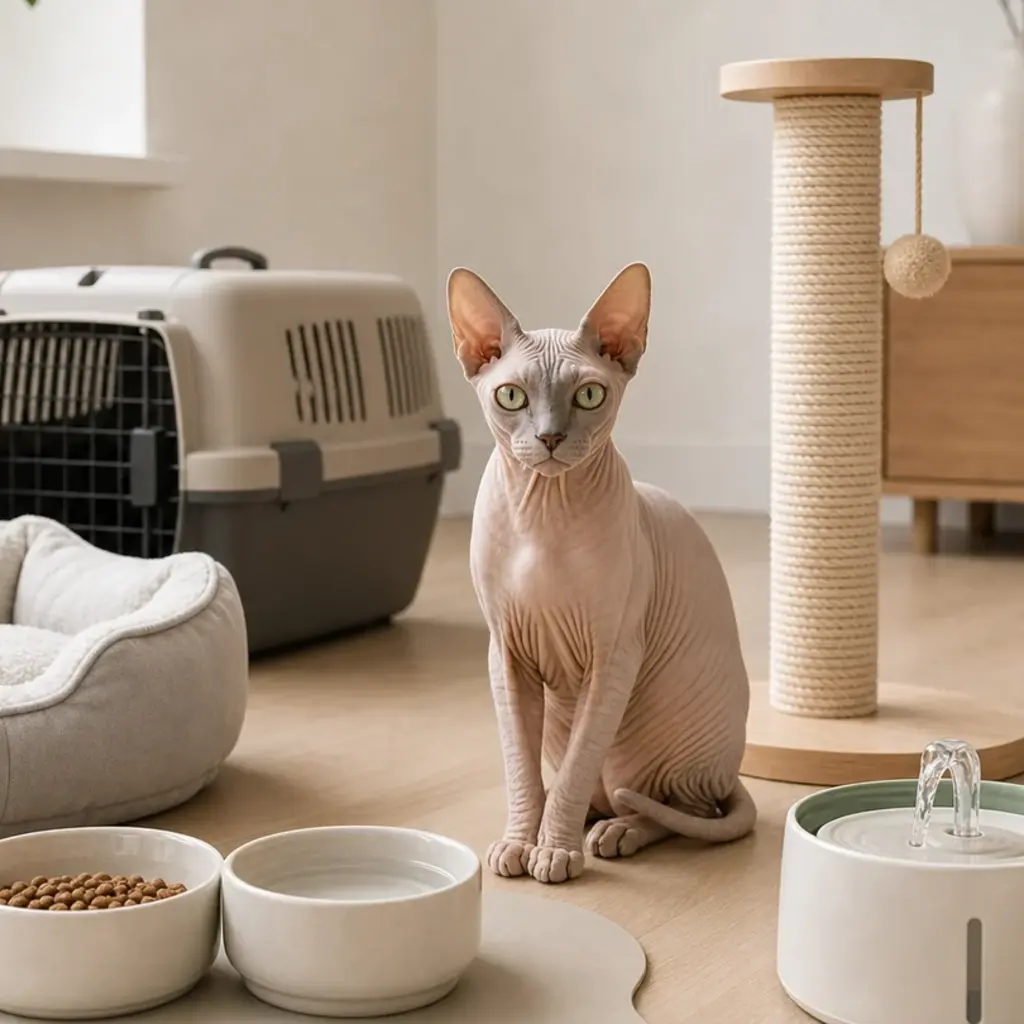
The carrier should not appear only when something stressful is about to happen. Let it live in the room like ordinary furniture. A simple setup is kinder than a crowded one. Watch where your cat relaxes, hesitates, scratches, drinks, hides, and returns.
Top access helps
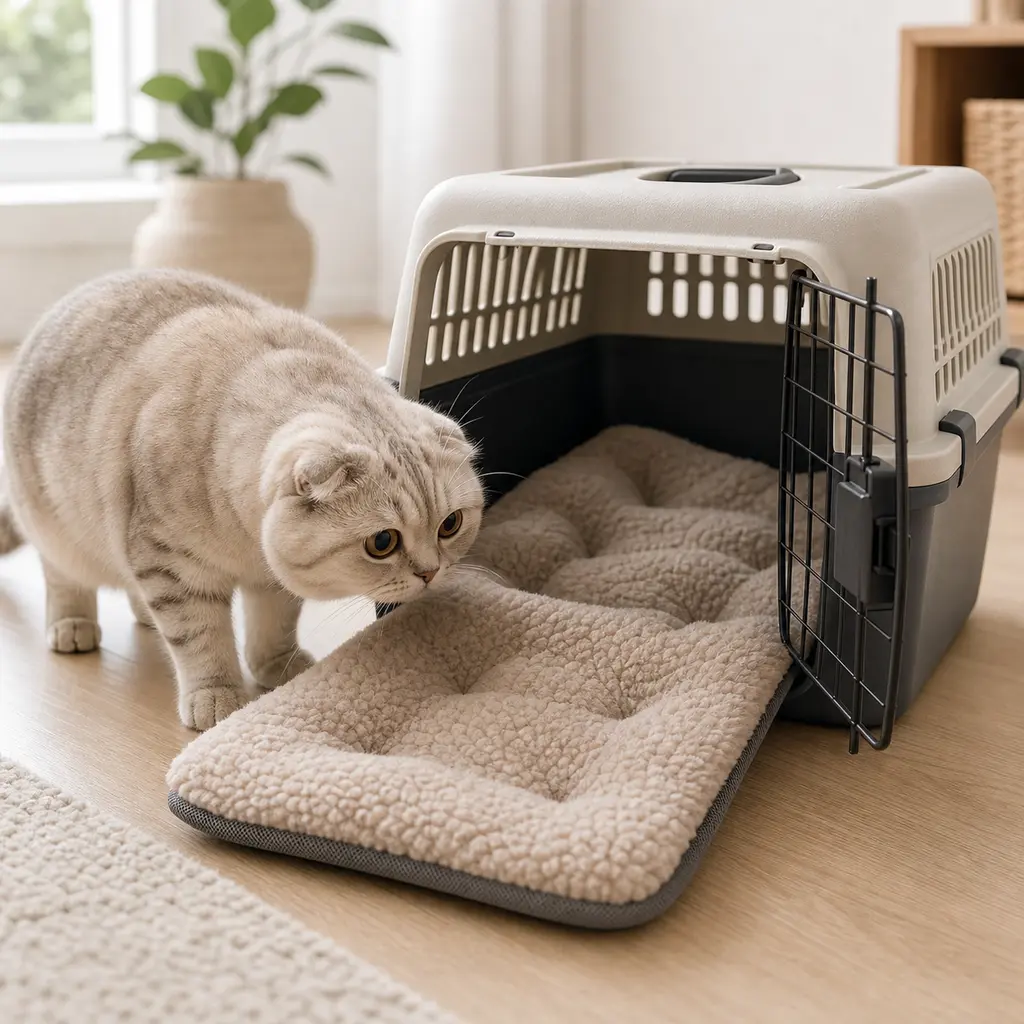
A carrier that opens from the top or comes apart can make vet visits easier, especially for cats who freeze, brace, or refuse to back out. The best version is usually the one your cat uses calmly while you can still clean and maintain it.
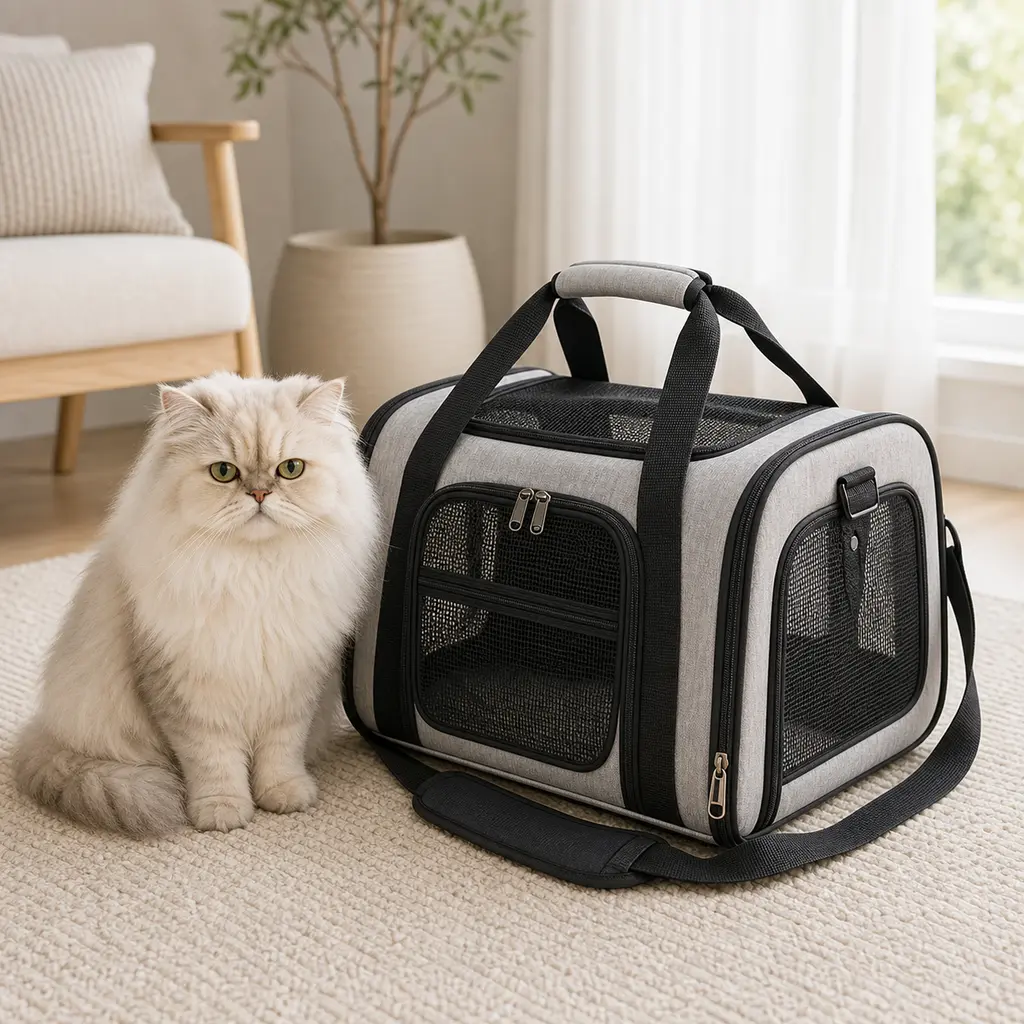
Soft carriers have a place
A soft-sided carrier can be lighter for calm cats and short trips. Choose structure over floppiness so the walls do not fold inward around your cat. Treat hesitation as design feedback: height, wobble, smell, texture, and placement all matter.
Make it smell like home
A washable mat or familiar towel helps the carrier feel less strange. Leave treats inside now and then without closing the door every time. Start with one change, then leave the room predictable enough for your cat to investigate.
Practice before the appointment
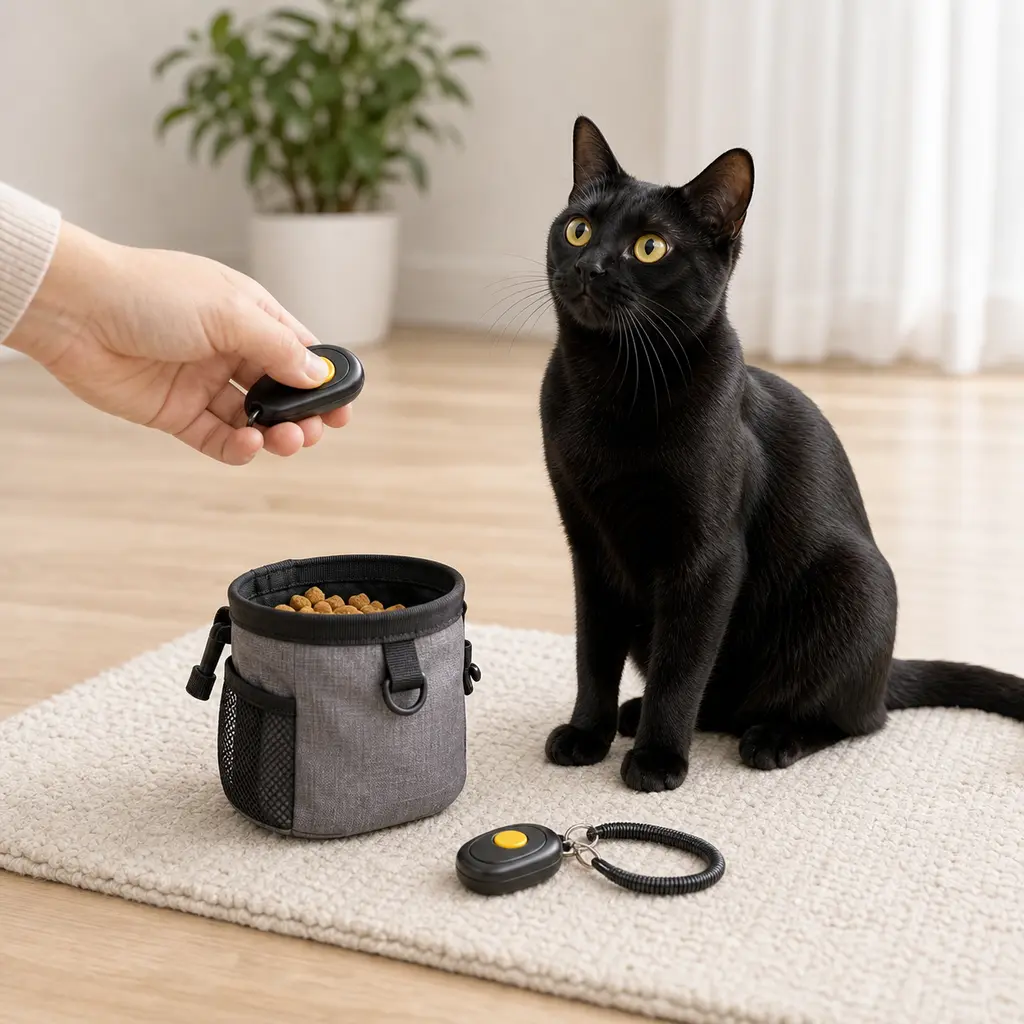
Tiny carrier wins matter: looking at it, stepping near it, eating inside it, then short door closes. If travel panic is severe, ask your vet or a qualified behavior professional for help.
Make the setup easy to keep
Cat Carriers has to work for the person cleaning it too. If washing, refilling, brushing off hair, or moving it is annoying on a busy day, the habit will fade and your cat will feel that inconsistency.
Before you decide
Does the carrier open easily?
Is the base steady?
Can it be cleaned?
Has the cat practiced before travel day?
Next best moves
Leave the carrier out for a week.
Feed one tiny treat near the opening.
Add a washable mat that stays with the carrier.
Helpful cat setup picks
The right setup for cat carriers should be easy for your cat to use and easy for you to clean.
Affiliate links: Furball Cove may earn from qualifying purchases at no extra cost to you.
A carrier is working when it can stay visible between trips, your cat can investigate it without being shoved inside, and you can load, open, clean, and secure it without a scramble.
When should I rethink cat carriers?
Rethink the carrier if it collapses, traps your hands, is hard to clean after stress accidents, or makes vet-day handling more frantic. Nervous cats often do better with calm practice and easy top access.