Many cats chew cardboard for texture, play, boredom, or attention, but eating pieces can cause trouble. Offer safer chew and play outlets, and watch for vomiting, appetite changes, or obsessive chewing.
This page helps you read the moment without turning normal cat communication into a character flaw.
Short answer
Many cats chew cardboard for texture, play, boredom, or attention, but eating pieces can cause trouble. Offer safer chew and play outlets, and watch for vomiting, appetite changes, or obsessive chewing.
Start by making the scene calmer and safer, then look for the trigger. A cat who feels trapped, sore, or overstimulated will not learn from pressure.
What to notice at home
A few tooth marks on a box are different from swallowing chunks, shredding every package, or chewing when stressed. Look at play time, hunger, attention, texture, and whether your cat actually ingests pieces.
Treat the visible behavior as a clue rather than the whole answer. Track what happened right before it, how much choice your cat had, and how quickly the room returned to normal.
What to try first
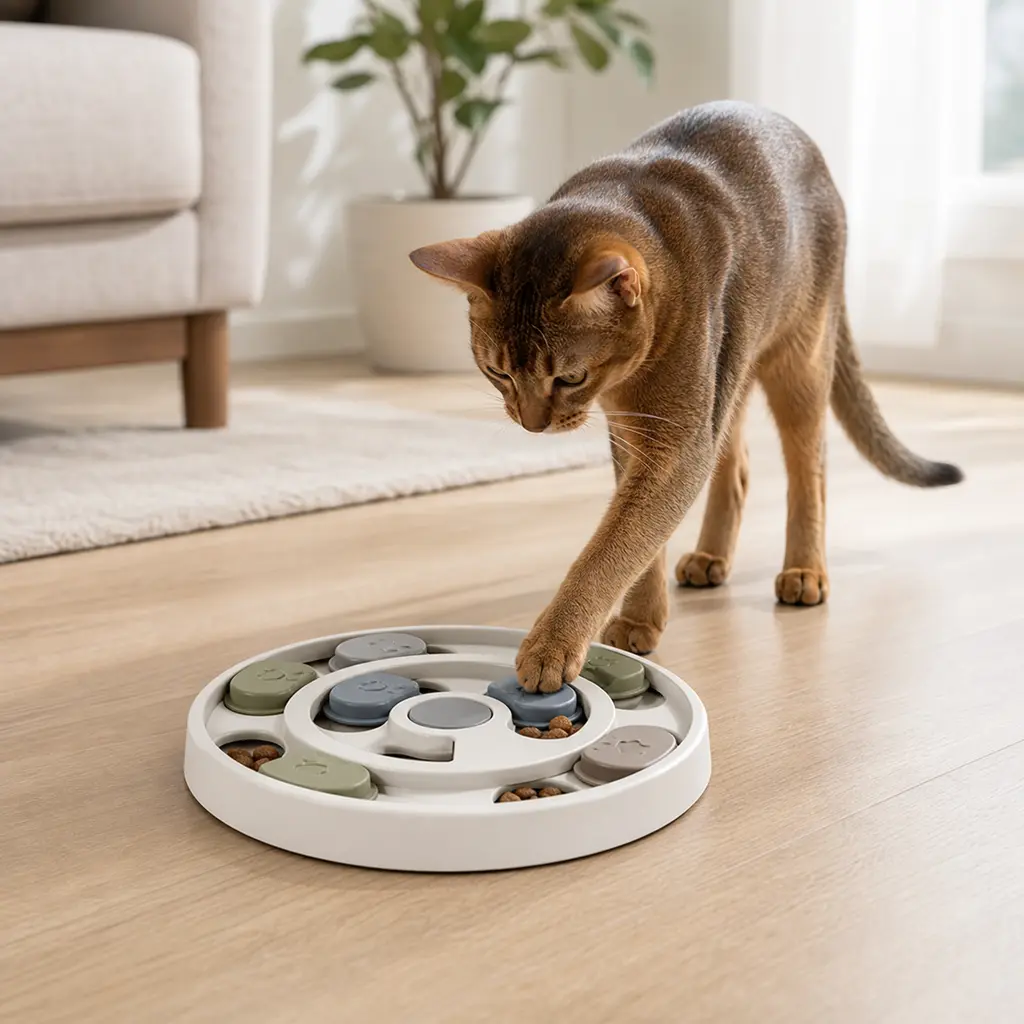
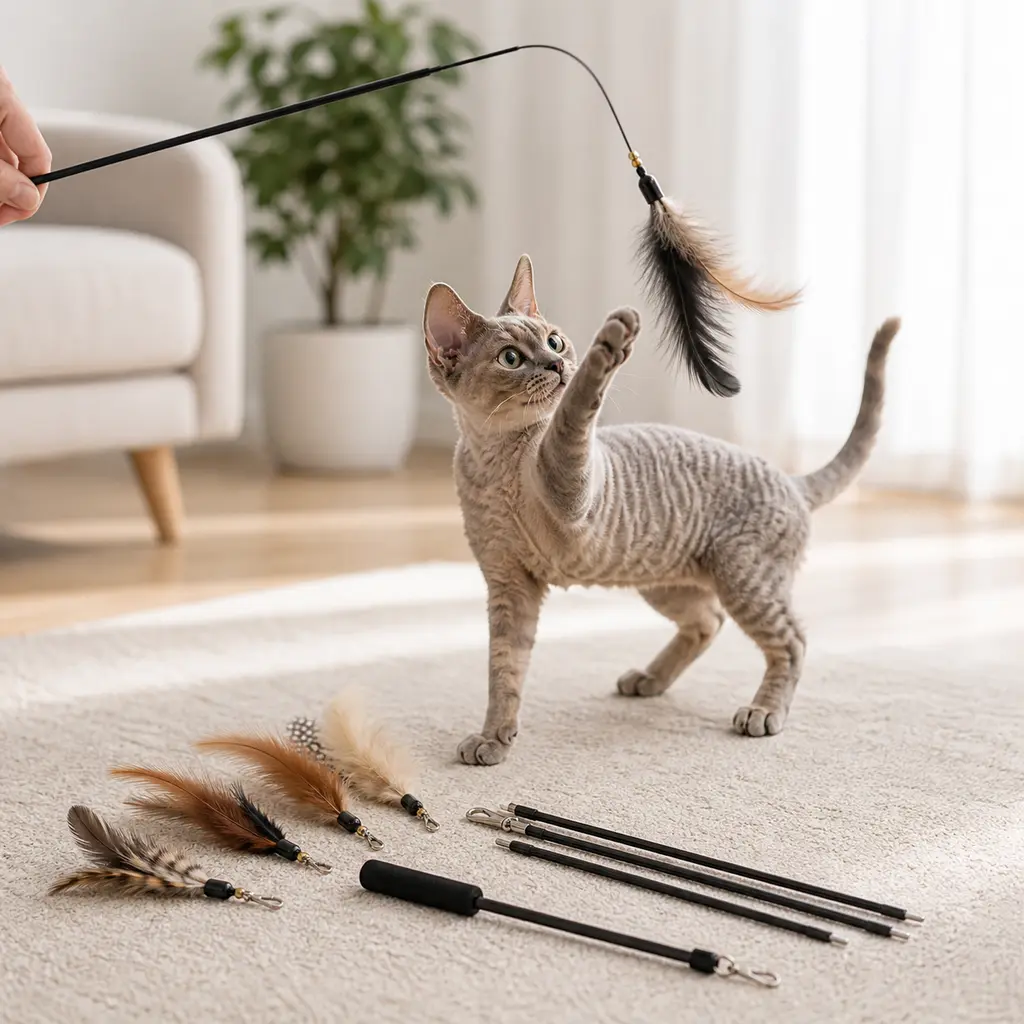
Remove boxes that are being swallowed, offer wand play, puzzle feeders, scratchers, and safe cat toys, and rotate cardboard only when chewing stays light and supervised.
Add distance, choice, and a safer outlet before adding more handling. Shorter sessions, clearer escape routes, and predictable routines often tell you more than one dramatic correction.
When to get help
Call your veterinarian if your cat swallows cardboard, vomits, stops eating, strains, seems painful, or suddenly chews non-food items obsessively.
Get help quickly for bites, escalating fights, redirected aggression, fear that traps one cat, or sudden behavior that does not fit the cat's normal routine.
Before you decide
Is this new, sudden, or getting worse?
Did food, litter, scent, guests, noise, another pet, or the room setup change recently?
Can your cat leave the interaction, reach resources, and settle after the moment passes?
Would pain, toxin exposure, breathing trouble, or a urinary problem make this urgent?
Next best moves
Add choice, distance, and a safer outlet before you add more handling.
Write down timing, triggers, appetite, litter use, and what helped.
Call your veterinarian quickly for health, toxin, pain, breathing, urine, or severe behavior concerns.
Helpful supplies
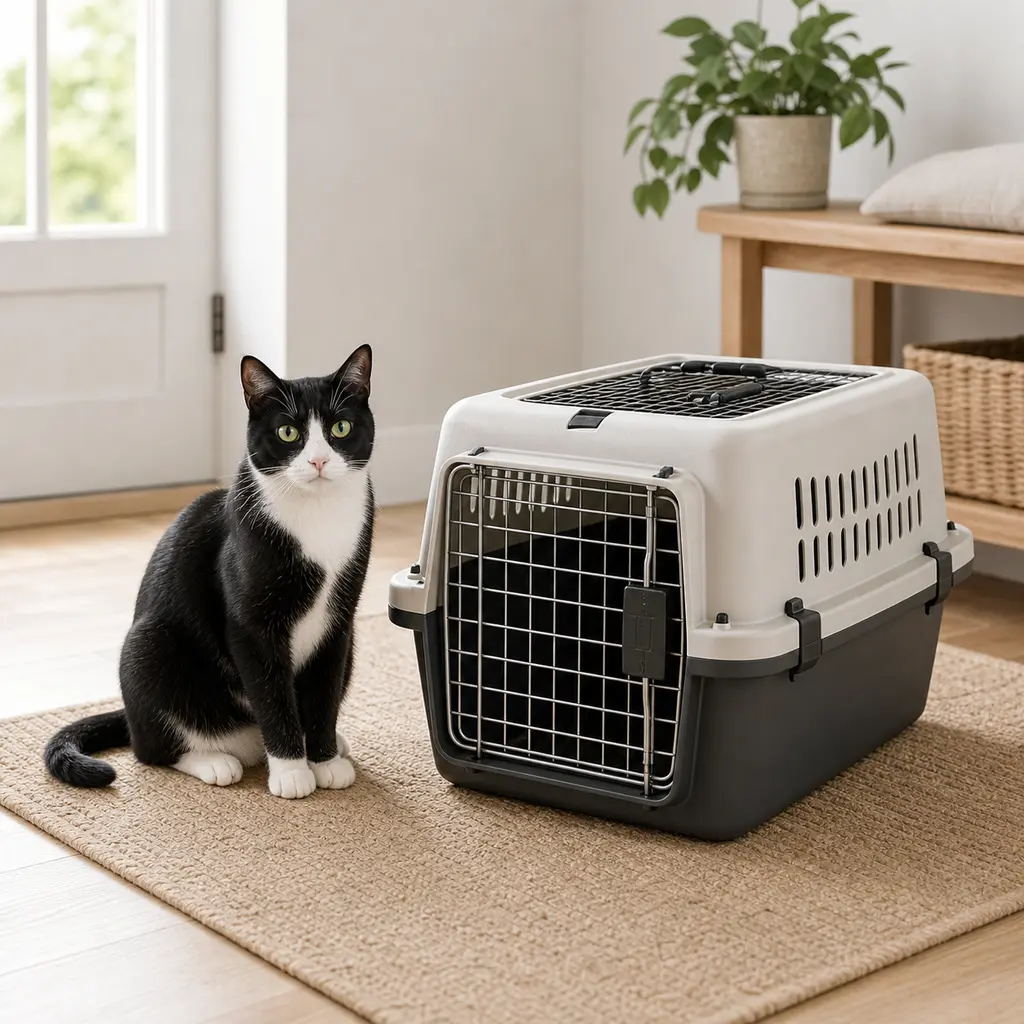
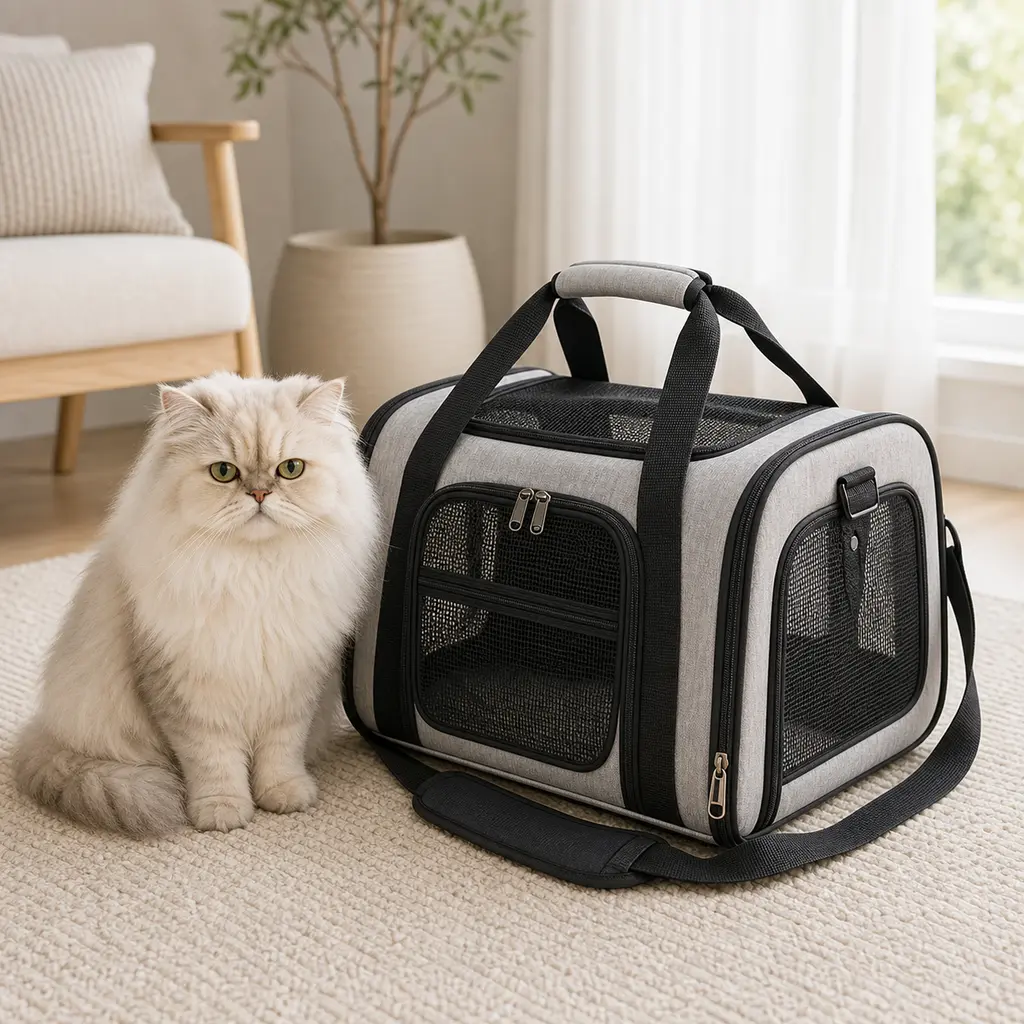
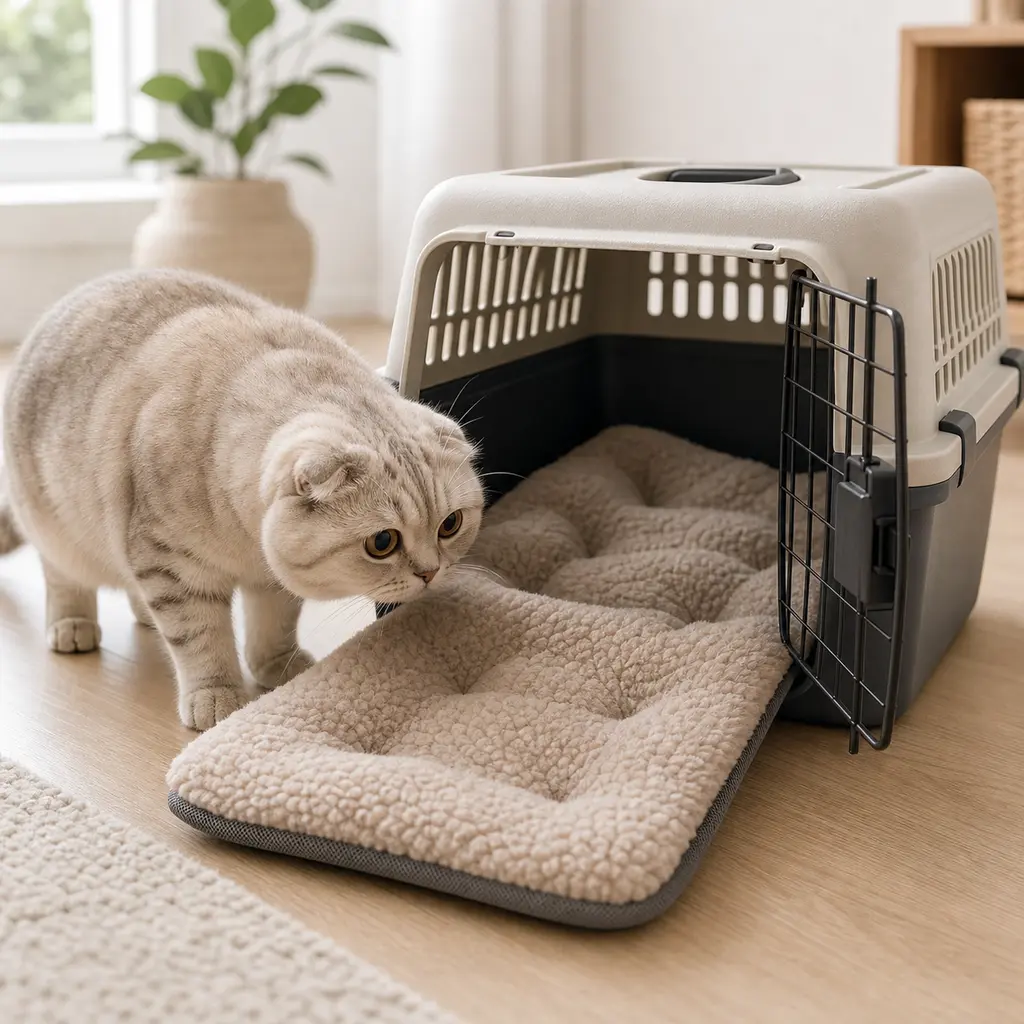
Travel gear works best when it is practiced before the trip, so the carrier, mat, harness, or reward pouch already feels familiar.
Affiliate links: Furball Cove may earn from qualifying purchases at no extra cost to you.
Many cats chew cardboard for texture, play, boredom, or attention, but eating pieces can cause trouble. Offer safer chew and play outlets, and watch for vomiting, appetite changes, or obsessive chewing.
When should I get help?
Call your veterinarian if your cat swallows cardboard, vomits, stops eating, strains, seems painful, or suddenly chews non-food items obsessively.