Updated

Cat health

My cat has dandruff on their back: what should I check?

Skin, coat, chin, smell, dandruff, or bald-spot changes are easiest to understand when you look under the fur instead of guessing from the surface.

Use this page to decide what to watch, what to write down, and when waiting is the wrong move.

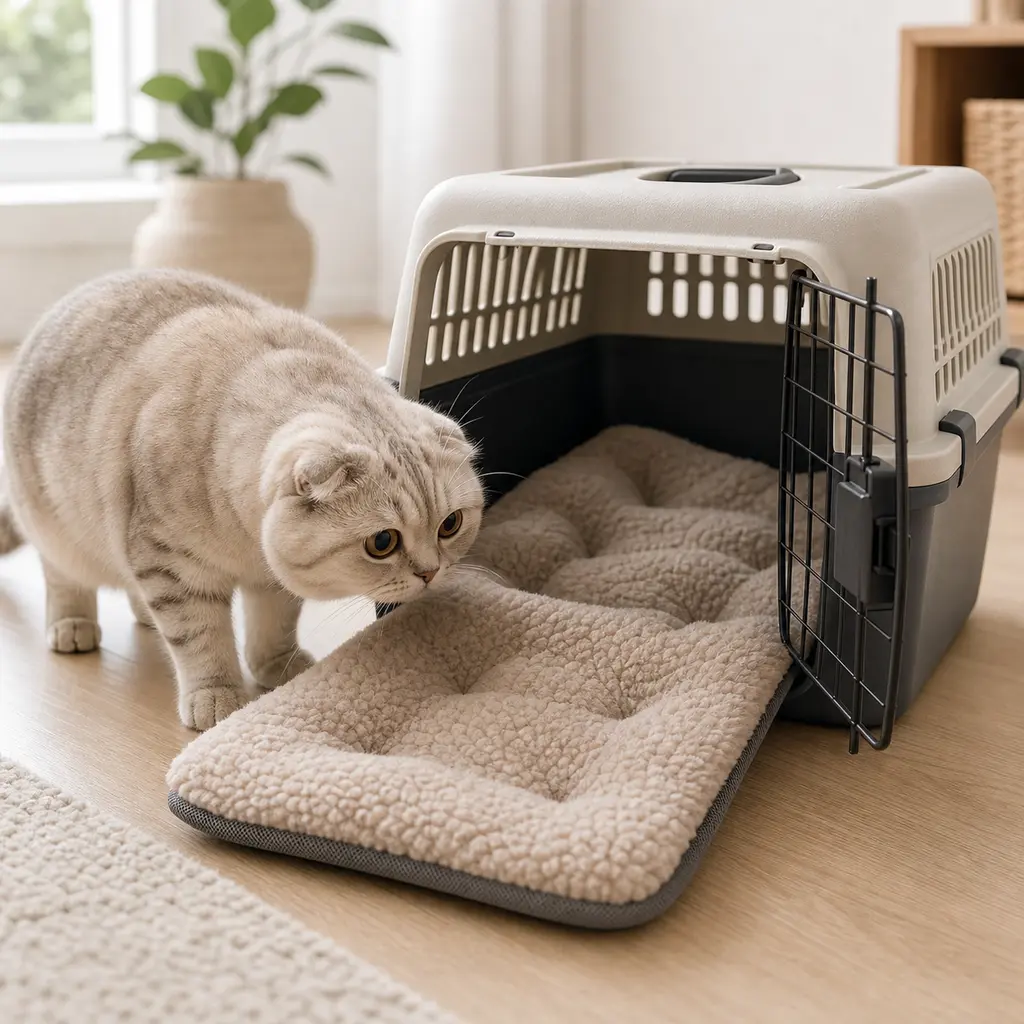
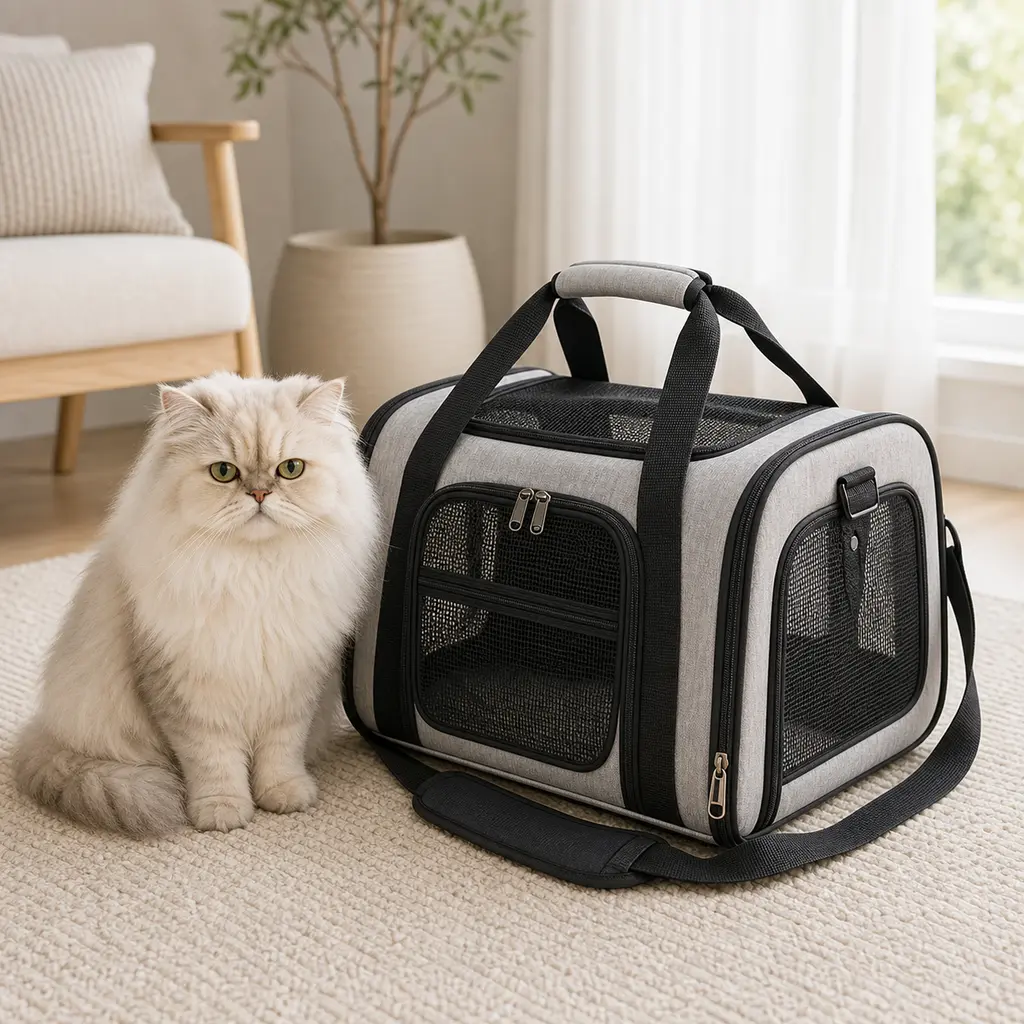
Soft-sided cat carrier for travel practice

What to notice at home

Use a calm grooming moment to check for fleas, flea dirt, scabs, redness, mats, oily spots, odor, acne-like chin debris, tender skin, and whether your cat is overgrooming.

Treat symptom pages as triage support, not a diagnosis. Appetite, water, urine, stool, breathing, mobility, gums, pain signs, and energy matter more than one isolated symptom word.


Cat vet records and appointment questions

What to do today

Avoid piling on shampoos, oils, or internet skin fixes. Keep photos, note where it started, and use gentle cleaning only when you know it is safe.

Write down timing, frequency, appetite, litter use, breathing, movement, and any trigger you saw. A short video is often more useful to your veterinarian than a long description.

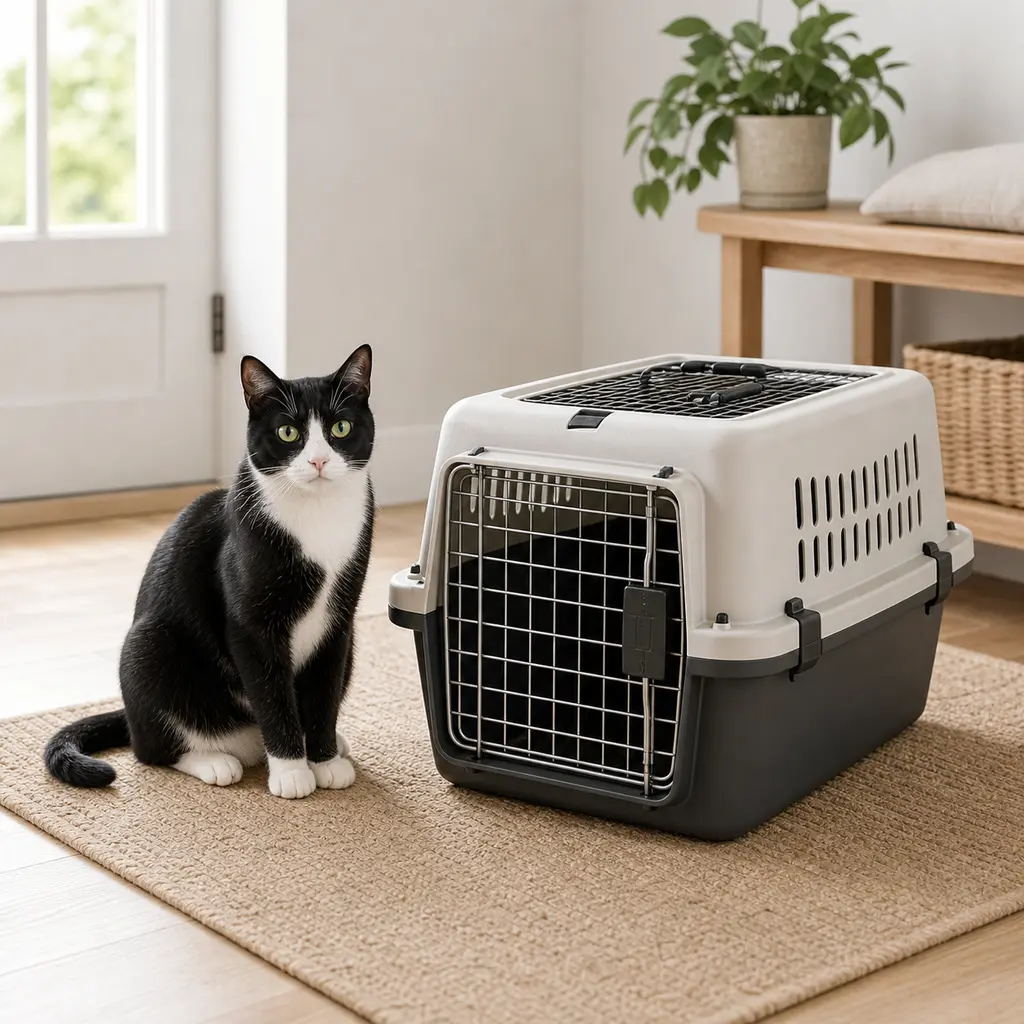
Cat sitting near a bright indoor window with safe home setup

What to tell your vet

Photos help. Note where the change started, whether it is spreading, flea dirt or scabs, odor, grooming changes, product changes, food changes, and whether skin looks painful.

Start by deciding whether this can wait. Breathing trouble, urine changes, appetite loss, severe pain, collapse, toxin exposure, or sudden decline means the next step is a vet call.

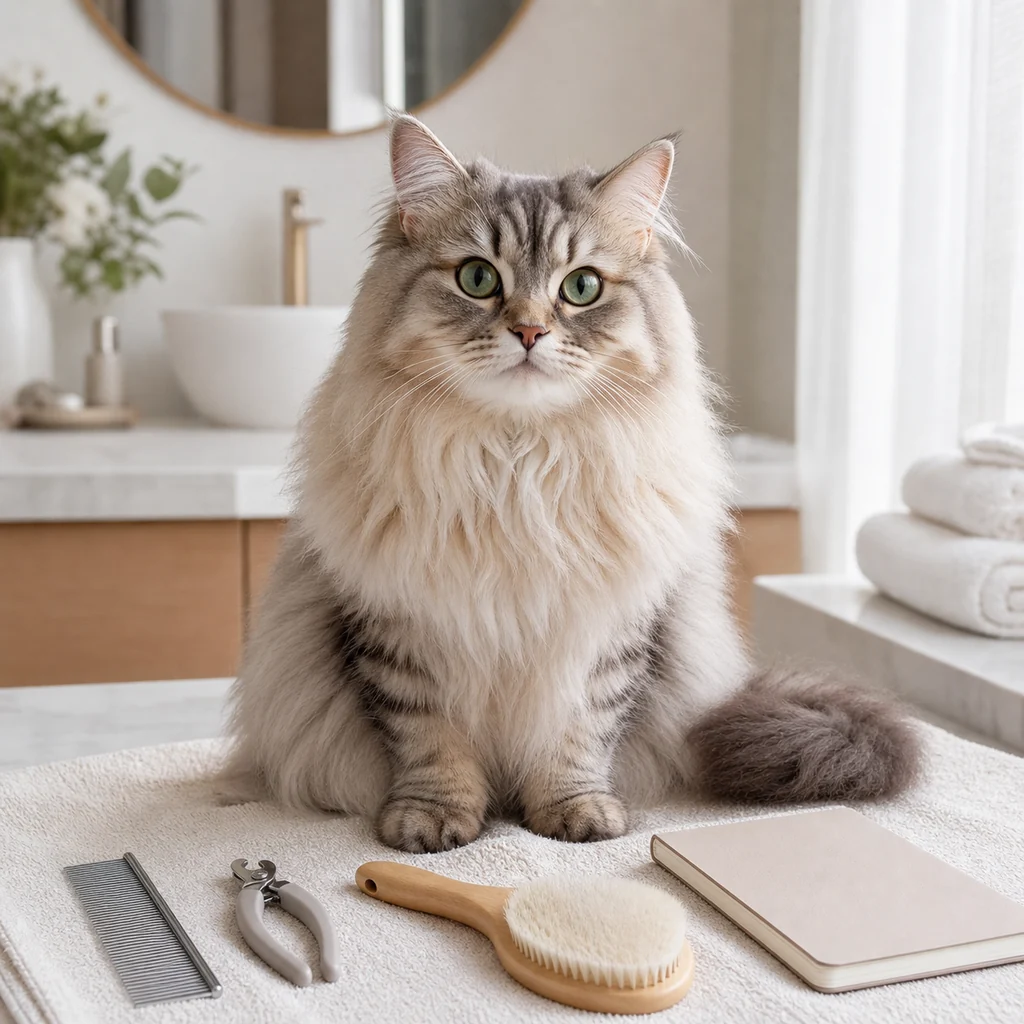
Cat beside grooming and health care tools

When to call sooner

Call your veterinarian for pain, spreading hair loss, open skin, swelling, strong odor, heavy scratching, fleas, sudden smell changes, or a cat who seems sick.

Do not monitor at home when breathing is hard, gums look pale or blue, the cat cannot stand, pain is obvious, appetite stops, urination changes, or symptoms escalate.

Before you decide

  • Is there redness, scabbing, flea dirt, odor, swelling, or open skin?
  • Is hair loss spreading or focused in one spot?
  • Is your cat scratching, licking, or grooming more than usual?
  • Did food, litter, cleaner, parasite prevention, or grooming change recently?

Next best moves

  • Take a photo so changes are easier to compare.
  • Avoid random shampoos, oils, or harsh cleaning.
  • Call your vet for pain, spreading hair loss, odor, open skin, or fleas.

Quick cat question

My cat has dandruff on their back: what should I check?

Skin, coat, chin, smell, dandruff, or bald-spot changes are easiest to understand when you look under the fur instead of guessing from the surface.

When should I get help?

Call your veterinarian for pain, spreading hair loss, open skin, swelling, strong odor, heavy scratching, fleas, sudden smell changes, or a cat who seems sick.

References