Updated

Cat health

My cat is drinking more but acting normal: should I call the vet?

More drinking, bigger litter clumps, or possible dehydration should be treated as a real pattern, not just a quirky water habit.

Use this page to decide what to watch, what to write down, and when waiting is the wrong move.

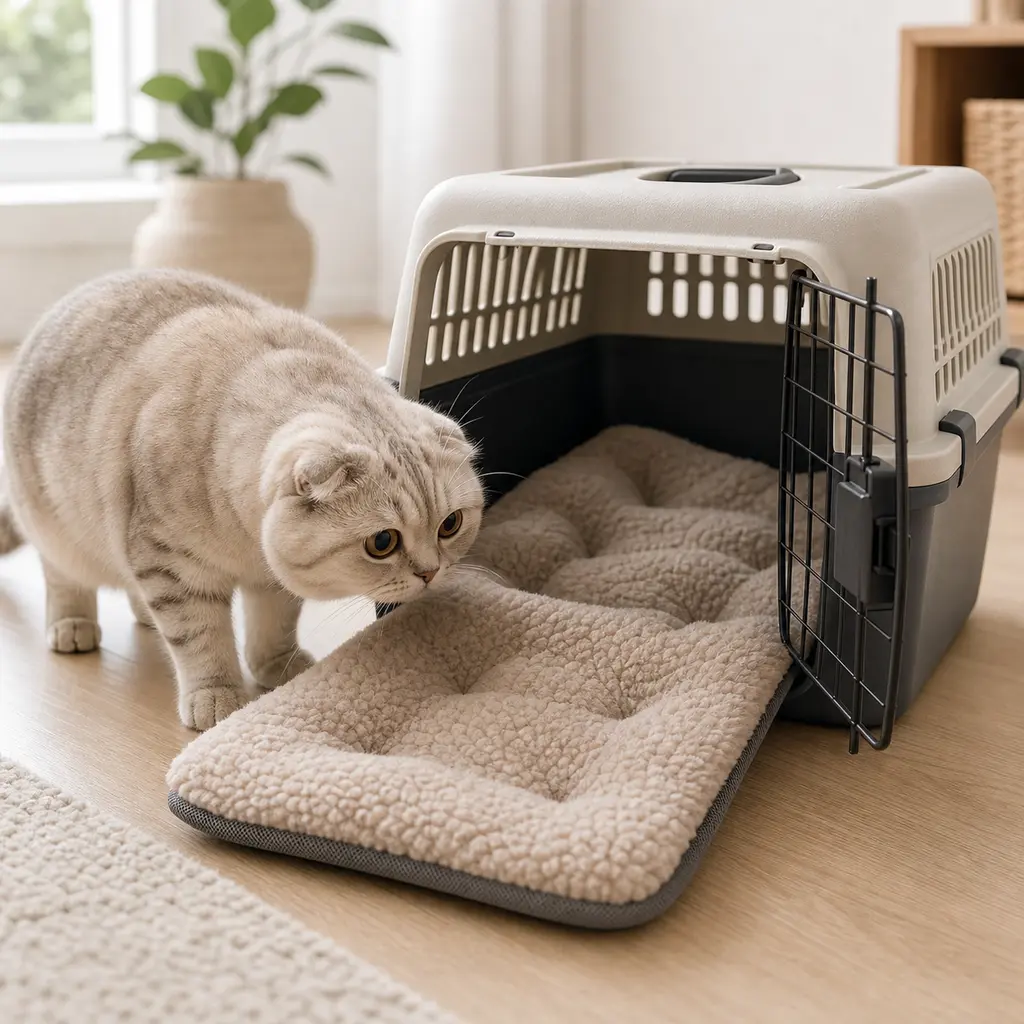
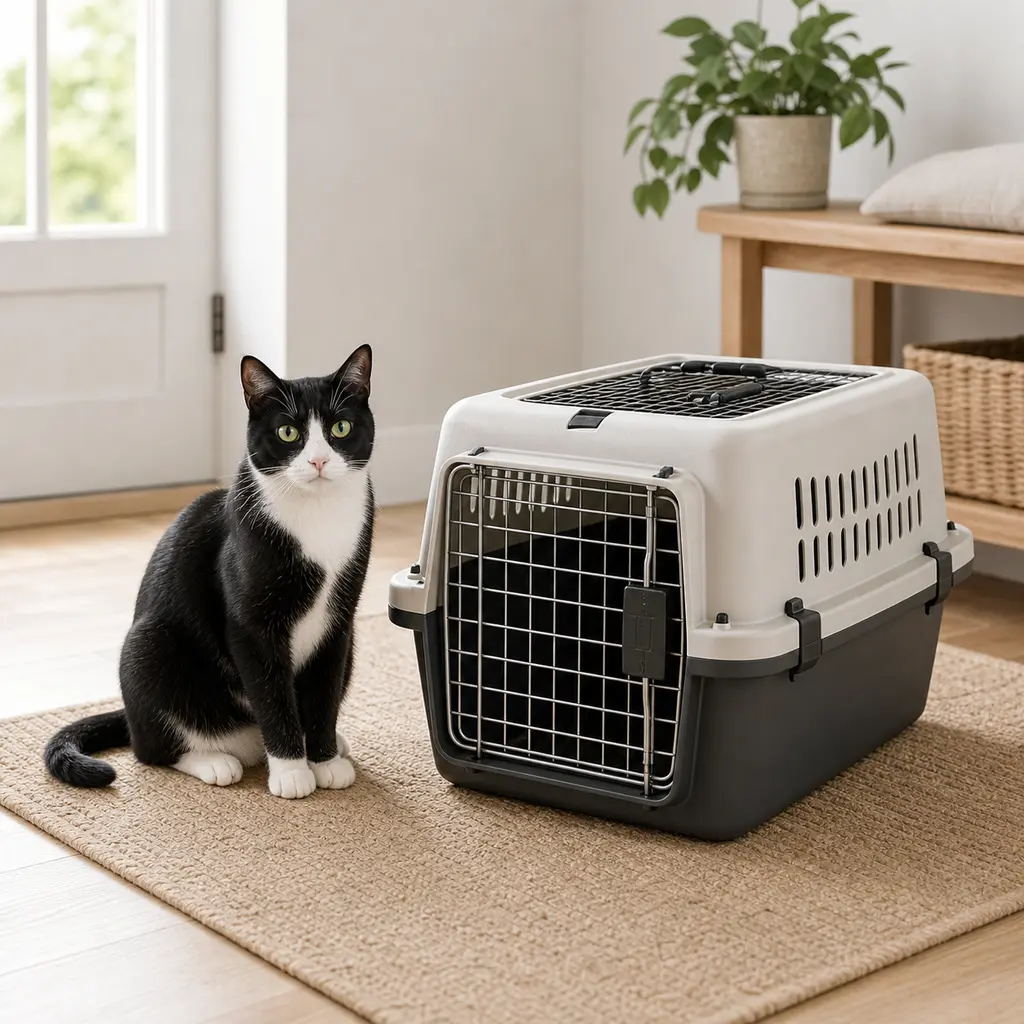
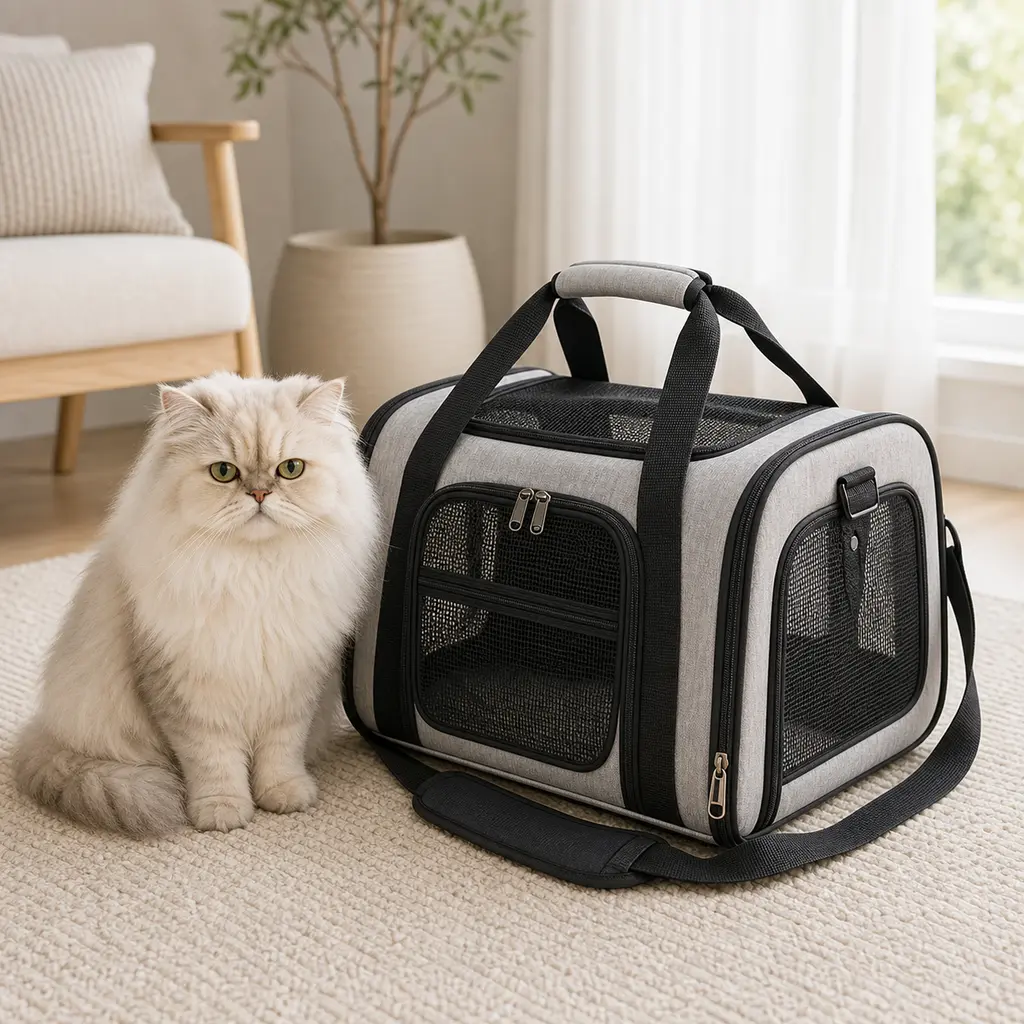
Soft-sided cat carrier for travel practice

What to notice at home

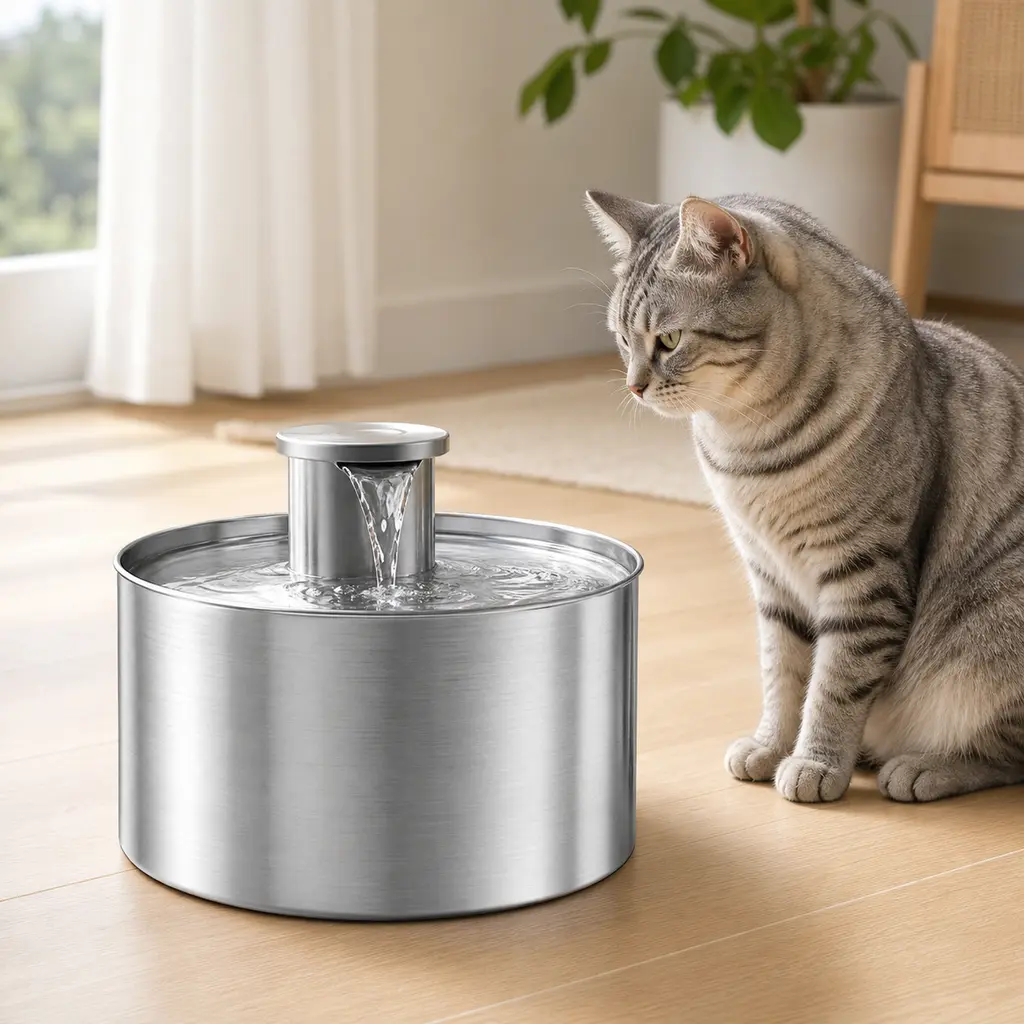
Track the water bowl and litter box together for your vet: refills, fountain level, clump size, appetite, weight, vomiting, diarrhea, gums, energy, and whether other pets share the setup.

Treat symptom pages as triage support, not a diagnosis. Appetite, water, urine, stool, breathing, mobility, gums, pain signs, and energy matter more than one isolated symptom word.
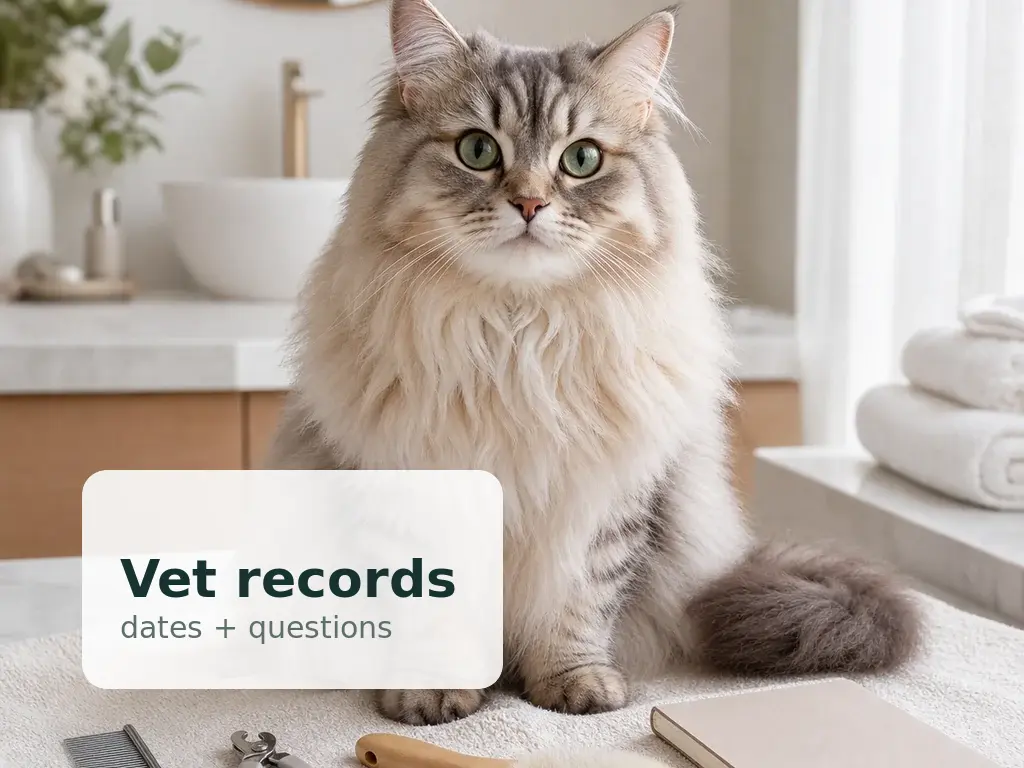
Cat vet records and appointment questions

What to do today

Do not restrict water. Write down what changed, keep food and litter routines steady, and schedule a vet conversation for new or persistent thirst changes.

Write down timing, frequency, appetite, litter use, breathing, movement, and any trigger you saw. A short video is often more useful to your veterinarian than a long description.

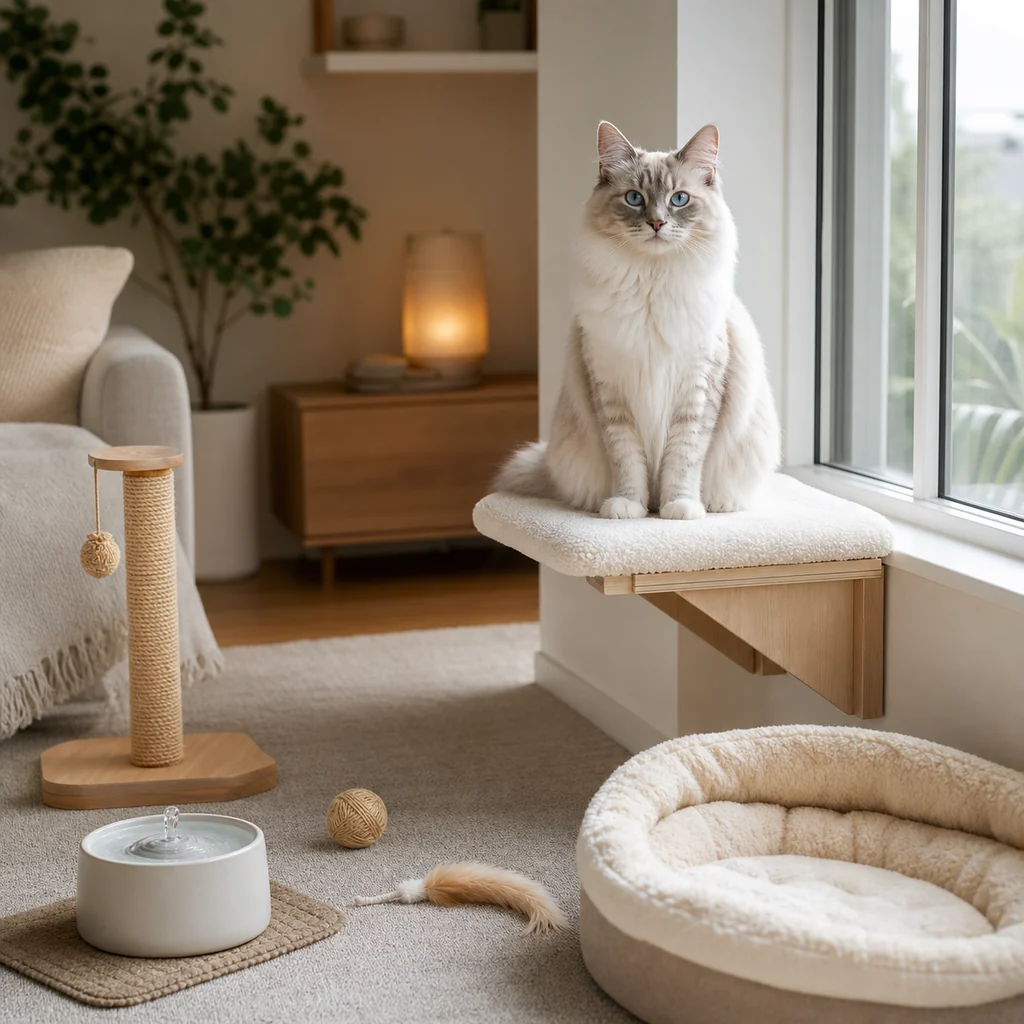
Cat sitting near a bright indoor window with safe home setup

What to tell your vet

Write down water refills, fountain changes, litter clump size, food type, appetite, weight, vomiting, diarrhea, energy, and whether other pets share the bowls or boxes.

Start by deciding whether this can wait. Breathing trouble, urine changes, appetite loss, severe pain, collapse, toxin exposure, or sudden decline means the next step is a vet call.

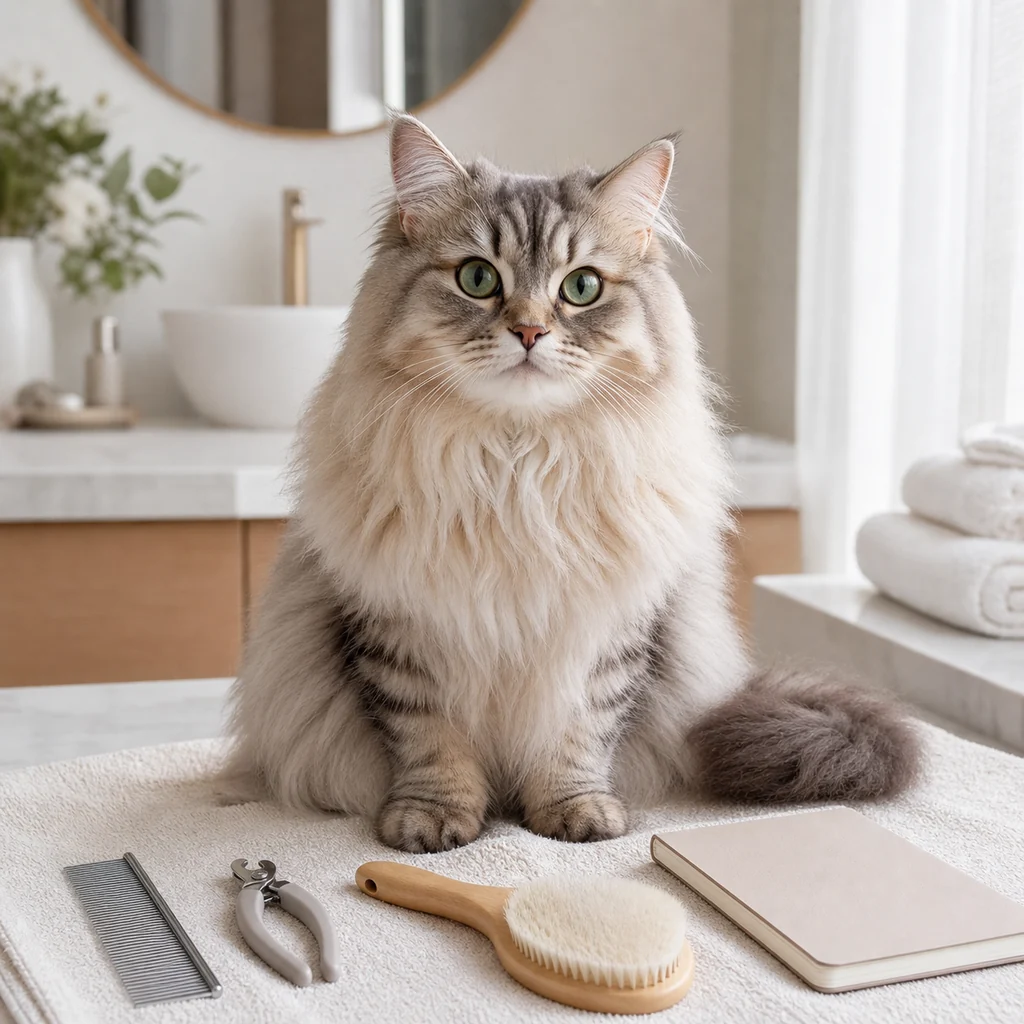
Cat beside grooming and health care tools

When to call sooner

Call your veterinarian sooner if increased drinking comes with weakness, vomiting, appetite loss, rapid weight loss, pain, diarrhea, dehydration concern, or a cat who seems unlike themselves.

Do not monitor at home when breathing is hard, gums look pale or blue, the cat cannot stand, pain is obvious, appetite stops, urination changes, or symptoms escalate.

Before you decide

  • Are litter clumps larger or more frequent?
  • Any weight loss, appetite change, vomiting, diarrhea, or weakness?
  • Did food type, weather, or household water access change?
  • Can you tell this cat's water and litter pattern apart from other pets?

Next best moves

  • Track refills and clump changes.
  • Do not restrict water.
  • Schedule a vet conversation for new or persistent thirst changes.

Quick cat question

My cat is drinking more but acting normal: should I call the vet?

More drinking, bigger litter clumps, or possible dehydration should be treated as a real pattern, not just a quirky water habit.

When should I get help?

Call your veterinarian sooner if increased drinking comes with weakness, vomiting, appetite loss, rapid weight loss, pain, diarrhea, dehydration concern, or a cat who seems unlike themselves.

References