Updated

Cat health

My cat drools after eating: what should I watch?

Bad breath, drooling, changed chewing, or a hoarse voice can point to mouth, throat, dental, nausea, or breathing discomfort.

Use this page to decide what to watch, what to write down, and when waiting is the wrong move.

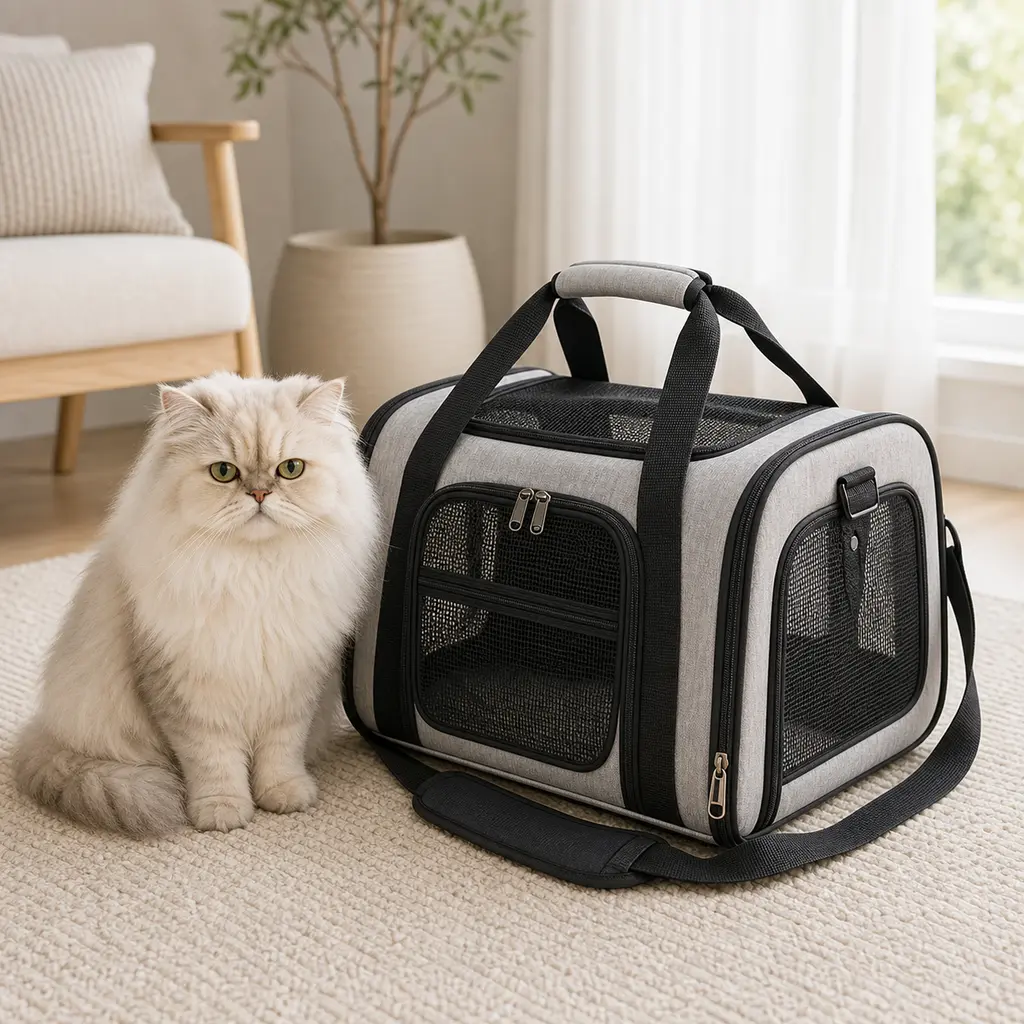
Soft-sided cat carrier for travel practice

What to notice at home

Watch the bowl and face: dropped food, chewing on one side, pawing at the mouth, red gums, swelling, heavy drool, voice changes, appetite, and weight.

Treat symptom pages as triage support, not a diagnosis. Appetite, water, urine, stool, breathing, mobility, gums, pain signs, and energy matter more than one isolated symptom word.


Cat vet records and appointment questions

What to do today

Do not pry at a painful mouth. Offer normal food as tolerated, record the pattern, and ask your vet what dental or throat check makes sense.

Write down timing, frequency, appetite, litter use, breathing, movement, and any trigger you saw. A short video is often more useful to your veterinarian than a long description.

Cat sitting near a bright indoor window with safe home setup

What to tell your vet

Useful details are breath change, drooling, dropped food, chewing side, gum color, facial swelling, voice change, appetite, weight, and whether your cat resists face touch.

Start by deciding whether this can wait. Breathing trouble, urine changes, appetite loss, severe pain, collapse, toxin exposure, or sudden decline means the next step is a vet call.

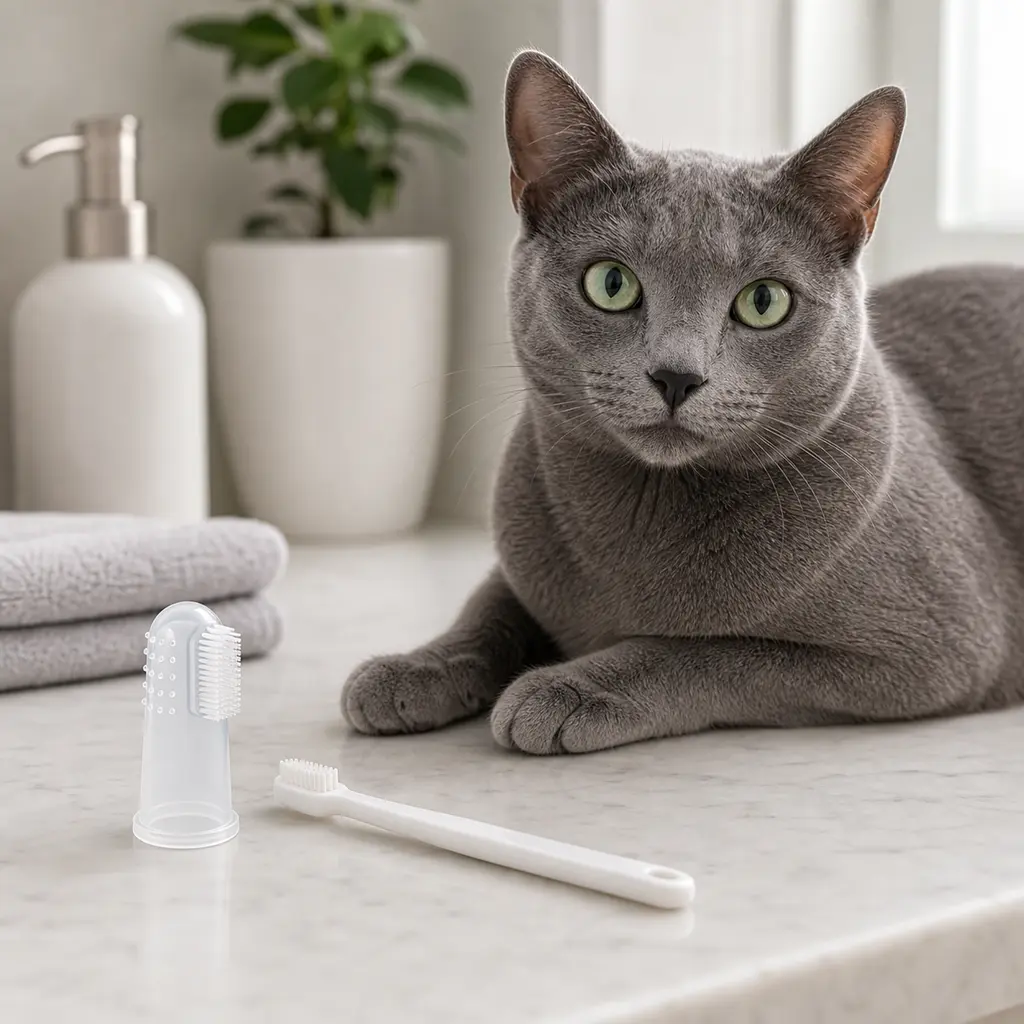
Cat beside grooming and health care tools

When to call sooner

Call your veterinarian if your cat cannot eat comfortably, drools heavily, bleeds, has facial swelling, struggles to breathe, loses appetite, or seems painful.

Do not monitor at home when breathing is hard, gums look pale or blue, the cat cannot stand, pain is obvious, appetite stops, urination changes, or symptoms escalate.

Before you decide

  • Any drooling, dropped food, pawing, bleeding, swelling, or red gums?
  • Is your cat avoiding hard food or eating less?
  • Does face touch, chewing, or swallowing suddenly bother them?
  • Has weight, grooming, voice, or breath changed too?

Next best moves

  • Do not force a painful mouth open.
  • Note chewing, drooling, breath, and dropped food.
  • Ask your vet about a dental or throat check.

Quick cat question

My cat drools after eating: what should I watch?

Bad breath, drooling, changed chewing, or a hoarse voice can point to mouth, throat, dental, nausea, or breathing discomfort.

When should I get help?

Call your veterinarian if your cat cannot eat comfortably, drools heavily, bleeds, has facial swelling, struggles to breathe, loses appetite, or seems painful.

References