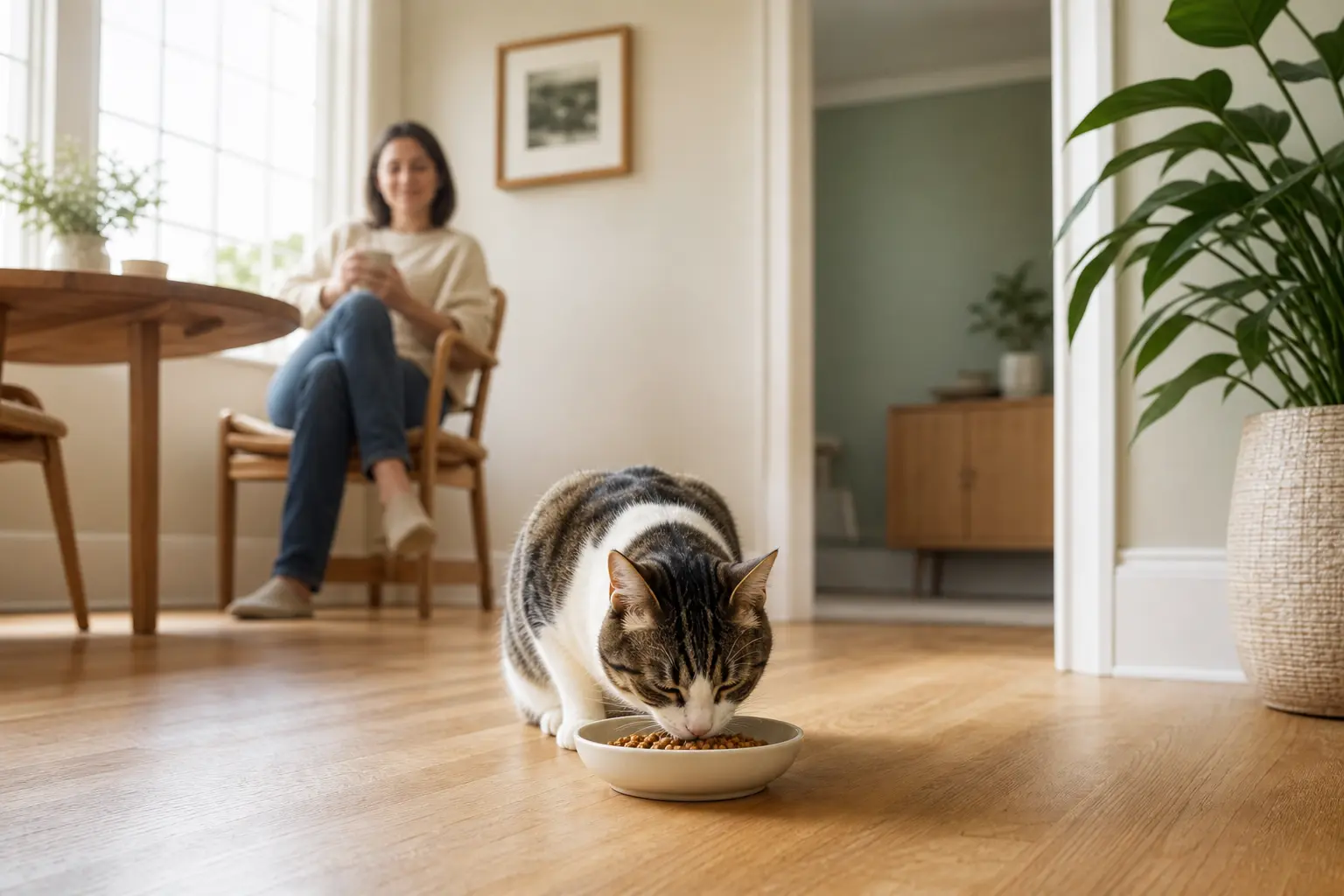
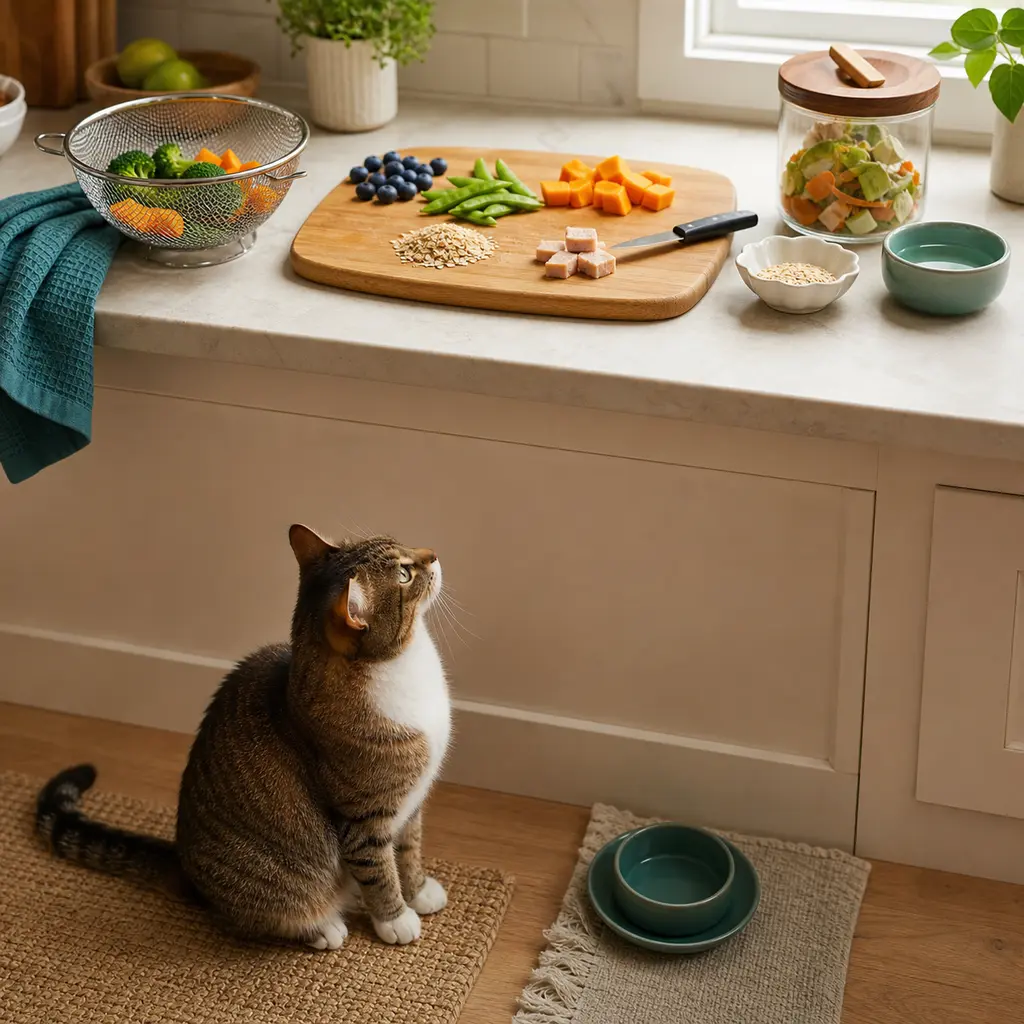
Your cat may eat only when you are nearby because you make the room feel safer, keep another pet at a distance, or signal that dinner has officially started. Check that your cat is eating enough overall, then make the feeding spot calmer and ease away in small steps.
Think of your presence as a clue, not a bad habit to break overnight. Watch what happens when you leave: does another cat appear, does an appliance start, or does your cat simply follow the familiar dinner routine?
Find out what your presence changes
Watch one normal meal without coaxing. Does your cat begin as soon as you sit down, keep looking toward a doorway, stop when another pet approaches, or follow when you leave? Those details tell you whether your company means safety, protection, or simply the usual dinner cue.
Make the feeding spot feel protected
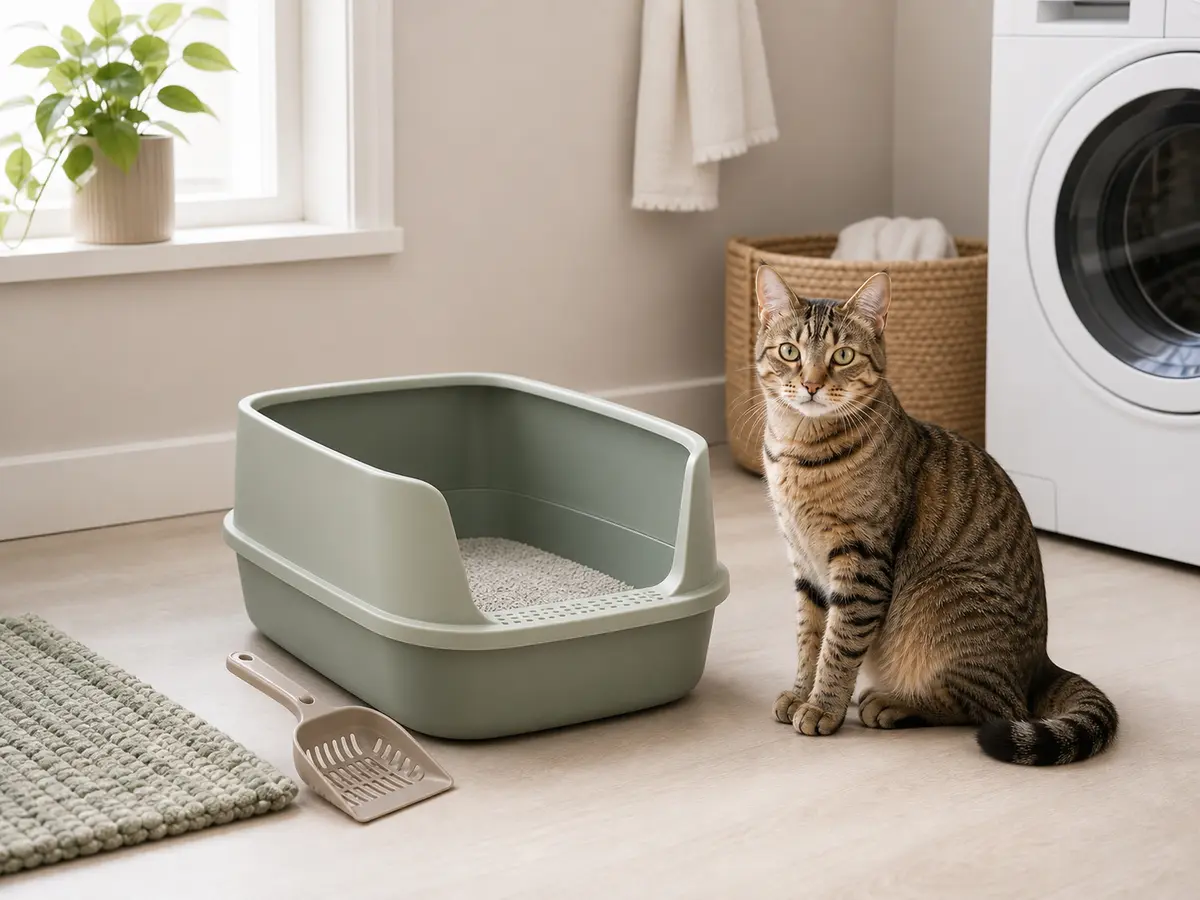
Put the bowl in a quiet place where your cat can see the room and cannot be cornered. Feed other pets separately, keep litter boxes away from meals, and avoid washing machines, foot traffic, or sudden handling while your cat eats.
Step away a little at a time
Stay for the first few bites, then move one step away and remain calm. When that feels ordinary, increase the distance or leave for a few seconds. If your cat stops eating, return to the last easy distance instead of waiting them out.
Keep an eye on the amount eaten
A cat can look interested in food and still eat too little. Note what you serve and what remains. If weight, vomiting, stool, water intake, or energy has changed, call your veterinarian instead of treating this as a training problem. The goal is a comfortable meal, not a contest to see who gives in first.
Know when this is more than a habit
Call your veterinarian if the change was sudden, your cat eats less across the day, loses weight, drools, drops food, vomits, hides, or seems painful. Cats should not go without eating while you try to retrain the routine.
Before you decide
How much does your cat actually eat in 24 hours?
Does another pet, noise, traffic, or a hard-to-escape corner make the bowl feel unsafe?
Will your cat keep eating if you move one step away or stay visible across the room?
Did this start suddenly, or come with weight, mouth, stomach, litter, or energy changes?
Next best moves
Set up one quiet, protected feeding station.
Increase your distance in small steps while meals remain normal.
Call your veterinarian if intake drops, the change is sudden, or other symptoms appear.
Helpful supplies
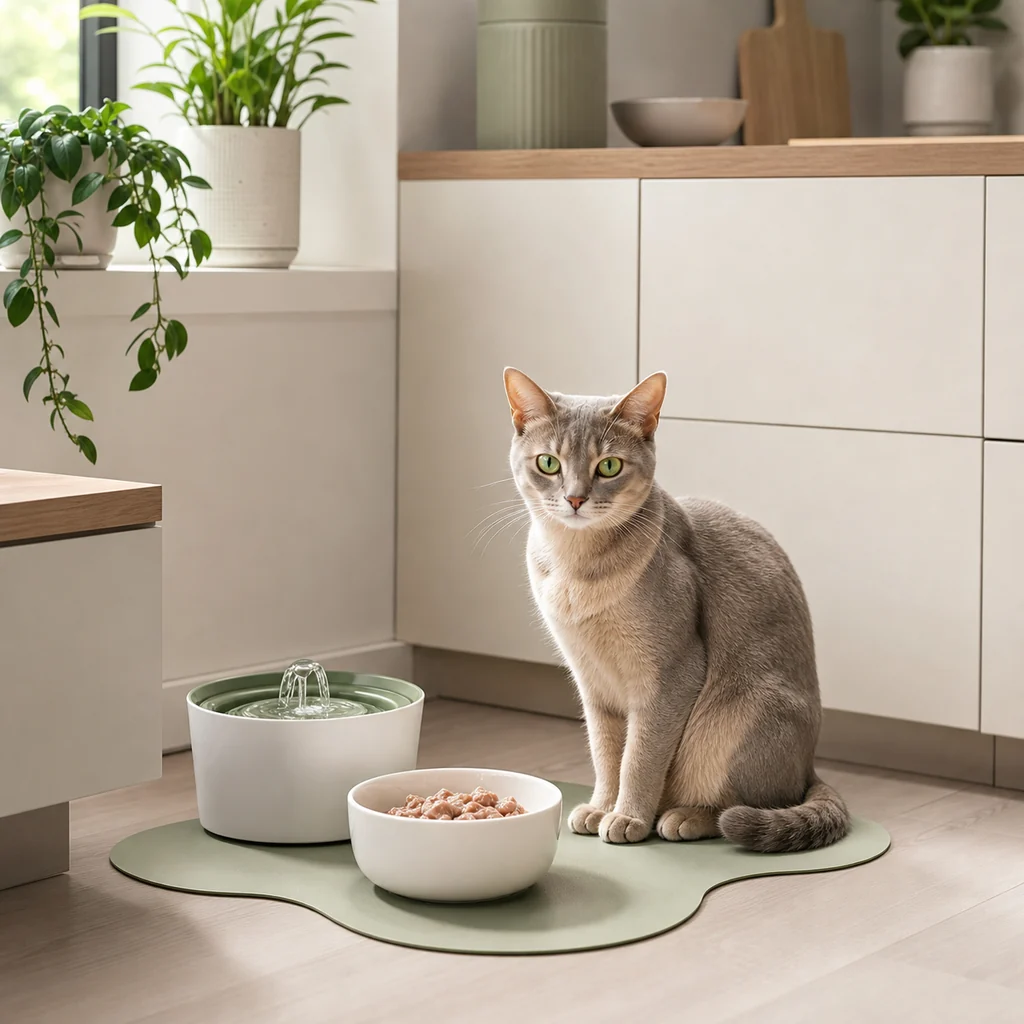
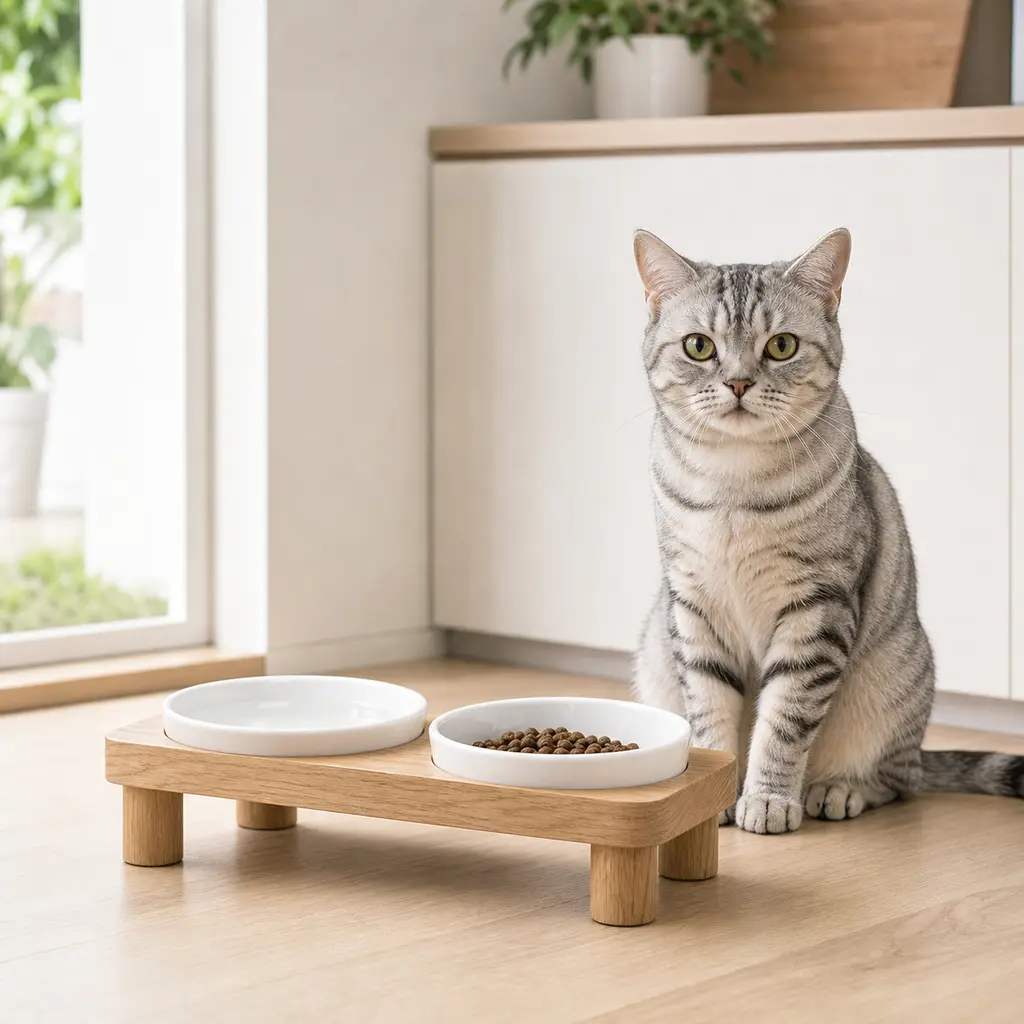
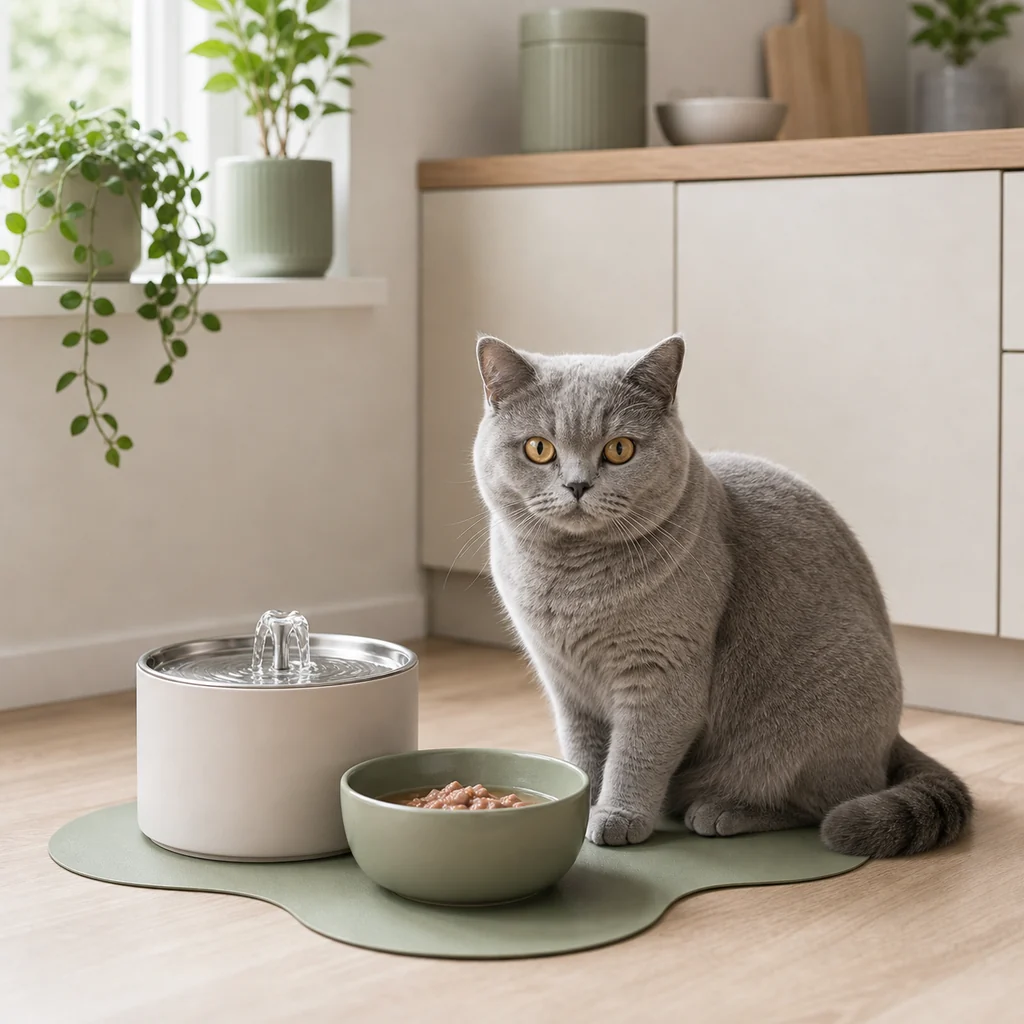
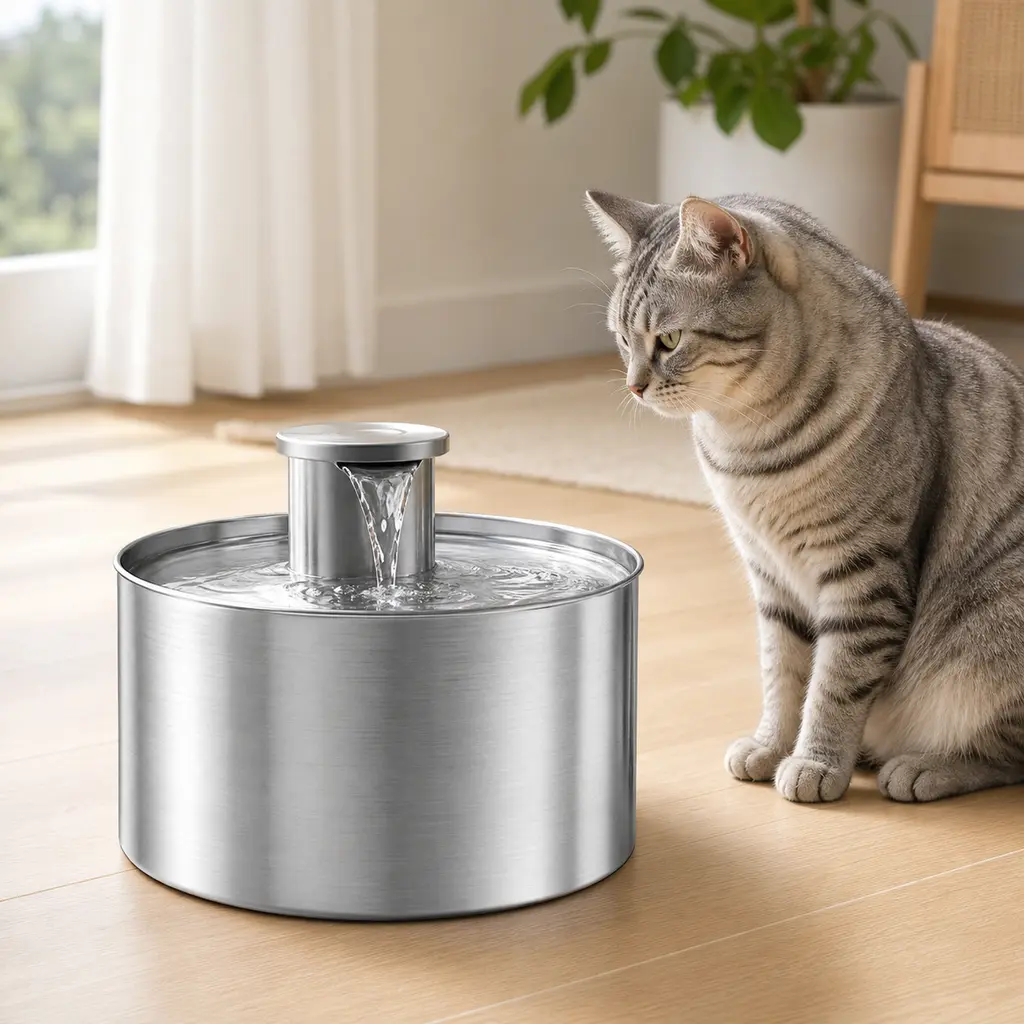
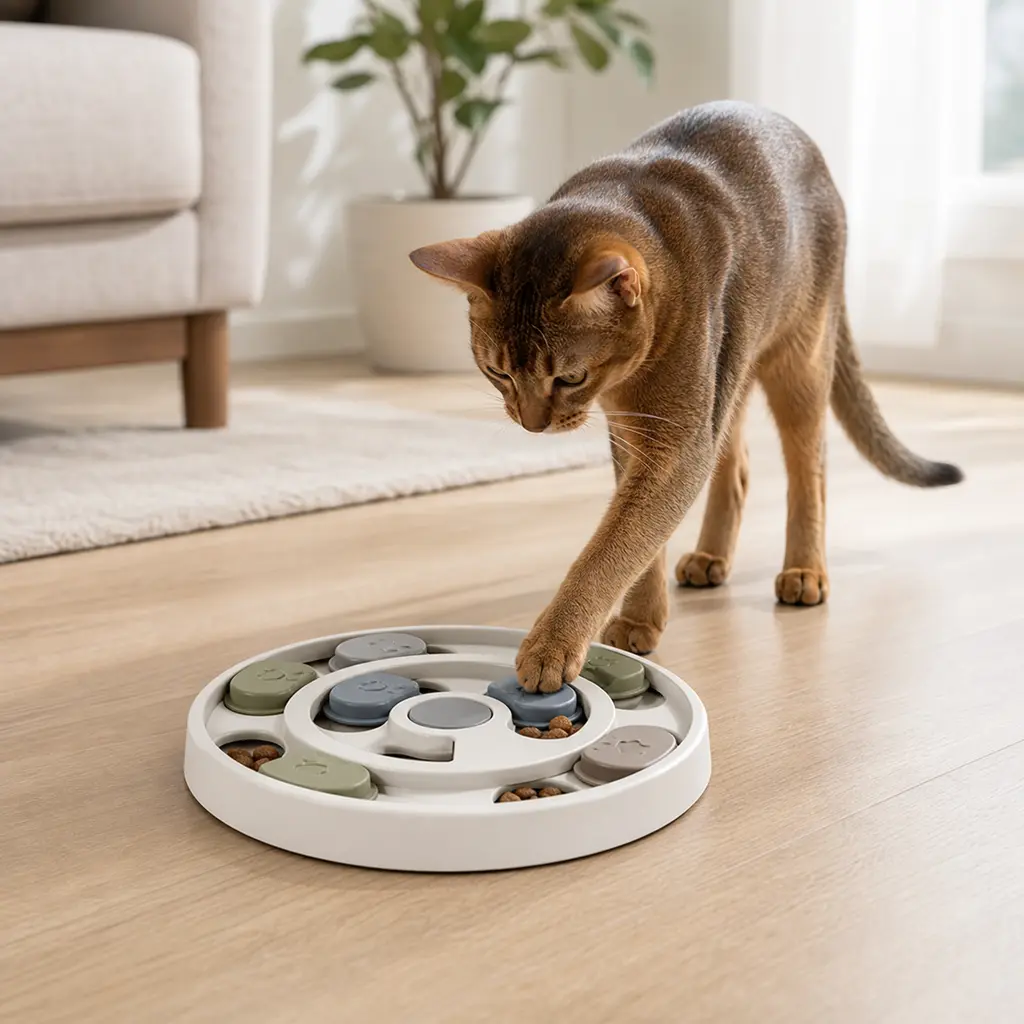
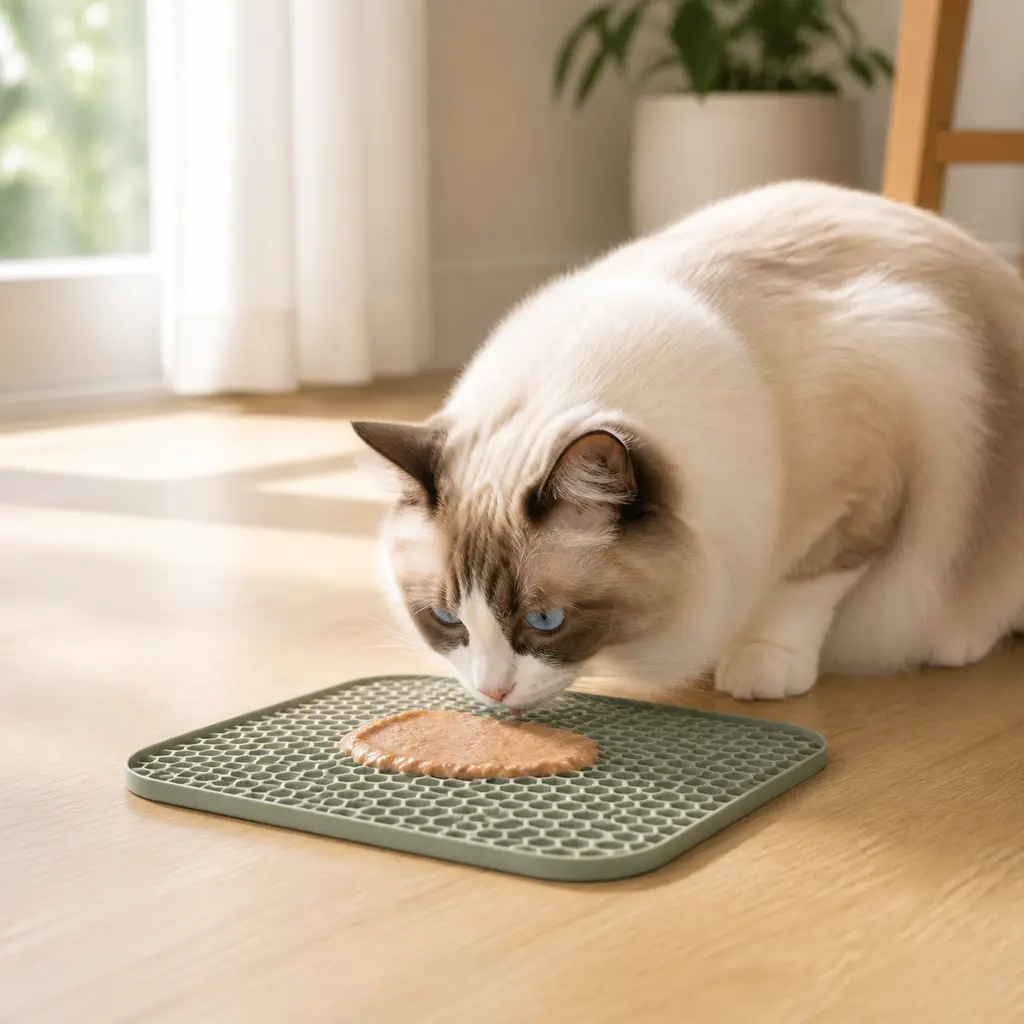
A stable meal station can remove a few common distractions. Choose only what solves a problem you actually observed; a new bowl cannot fix pain, nausea, or a cat who is not eating enough.
Affiliate links: Furball Cove may earn from qualifying purchases at no extra cost to you.
Your presence may make the feeding area feel safe, keep another pet away, or signal that the familiar meal routine has started. Watch what makes your cat stop eating before you change the setup.
Should I leave my cat alone until they eat?
No. Reduce your help gradually while confirming that your cat keeps eating a normal amount. Call your veterinarian if intake drops or the behavior changed suddenly.