Comb before mats win
A steel comb finds tangles early, especially behind ears, under legs, and around collars. Stop before the cat is irritated. Start with one change, then leave the room predictable enough for your cat to investigate.
Updated
Grooming tools
The best grooming tool is the one that matches the coat and keeps sessions short enough to stay friendly.
Grooming should not feel like a weekly wrestling match. Small, calm checks prevent bigger coat and nail problems. Think of supplies as invitations, not decorations. Put the useful things where your cat already feels safe enough to try them.
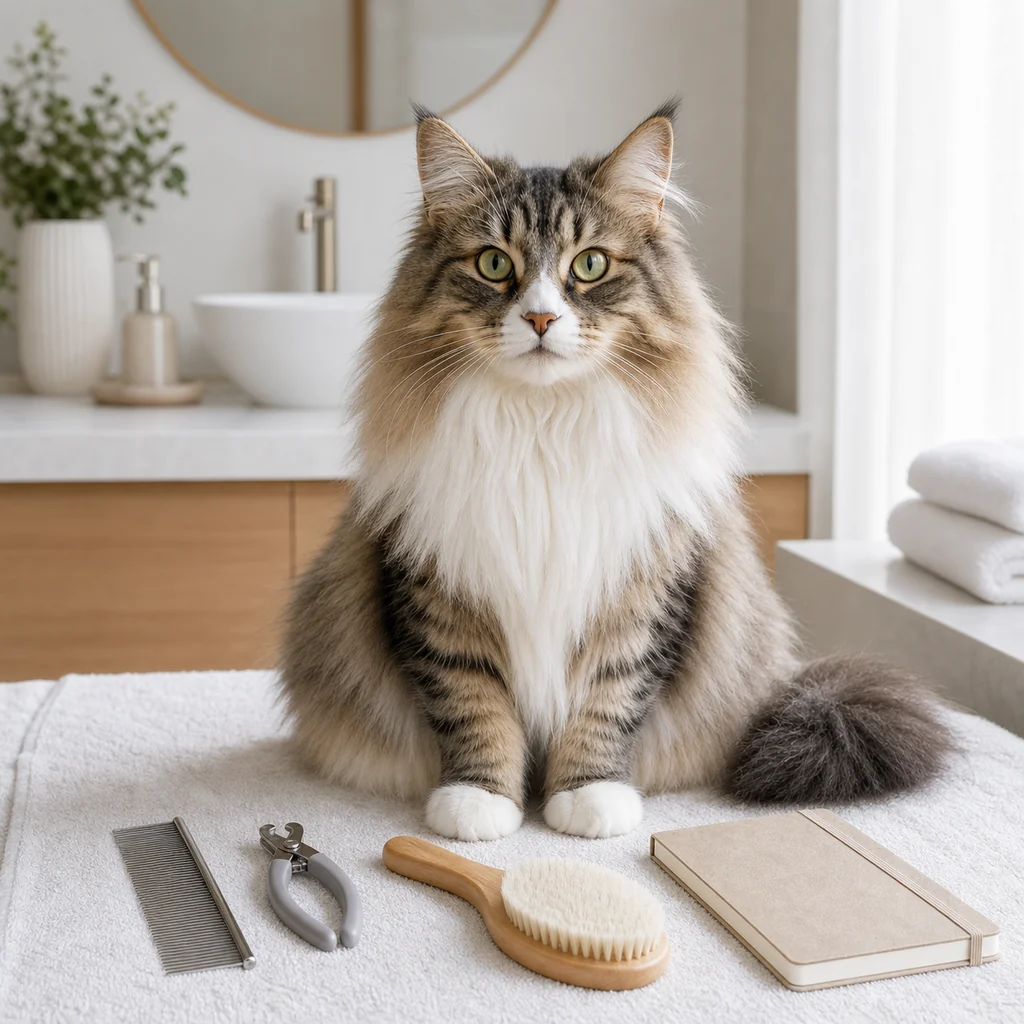
A steel comb finds tangles early, especially behind ears, under legs, and around collars. Stop before the cat is irritated. Start with one change, then leave the room predictable enough for your cat to investigate.
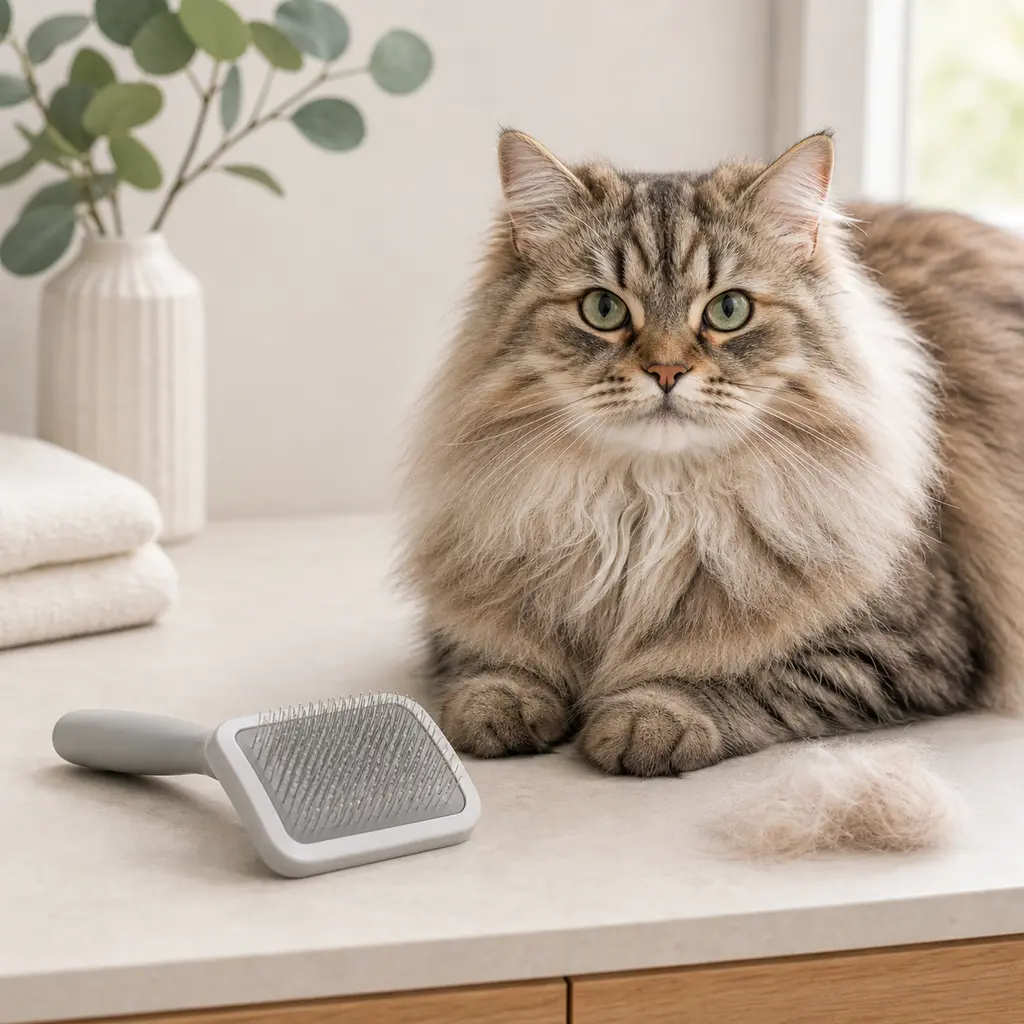
A slicker brush can help fluffy coats, but pressure matters. Keep the touch light, brush in the direction the coat wants to lie, and reward cooperation before your cat decides the session is over.
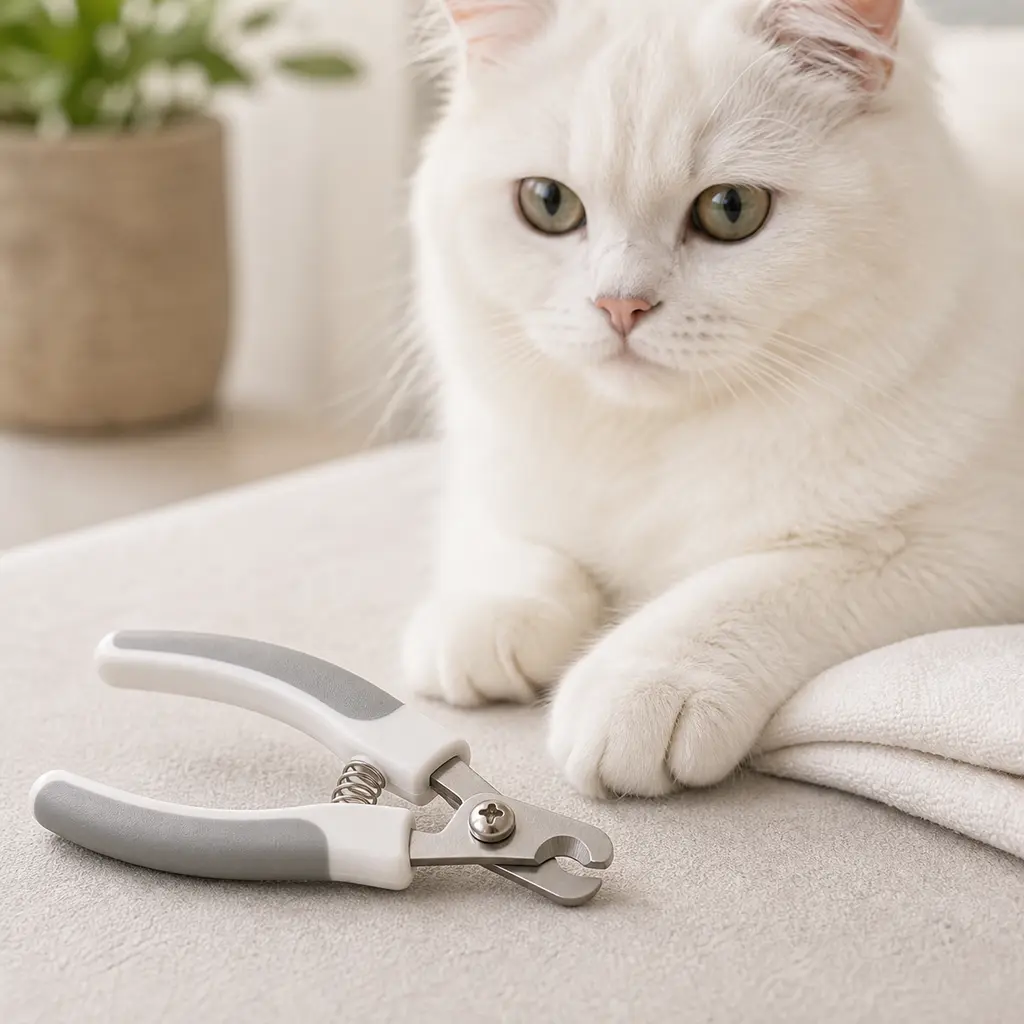
Touch the paw, reward, stop. Later press gently, reward, stop. Trim tiny tips only when the cat is calm enough for a clean moment, and leave a harder paw for another day.
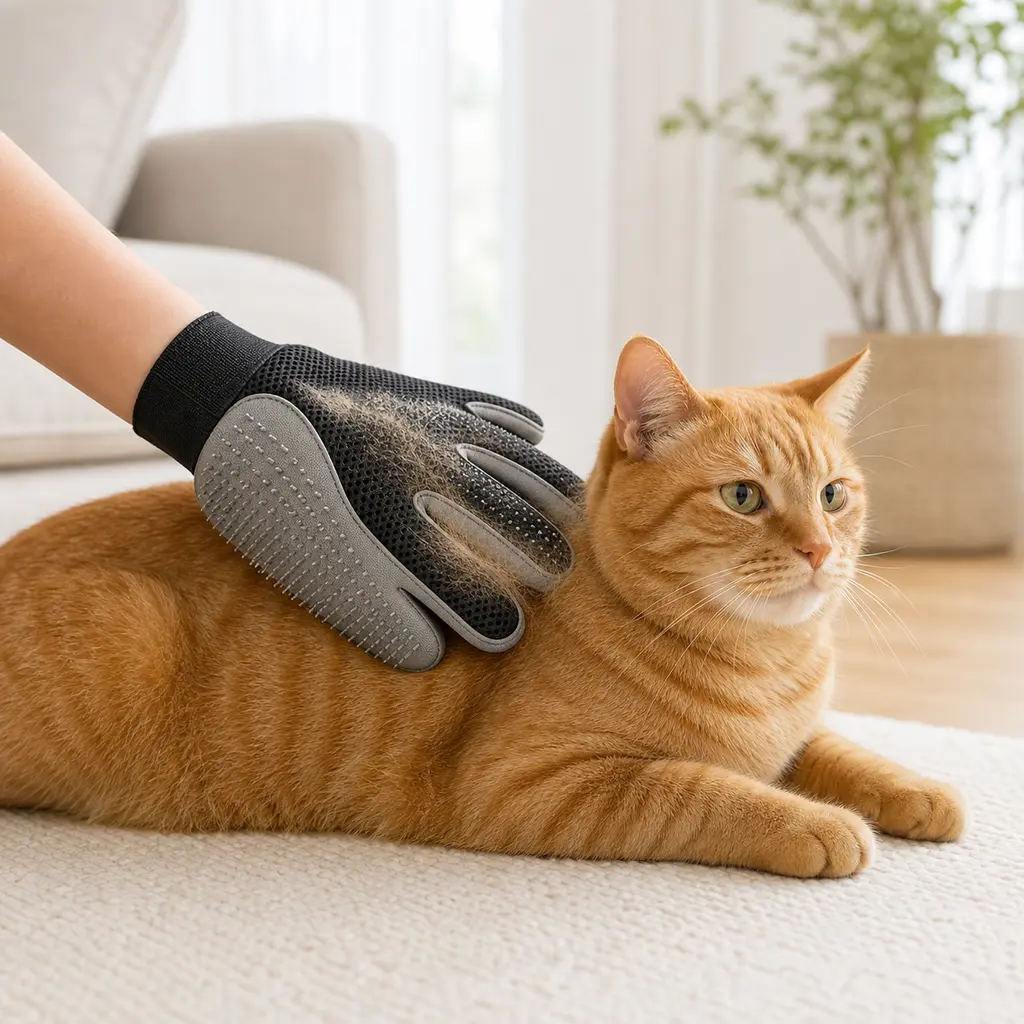
Grooming time is also check time. Lumps, sore spots, fleas, flakes, sudden hair loss, or painful mats deserve a vet or groomer conversation. Call your vet if skin looks painful, smells bad, bleeds, or changes suddenly.
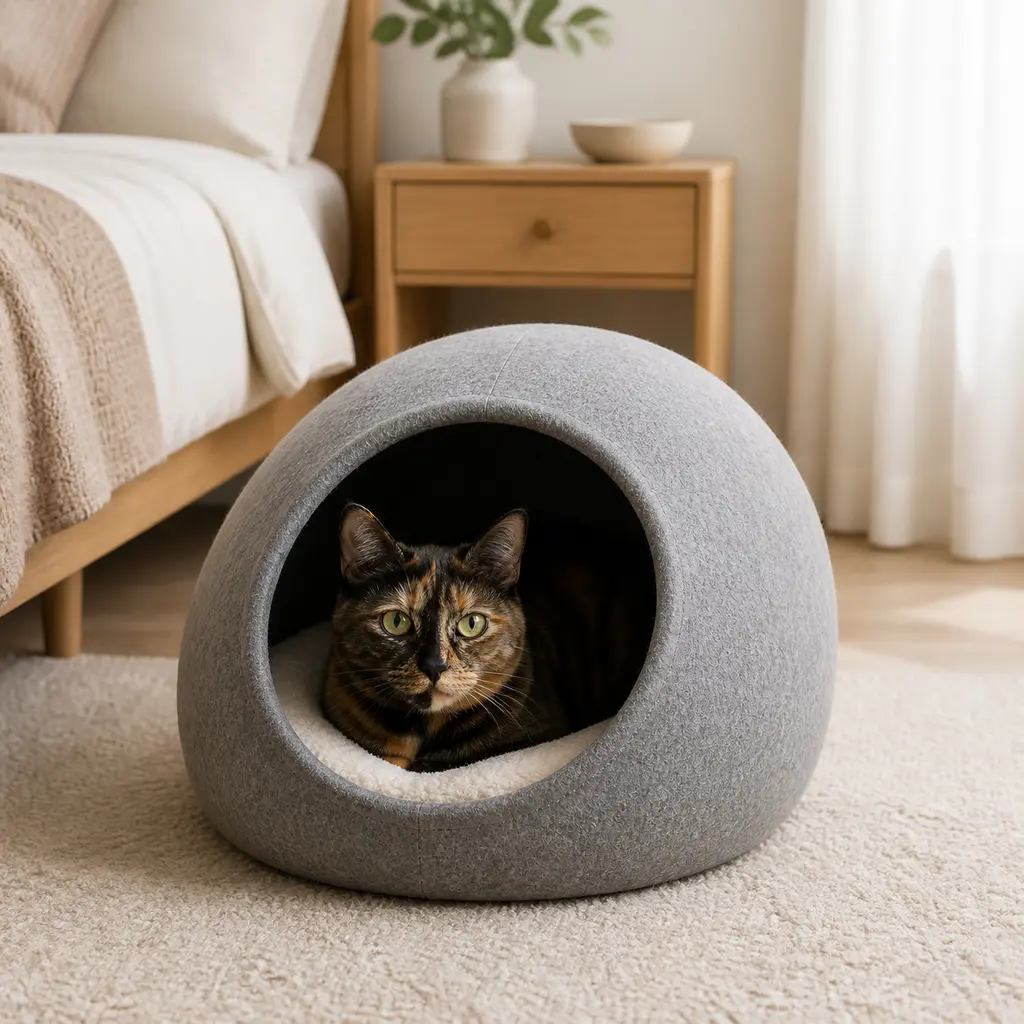
After adding cat grooming tools, keep the rest of the room predictable for a few days. Cats often need a little time to sniff, rub, circle, ignore, and return before they decide a new object belongs there.
For cat grooming tools, a few well-placed pieces beat a crowded room your cat has to navigate.
Affiliate links: Furball Cove may earn from qualifying purchases at no extra cost to you.
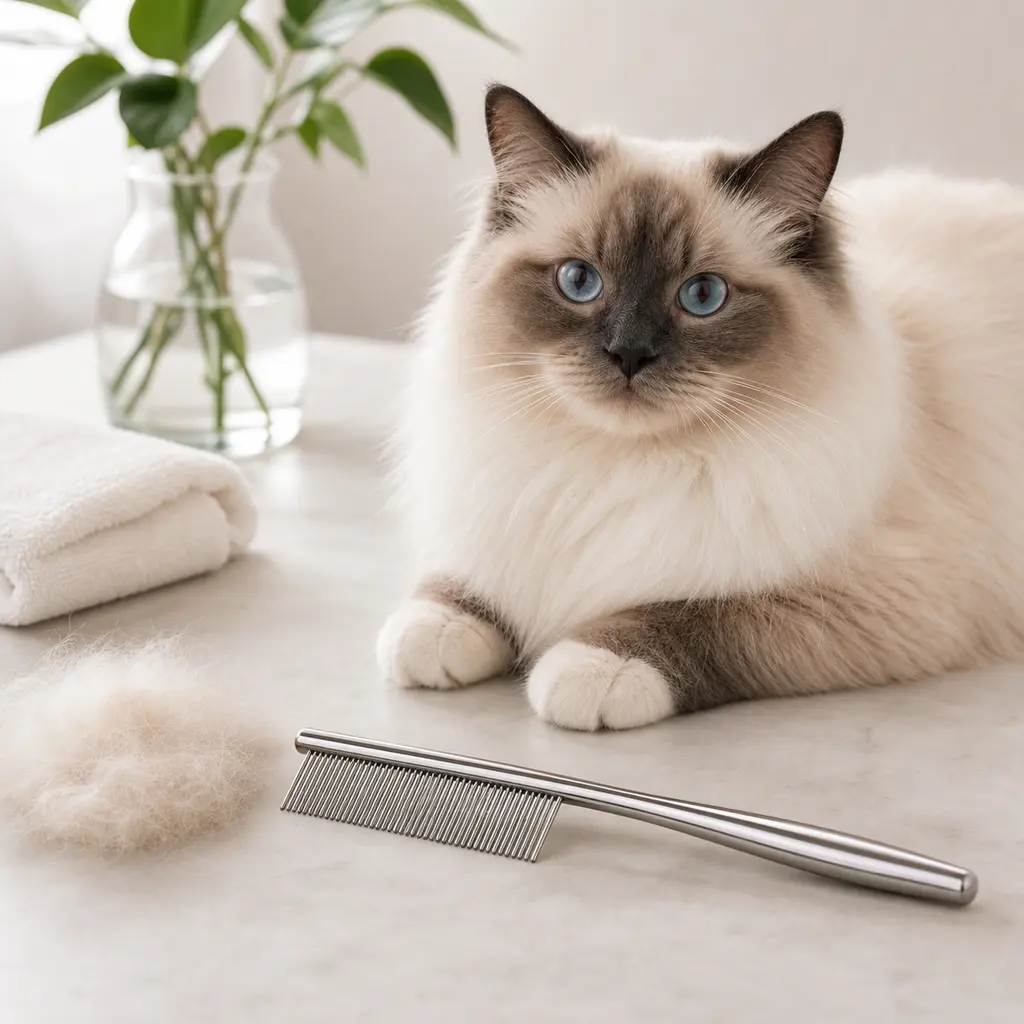
This earns its spot in cat grooming tools because it can separate fluff gently so you can see whether mats are starting.
Cat Grooming Tools works better when the setup can lift loose coat when fluffy cats need short, rewarded brushing sessions.
This earns its spot in cat grooming tools because it can give you a small, sharp tool for trims that need to stay calm.
Cat Grooming Tools works better when the setup can help you notice skin, bumps, or sensitivity during ordinary touch.
A grooming tool is working when you can use it briefly without chasing, pinning, or turning the session into a fight. The coat should feel easier to check, and your cat should still be willing to come back later.
Ask a groomer or veterinarian for tight mats, painful skin, sudden bald spots, sores, fleas, or coat changes that do not feel normal for your cat. Some problems need skilled hands, not a stronger brush.