Separate hairballs from vomiting
An occasional hairball is different from repeated vomiting, retching without hair, coughing, weight loss, appetite loss, or a cat who seems distressed.
Updated
Hairballs
Hairball food may help some cats, but frequent vomiting is not a food-shopping problem.
A hairball now and then is one thing. Frequent vomiting, appetite changes, weight loss, or distress should not be treated like normal grooming cleanup; call your vet when that pattern shows up.
An occasional hairball is different from repeated vomiting, retching without hair, coughing, weight loss, appetite loss, or a cat who seems distressed.
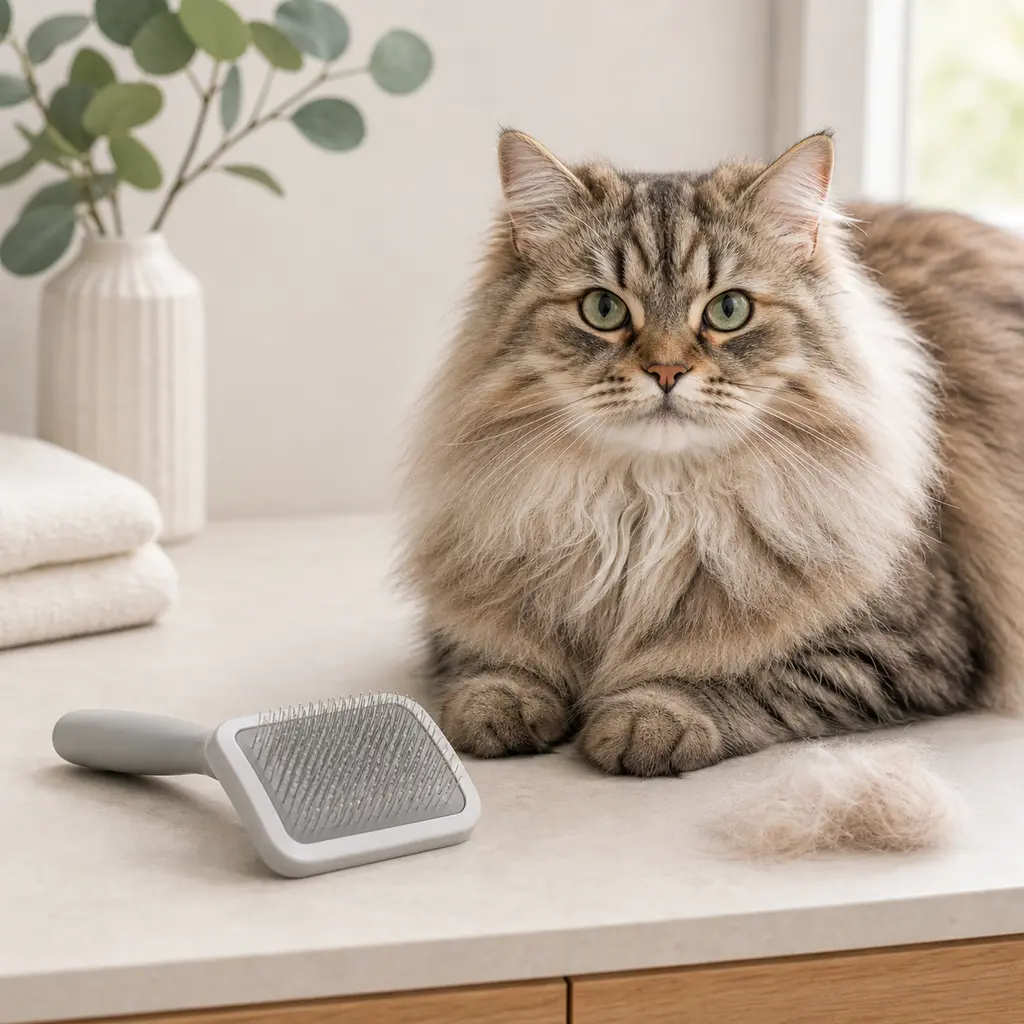
Less loose hair swallowed can mean fewer hairball problems. Longhaired cats and heavy shedders often need routine grooming support.

Some formulas focus on fiber or stool movement. Switch slowly, count calories, and watch stool, appetite, vomiting, and coat changes.
Repeated vomiting, appetite loss, weight loss, lethargy, constipation, pain, coughing, or breathing changes should not be treated as ordinary hairballs.
Hairball support should combine grooming, measurement, water, and symptom notes.
Affiliate links: Furball Cove may earn from qualifying purchases at no extra cost to you.
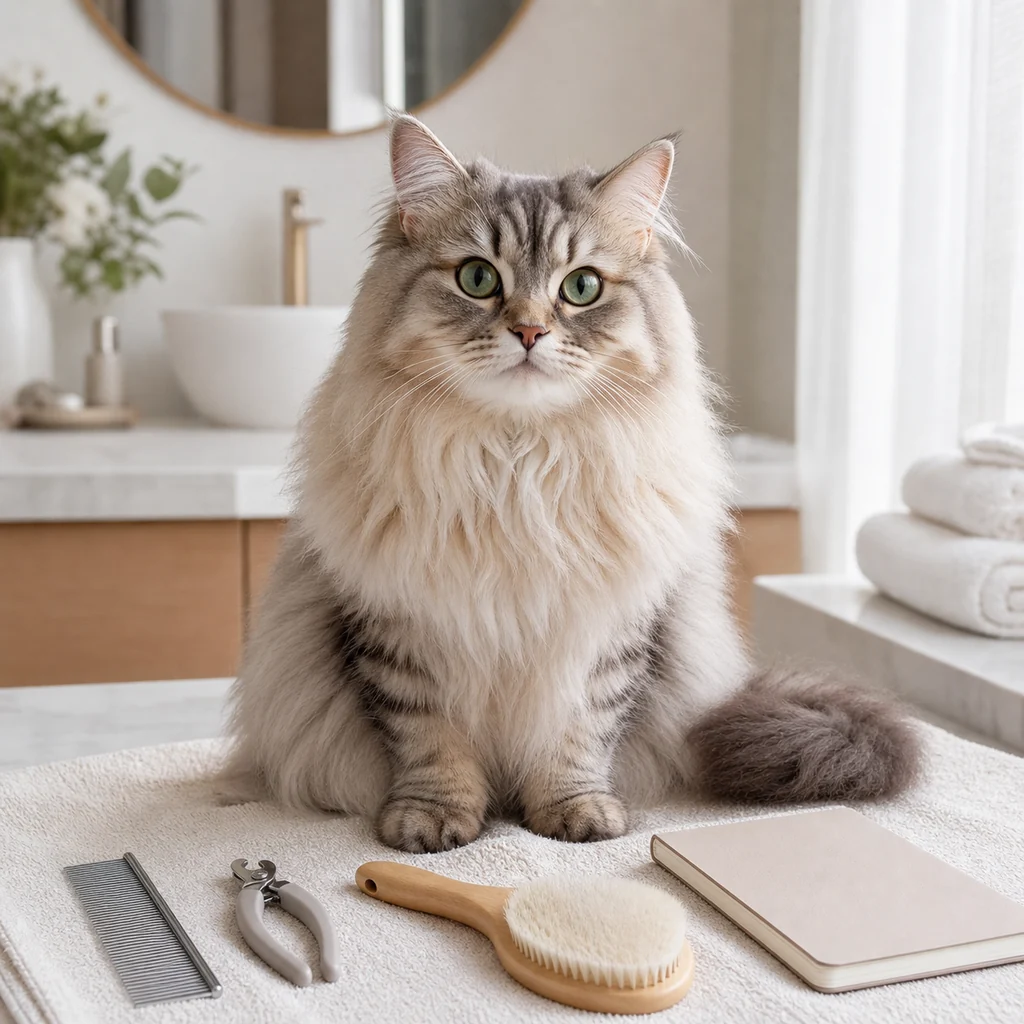
Removes loose hair before your cat swallows it.
Keeps portions steady while you test a hairball formula.
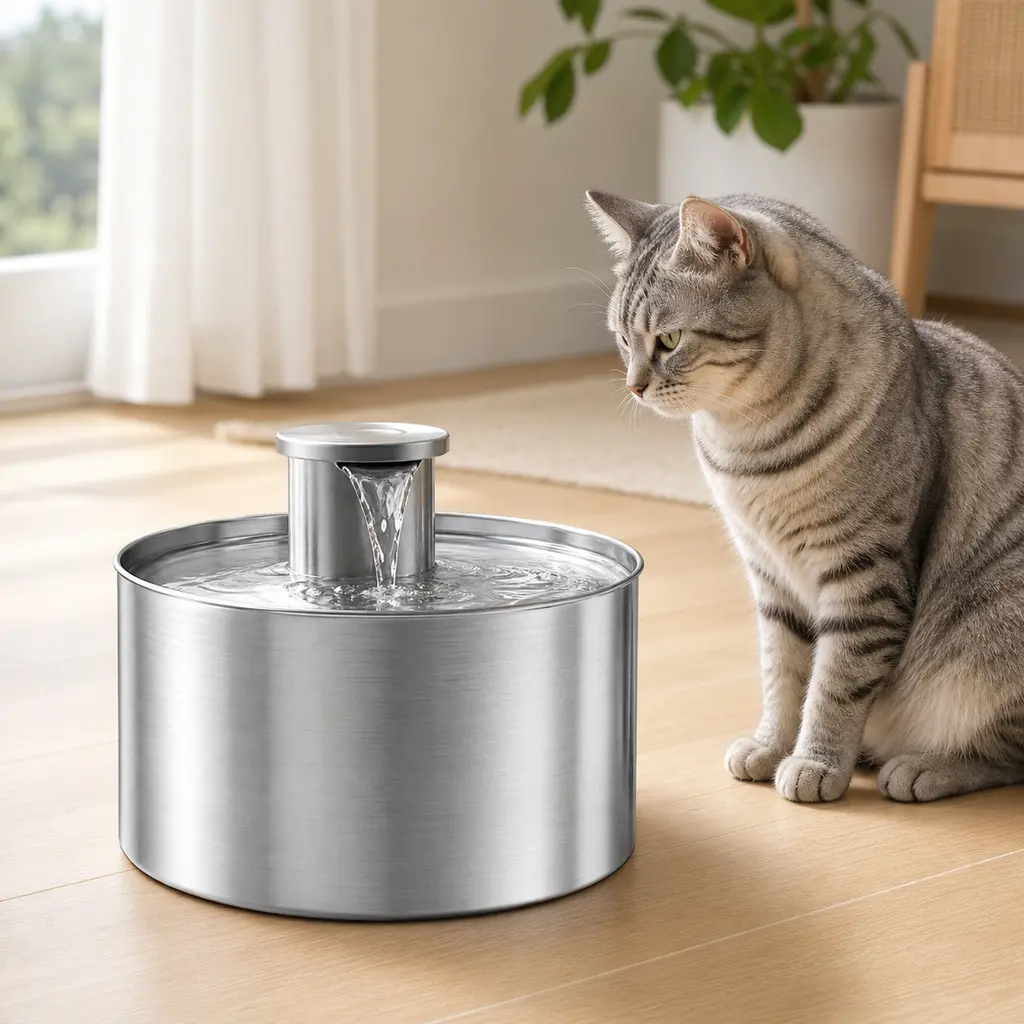
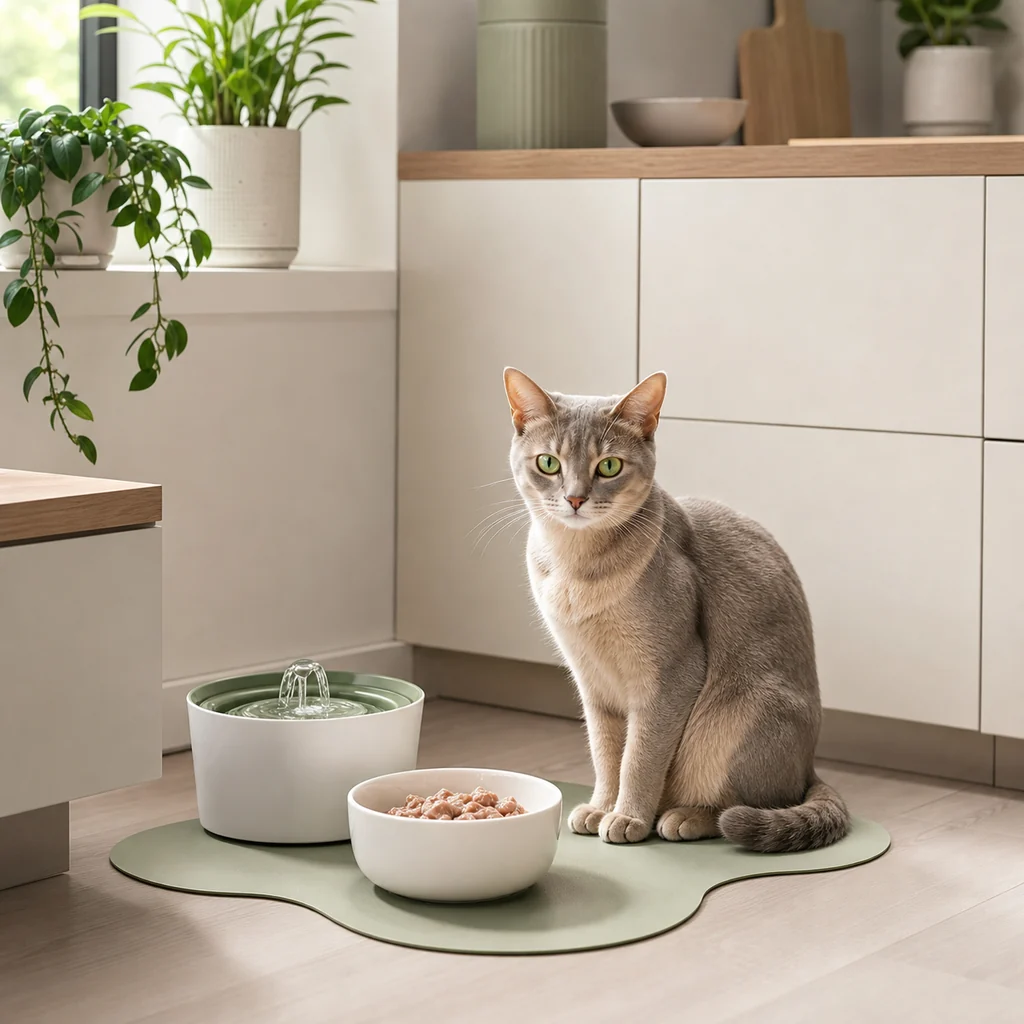
Supports easy water access while stool and vomiting patterns are watched.
Track hairballs, vomiting, stool, brushing, appetite, and weight.
No. It may help some cats, but brushing, hydration, stool quality, and health signs still matter.
Call your veterinarian for repeated vomiting, coughing, appetite loss, weight loss, constipation, pain, lethargy, or breathing changes.