A cat who is hiding and purring may be self-soothing, stressed, or sick. Check food, water, litter, breathing, movement, and pain signs before deciding the purr means everything is fine.
Purring is not a perfect mood label. Some cats purr when they are content, and some purr when they are uncomfortable, overwhelmed, or trying to stay calm.
Do not let the purr cancel the hiding
A relaxed cat usually chooses a comfortable spot and stays responsive. A sick or stressed cat may hide deep, crouch tightly, avoid touch, or purr while still looking withdrawn.
Write down timing, frequency, appetite, litter use, breathing, movement, and any trigger you saw. A short video is often more useful to your veterinarian than a long description.
Check the basics quietly
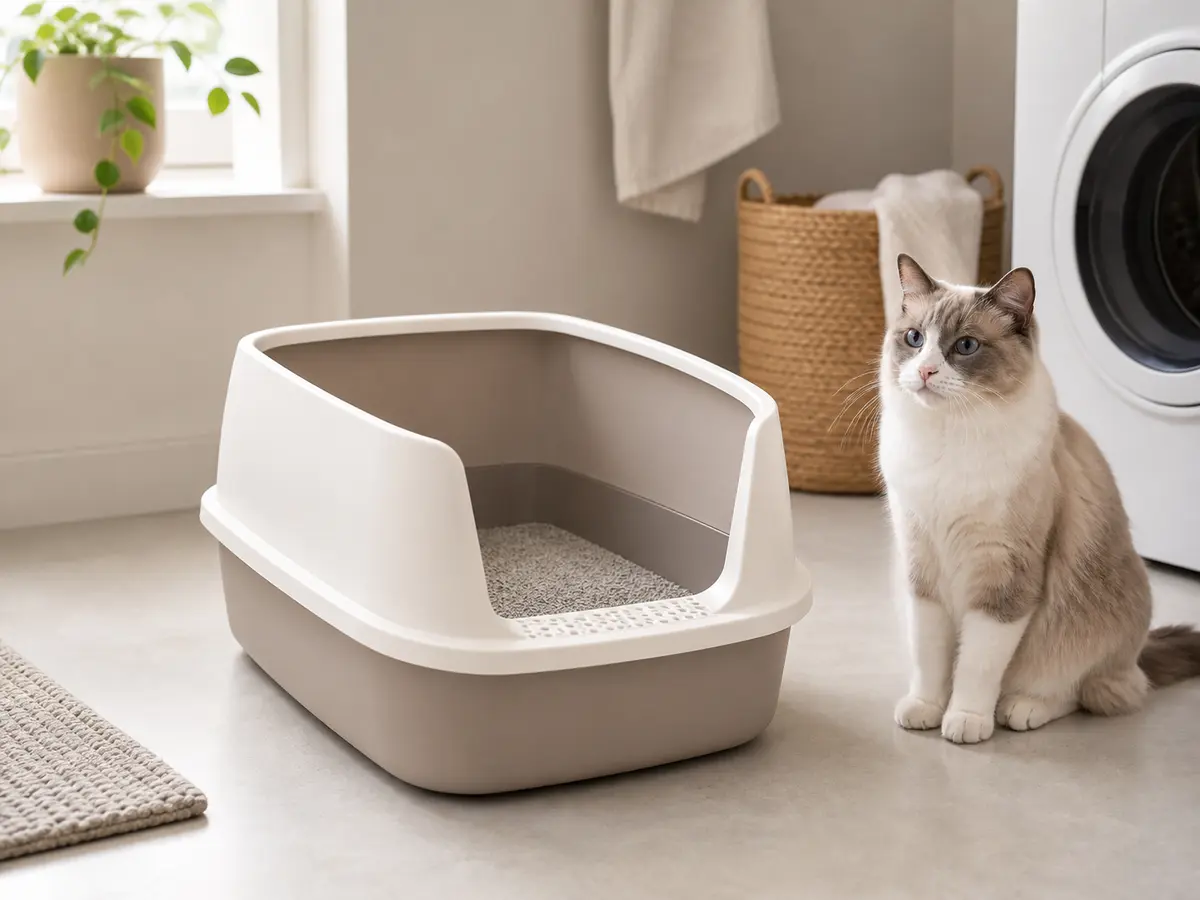
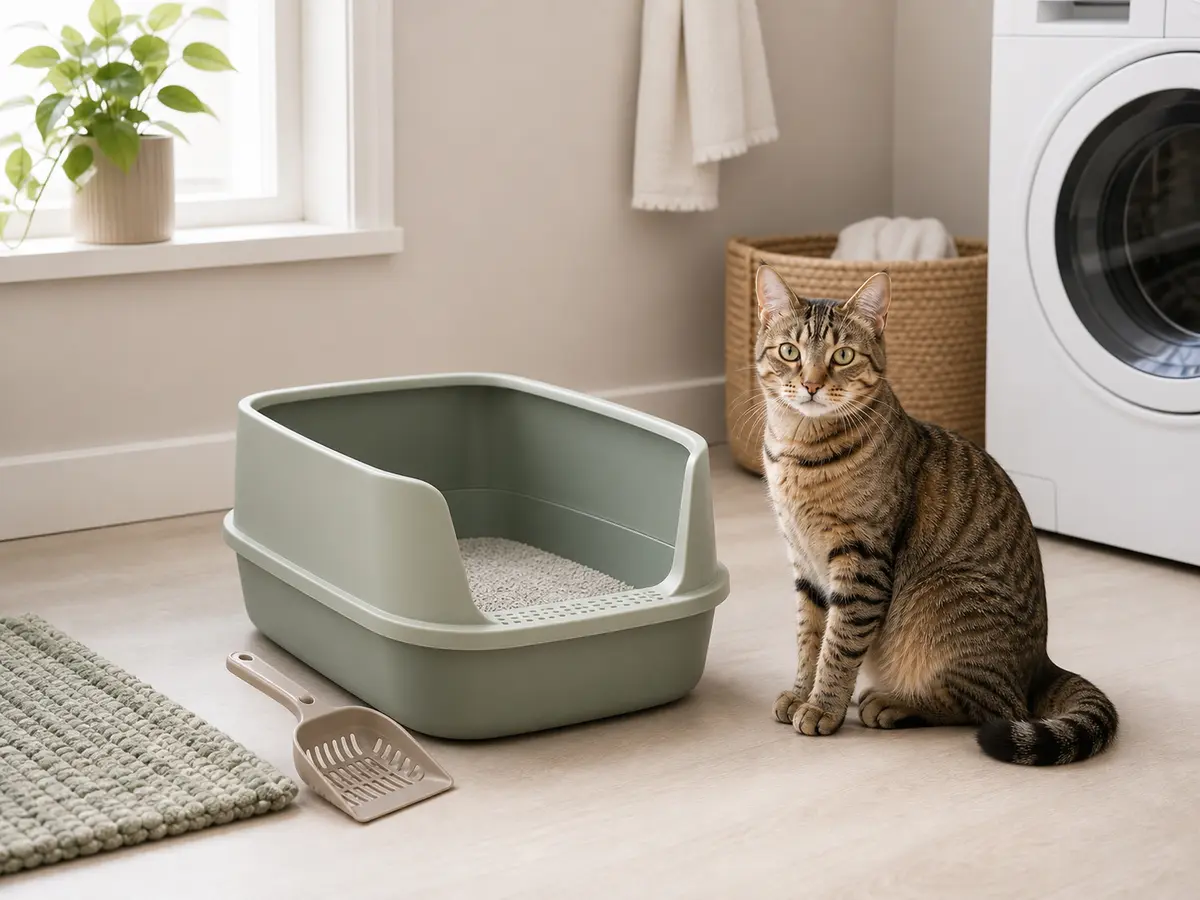
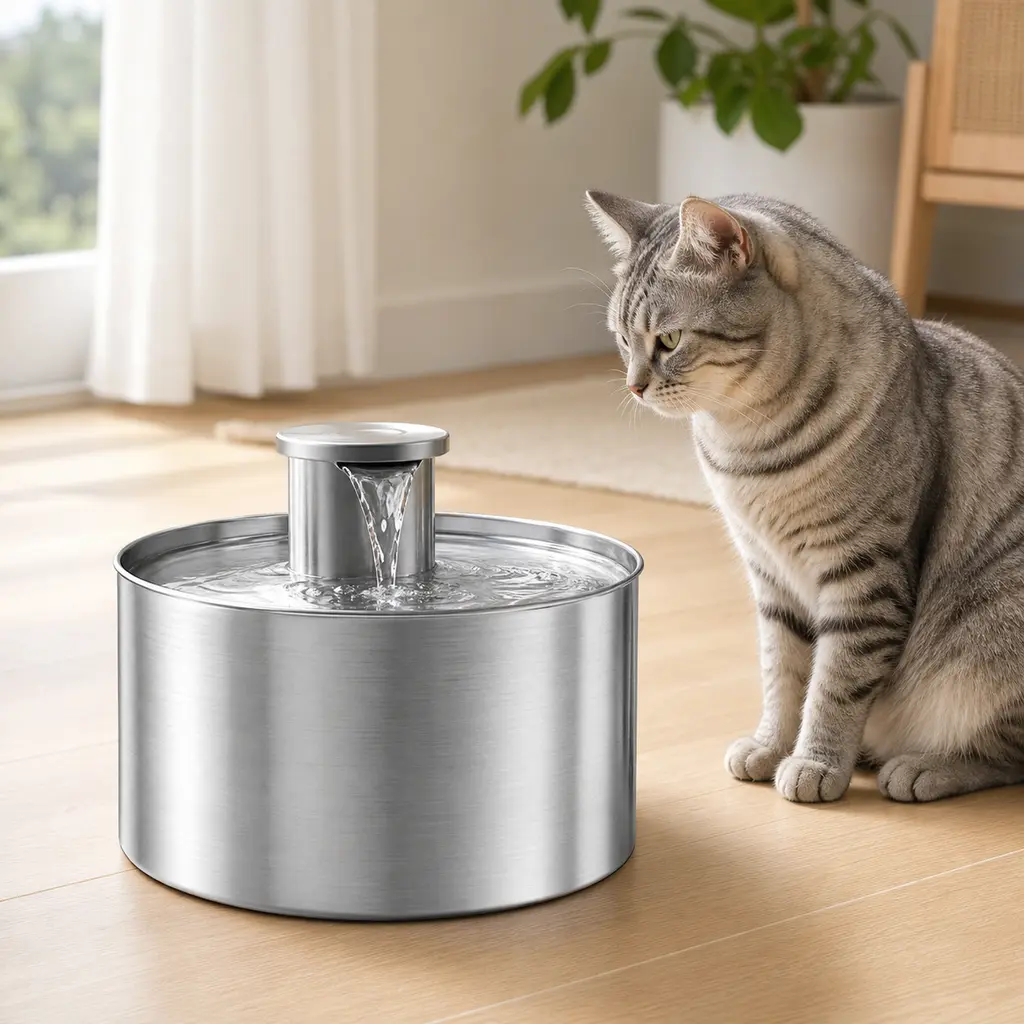
Without dragging your cat out, check whether food is eaten, water is touched, and the litter box looks normal. Appetite, urine, stool, and movement tell you more than the purr alone.
Treat symptom pages as triage support, not a diagnosis. Appetite, water, urine, stool, breathing, mobility, gums, pain signs, and energy matter more than one isolated symptom word.
Look for body changes
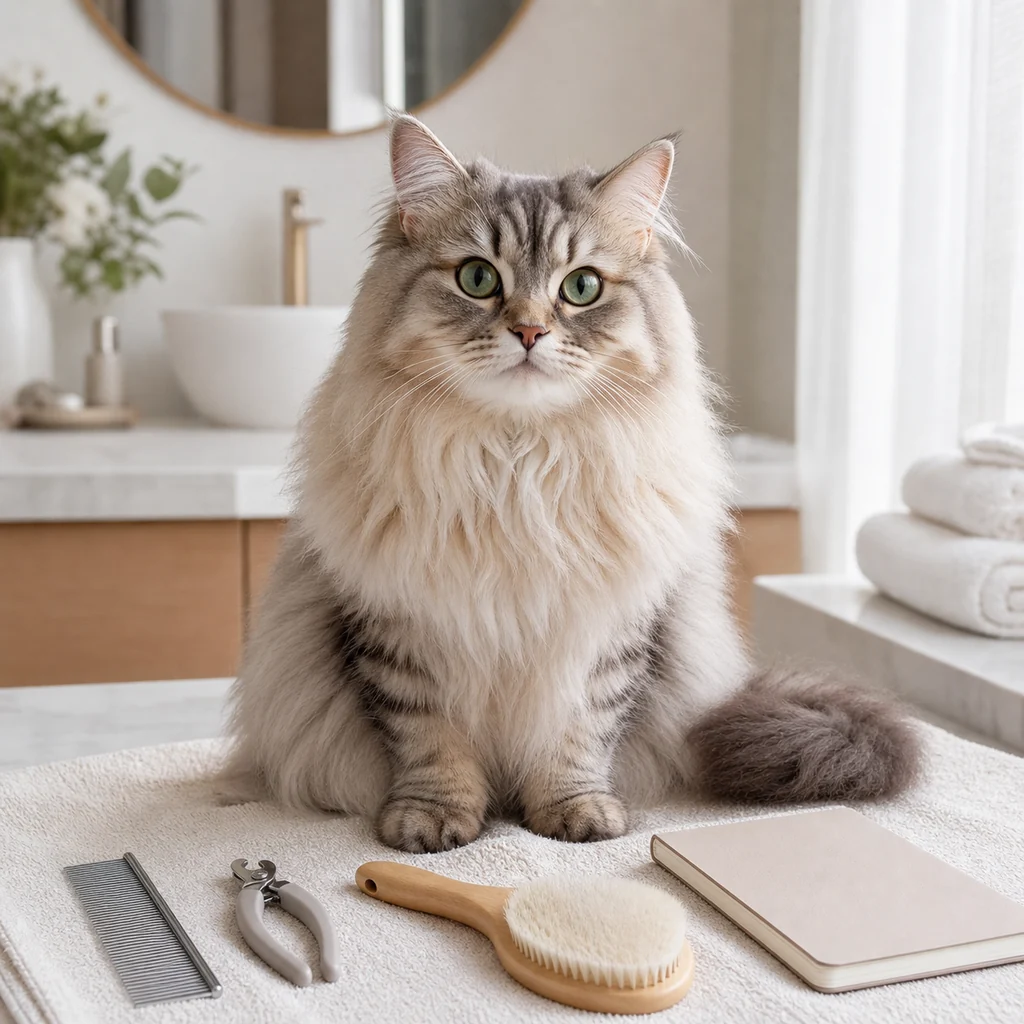
For your veterinarian, note breathing, walking, jumping, grooming, eye position, voice, and whether your cat reacts normally to you. Pain can look like stillness, not drama.
Start by deciding whether this can wait. Breathing trouble, urine changes, appetite loss, severe pain, collapse, toxin exposure, or sudden decline means the next step is a vet call.
Make the room easier while you observe
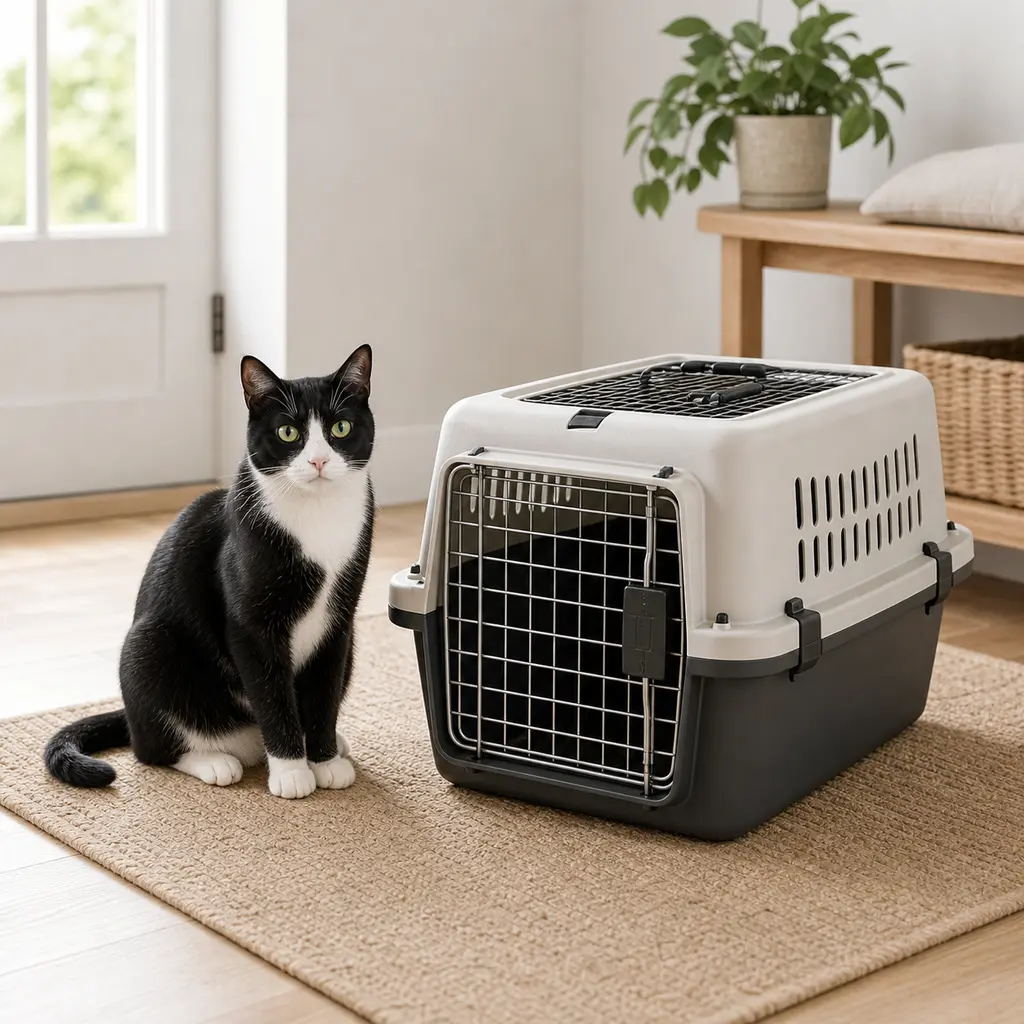
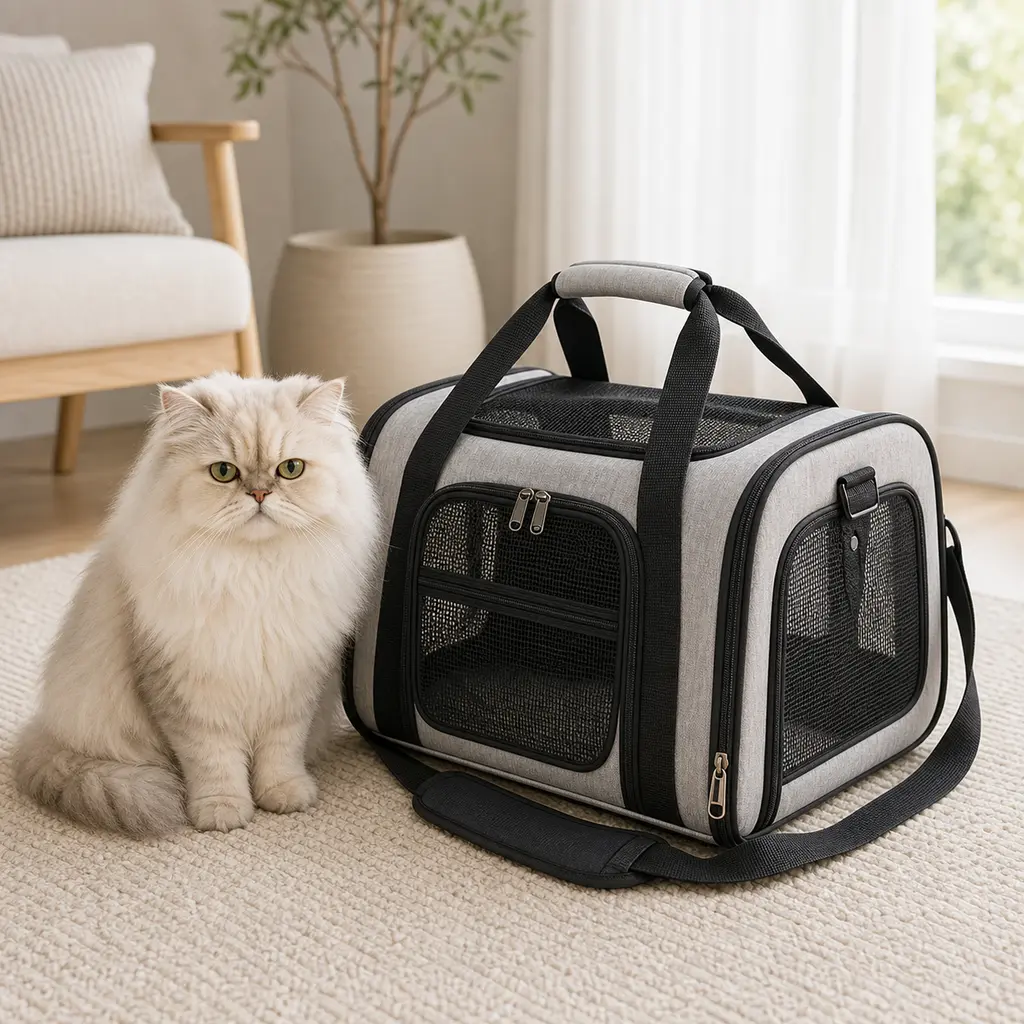
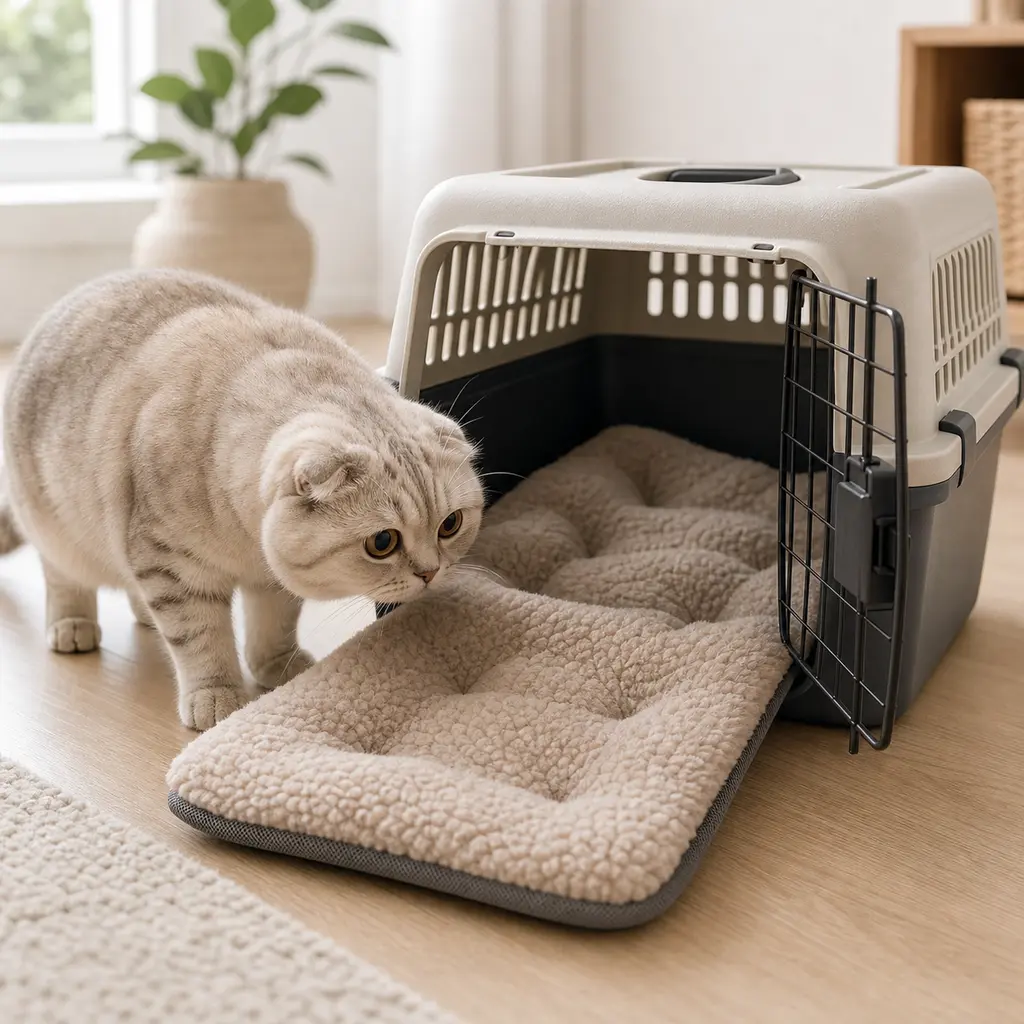
Move food, water, and litter close enough that your cat does not have to cross a busy room. Keep the carrier path clear in case a vet visit becomes the next step.
Do not monitor at home when breathing is hard, gums look pale or blue, the cat cannot stand, pain is obvious, appetite stops, urination changes, or symptoms escalate.
Call when illness signs stack up
Call your veterinarian if hiding is sudden, your cat seems sick, or purring comes with appetite loss, litter changes, vomiting, breathing changes, weakness, pain signs, or a cat who is hard to rouse.
Treat symptom pages as triage support, not a diagnosis. Appetite, water, urine, stool, breathing, mobility, gums, pain signs, and energy matter more than one isolated symptom word.
Before you decide
Is your cat hiding in a normal nap spot or tucked away unusually deep?
Does purring happen with loose posture, or with crouching, tension, or pain signs?
Are food, water, litter, breathing, movement, and grooming normal?
Would these notes help your veterinarian decide how soon to see your cat?
Next best moves
Keep essentials close and the room quiet.
Watch the whole routine, not only the purring.
Call your veterinarian if hiding is sudden or paired with appetite, litter, breathing, movement, or pain changes.
Quick cat question
Could my cat be sick if they are hiding and purring?
Yes. Purring can happen with comfort, stress, or discomfort, so check the whole routine before treating the purr as reassurance.
What should I check first?
Check appetite, water, litter, breathing, movement, grooming, responsiveness, and whether your cat can rest in a normal posture.