Updated

Cat health

My cat keeps licking one paw: what could cause it?

A cat licking one paw or showing cracked pads may be dealing with irritation, a small injury, a nail issue, pain, or overgrooming.

This is not a diagnosis page. It helps you organize what changed so your vet conversation is clearer.

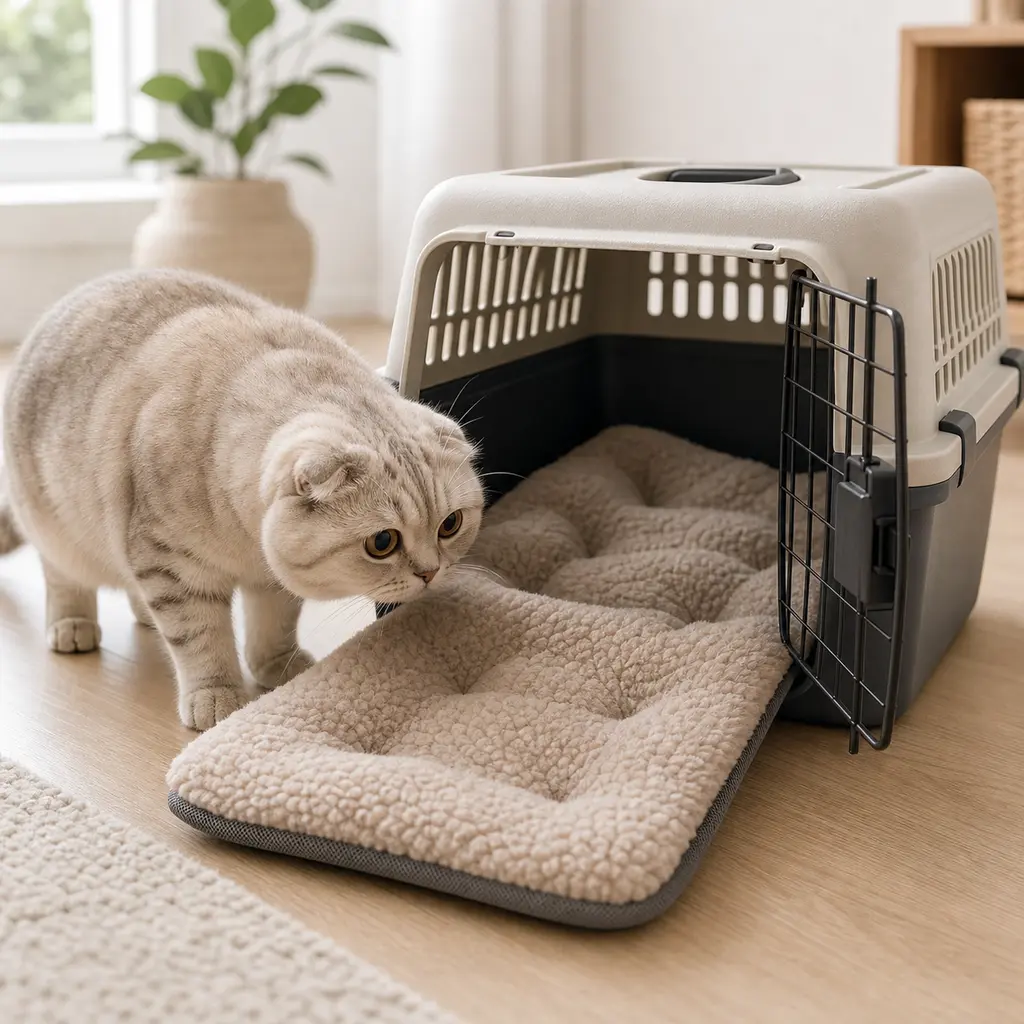
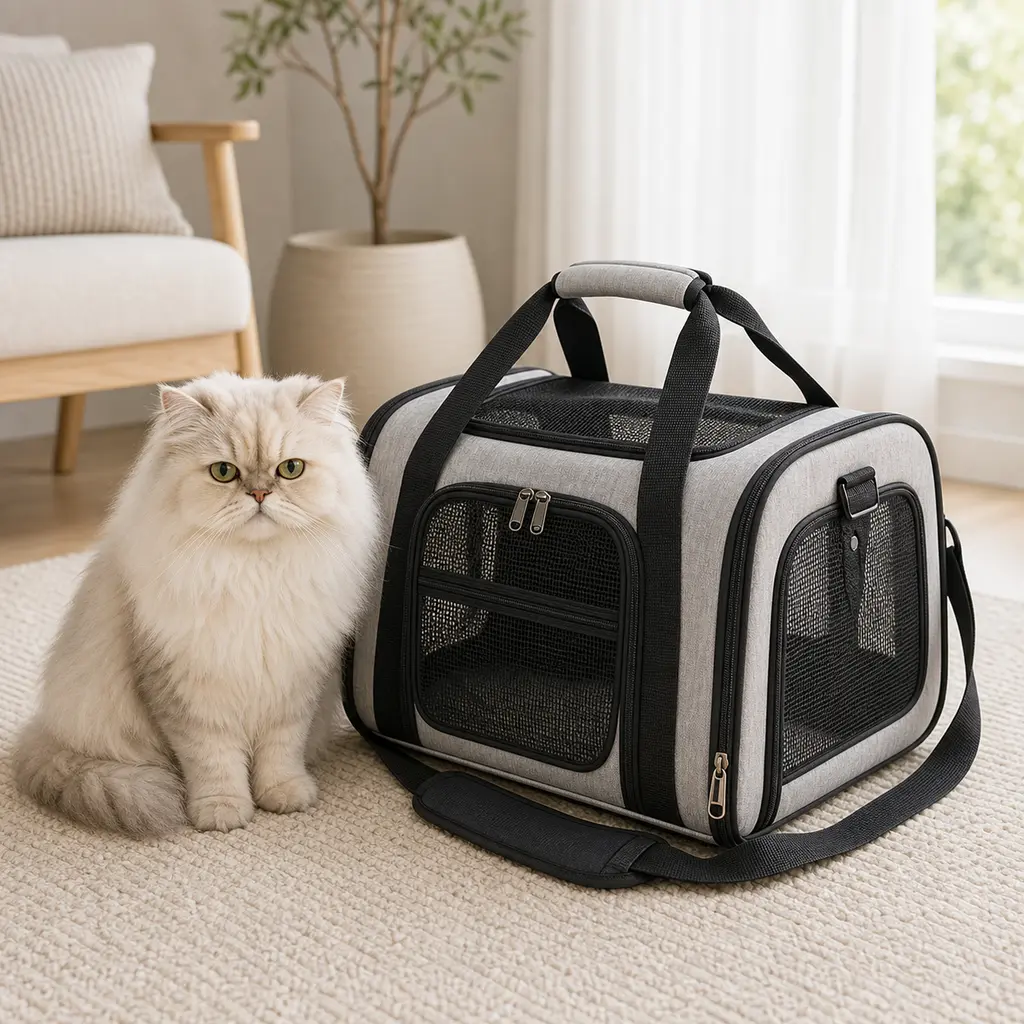
Soft-sided cat carrier for travel practice

What to notice at home

Check only what your cat calmly allows: between toes, nails, pads, swelling, redness, stuck debris, bleeding, limping, and whether the licking happens after litter or cleaners.

Treat symptom pages as triage support, not a diagnosis. Appetite, water, urine, stool, breathing, mobility, gums, pain signs, and energy matter more than one isolated symptom word.

Cat vet records and appointment questions

What to do today

Rinse obvious surface residue with vet-safe guidance, keep the routine calm, and avoid heavy balms or products your cat will lick unless your vet approves them.

Write down timing, frequency, appetite, litter use, breathing, movement, and any trigger you saw. A short video is often more useful to your veterinarian than a long description.

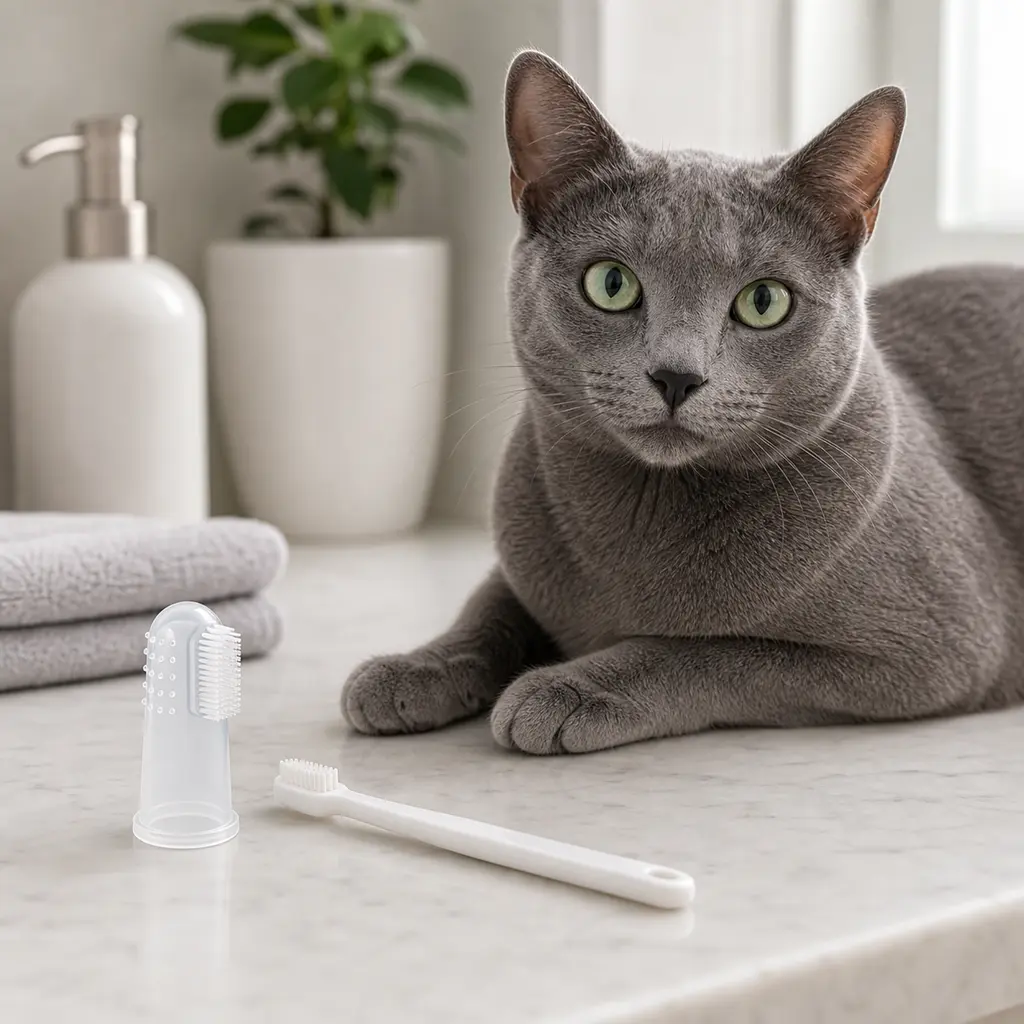
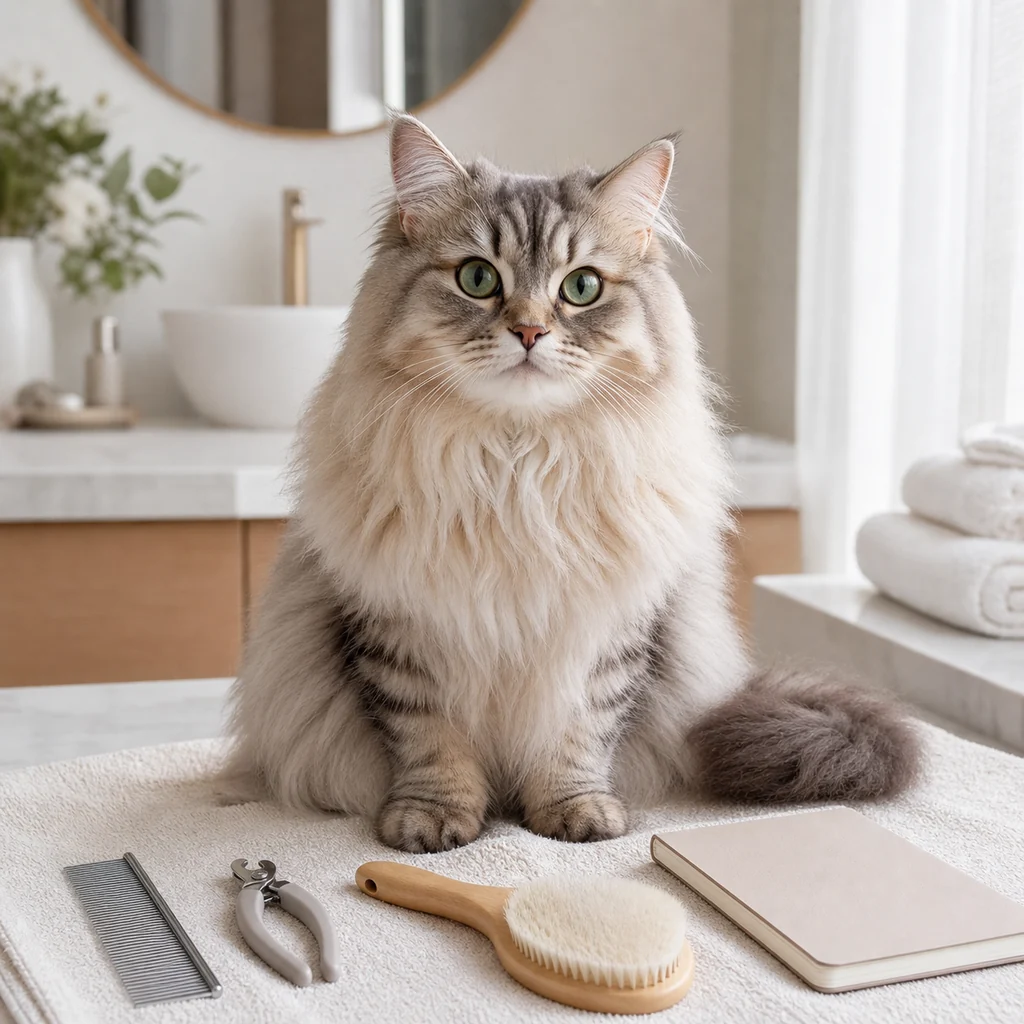
Cat beside grooming and health care tools

What to tell your vet

Tell your vet which paw, whether your cat limps, what the pad or nail looks like, any swelling or bleeding, possible residue exposure, and how often licking happens.

Start by deciding whether this can wait. Breathing trouble, urine changes, appetite loss, severe pain, collapse, toxin exposure, or sudden decline means the next step is a vet call.

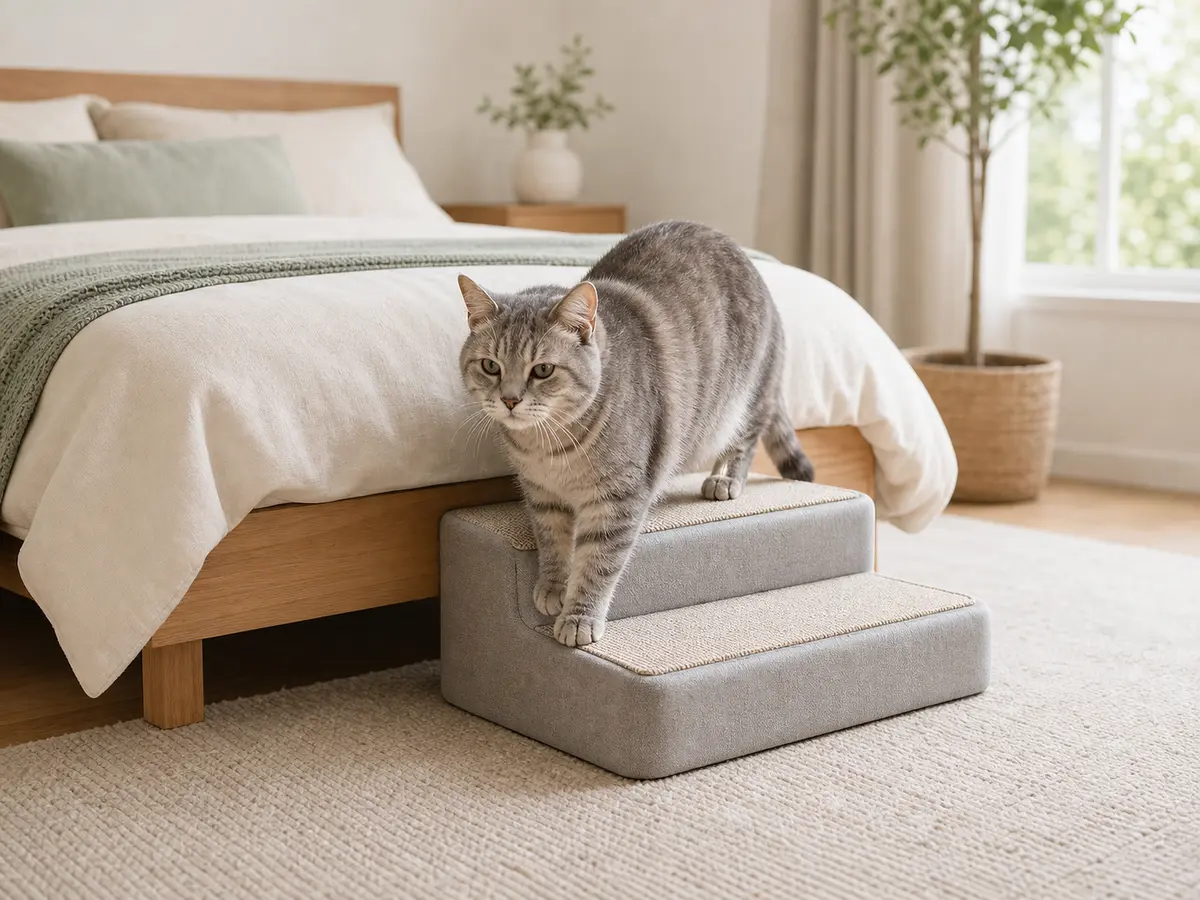
Senior cat using low steps to reach a bed safely

When to call sooner

Call your veterinarian for limping, swelling, bleeding, an embedded nail, worsening cracks, repeated licking, pain, or any wound that does not look minor.

Do not monitor at home when breathing is hard, gums look pale or blue, the cat cannot stand, pain is obvious, appetite stops, urination changes, or symptoms escalate.

Before you decide

  • Is there limping, swelling, bleeding, redness, or a torn nail?
  • Is licking focused on one paw or pad?
  • Could litter, cleaner, salt, or sticky residue be involved?
  • Does your cat resist touch or hide after walking?

Next best moves

  • Check only what your cat calmly allows.
  • Keep the paw away from risky residue.
  • Call your vet for limping, swelling, bleeding, embedded nails, or pain.

Quick cat question

My cat keeps licking one paw: what could cause it?

A cat licking one paw or showing cracked pads may be dealing with irritation, a small injury, a nail issue, pain, or overgrooming.

When should I get help?

Call your veterinarian for limping, swelling, bleeding, an embedded nail, worsening cracks, repeated licking, pain, or any wound that does not look minor.

References