Updated

Cat health

My cat has one watery eye: when is it a vet visit?

Eye squinting, one watery eye, or a third eyelid showing deserves attention because cat eye problems can change quickly.

This is not a diagnosis page. It helps you organize what changed so your vet conversation is clearer.

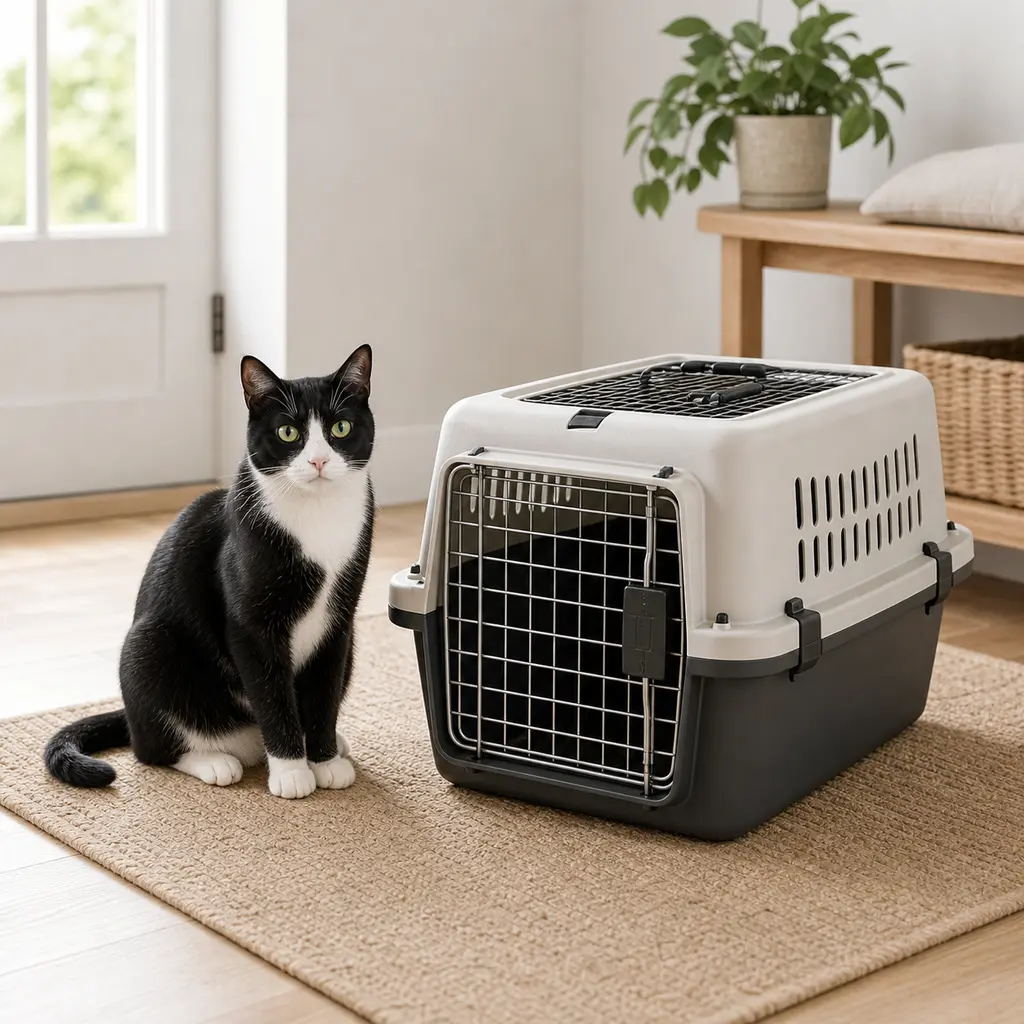
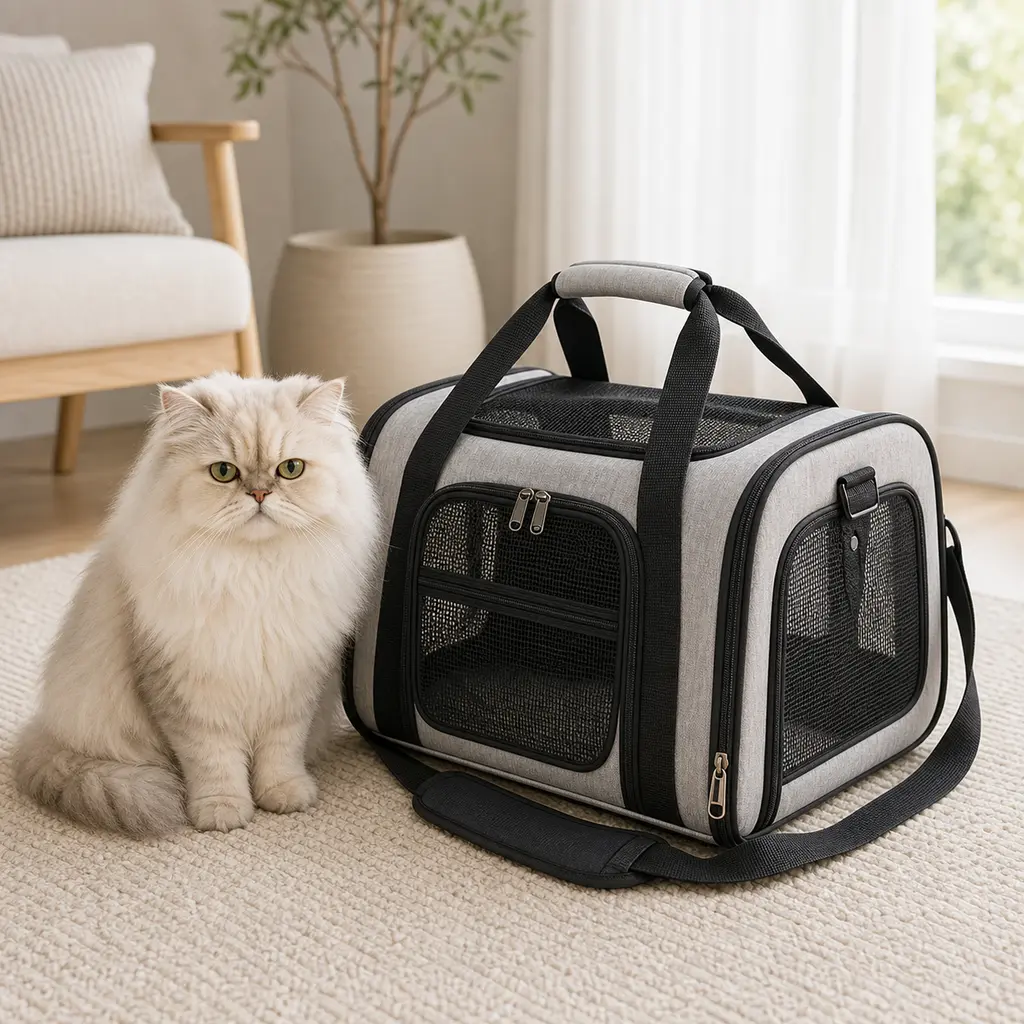
Soft-sided cat carrier for travel practice

What to notice at home

Notice whether one or both eyes are involved, plus squinting, pawing, discharge, redness, cloudiness, light sensitivity, hiding, appetite, and energy.

Treat symptom pages as triage support, not a diagnosis. Appetite, water, urine, stool, breathing, mobility, gums, pain signs, and energy matter more than one isolated symptom word.
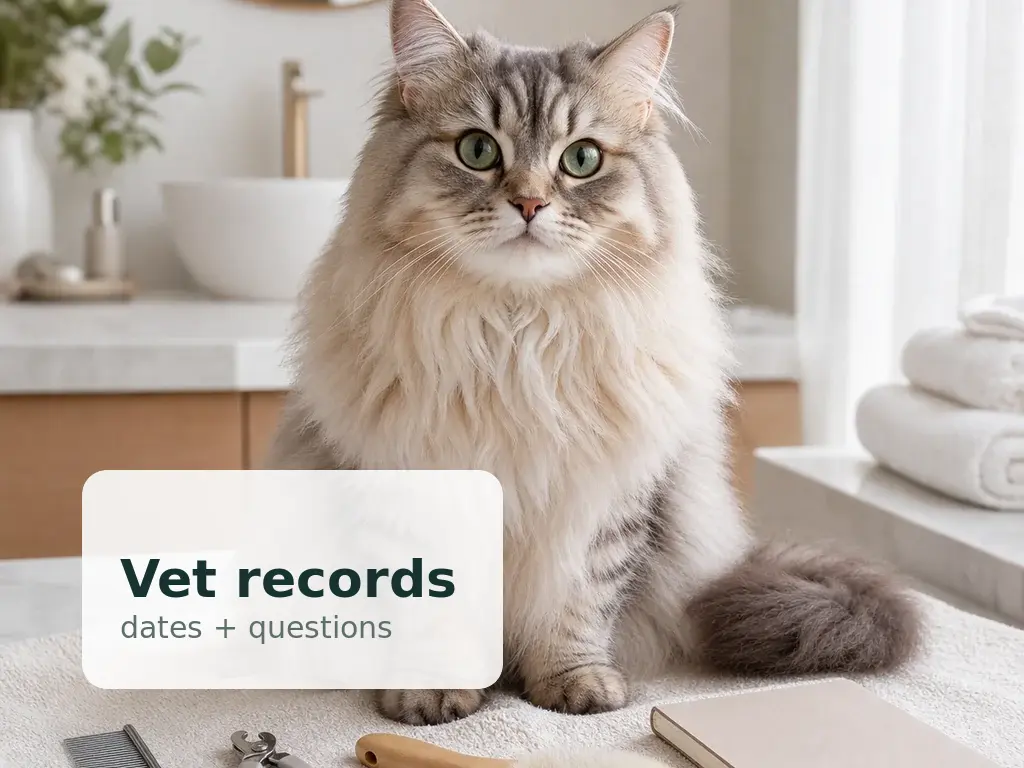
Cat vet records and appointment questions

What to do today

Do not use human eye drops or force the eye open. Prevent rubbing as best you can and call your vet with the timing and what the eye looks like.

Write down timing, frequency, appetite, litter use, breathing, movement, and any trigger you saw. A short video is often more useful to your veterinarian than a long description.

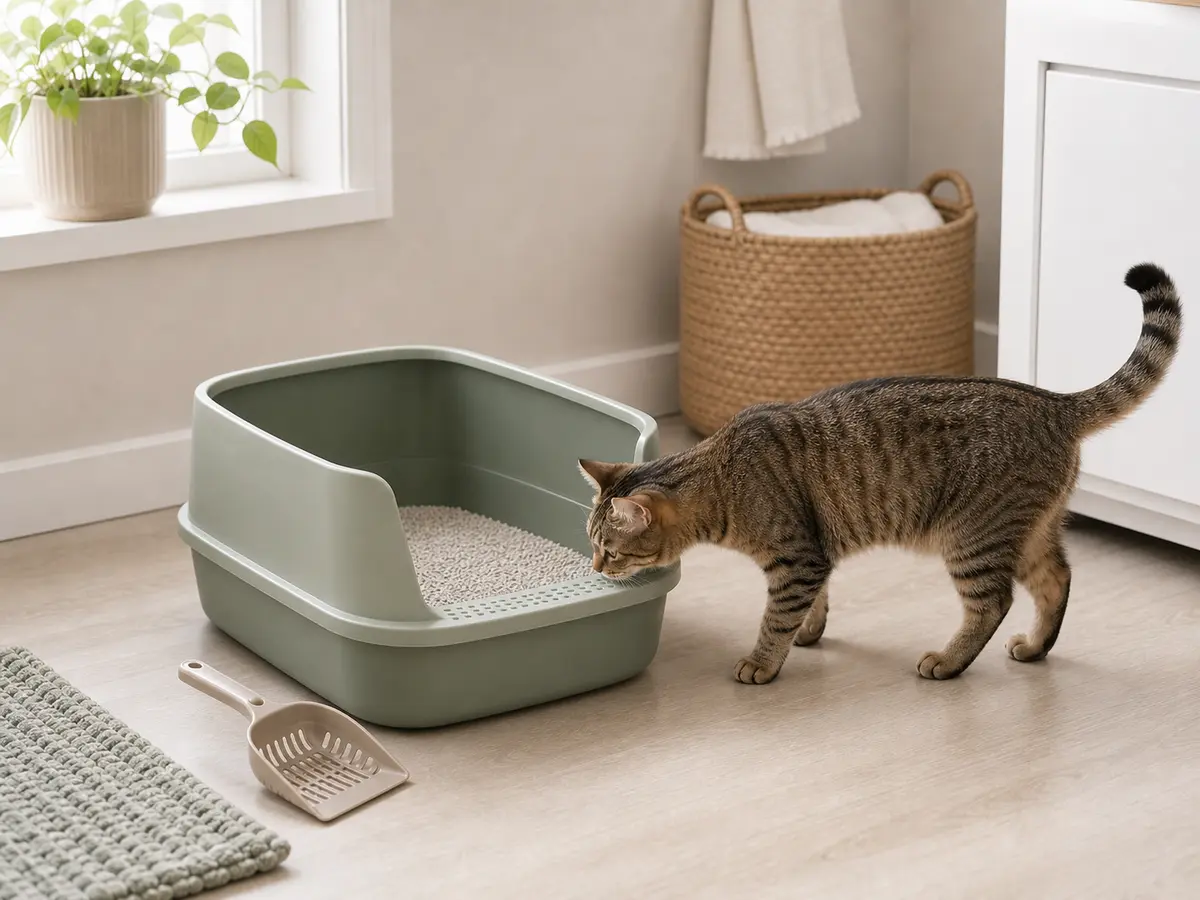
Cat near a clean litter box setup in a calm room

What to tell your vet

Share whether one or both eyes are involved, when it started, discharge color, squinting, pawing, cloudiness, injury risk, appetite, and whether your cat is hiding or acting painful.

Start by deciding whether this can wait. Breathing trouble, urine changes, appetite loss, severe pain, collapse, toxin exposure, or sudden decline means the next step is a vet call.

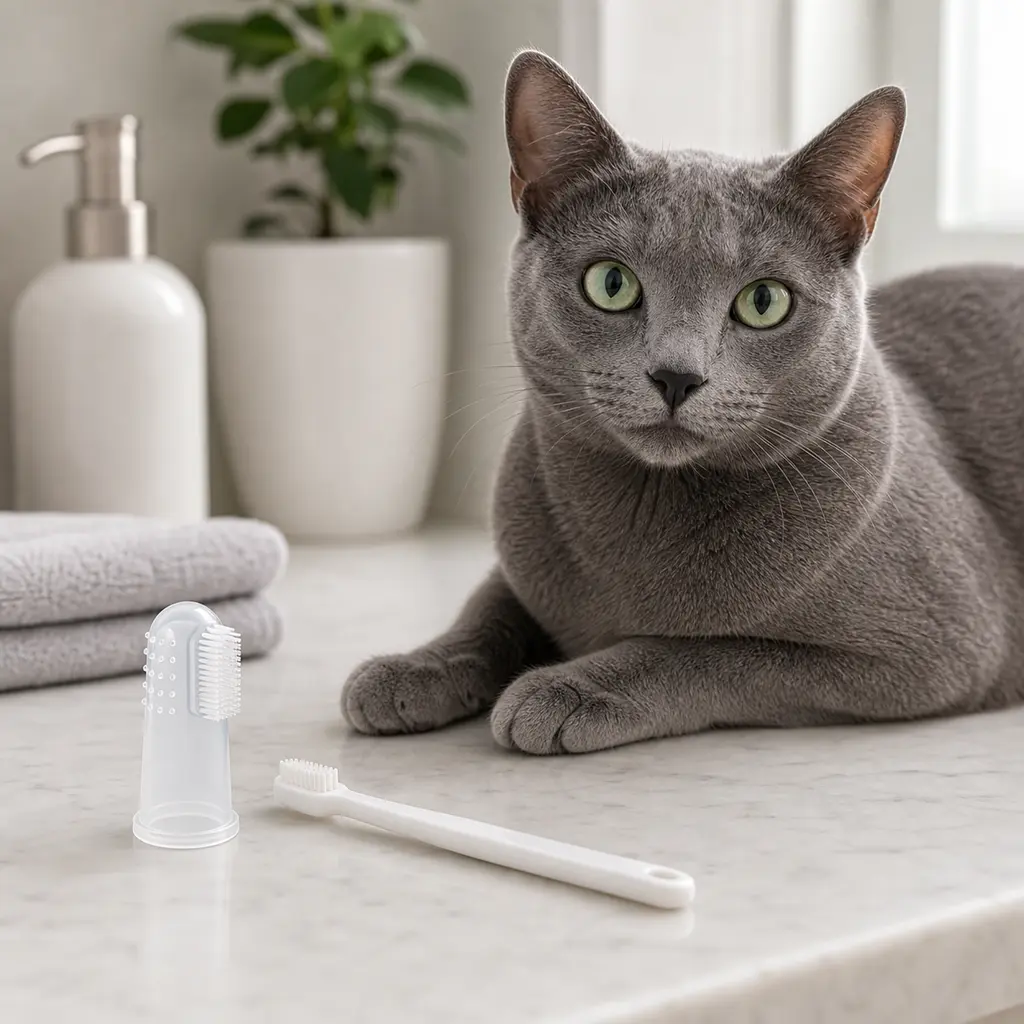
Cat dental finger brush for gentle mouth-care routines

When to call sooner

Call your veterinarian promptly for squinting, pain, cloudiness, injury concern, colored discharge, a visible third eyelid, or an eye that worsens instead of clearing.

Do not monitor at home when breathing is hard, gums look pale or blue, the cat cannot stand, pain is obvious, appetite stops, urination changes, or symptoms escalate.

Before you decide

  • Is one eye squinting, cloudy, red, painful, or held shut?
  • Any colored discharge, pawing, injury concern, or visible third eyelid?
  • Is appetite, energy, and breathing otherwise normal?
  • Has the eye worsened since you first noticed it?

Next best moves

  • Do not use human eye drops.
  • Prevent rubbing if you can do so calmly.
  • Call your vet for pain, squinting, cloudiness, discharge, or worsening signs.

Helpful supplies

Choose feeding tools that make the routine easier to observe: bowl comfort, water access, meal pacing, and separate feeding when another cat is involved.

Affiliate links: Furball Cove may earn from qualifying purchases at no extra cost to you.

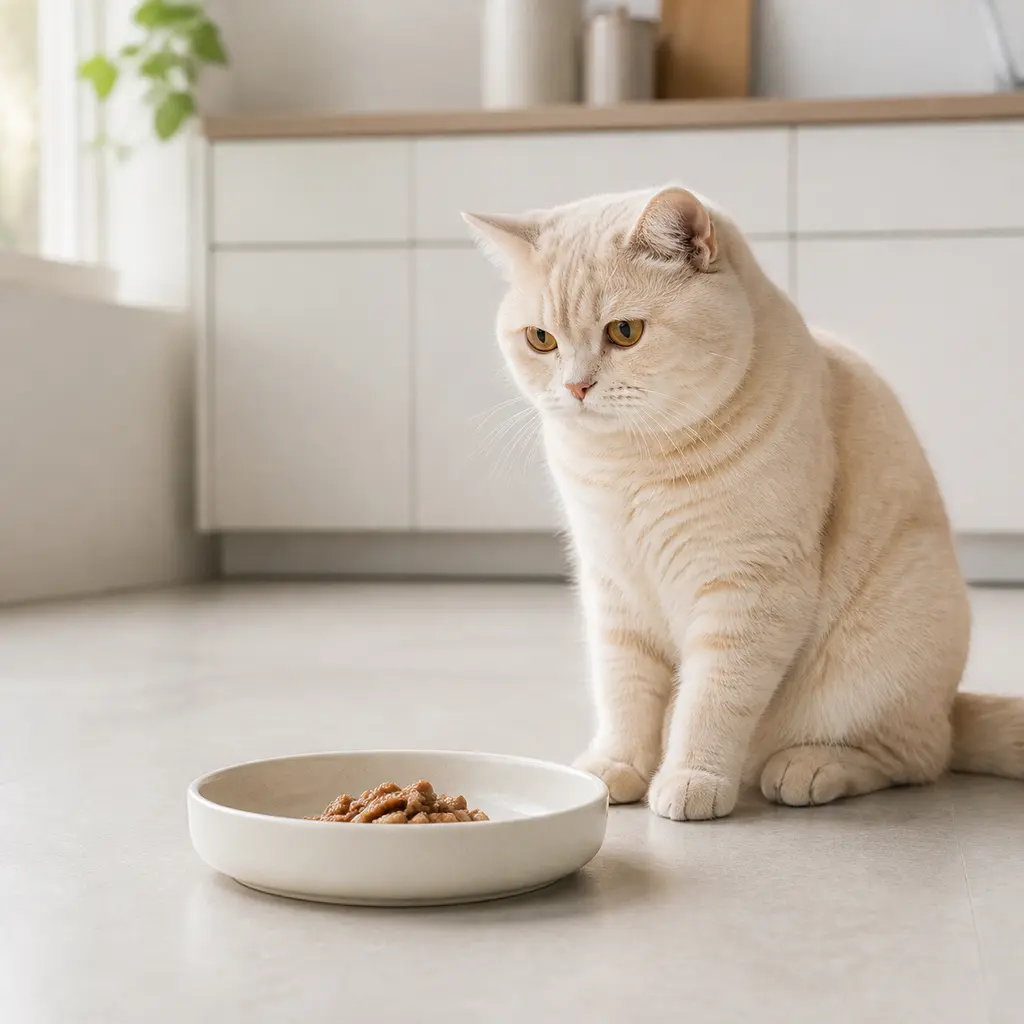
Wide shallow food bowl for a cat

Wide shallow cat bowl

A shallow bowl can make everyday meals easier for cats who dislike their whiskers brushing the sides.

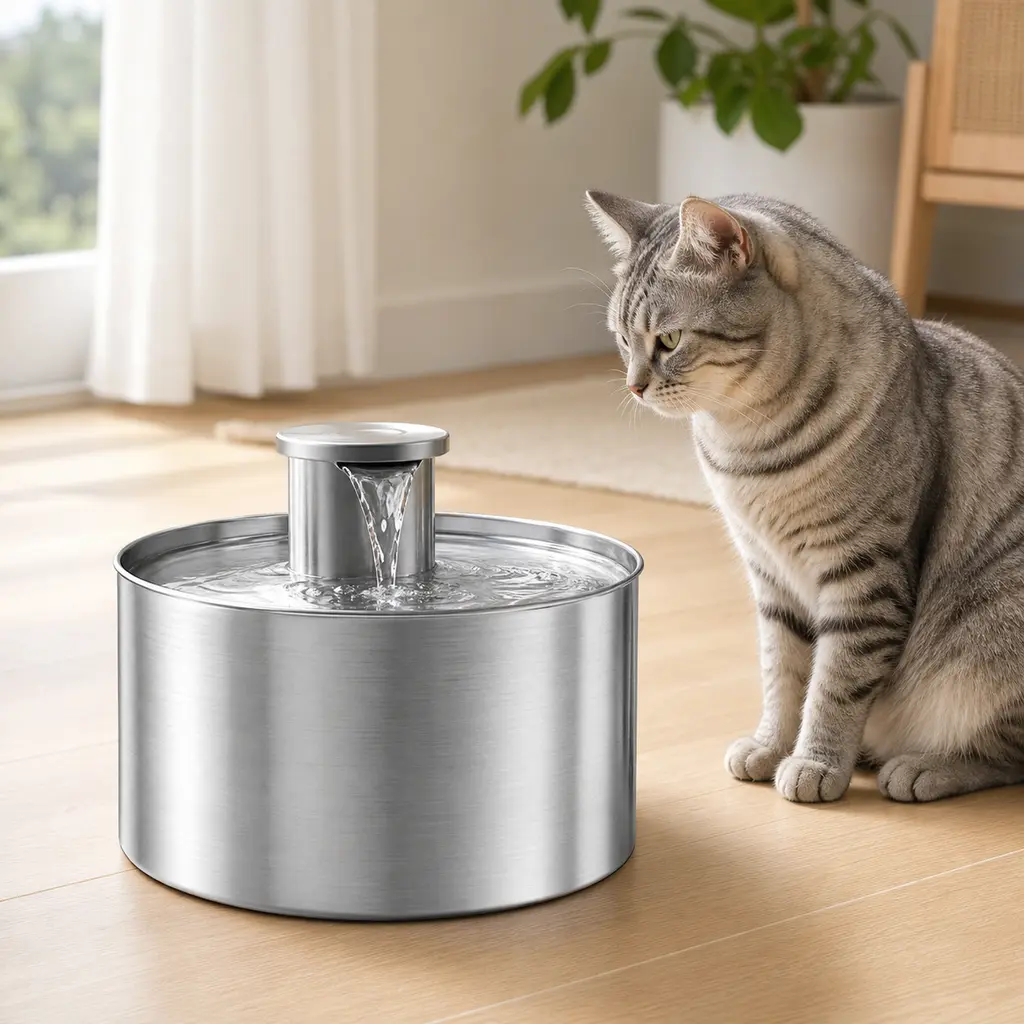
Stainless steel cat water fountain

Stainless steel water fountain

A clean fountain can help some homes make fresh water more visible and appealing.

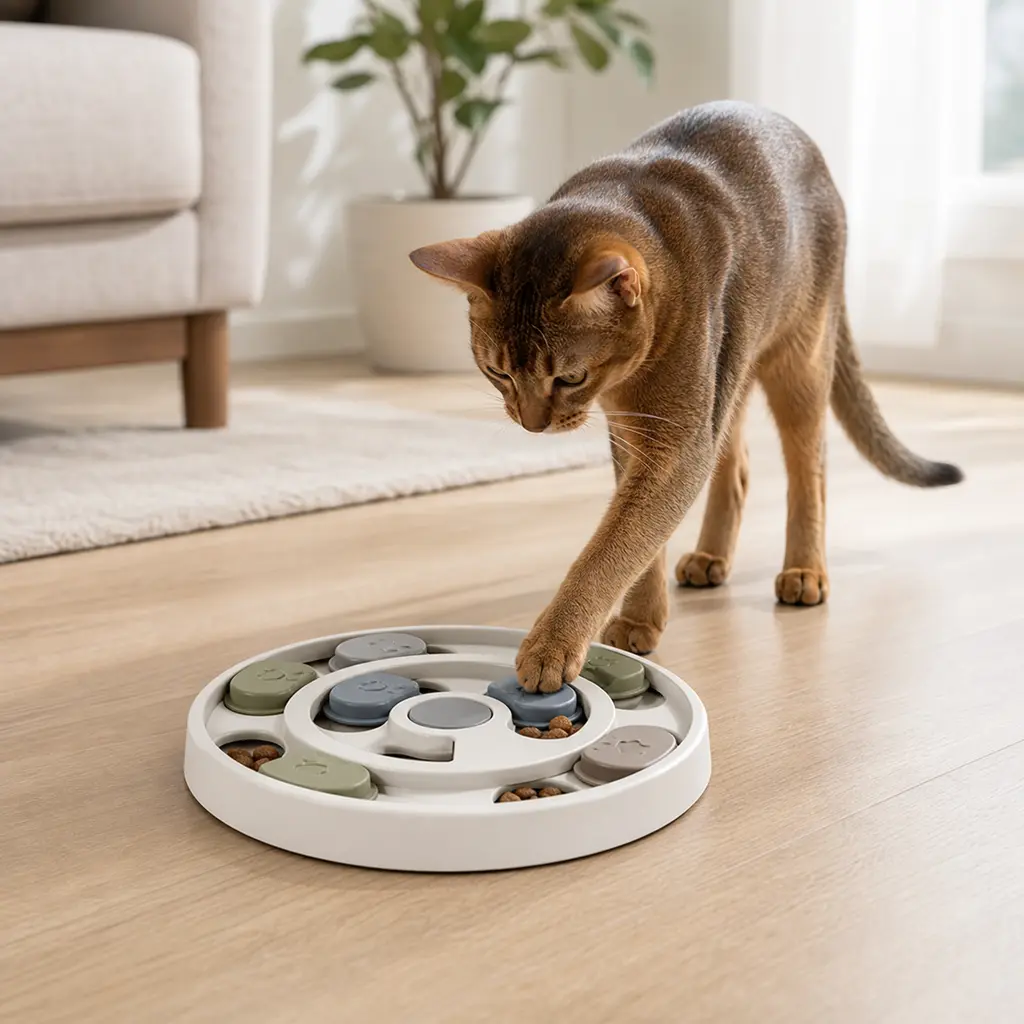
Cat puzzle feeder for slower meals and enrichment

Puzzle feeder

A puzzle feeder can slow fast meals and add a little hunting-style work to dry food.

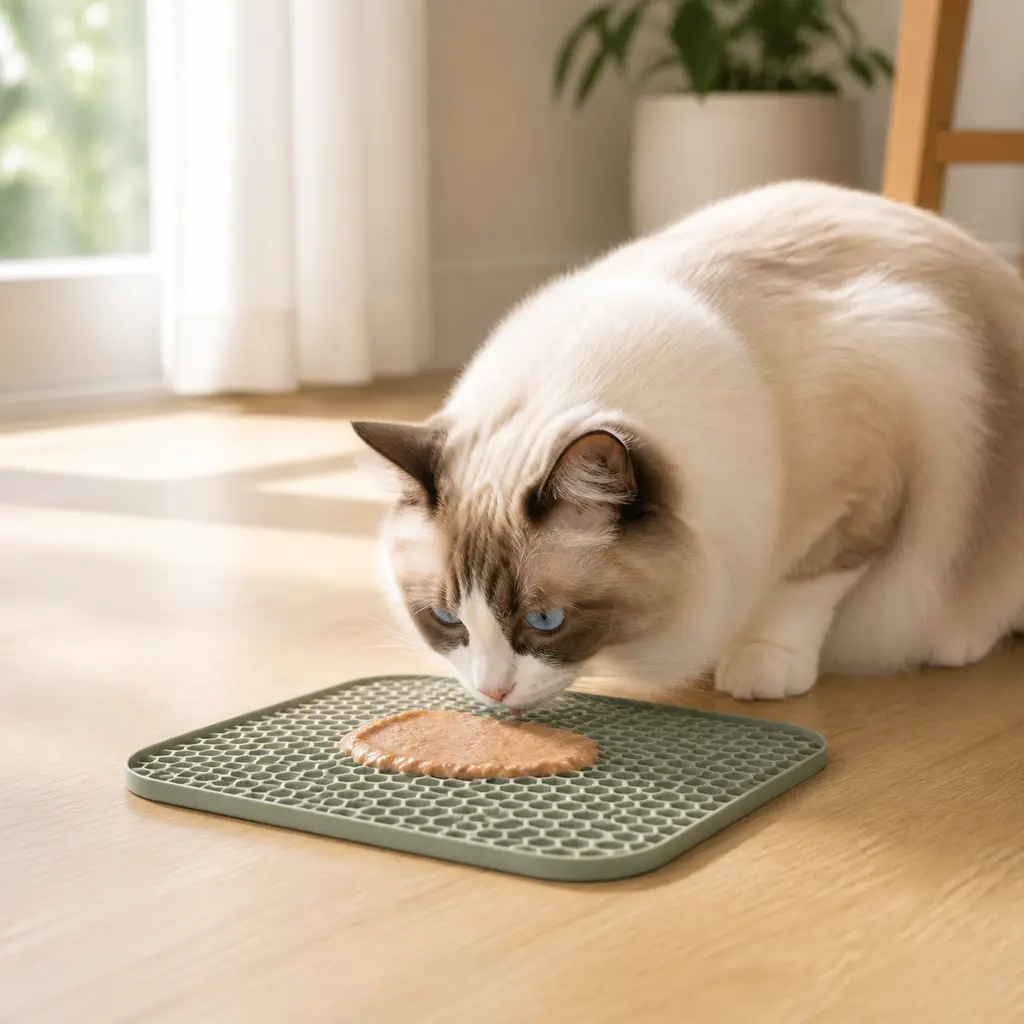
Cat lick mat used for small treats

Lick mat

A lick mat can stretch small treats or wet food into a calmer, slower snack.

Quick cat question

My cat has one watery eye: when is it a vet visit?

Eye squinting, one watery eye, or a third eyelid showing deserves attention because cat eye problems can change quickly.

When should I get help?

Call your veterinarian promptly for squinting, pain, cloudiness, injury concern, colored discharge, a visible third eyelid, or an eye that worsens instead of clearing.

References