What to notice at home
Separate fear from nausea when you can: drooling, vomiting, heavy panting, and repeated distress may need vet help, while panic at the car door may improve with smaller practice steps.
Updated
Cat travel
For car panic-meowing, make the carrier familiar first, practice tiny car steps, control heat and noise, and ask your veterinarian about motion sickness or severe travel anxiety.
Car practice works best when the first goal is recovery, not distance.
Separate fear from nausea when you can: drooling, vomiting, heavy panting, and repeated distress may need vet help, while panic at the car door may improve with smaller practice steps.
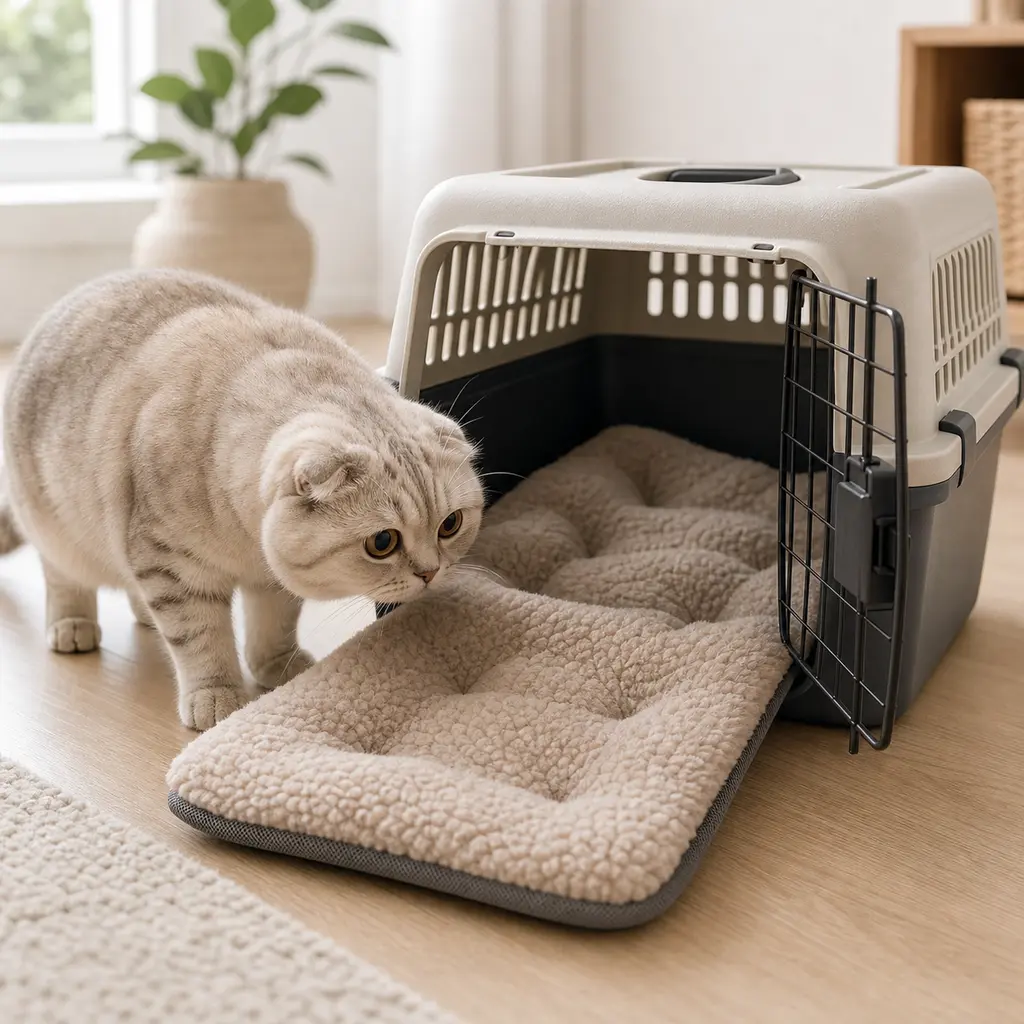
Start with meals near the carrier, then closed-door seconds, a short carry, sitting in the parked car, engine-on moments, and very brief rides. Keep the carrier secured and never let your cat loose in the car.

Call your veterinarian for vomiting, drooling, breathing changes, collapse, heat exposure, injury, or travel distress so intense that practice does not make progress.
Travel gear works best when it is practiced before the trip, so the carrier, mat, harness, or reward pouch already feels familiar.
Affiliate links: Furball Cove may earn from qualifying purchases at no extra cost to you.
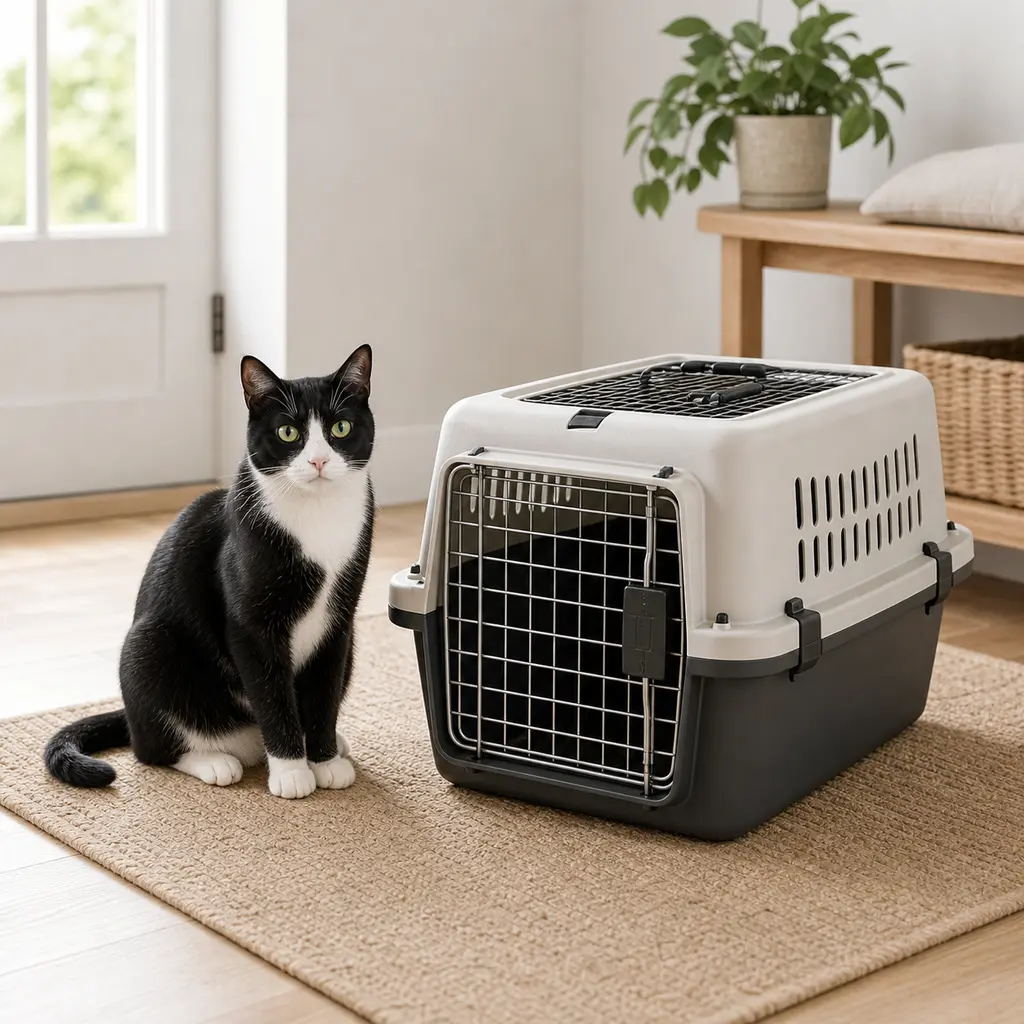
A sturdy carrier keeps travel and vet trips more controlled than carrying a loose cat.
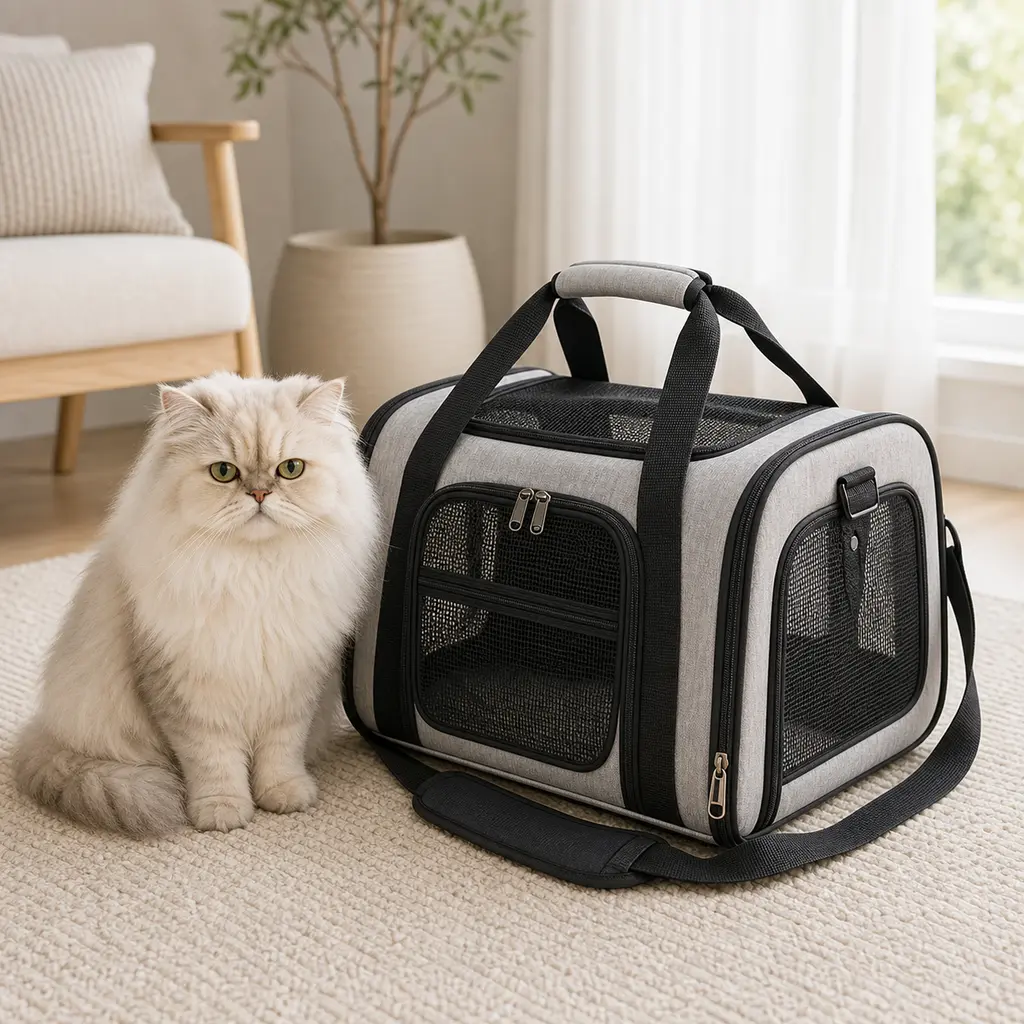
A soft carrier can work for calm, supervised travel when it fits the cat and trip.
A familiar mat can help the carrier smell and feel less sudden.
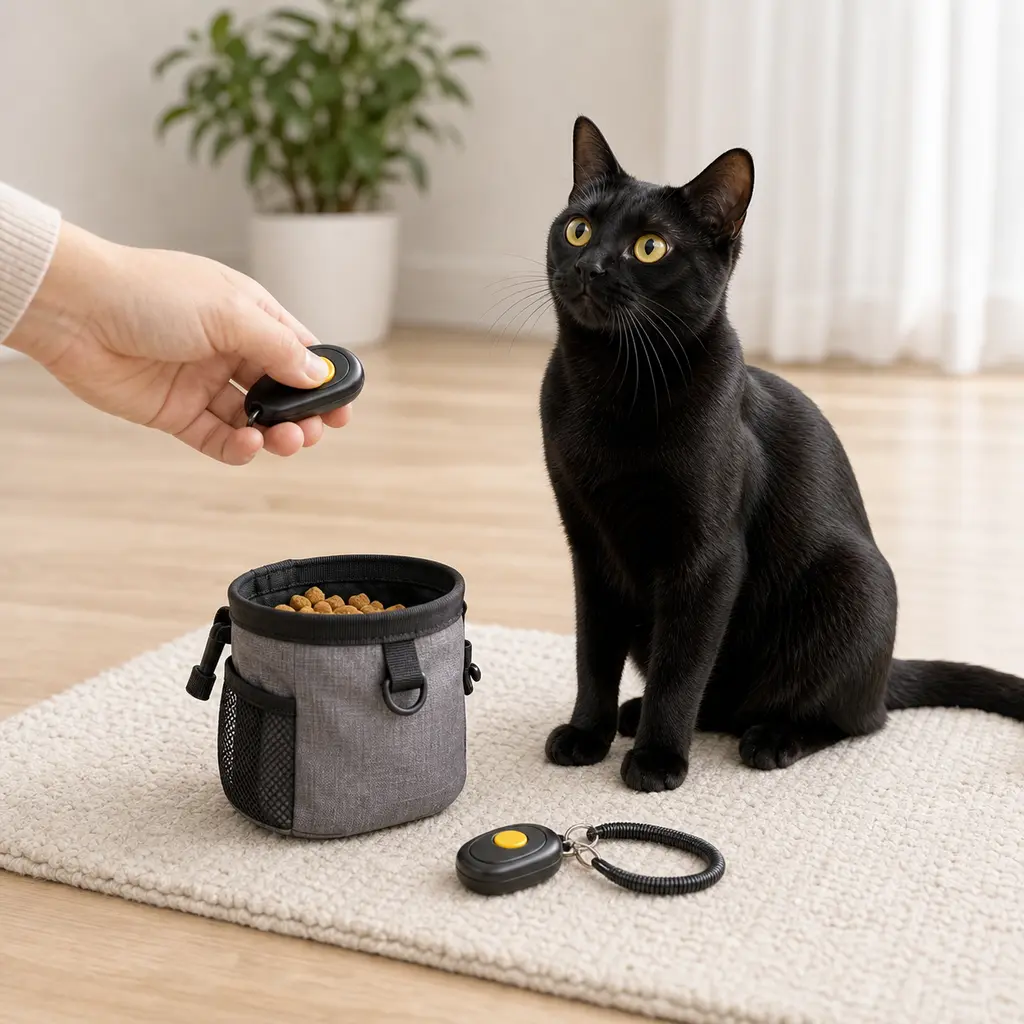
Small rewards help carrier, harness, and car practice stay low pressure.
For car panic-meowing, make the carrier familiar first, practice tiny car steps, control heat and noise, and ask your veterinarian about motion sickness or severe travel anxiety.
Call your veterinarian for vomiting, drooling, breathing changes, collapse, heat exposure, injury, or travel distress so intense that practice does not make progress.