What you are really solving
Scratching is normal claw care, stretching, scent marking, and stress relief. The goal is not to stop the behavior; it is to put a better scratcher where the sofa, rug edge, or doorway currently wins.
Updated
Cat behavior
Give claws better places to work than the sofa.
Look at the setup and the stress level before assuming the cat is being difficult. Better access and calmer routines usually teach more than pressure.
Scratching is normal claw care, stretching, scent marking, and stress relief. The goal is not to stop the behavior; it is to put a better scratcher where the sofa, rug edge, or doorway currently wins.
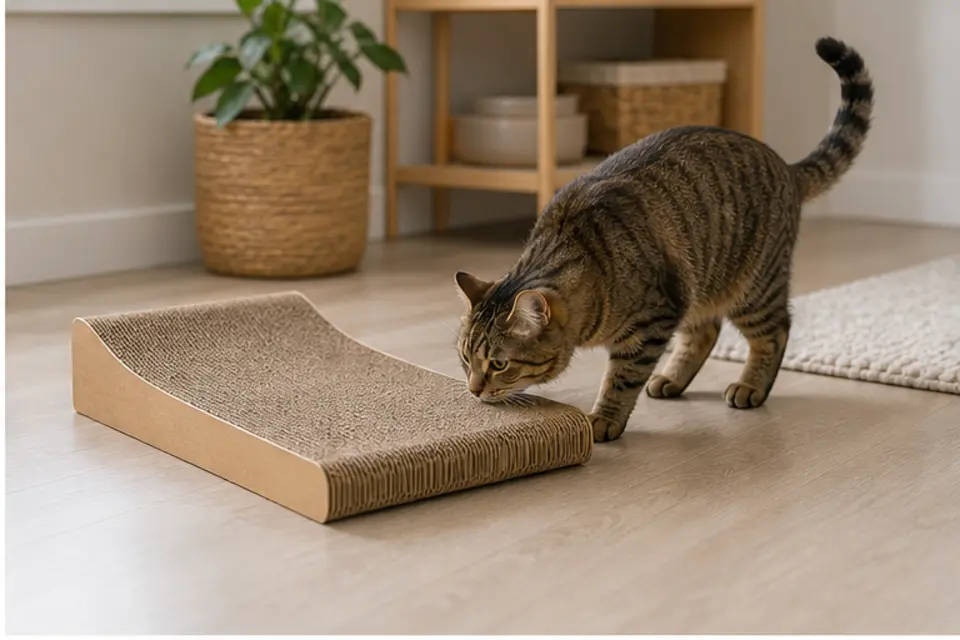
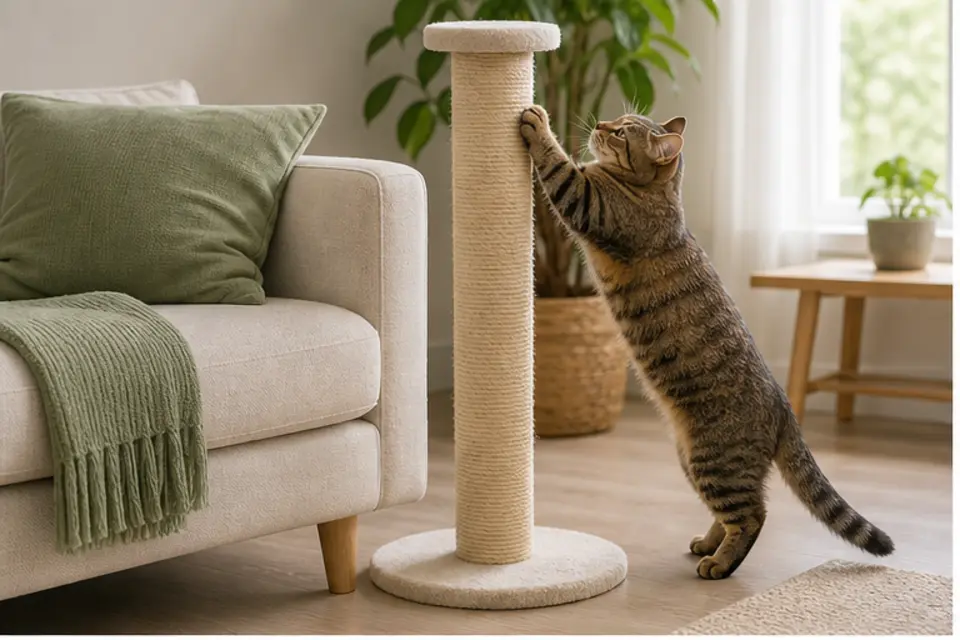
Place the post where your cat already stretches or scratches. A tall, steady scratcher beside the couch usually teaches more than a perfect post hidden in a corner.
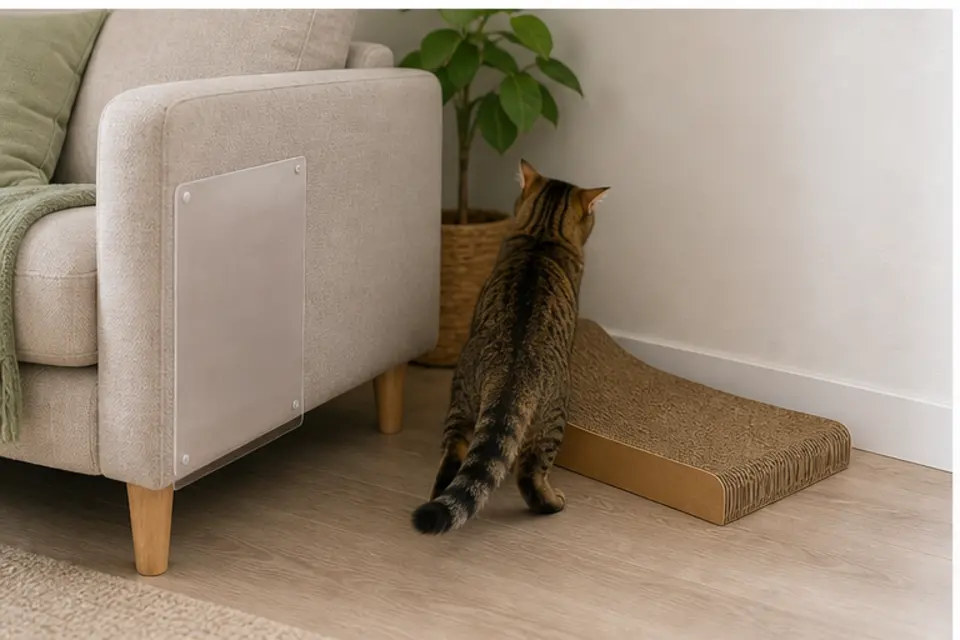
Change the home setup in one clean step: add the scratcher, protect the tempting spot, and keep the room route easy. If everything changes at once, it is harder to know what worked.
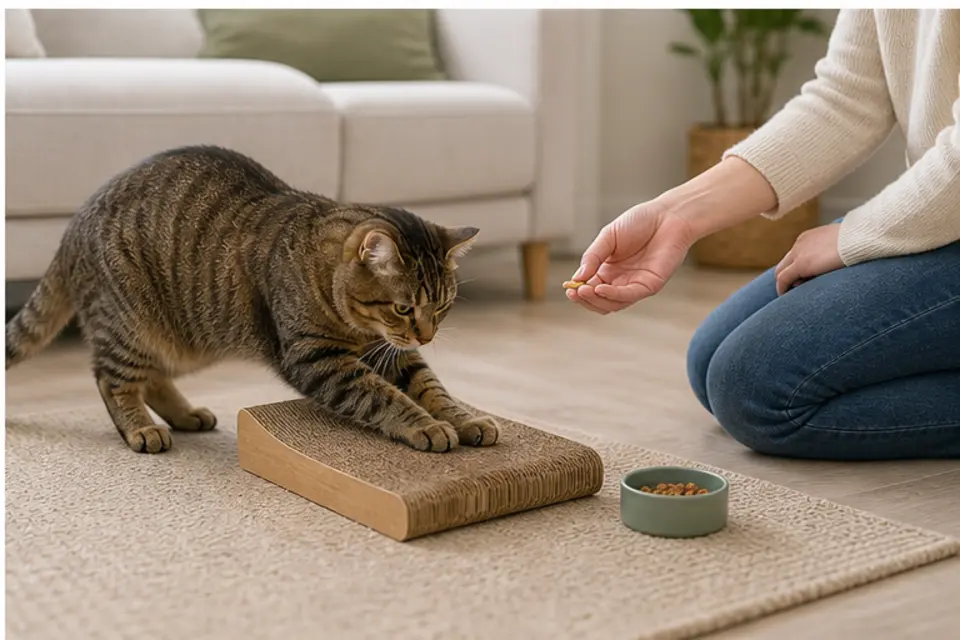
Reward the choice you want when your cat sniffs, stretches, or puts claws on the post. Keep the practice calm; scratching should feel satisfying, not like a scolding session.
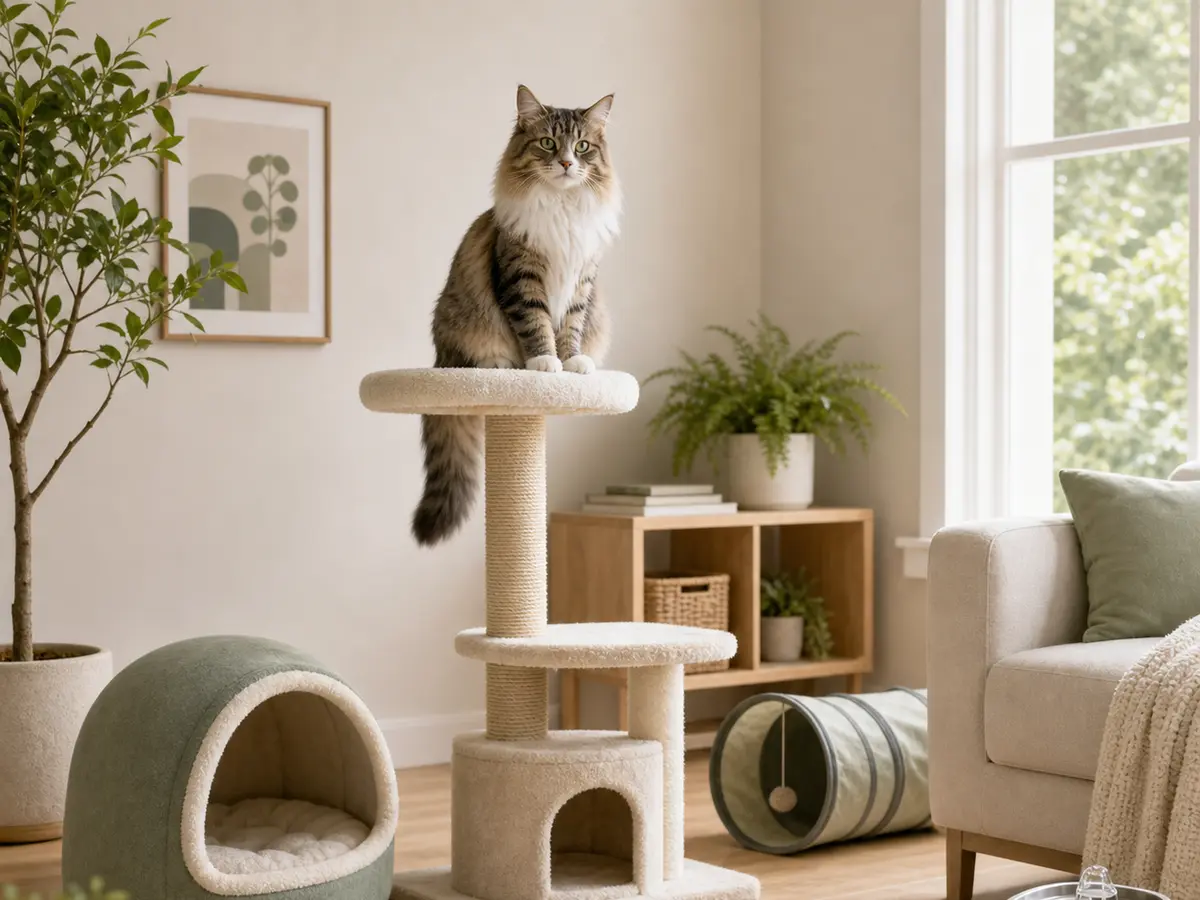
A sudden change in scratching, hiding, biting, or touch sensitivity can point to pain, stress, or household conflict. If the pattern changes quickly or feels unsafe, call your veterinarian or a qualified behavior professional.
Care gear for scratching targets should protect trust first, then make the task cleaner or more precise.
Affiliate links: Furball Cove may earn from qualifying purchases at no extra cost to you.
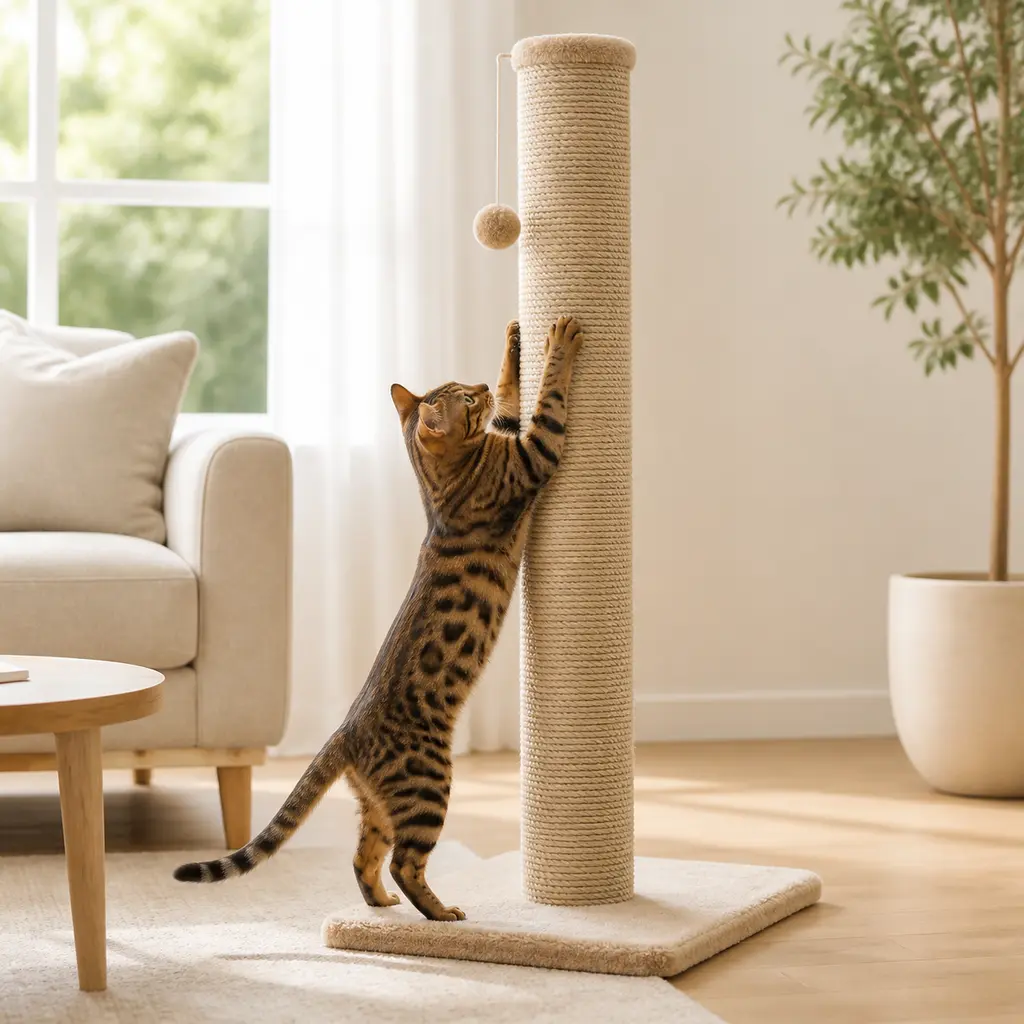
Scratching Targets works better when the setup can put a satisfying stretch near the room your cat already uses.
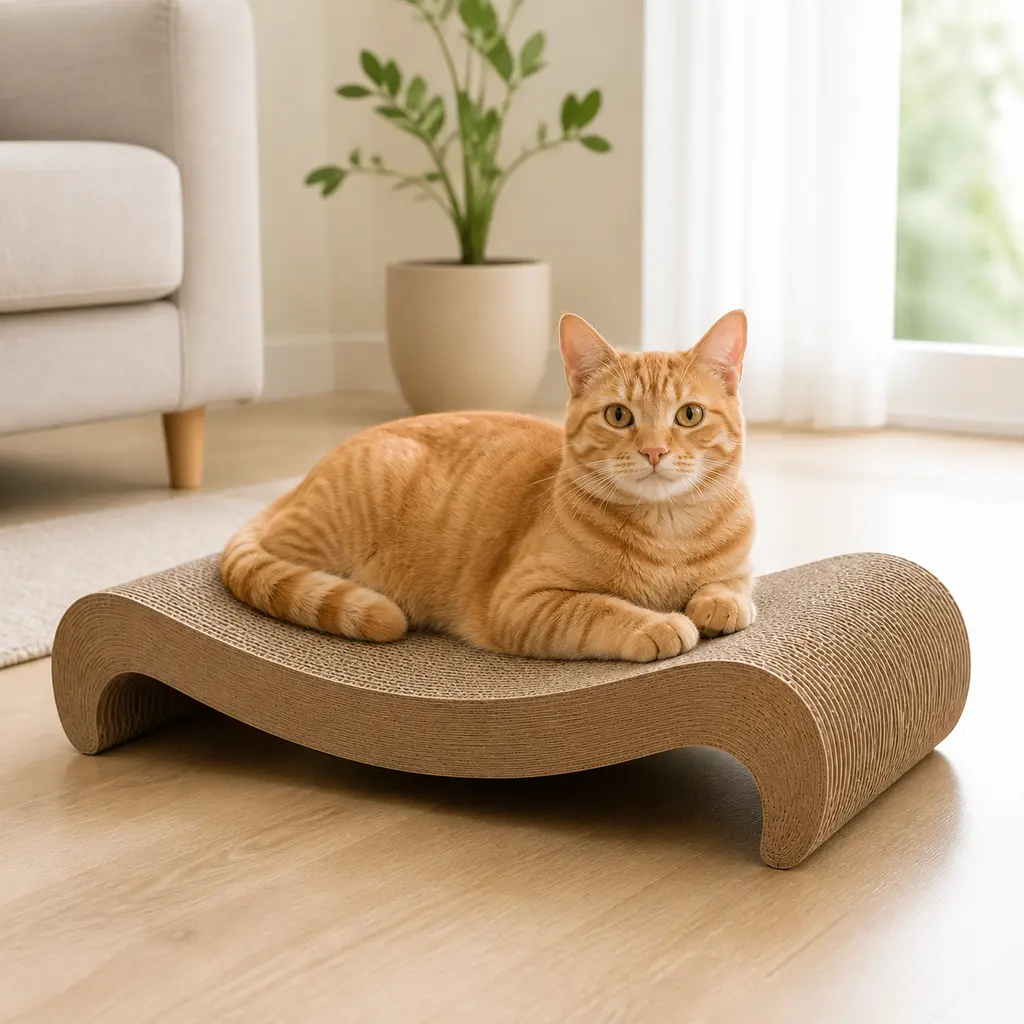
This earns its spot in scratching targets because it can make the easy choice more appealing than the rug edge.
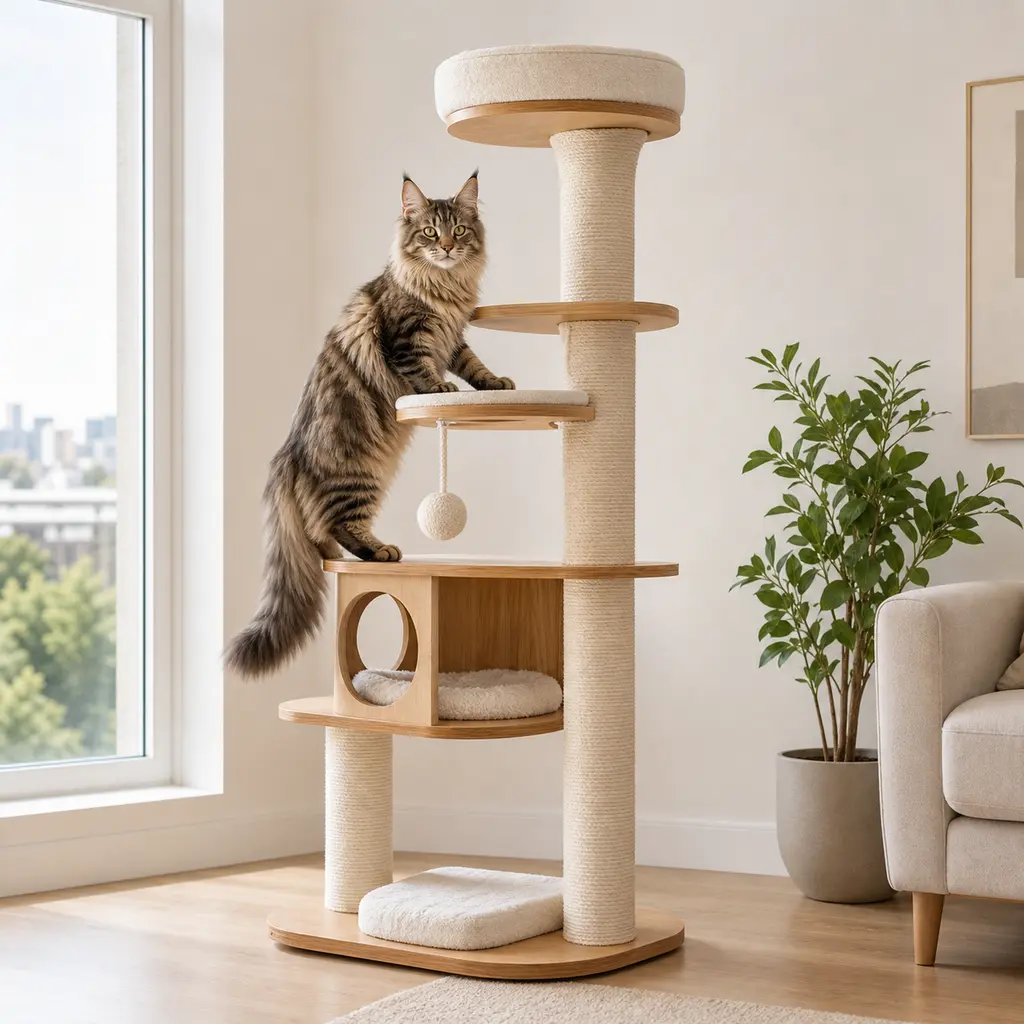
Scratching Targets works better when the setup can give active cats a place to climb before counters become the main adventure.
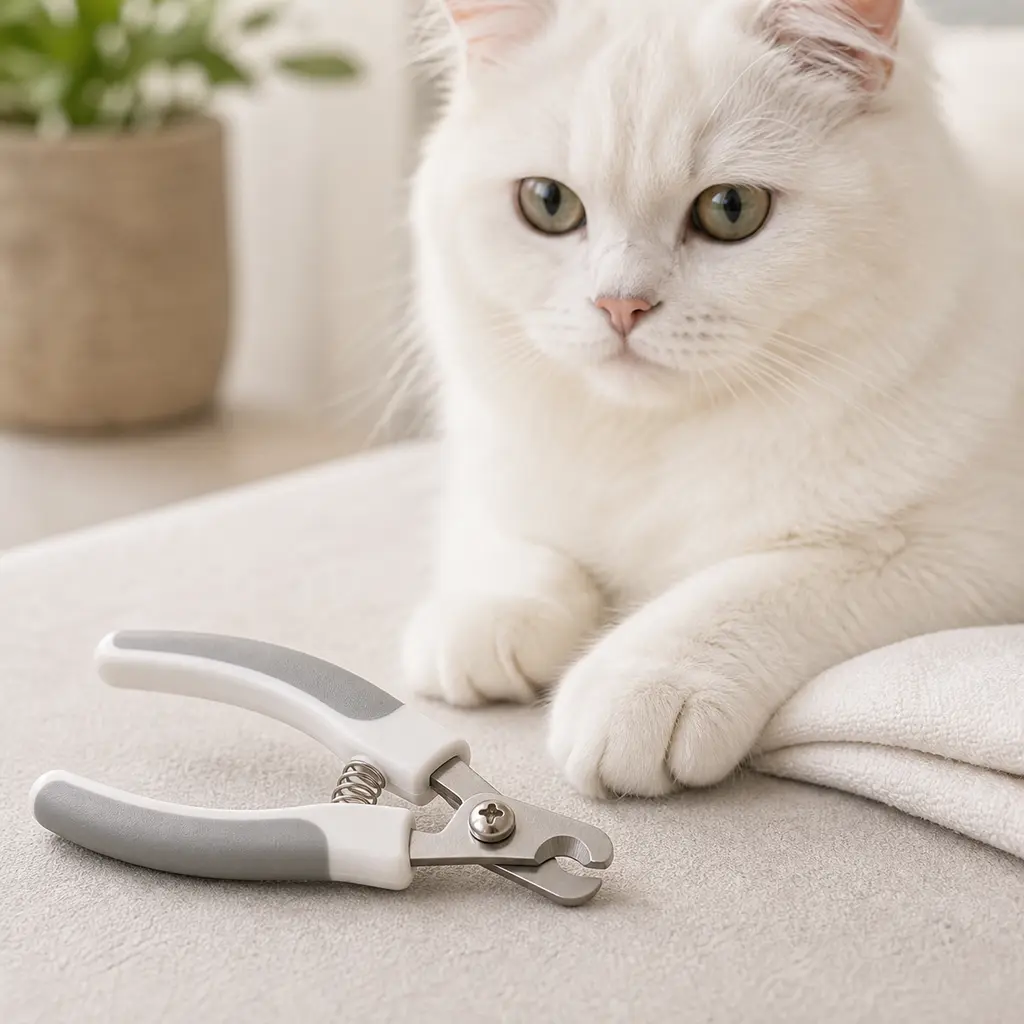
Scratching Targets works better when the setup can make one-nail practice easier than a long wrestling session.
Short. One to three minutes is enough for many cats, especially when the skill or game is new.
Let the cat leave. Try later with a better reward, a quieter room, or an easier first step.
No. Make the setup easier, reward smaller tries, and avoid turning the moment into pressure, scolding, or a battle.