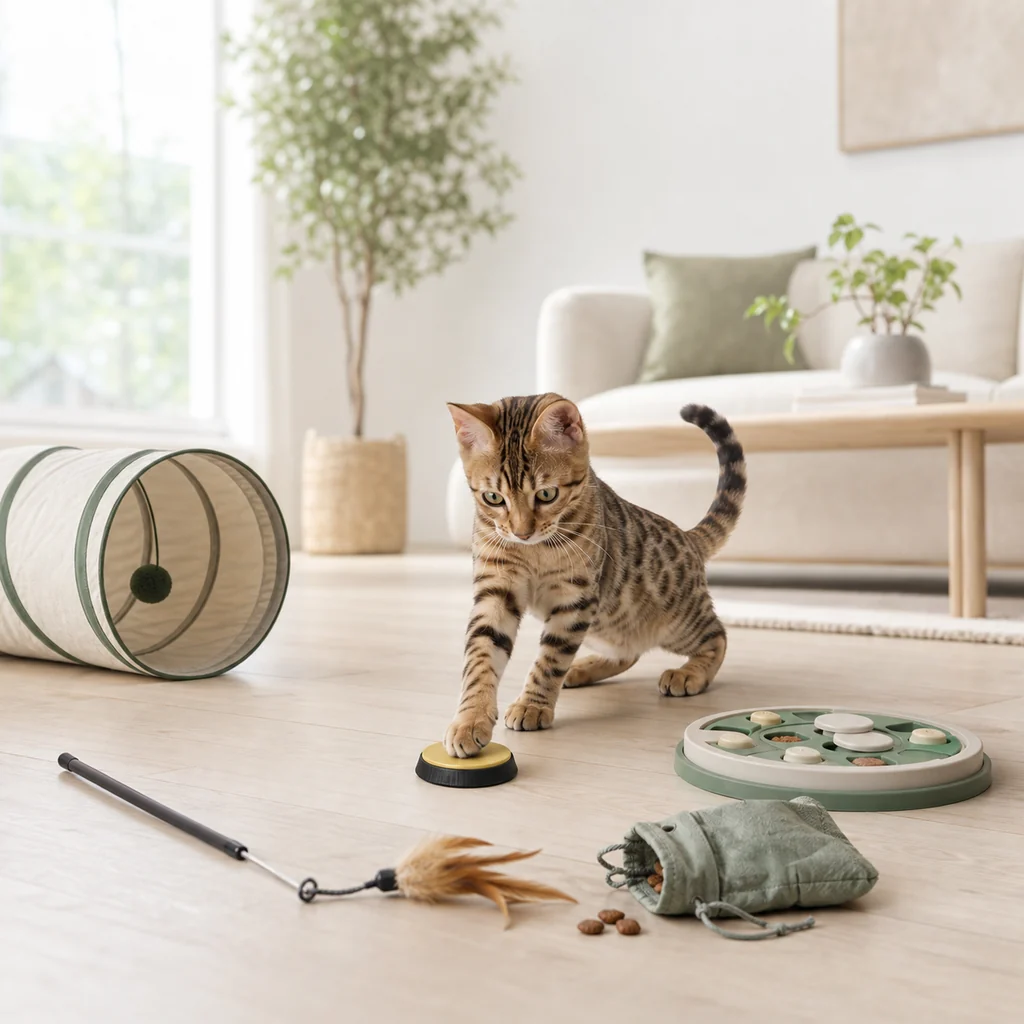
What to notice at home
Compare temperament, medical needs, hiding risk, number of cats, home access, sitter reliability, boarding setup, vaccination requirements, and how quickly someone can respond if appetite or litter habits change.
Updated
Cat travel
Choose a sitter when your cat does best in familiar territory; choose boarding when medical monitoring, medication timing, safety, or reliable supervision matters more than staying home.
The better choice is the one that protects eating, litter use, medication, stress level, and emergency backup while you are away.
Compare temperament, medical needs, hiding risk, number of cats, home access, sitter reliability, boarding setup, vaccination requirements, and how quickly someone can respond if appetite or litter habits change.
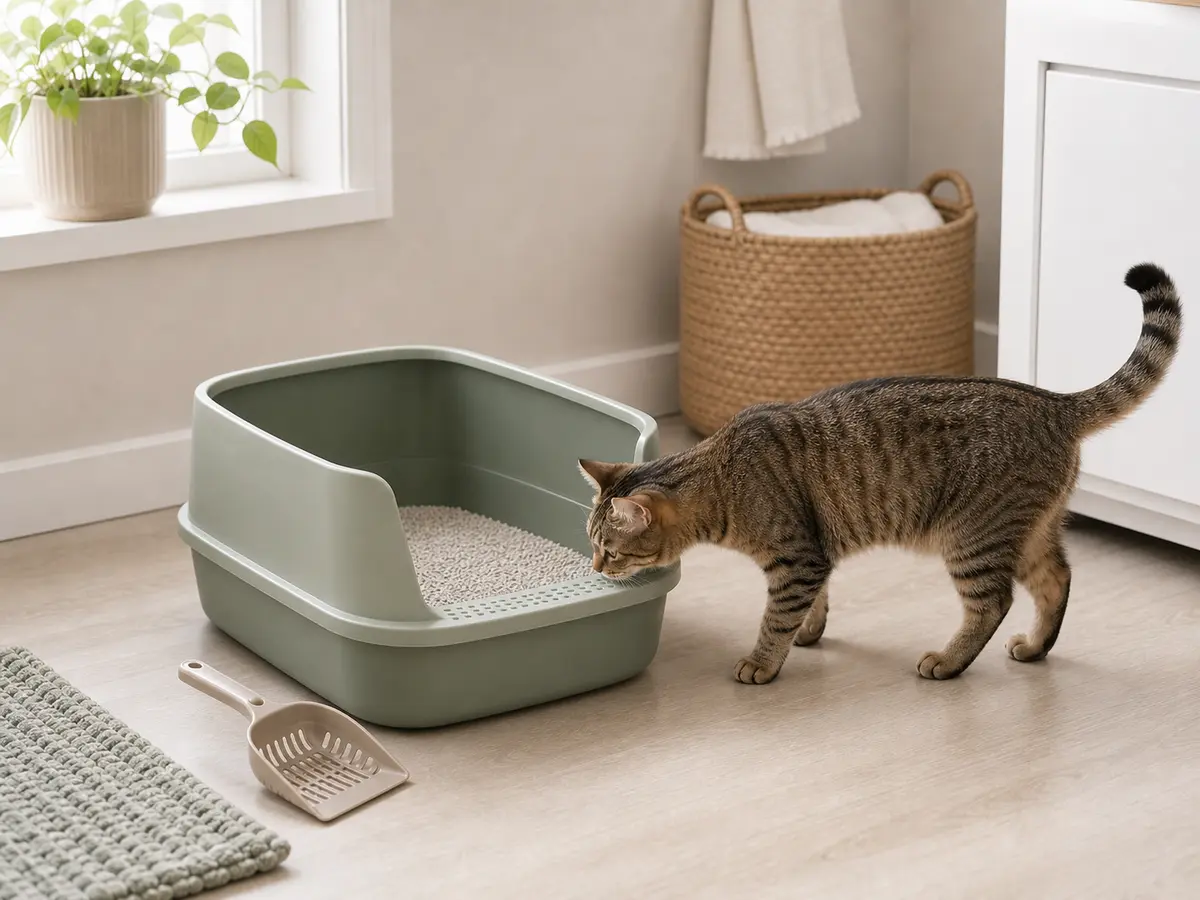
Write care notes, emergency contacts, medication instructions, feeding amounts, litter expectations, hiding spots, and photo updates into the plan. Do a short trial visit or boarding tour before a long trip.
Ask your veterinarian which option is safer for cats with medication needs, fragile appetite, chronic illness, severe stress, or a recent health change.
Travel gear works best when it is practiced before the trip, so the carrier, mat, harness, or reward pouch already feels familiar.
Affiliate links: Furball Cove may earn from qualifying purchases at no extra cost to you.
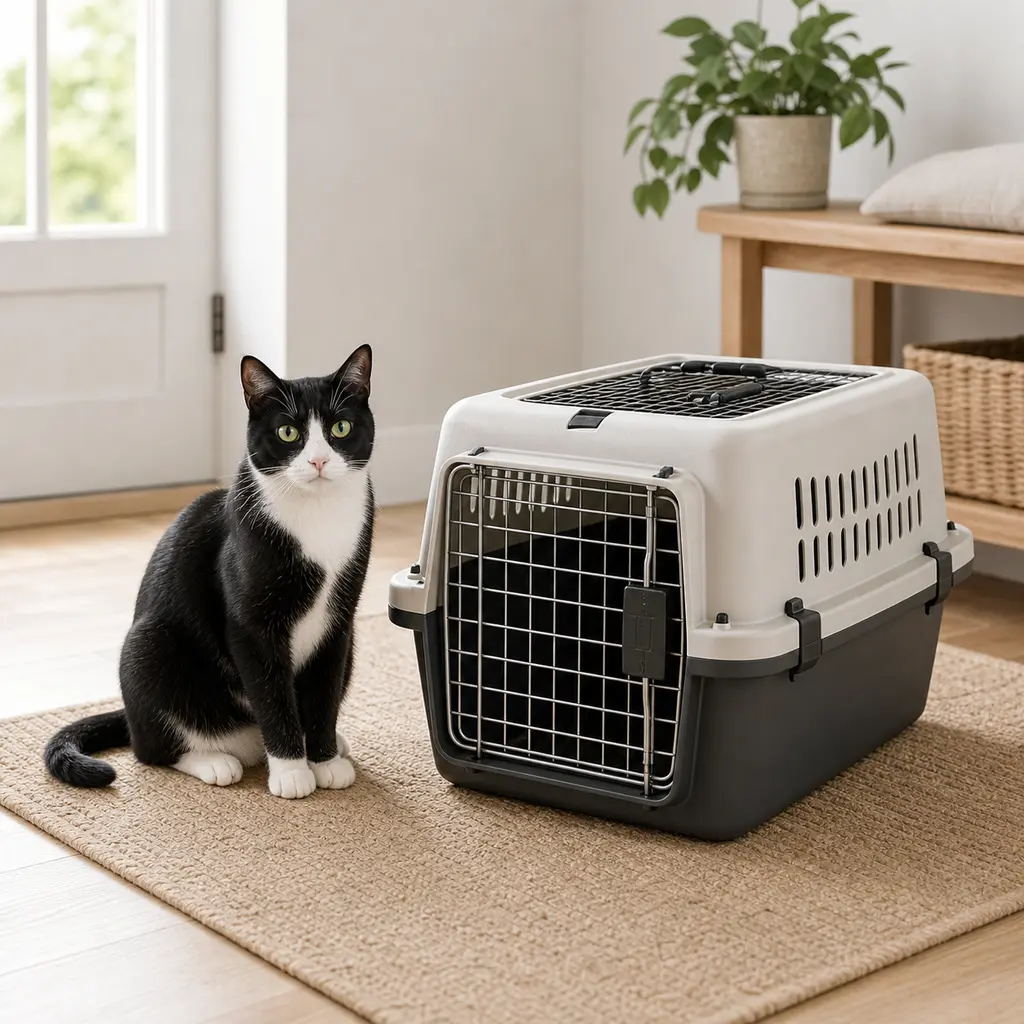
A sturdy carrier keeps travel and vet trips more controlled than carrying a loose cat.
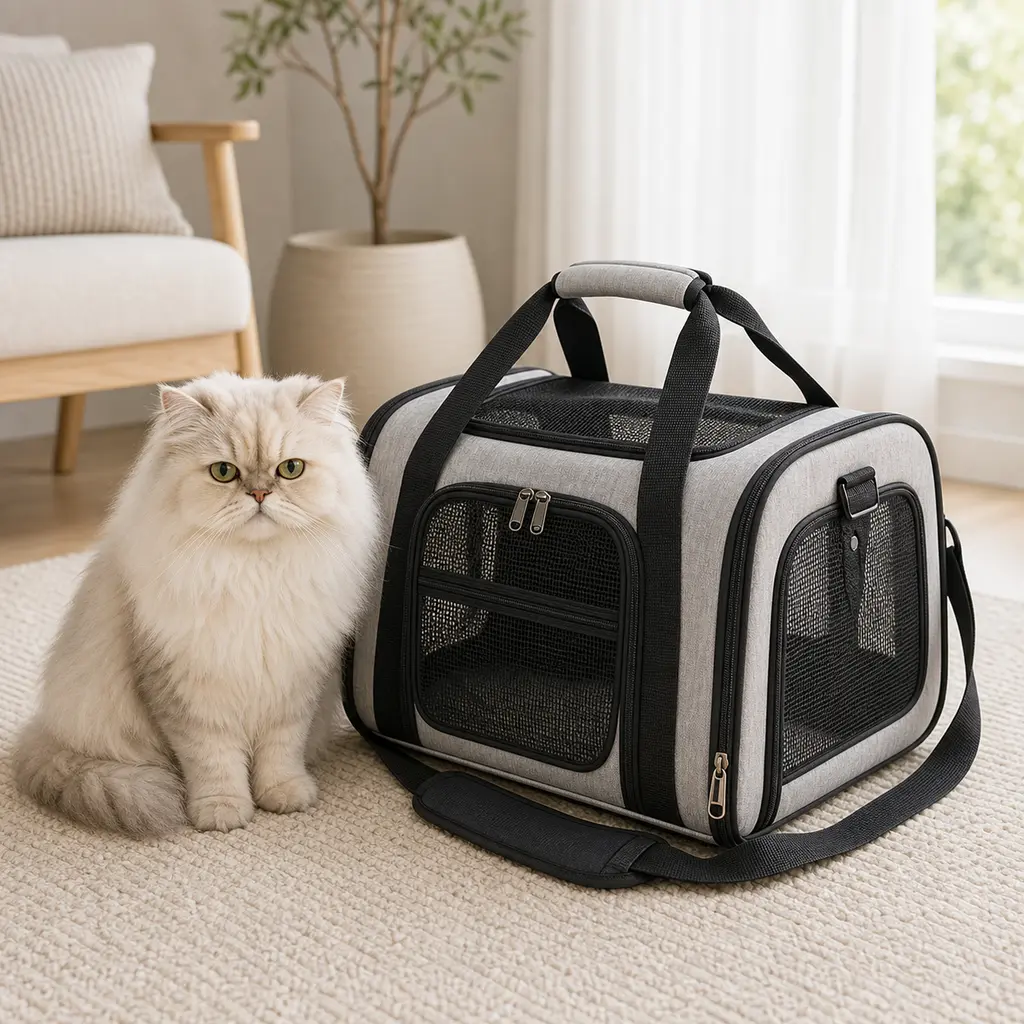
A soft carrier can work for calm, supervised travel when it fits the cat and trip.
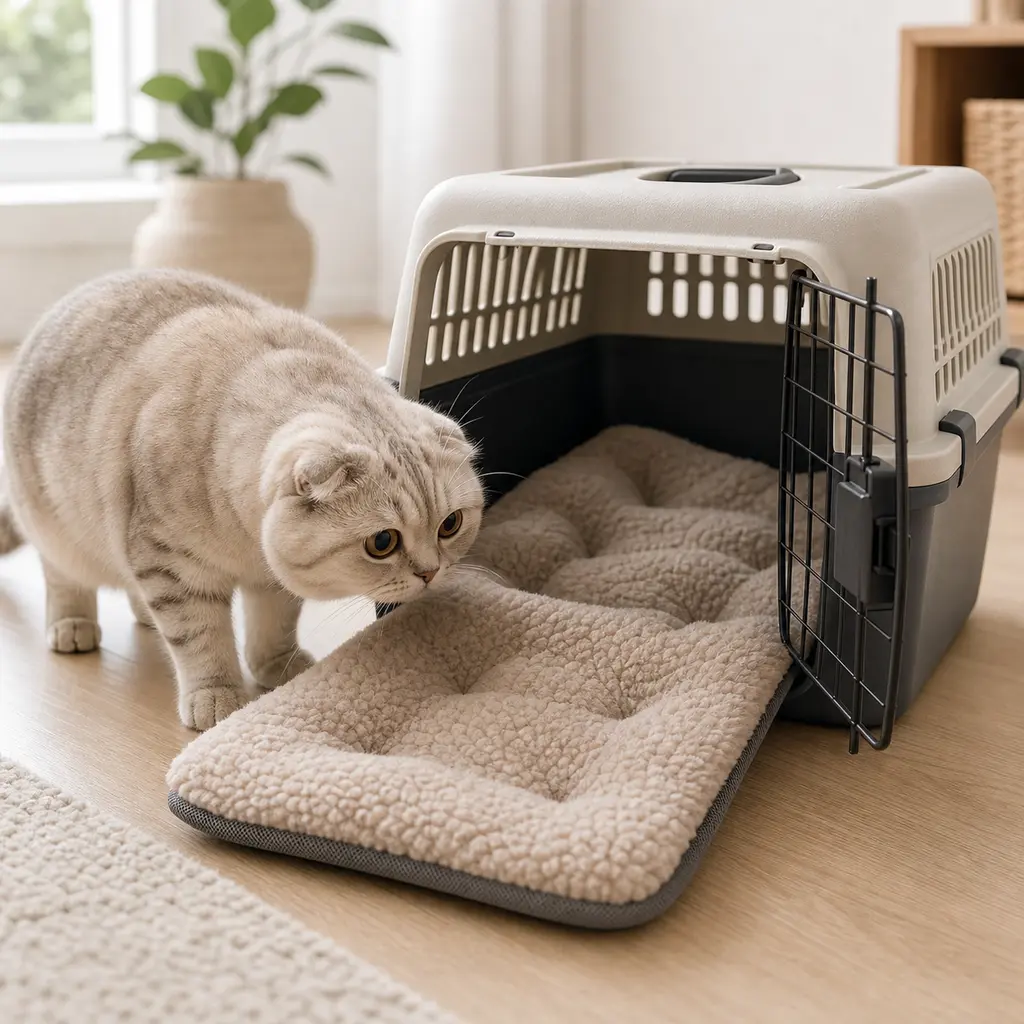
A familiar mat can help the carrier smell and feel less sudden.
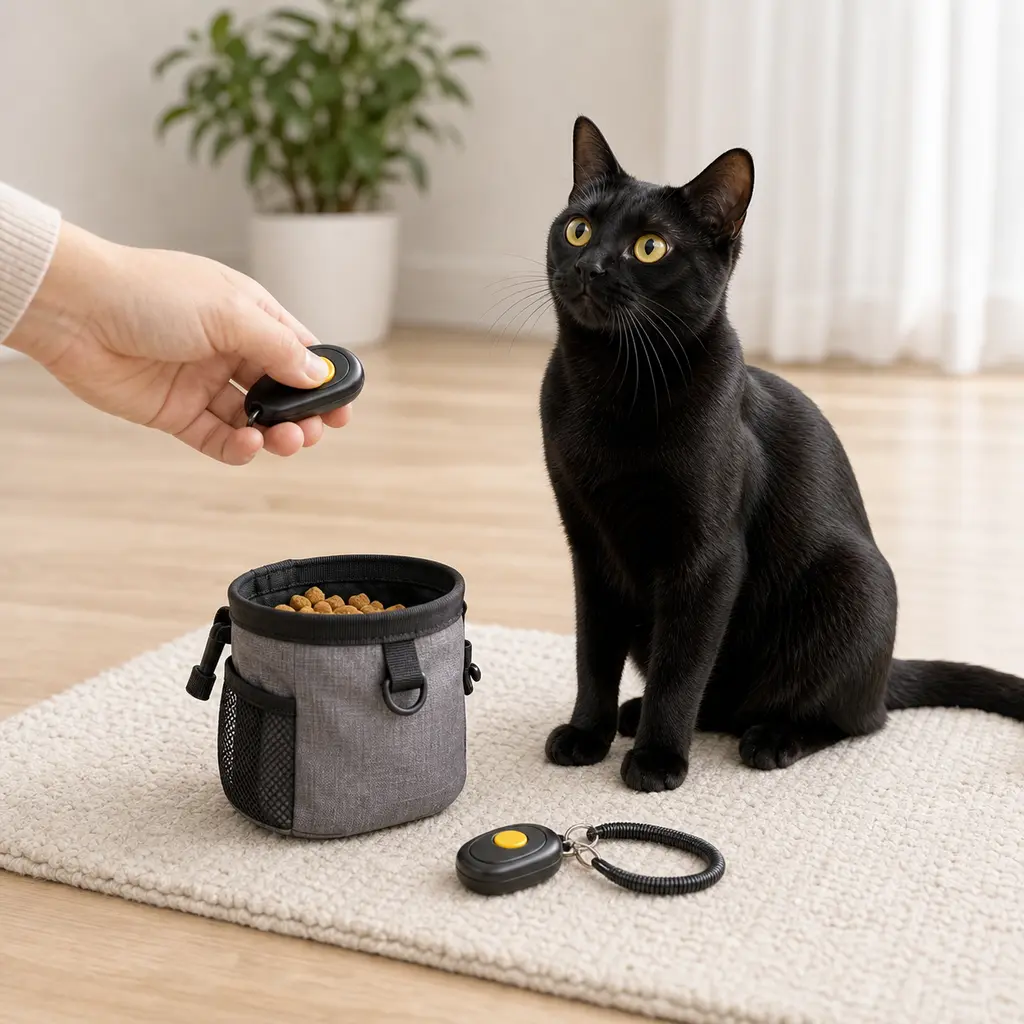
Small rewards help carrier, harness, and car practice stay low pressure.
Choose a sitter when your cat does best in familiar territory; choose boarding when medical monitoring, medication timing, safety, or reliable supervision matters more than staying home.
Ask your veterinarian which option is safer for cats with medication needs, fragile appetite, chronic illness, severe stress, or a recent health change.