Updated

Cat health

My cat skipped breakfast but ate later: should I worry?

If your cat skipped breakfast but ate later and now seems normal, you can usually monitor closely. Worry more if skipping meals repeats, appetite drops again, or illness signs appear.

One late meal is not the same as a cat who will not eat. The useful job is to compare the whole day: breakfast, the later meal, water, litter, energy, hiding, and nausea clues.

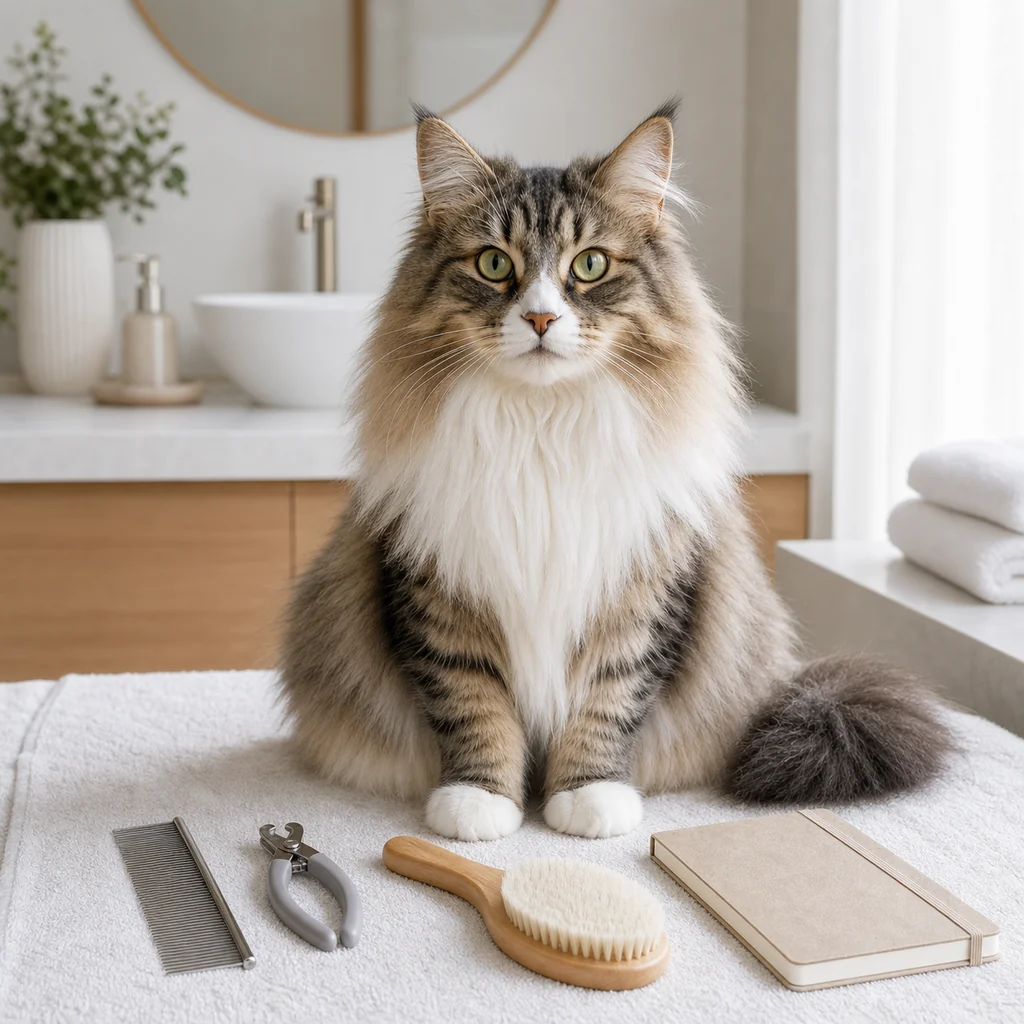
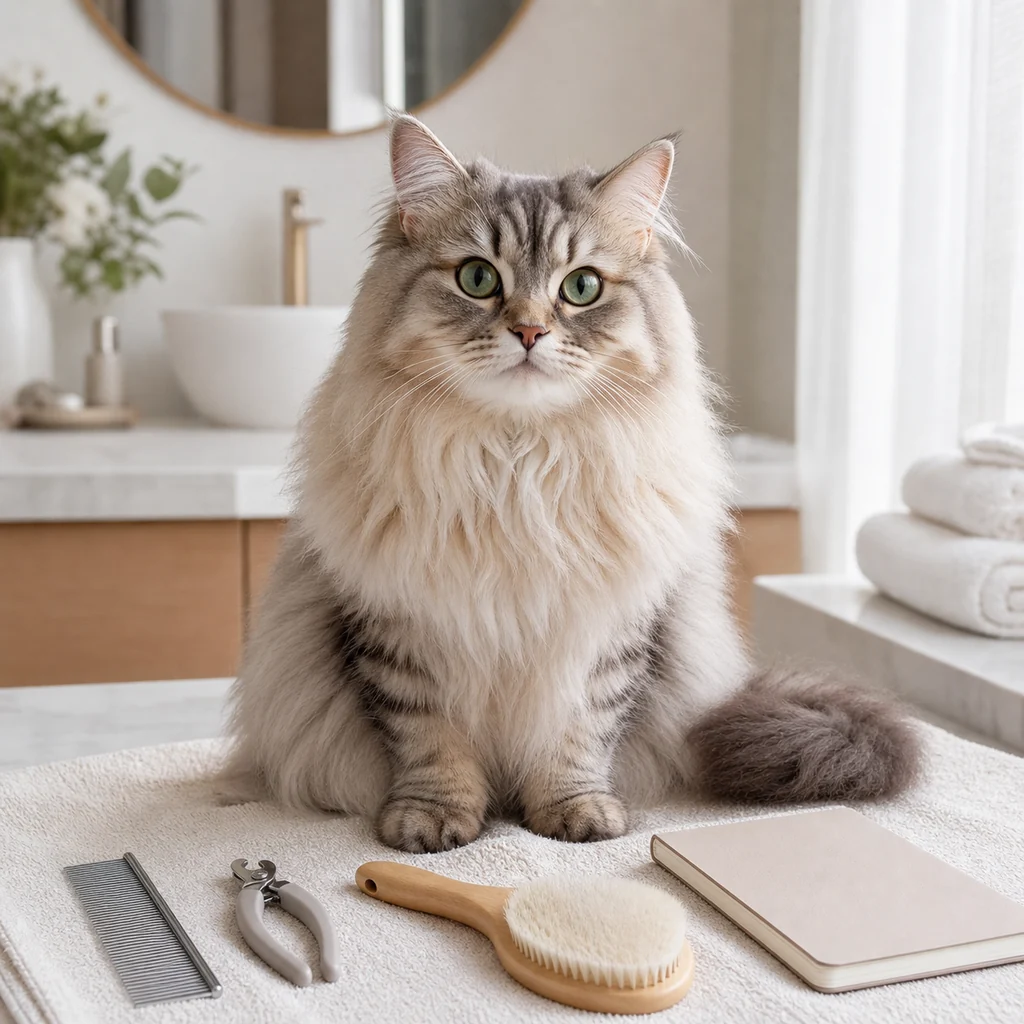
Cat beside grooming and health care tools

Treat the later meal as useful information

A cat who skipped breakfast but ate a normal later meal may have disliked timing, smell, noise, a cold texture, or a busy feeding spot. Watch whether dinner and the next breakfast look normal too.

Treat symptom pages as triage support, not a diagnosis. Appetite, water, urine, stool, breathing, mobility, gums, pain signs, and energy matter more than one isolated symptom word.
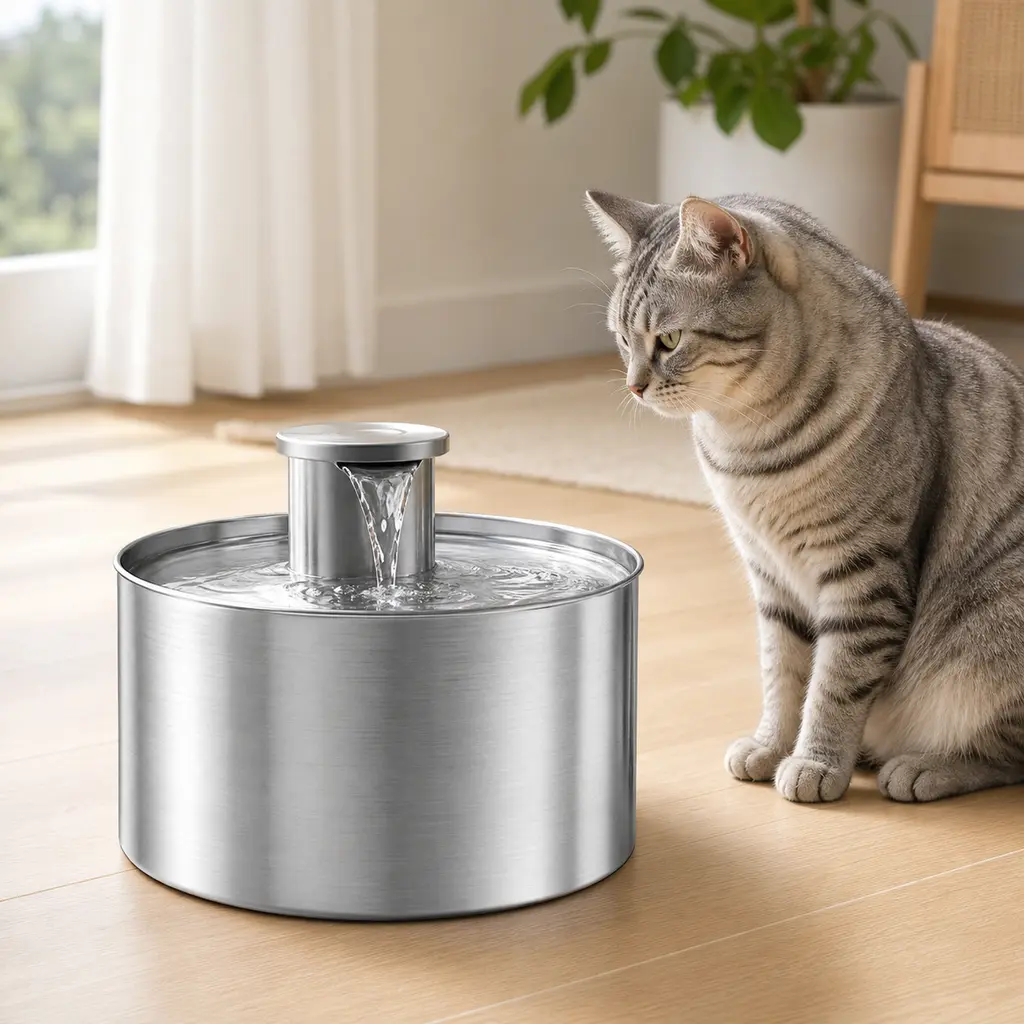
Stainless steel cat water fountain

Check the rest of the day

Look at water, litter, play, sleep, grooming, and whether your cat seeks normal attention. A bright cat with normal litter is different from a quiet cat hiding after food.

Start by deciding whether this can wait. Breathing trouble, urine changes, appetite loss, severe pain, collapse, toxin exposure, or sudden decline means the next step is a vet call.

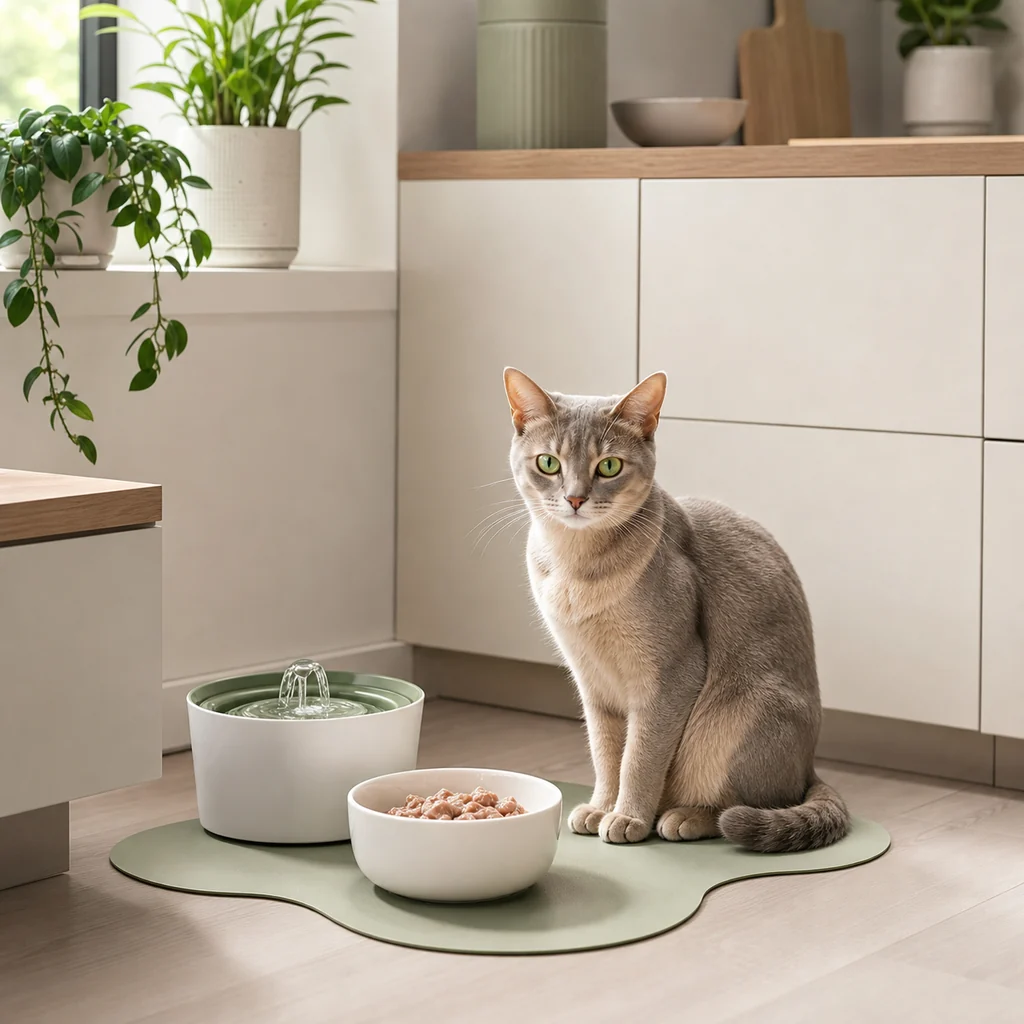
Cat food and water setup in a bright kitchen

Do not turn it into a buffet

Offer familiar food in a quiet place. Avoid stacking new toppers, treats, and flavors so quickly that you cannot tell whether appetite is truly back.

Write down timing, frequency, appetite, litter use, breathing, movement, and any trigger you saw. A short video is often more useful to your veterinarian than a long description.

Cat vet records and appointment questions

Write down the meal timeline

For your veterinarian, note the last full meal, what breakfast was offered, what was eaten later, water interest, litter use, vomiting, drooling, medicine, and whether your cat is a kitten or senior.

Do not monitor at home when breathing is hard, gums look pale or blue, the cat cannot stand, pain is obvious, appetite stops, urination changes, or symptoms escalate.

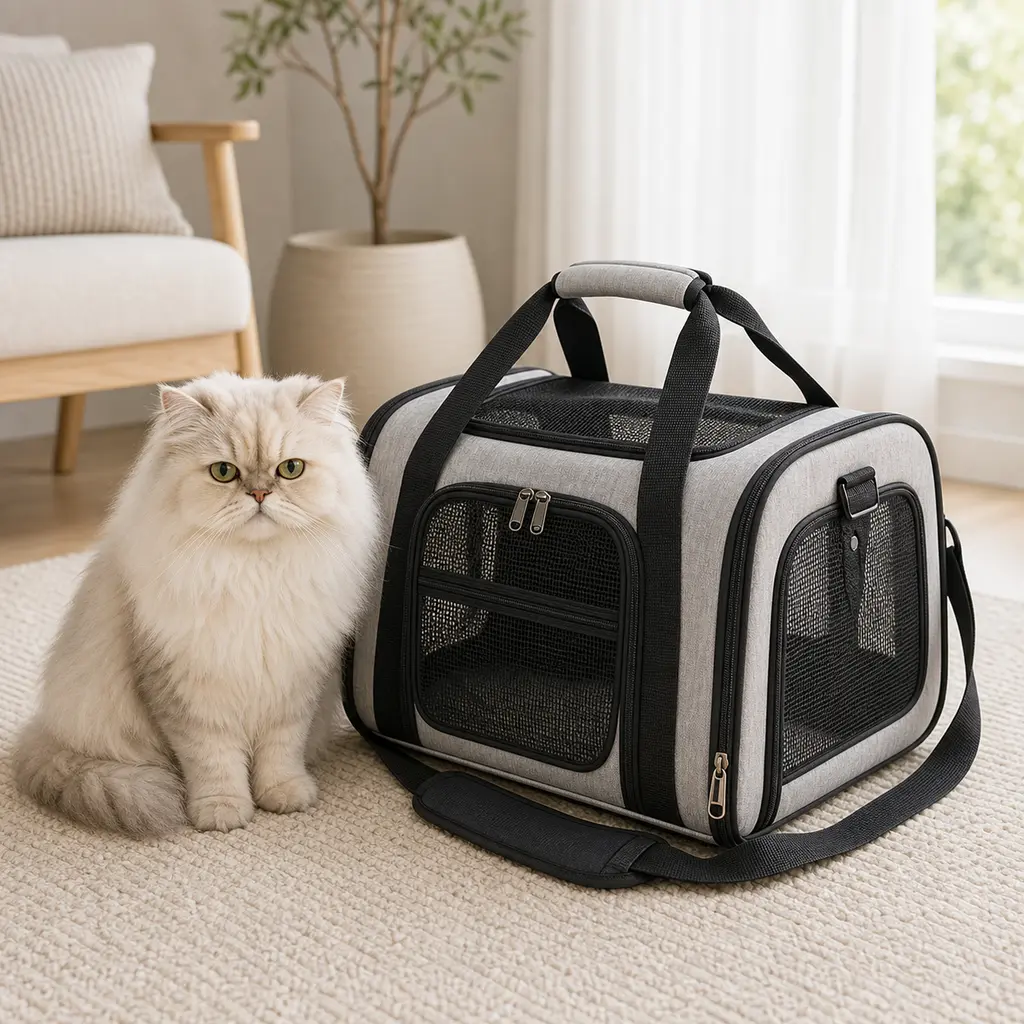
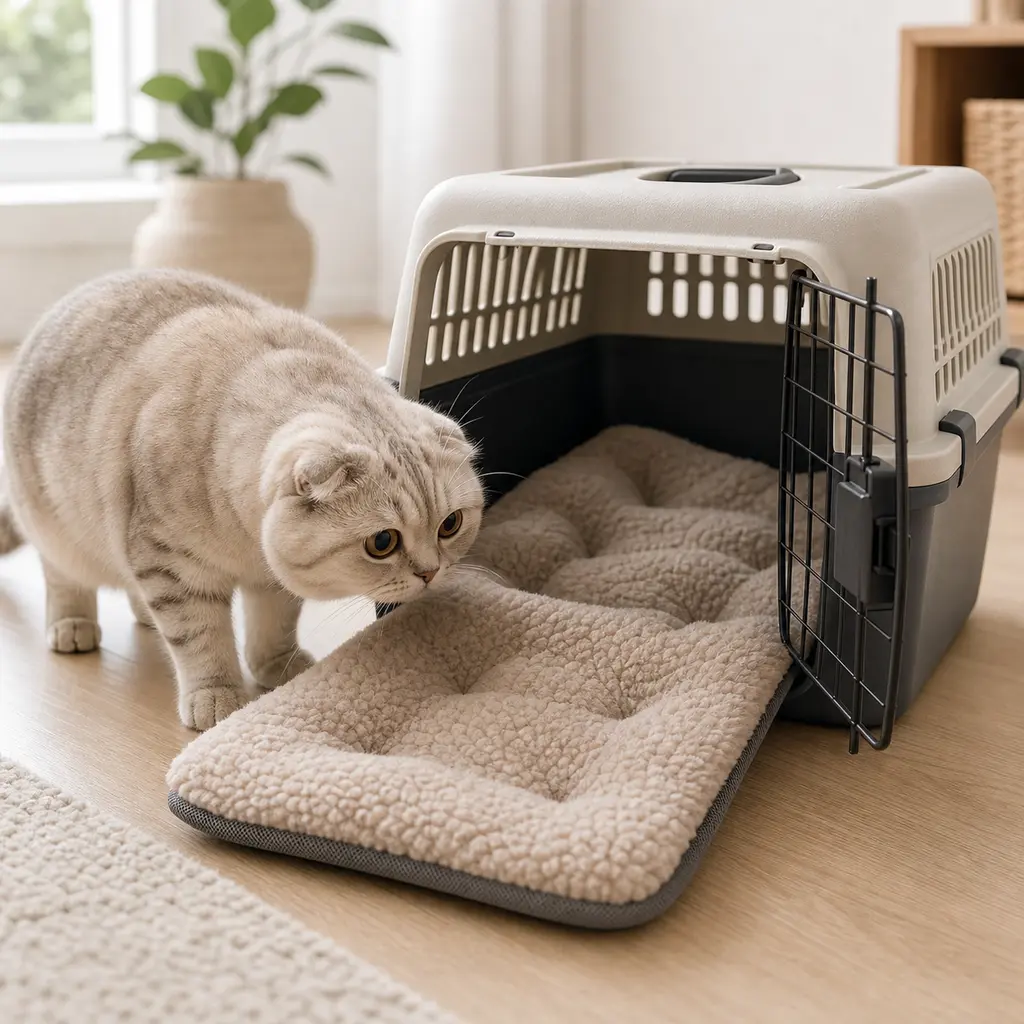
Soft-sided cat carrier for travel practice

Call if the pattern stops looking small

Call your veterinarian promptly if your cat refuses food again, seems weak, vomits, hides, drools, appears painful, may have eaten something unsafe, or is a kitten, senior, or medically fragile cat.

Treat symptom pages as triage support, not a diagnosis. Appetite, water, urine, stool, breathing, mobility, gums, pain signs, and energy matter more than one isolated symptom word.

Before you decide

  • Did your cat eat a real later meal, or only lick a treat or topper?
  • Are water, litter, energy, grooming, and attention normal for the rest of the day?
  • For your veterinarian, did vomiting, drooling, hiding, pain, weakness, or unsafe-food risk appear?
  • Is your cat a kitten, senior, or managing another health issue?

Next best moves

  • Offer familiar food quietly at the next normal meal.
  • Keep notes on breakfast, the later meal, water, litter, and energy.
  • Call your veterinarian if skipping repeats or your cat seems unwell.

Quick cat question

Should I worry if my cat skipped breakfast but ate later?

Worry less if the later meal was normal and the rest of the day looks normal. Worry more if appetite drops again or symptoms appear.

What should I monitor next?

Monitor the next meal, water, litter, energy, hiding, vomiting, drooling, and whether your cat seems comfortable.

References