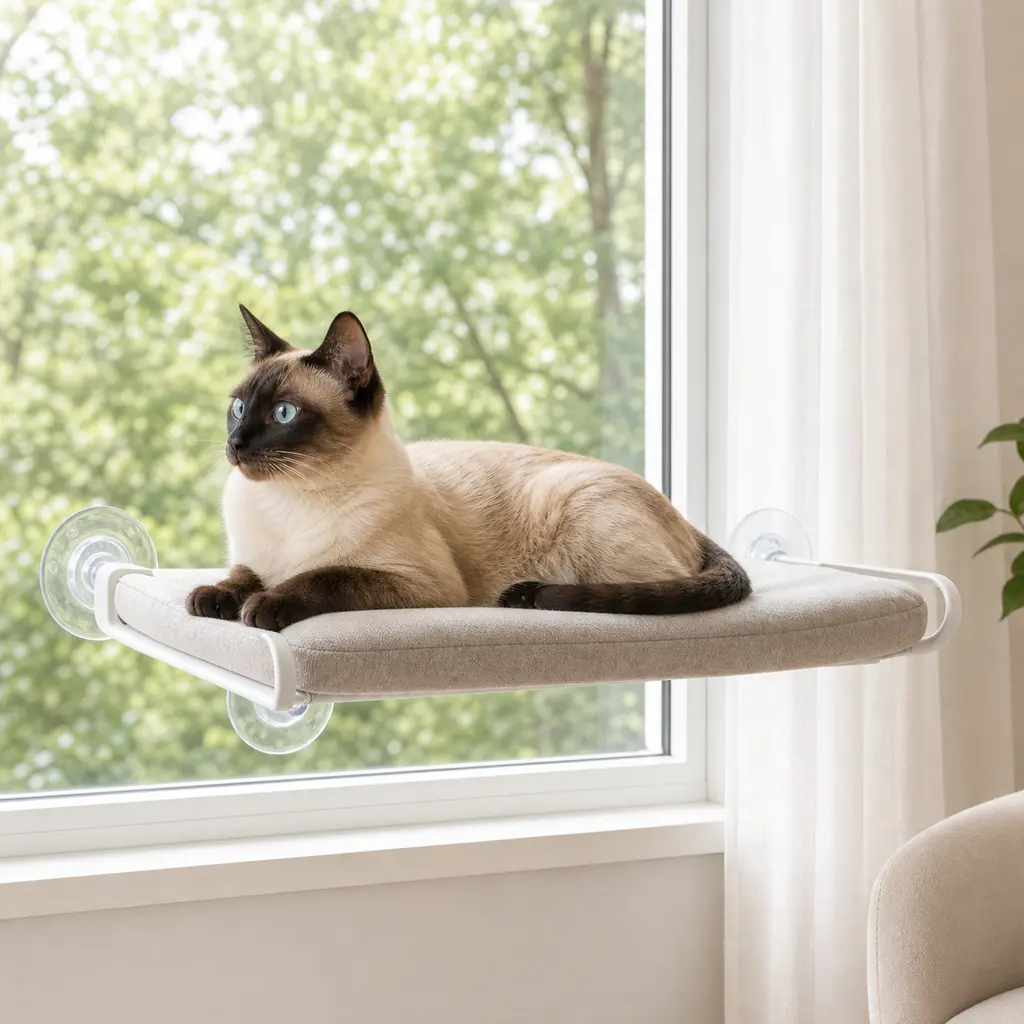
A cat may stare at corners or blank walls because they hear a sound, see a tiny shadow or insect, watch reflected light, or feel alert to something in that part of the room.
Most wall-staring is not spooky or bad behavior. The useful question is whether your cat is relaxed and responsive, or whether the staring is new, intense, confused, or paired with health changes.
Rule out ordinary room clues
Cats notice things people miss: a faint sound inside a wall, a gnat near a lamp, a moving shadow, dust in sunlight, or a reflection from a phone or watch. If your cat can look away, respond to you, and return to normal, the moment may simply be careful watching.
Treat the visible behavior as a clue rather than the whole answer. Track what happened right before it, how much choice your cat had, and how quickly the room returned to normal.
Read the body, not just the stare
Soft posture, normal blinking, and a tail that settles are different from a frozen body, wide pupils, pacing, hiding, or repeated startled reactions. Notice the room, time of day, sounds, lights, and whether another pet is nearby.
Start by making the scene calmer and safer, then look for the trigger. A cat who feels trapped, sore, or overstimulated will not learn from pressure.
Change one room detail
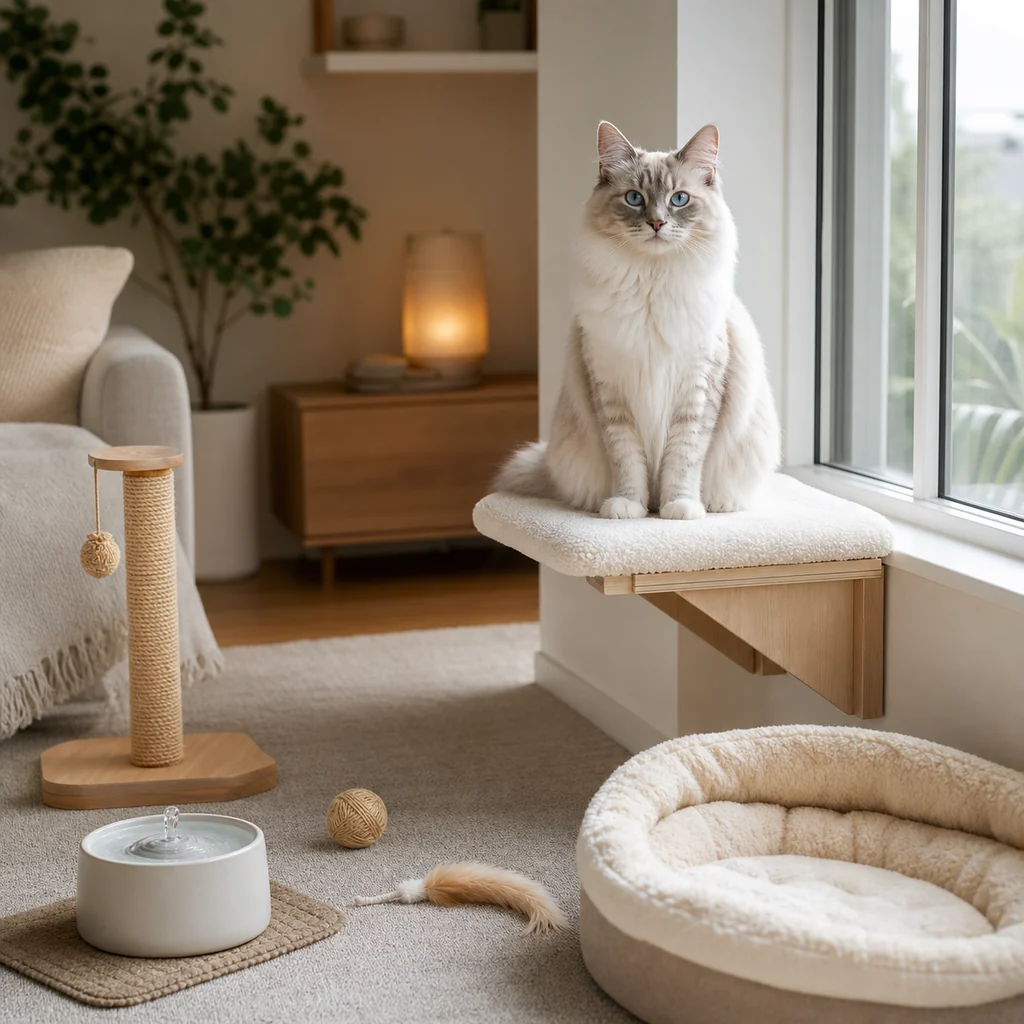
Check for insects, tapping sounds, dangling cords, reflective surfaces, new electronics, or a window shadow. Move one obvious trigger, then watch whether the staring fades instead of changing the whole room at once.
Add distance, choice, and a safer outlet before adding more handling. Shorter sessions, clearer escape routes, and predictable routines often tell you more than one dramatic correction.
Call when it feels like a change in the cat
Call your veterinarian if the wall staring is new, hard to interrupt, paired with confusion, circling, seizures, weakness, appetite changes, litter changes, night yowling, or your cat seems unlike themselves.
Get help quickly for bites, escalating fights, redirected aggression, fear that traps one cat, or sudden behavior that does not fit the cat's normal routine.
Before you decide
Can your cat look away and respond normally?
Is there a sound, shadow, insect, reflection, window, or appliance near that spot?
Is the behavior new, repeated, intense, or happening with confusion?
Are appetite, litter use, sleep, movement, and energy normal?
Next best moves
Watch the room at the same time of day.
Remove one likely trigger, such as a reflection or insect source.
Call your vet if the staring is sudden, hard to interrupt, or paired with health or behavior changes.
Quick cat question
Why does my cat stare at corners or empty walls?
A cat may stare at corners or blank walls because they hear a sound, see a tiny shadow or insect, watch reflected light, or feel alert to something in that part of the room.
When should I get help?
Get help if biting, panic, hiding, reactivity, or handling fear is escalating, or if the behavior appeared suddenly with possible pain.